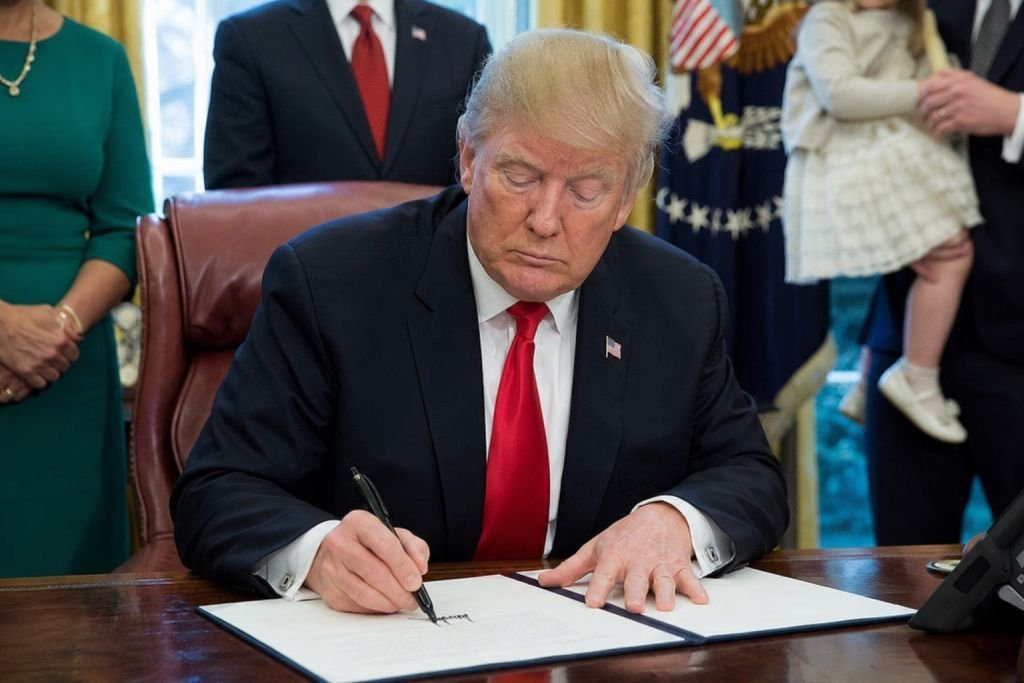
The news that Trump signs executive order calling for fewer childhood vaccinations has quickly become one of the most discussed health policy stories in the United States. Parents, grandparents, pediatricians, teachers, and public health experts are all asking similar questions: What exactly does the executive order do? Will it change the vaccines children receive? And what should families do next?
For many American families, childhood vaccines are something they discuss with their child’s pediatrician during routine checkups. Most parents do not spend much time thinking about the national vaccination schedule until a major policy announcement brings the topic into the spotlight.
The executive order signed by President Donald Trump calls for significant changes to federal childhood vaccine recommendations. According to reports, it encourages spacing vaccines across separate medical visits and proposes reducing the number of vaccines routinely recommended for children. It also calls for separating the combined measles, mumps, and rubella (MMR) vaccine into individual shots. The move has generated strong reactions because it differs from the approach recommended for years by major medical organizations and public health agencies. <Cite refs={[“turn0news11″,”turn0news13”]}/>
This article takes a calm, practical look at the issue. Rather than focusing on political arguments, it explains what the order says, why supporters and critics see it differently, how childhood vaccine schedules are created, and what parents and grandparents may want to discuss with their healthcare providers.
The goal is simple: help families understand the facts and ask informed questions.
Why This Topic Matters to American Families
Childhood vaccination is one of those topics that touches nearly every family. Even grandparents often have questions because they remember illnesses like measles, polio, or whooping cough being much more common than they are today.
For parents, the biggest concern is usually not politics. It is whether their child is protected and whether they are making the best decisions with their doctor.
The latest executive order matters because it could influence how federal health agencies review vaccine recommendations. It does not mean that every child in America will suddenly receive a completely different set of vaccines tomorrow. States still play an important role in school vaccination requirements, and healthcare providers continue to make medical decisions based on current guidance and individual patient needs. <Cite refs={[“turn0news11″,”turn0news12”]}/>
That distinction is important.
Many headlines make policy changes sound immediate and absolute. In reality, public health recommendations often involve agency reviews, medical advisory committees, legal questions, and state-level decisions before changes are fully implemented.
Why parents are paying attention
Families are asking questions such as:
- Will my child’s vaccination schedule change?
- Will schools require different vaccines?
- Are combination vaccines still available?
- Should I delay an appointment?
- What does my pediatrician recommend?
Those are reasonable questions, especially when national health policy is changing.
What Does Trump’s Executive Order Actually Call For?
When people hear that Trump signs executive order calling for fewer childhood vaccinations, they may assume the government has eliminated childhood vaccines. That is not what the reports describe.
The order focuses on changing recommendations rather than banning vaccines.
According to reporting on the executive order, the administration is seeking to:
- Reduce the number of vaccines routinely recommended for all children.
- Encourage vaccines to be given during separate medical appointments rather than grouped together.
- Separate the MMR vaccine into individual measles, mumps, and rubella shots.
- Move some vaccines toward shared decision-making between parents and healthcare providers rather than recommending them for every child. <Cite refs={[“turn0news11″,”turn0news12”]}/>
Here is a simplified overview.
| Current approach | Proposed direction |
|---|---|
| Several vaccines may be given during one visit | More vaccines spread over separate visits |
| Combination vaccines are commonly used | Greater emphasis on individual vaccines |
| Broad routine recommendations | Fewer vaccines routinely recommended |
| CDC advisory process guides schedules | Executive order directs agencies to review changes |
The key word is proposed direction. Federal agencies would still need to work through how recommendations are changed and implemented.
Why Does the Order Recommend Spacing Out Vaccines?
Supporters of the executive order argue that giving fewer vaccines during a single appointment could make parents feel more comfortable and provide more flexibility in the vaccination schedule.
The administration has also argued that the United States recommends more childhood vaccines than some other countries and that families should have more individualized choices. <Cite refs={[“turn0news12″,”turn0news13”]}/>
Those arguments appeal to some parents who already prefer a slower vaccination schedule.
At the same time, many pediatricians point out that the existing schedule was designed to protect children during the ages when they are most vulnerable to certain infectious diseases.
The debate, therefore, is not simply about whether vaccines exist. It is also about when and how they are given.
Why Are Many Medical Groups Opposed?
Major medical organizations have criticized the executive order.
Their primary concern is that spacing vaccines farther apart could leave children unprotected for longer periods and increase the chance that some families miss appointments altogether. They also note that decades of research have examined the safety and effectiveness of the current childhood immunization schedule. <Cite refs={[“turn0news11″,”turn0news13”]}/>
Pediatricians often point to practical issues as well.
Imagine a family with two working parents, a toddler, and a newborn. If vaccines that were once completed during one visit now require several separate appointments, that family may have to:
- Take more time off work.
- Arrange additional childcare.
- Make multiple trips to the doctor’s office.
- Pay for transportation or parking several times.
Medical groups worry that those extra barriers could reduce vaccination rates, especially for families with limited resources.
How Is the Childhood Vaccine Schedule Created?
Understanding how the schedule is developed helps explain why the debate is so intense.
The childhood immunization schedule is not usually created by one elected official. It is developed through a process involving medical experts, scientists, public health officials, and evidence from clinical studies.
The process generally considers:
- How common a disease is.
- At what age children are most likely to become seriously ill.
- How well a vaccine works.
- How long protection lasts.
- Whether vaccines can safely be given together.
- Real-world data collected after vaccines are widely used.
The schedule is updated periodically as new evidence becomes available.
This does not mean scientists never disagree. Medicine changes as new research emerges. However, changes are generally expected to be supported by evidence that experts can review.
Are Combination Vaccines Less Safe?
One of the biggest questions raised by the executive order concerns combination vaccines, especially the MMR vaccine.
Combination vaccines are designed to protect against more than one disease with a single injection. Doctors often use them because they reduce the number of shots children need.
Medical organizations say the use of combination vaccines has been studied extensively and remains part of standard pediatric care. They have not found evidence that simply separating those vaccines improves health outcomes for children. <Cite refs={[“turn0news11″,”turn0news13”]}/>
Parents who have concerns about a specific vaccine or their child’s medical history should discuss those concerns directly with their pediatrician rather than relying on social media posts or headlines.
What Could Change for Parents?
If federal recommendations eventually change, parents could notice several differences.
Possible changes include:
- More appointments for routine vaccinations.
- Different timing for certain vaccines.
- More conversations about individual risks and benefits.
- Different recommendations from healthcare providers depending on updated guidance.
It is also possible that some states continue following existing school requirements even if federal recommendations change.
That is why families should not assume that a national executive order automatically changes every school or doctor’s office overnight.
Could School Vaccine Requirements Change?
This is one of the most common questions parents are asking.
School vaccination requirements are largely determined by individual states, not solely by the federal government.
States have historically required certain vaccinations for children attending public schools while allowing exemptions under specific laws. A federal executive order may influence national recommendations, but it does not automatically rewrite every state’s school immunization rules. <Cite refs={[“turn0news11″,”turn0news12”]}/>
Parents should continue following the requirements provided by their child’s school district and state health department unless they are officially changed.
What Does the Science Say About Childhood Vaccines?
Scientific discussions about vaccines can become emotional very quickly. It is helpful to separate policy debates from the evidence used by healthcare professionals.
Researchers evaluate vaccines by looking at questions such as:
- Does the vaccine prevent illness?
- Does it reduce severe disease?
- What side effects occur?
- How often do those side effects happen?
- How does the benefit compare with the risks?
Large studies and ongoing safety monitoring are used to answer those questions.
The executive order has revived public discussion about whether vaccines should be spaced farther apart. Medical organizations responding to the order have said there is no established scientific evidence that separating routine childhood vaccines into more appointments produces better health outcomes than the current schedule. <Cite refs={[“turn0news11″,”turn0news13”]}/>
What Parents Can Do Right Now
For parents, the most practical advice is not to panic or make sudden decisions based on headlines.
Here are some helpful steps.
Keep your child’s scheduled appointment
Unless your healthcare provider contacts you with different instructions, keeping regular pediatric appointments allows you to discuss any changes directly with a medical professional.
Write down your questions
Before your visit, make a list of concerns such as:
- Has the vaccine schedule changed?
- Does this executive order affect my child?
- Are combination vaccines still recommended?
- Does my child have any medical reasons for a different schedule?
Having questions written down makes appointments more productive.
Ask about your child’s individual health
Every child is different.
A child with a weakened immune system, a severe allergy, or a chronic medical condition may have different recommendations than a healthy child.
That is one reason personalized discussions with a healthcare provider are important.
Healthy Habits That Support Children’s Immune Systems
Vaccines are one part of disease prevention, but families can also support children’s overall health through everyday habits.
These habits do not replace vaccines, but they contribute to a healthy immune system.
Nutritious foods
Aim for a varied diet that includes:
- Fruits such as berries, oranges, and apples.
- Vegetables such as broccoli, carrots, spinach, and sweet potatoes.
- Whole grains.
- Beans and lentils.
- Eggs, fish, poultry, or other protein sources depending on the family’s diet.
- Dairy products or fortified alternatives for calcium and vitamin D.
Regular sleep
Children need age-appropriate sleep to support growth, learning, and immune function.
A consistent bedtime routine can make a big difference.
Physical activity
Daily movement helps children stay healthy.
Depending on age, that might mean:
- Playing outside.
- Riding a bike.
- Swimming.
- Organized sports.
- Walking with family.
Handwashing
Simple habits such as washing hands before meals and after using the restroom remain an important way to reduce the spread of many infections.
Common Mistakes Parents Should Avoid
During major health policy debates, misinformation often spreads faster than official updates.
Here are some common mistakes to avoid.
Changing a schedule without medical advice
A news headline is not the same thing as guidance from your child’s healthcare provider.
Assuming every state has changed its rules
Federal recommendations and state school requirements are not always the same.
Relying on social media alone
Short videos and viral posts often leave out important context.
Look for information from healthcare providers, public health agencies, and established medical organizations.
Ignoring your child’s medical history
Recommendations may differ for children with certain medical conditions.
Always mention allergies, medications, and previous reactions to vaccines during appointments.
Who Should Be Especially Careful?
Some children require closer medical guidance when it comes to vaccinations.
Parents should work carefully with their child’s healthcare team if the child:
- Has a weakened immune system.
- Is receiving cancer treatment.
- Has had a severe allergic reaction to a previous vaccine.
- Has certain neurological conditions.
- Was born prematurely and has ongoing medical issues.
- Takes medications that affect immune function.
These situations do not automatically mean a child should avoid vaccines. They simply mean decisions should be individualized by qualified healthcare professionals.
Questions Grandparents Are Asking
Older adults often remember when diseases like measles and polio were far more common.
That experience leads many grandparents to ask whether today’s changes could bring those illnesses back.
Public health experts have expressed concern that lower vaccination coverage can increase the likelihood of outbreaks of vaccine-preventable diseases. They point to recent measles outbreaks as an example of how quickly infections can spread when community immunity declines. <Cite refs={[“turn0news11″,”turn0news13”]}/>
Grandparents can be helpful by encouraging calm conversations and supporting parents as they discuss questions with pediatricians.
Frequently Asked Questions
Does Trump’s executive order eliminate childhood vaccines?
No. The executive order does not eliminate childhood vaccines. It calls for changes to federal recommendations, including fewer routinely recommended vaccines and greater spacing between some vaccinations. <Cite refs={[“turn0news11″,”turn0news12”]}/>
Will my child’s doctor stop giving vaccines?
Not automatically. Healthcare providers continue following current medical guidance unless and until official recommendations change.
Does the order immediately change school vaccine requirements?
No. School vaccination requirements are generally set by individual states. A federal executive order does not automatically change every state’s rules.
Why do medical experts disagree with the order?
Many medical organizations say the current schedule is supported by decades of research and worry that spacing vaccines farther apart could delay protection and increase missed appointments. <Cite refs={[“turn0news11″,”turn0news13”]}/>
Should parents delay vaccines because of the executive order?
Parents should not make changes based solely on news reports. It is best to discuss their child’s individual situation with a pediatrician or other qualified healthcare provider.
Are combination vaccines still available?
Reports about the executive order call for reviewing or separating certain combination vaccines, including MMR. Availability and official recommendations depend on how federal agencies implement any changes.
Does spacing vaccines out make them more effective?
Medical organizations responding to the executive order have said there is no established evidence that giving routine childhood vaccines in separate appointments improves health outcomes compared with the current schedule. <Cite refs={[“turn0news11″,”turn0news13”]}/>
Final Thoughts
The announcement that Trump signs executive order calling for fewer childhood vaccinations has sparked an important national conversation about public health, parental choice, and the role of scientific evidence in government policy.
For families, the most useful approach is to separate the political debate from the practical questions that affect their children. The executive order proposes significant changes to federal vaccine recommendations, but those changes involve government agencies, healthcare professionals, and, in many cases, state laws before they become part of everyday medical practice.
Parents and grandparents do not need to have every answer themselves. Keeping regular pediatric appointments, asking thoughtful questions, and discussing a child’s individual medical history with a qualified healthcare provider remain some of the most reliable ways to make informed decisions.
As the policy develops, families should watch for official guidance from healthcare providers and public health authorities rather than relying only on headlines or social media discussions. Staying informed, asking questions, and making decisions with trusted medical professionals can help families navigate changes in childhood health policy with greater confidence.
Disclaimer: This article is for general educational purposes only and is not a substitute for medical advice. Parents and caregivers should discuss vaccination decisions with their child’s pediatrician or another qualified healthcare professional, especially if the child has an underlying medical condition or a history of allergic reactions.
Related Keywords
- Trump signs executive order calling for fewer childhood vaccinations
- Trump vaccine executive order 2026
- childhood vaccine schedule changes
- MMR vaccine separate shots
- federal childhood vaccination recommendations
Also Read –
Salmon Benefits: Powerful Reasons to Eat More Salmon
Blueberries: 25 Powerful Health Benefits for a Healthier Life
30 Super Foods for a Healthier You: Eat Better Every Day
Written by
Kanhaiya Solanki is a dedicated online researcher, content writer, and blogger passionate about publishing high-quality, research-based articles. His goal is to provide accurate, easy-to-understand, and practical information on health, technology, senior care, and lifestyle topics for readers worldwide.CategoriesHealth & Wellness