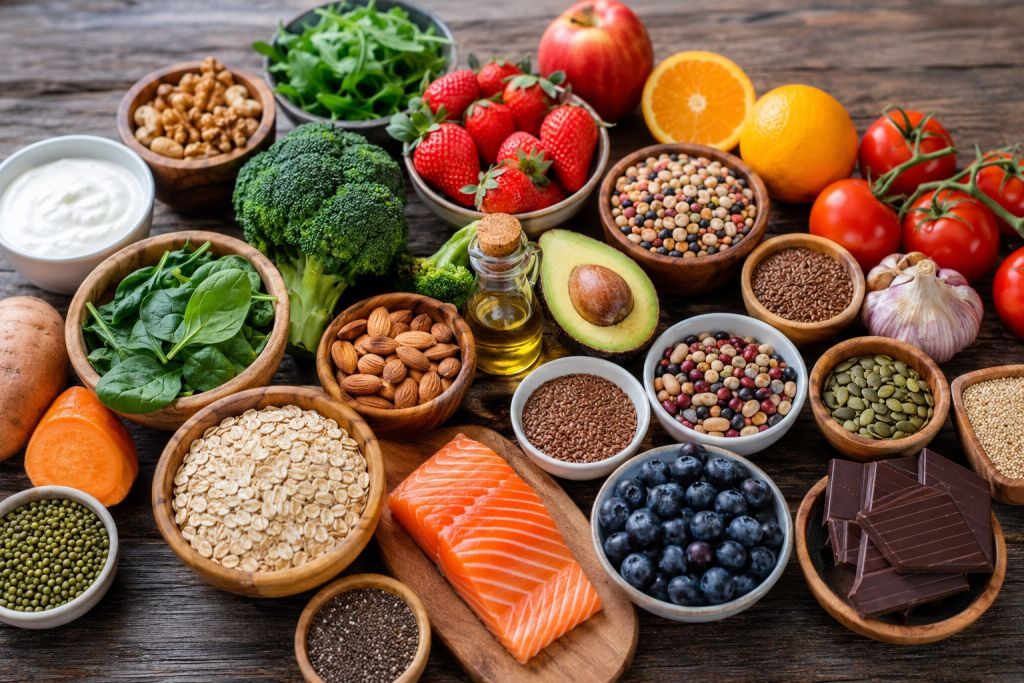
When it comes to improving your health, you don’t need expensive supplements or complicated diets. Often, the most powerful tools for better health are already available at your local grocery store. Choosing the right foods can help support your heart, brain, bones, immune system, and overall well-being.
These 30 super foods for a healthier you provide essential vitamins, minerals, antioxidants, healthy fats, and fiber that your body needs to function at its best.
For adults over 40 and seniors, eating nutrient-rich foods becomes even more important. As we age, our nutritional needs change, and making smart food choices can support healthy aging and improve quality of life.
In this guide, you’ll discover the best superfoods, their health benefits, and practical ways to include them in your everyday meals.
Why This Topic Matters
Americans are living longer, but many adults struggle with chronic conditions such as high blood pressure, obesity, heart disease, and type 2 diabetes.
According to the U.S. Centers for Disease Control and Prevention, lifestyle habits—including nutrition—play a major role in long-term health. Eating nutrient-dense foods consistently can help support healthy aging and reduce risk factors for many chronic diseases.
Rather than focusing on restrictive diets, adding more superfoods to your plate is a realistic and sustainable approach.
What Makes a Food a Superfood?
There is no official scientific definition of “superfood.” However, the term generally refers to foods that are exceptionally rich in nutrients and offer multiple health benefits.
Most superfoods contain:
- High amounts of vitamins and minerals
- Antioxidants that protect cells
- Fiber for digestive health
- Healthy fats
- Plant compounds linked to wellness
- Relatively low amounts of added sugar and unhealthy fats
The best super foods for a healthier you are whole, minimally processed foods.
30 Super Foods for a Healthier You
1. Blueberries
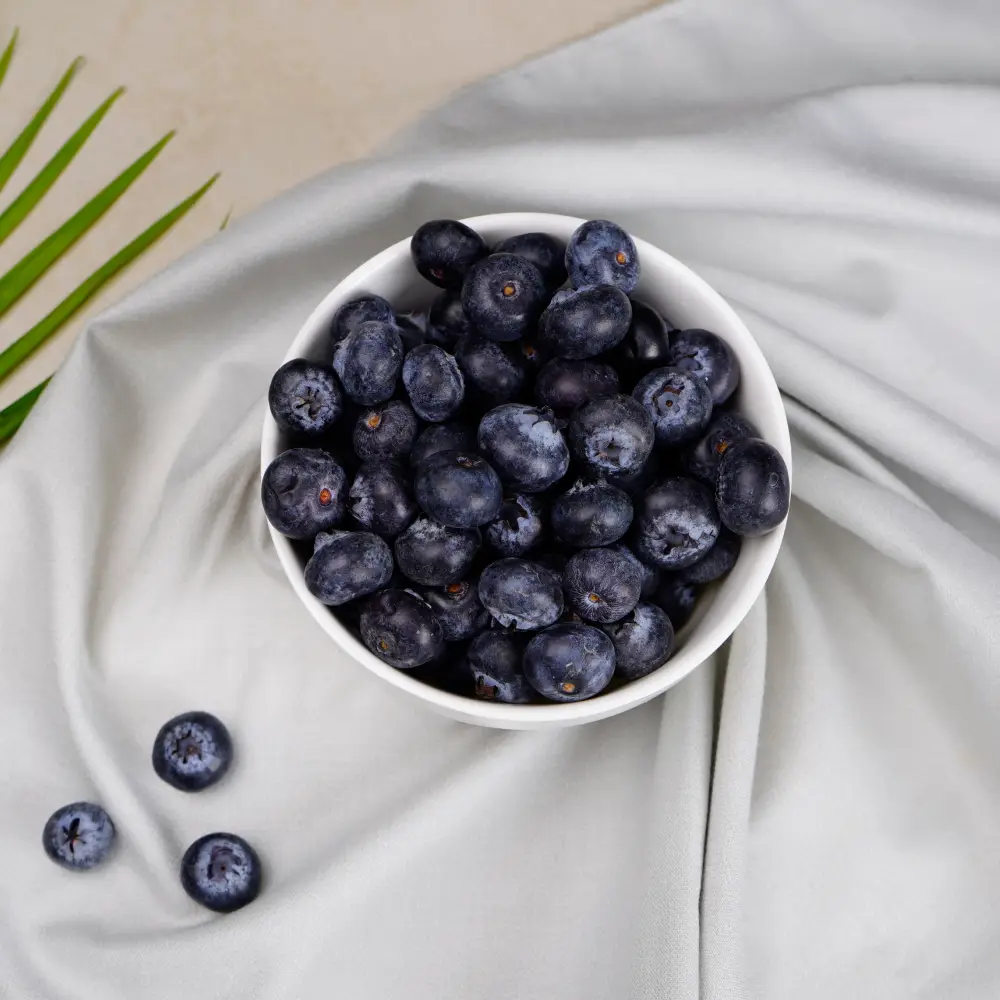
Blueberries are often called nature’s candy.
Benefits
- Rich in antioxidants
- Supports brain health
- May help reduce inflammation
- Supports heart health
Easy Ways to Eat
- Add to oatmeal
- Blend into smoothies
- Mix into yogurt
2. Salmon
Salmon is one of the best sources of omega-3 fatty acids.
Benefits
- Supports heart health
- Promotes brain function
- May reduce inflammation
Choose wild-caught salmon when possible.
3. Spinach
Spinach provides vitamins A, C, K, folate, iron, and magnesium.
Benefits
- Supports bone health
- Helps maintain healthy vision
- Provides antioxidants
4. Avocados
Avocados contain healthy monounsaturated fats.
Benefits
- Supports heart health
- Helps keep you full longer
- Provides potassium and fiber
5. Greek Yogurt
Greek yogurt offers protein, calcium, and probiotics.
Benefits
- Supports digestive health
- Helps maintain muscle mass
- Promotes bone strength
Choose plain varieties with little or no added sugar.
6. Walnuts
Walnuts provide healthy fats and plant-based omega-3s.
Benefits
- Supports brain health
- May improve heart health
- Rich in antioxidants
7. Oats
Oats are among the most affordable superfoods.
Benefits
- Supports healthy cholesterol levels
- Rich in fiber
- Promotes fullness
8. Broccoli
Broccoli is packed with nutrients.
Benefits
- Rich in vitamin C
- Supports immune health
- Contains beneficial plant compounds
9. Eggs
Eggs provide high-quality protein and important nutrients.
Benefits
- Supports muscle health
- Contains choline for brain function
- Helps keep you satisfied
10. Sweet Potatoes
Sweet potatoes are rich in beta-carotene.
Benefits
- Supports eye health
- Provides fiber
- Rich in potassium
11. Beans
Beans are nutritional powerhouses.
Examples include:
- Black beans
- Kidney beans
- Pinto beans
- Chickpeas
Benefits
- High in fiber
- Supports heart health
- Affordable source of protein
12. Almonds
Almonds offer protein, vitamin E, and healthy fats.
Benefits
- Supports heart health
- May help manage hunger
- Provides magnesium
13. Tomatoes
Tomatoes contain lycopene, a powerful antioxidant.
Benefits
- Supports heart health
- May support healthy aging
Cooked tomatoes often provide more absorbable lycopene.
14. Garlic
Garlic has been used for centuries in cooking and wellness.
Benefits
- Contains beneficial sulfur compounds
- Supports immune health
15. Olive Oil
Extra virgin olive oil is a cornerstone of the Mediterranean diet.
Benefits
- Supports cardiovascular health
- Rich in antioxidants
Use it in salad dressings and cooking.
16. Chia Seeds
Chia seeds are tiny but nutrient-dense.
Benefits
- High in fiber
- Rich in omega-3 fats
- Supports digestive health
17. Flaxseeds
Flaxseeds contain fiber and lignans.
Benefits
- Supports digestive health
- Rich in plant nutrients
Ground flaxseeds are easier to digest.
18. Apples
The old saying “an apple a day” remains relevant.
Benefits
- High in fiber
- Supports gut health
- Convenient snack
19. Oranges
Oranges are well known for vitamin C.
Benefits
- Supports immune function
- Helps with hydration
20. Dark Leafy Greens
Examples include:
- Kale
- Swiss chard
- Collard greens
Benefits
- Rich in vitamins and minerals
- Supports bone health
21. Lentils
Lentils are nutritious and budget-friendly.
Benefits
- Excellent source of fiber
- Supports heart health
- Rich in plant protein
22. Quinoa
Quinoa is a complete protein.
Benefits
- Gluten-free
- High in protein
- Rich in magnesium
23. Green Tea
Green tea contains beneficial antioxidants.
Benefits
- Supports overall wellness
- Low-calorie beverage option
24. Berries
Strawberries, raspberries, and blackberries all qualify as superfoods.
Benefits
- Rich in antioxidants
- High in fiber
25. Mushrooms
Mushrooms provide unique nutrients.
Benefits
- Low in calories
- Contains antioxidants
- Supports immune function
26. Pumpkin Seeds
Pumpkin seeds are rich in magnesium and zinc.
Benefits
- Supports immune health
- Good source of protein
27. Sardines
Sardines are nutrient-dense and affordable.
Benefits
- Rich in omega-3s
- Excellent calcium source
28. Fermented Foods
Examples include:
- Kefir
- Sauerkraut
- Kimchi
Benefits
- Supports gut health
- Provides beneficial bacteria
29. Dark Chocolate
Good news for chocolate lovers.
Choose dark chocolate containing at least 70% cocoa.
Benefits
- Rich in antioxidants
- May support heart health
Consume in moderation.
30. Water
Water may not technically be a food, but it is essential.
Benefits
- Supports every body system
- Helps maintain energy
- Promotes healthy digestion
Scientific and Practical Explanation: How Superfoods Support Health
Superfoods work because they provide nutrients your body needs every day.
| Nutrient | Function | Food Sources |
|---|---|---|
| Fiber | Digestive and heart health | Oats, beans, apples |
| Omega-3 fats | Brain and heart support | Salmon, walnuts |
| Antioxidants | Protect cells | Berries, spinach |
| Protein | Muscle maintenance | Eggs, yogurt |
| Calcium | Bone health | Yogurt, sardines |
| Potassium | Blood pressure support | Avocados, sweet potatoes |
Research continues to show that dietary patterns rich in fruits, vegetables, whole grains, nuts, and healthy fats are associated with better long-term health outcomes.
Helpful resources:
- National Institutes of Health: https://www.nih.gov
- U.S. Department of Agriculture Nutrition Guidelines: https://www.myplate.gov
- American Heart Association: https://www.heart.org
Best Tips for Adding Super Foods to Your Daily Diet
Start Small
Don’t overhaul your entire diet overnight.
Try adding:
- One extra serving of vegetables daily
- A handful of nuts as a snack
- Berries at breakfast
Build Balanced Plates
Aim for:
- Half vegetables and fruits
- One-quarter lean protein
- One-quarter whole grains
Keep Healthy Foods Visible
Place:
- Fruit on the counter
- Nuts in easy-to-reach containers
- Cut vegetables in the refrigerator
Meal Prep Weekly
Preparing healthy foods ahead of time increases the likelihood you’ll eat them.
Focus on Consistency
Eating superfoods regularly matters more than occasional “perfect” meals.
Common Mistakes to Avoid
Assuming One Food Can Fix Everything
No single food guarantees perfect health.
A balanced eating pattern matters most.
Buying Only Expensive Foods
Many affordable foods qualify as superfoods, including:
- Oats
- Beans
- Eggs
- Lentils
- Frozen vegetables
Ignoring Portion Sizes
Even healthy foods should be eaten in appropriate portions.
Choosing Highly Processed Versions
Avoid products heavily loaded with:
- Added sugars
- Excess sodium
- Artificial ingredients
Forgetting Hydration
Nutrition and hydration go together.
Who Should Be Careful?
Some individuals should consult their healthcare provider before making major dietary changes.
This includes people who:
- Take blood-thinning medications
- Have kidney disease
- Have severe food allergies
- Have digestive disorders
- Follow medically prescribed diets
For example, foods high in vitamin K, such as spinach and kale, may affect certain medications.
Disclaimer: This article is for educational purposes only and is not intended as medical advice. Always consult a qualified healthcare professional regarding your personal health needs.
Frequently Asked Questions
What are the top super foods for a healthier you?
Blueberries, salmon, leafy greens, nuts, oats, beans, yogurt, and olive oil are among the most nutrient-dense choices.
Can superfoods prevent disease?
No food can guarantee disease prevention. However, a healthy dietary pattern rich in superfoods may support overall health and reduce certain risk factors.
How often should I eat superfoods?
Aim to include several superfoods in your meals every day.
Are frozen fruits and vegetables healthy?
Yes. Frozen produce often retains most of its nutrients and can be an affordable option.
Are superfoods expensive?
Not necessarily. Oats, beans, eggs, lentils, apples, and frozen vegetables are affordable and nutritious.
Which superfoods are best for seniors?
Seniors may benefit from foods rich in protein, calcium, fiber, and healthy fats, including yogurt, salmon, beans, leafy greens, and berries.
Final Thoughts
The journey toward better health doesn’t require perfection. Small, consistent choices can make a meaningful difference over time.
Adding these 30 super foods for a healthier you to your regular eating routine can help support healthy aging, boost nutrient intake, and improve overall wellness.
Start with two or three foods you enjoy most. Over time, those simple habits can become part of a healthier lifestyle that supports you for years to come.
Also Read –
10 Essential Vitamins and Supplements for Elderly People
Downsizing Your Home After 55: What to Know
How to Improve Communication with Adult Children
Written by
Kanhaiya Solanki is a dedicated online researcher, content writer, and blogger passionate about publishing high-quality, research-based articles. His goal is to provide accurate, easy-to-understand, and practical information on health, technology, senior care, and lifestyle topics for readers worldwide.