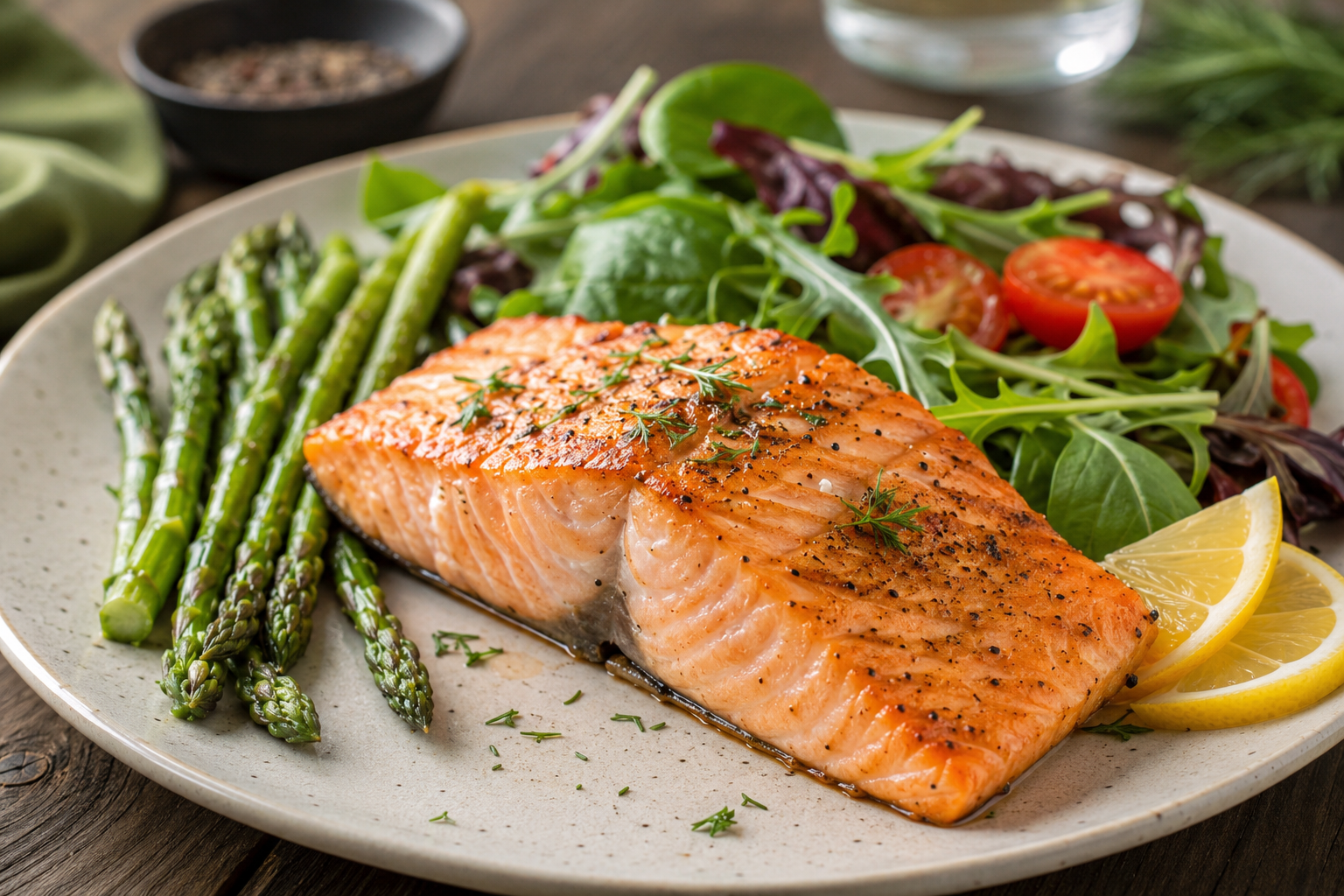
The top Salmon benefits, nutrition facts, health advantages, cooking tips, and how to choose the best salmon for a healthy lifestyle.
Salmon has earned its reputation as one of the healthiest foods you can add to your plate. Whether you’re trying to protect your heart, stay mentally sharp, build muscle, or simply enjoy delicious meals, salmon delivers impressive nutrition in every serving.
For adults over 40 and seniors, eating salmon regularly can be a simple way to support healthy aging. It’s packed with high-quality protein, heart-friendly omega-3 fatty acids, important vitamins, and essential minerals that help your body function at its best.
Unlike many trendy “superfoods,” salmon has decades of scientific research supporting its health benefits. Medical organizations and nutrition experts consistently recommend eating fatty fish like salmon as part of a balanced diet.
In this guide, you’ll learn everything you need to know about salmon, including its nutrition, proven health benefits, different varieties, buying tips, and the healthiest ways to prepare it.
Why Salmon Matters for Your Health
Modern diets often contain too much processed food and not enough nutrient-rich protein. Many Americans also don’t get enough omega-3 fatty acids, which play an important role in heart, brain, and joint health.
Adding salmon to your weekly meal plan can help fill these nutritional gaps.
Some of the biggest reasons salmon deserves a place on your menu include:
- Rich source of omega-3 fatty acids
- Excellent source of complete protein
- Naturally high in vitamin D
- Provides vitamin B12 for healthy nerves
- Supports healthy muscles
- May promote healthy brain function
- Helps maintain eye health
- Contains powerful antioxidants
- Fits into many healthy eating patterns
- Easy to prepare in countless ways
For many families, salmon offers the rare combination of excellent nutrition and outstanding flavor.
What Is Salmon?
Salmon is a popular oily fish found in both the Atlantic and Pacific Oceans. It spends part of its life in freshwater rivers before migrating to the ocean and later returning to freshwater to spawn.
Several species are commonly sold in grocery stores throughout the United States.
These include:
| Salmon Type | Flavor | Texture | Best Uses |
|---|---|---|---|
| Atlantic Salmon | Mild | Tender | Baking, grilling |
| Sockeye Salmon | Rich | Firm | Grilling, roasting |
| Coho Salmon | Mild | Medium | Pan-searing |
| Chinook (King) Salmon | Buttery | Very rich | Premium meals |
| Pink Salmon | Light | Soft | Salads, sandwiches |
| Chum Salmon | Mild | Firm | Smoking, baking |
Each variety offers valuable nutrients, although flavor, texture, and fat content vary slightly.
Salmon Nutrition Facts
A 3.5-ounce (100-gram) cooked serving of salmon provides approximately:
| Nutrient | Amount |
|---|---|
| Calories | 200–210 |
| Protein | 22–25 g |
| Total Fat | 12–13 g |
| Omega-3 Fatty Acids | 2–2.5 g |
| Carbohydrates | 0 g |
| Vitamin D | About 70% of Daily Value |
| Vitamin B12 | Over 100% of Daily Value |
| Selenium | About 75% of Daily Value |
| Potassium | Around 10% of Daily Value |
| Niacin | About 50% of Daily Value |
These numbers vary depending on the species and cooking method, but salmon remains one of the most nutrient-dense protein choices available.
Top Salmon Benefits for Your Health
1. Salmon Supports Heart Health
One of the biggest reasons doctors recommend salmon is its heart-friendly fat profile.
Salmon contains omega-3 fatty acids EPA and DHA, which have been widely studied for their role in supporting cardiovascular health.
Research suggests these healthy fats may help:
- Support healthy triglyceride levels
- Promote healthy blood vessel function
- Support normal blood pressure when combined with a healthy lifestyle
- Reduce inflammation
- Improve overall cardiovascular wellness
Replacing processed meats with salmon several times each week can be a smart step toward better heart health.
2. Salmon Is an Excellent Source of High-Quality Protein
Protein becomes even more important as we age.
Adults naturally lose muscle mass over time, making adequate protein intake essential.
A single serving of salmon provides over 20 grams of complete protein, containing all nine essential amino acids.
Protein helps support:
- Muscle maintenance
- Recovery after exercise
- Healthy immune function
- Tissue repair
- Bone strength
- Healthy metabolism
For older adults, spreading protein intake throughout the day may help maintain muscle health.
3. Salmon Supports Brain Function
The brain contains a high concentration of healthy fats.
Omega-3 fatty acids found in salmon contribute to normal brain structure and function.
Eating salmon regularly as part of a balanced diet may help support:
- Memory
- Learning
- Focus
- Healthy cognitive aging
While no single food prevents memory loss, a diet rich in fish has consistently been associated with better brain health.
4. Salmon Promotes Eye Health
Healthy vision depends on many nutrients, including omega-3 fats.
Salmon also contains antioxidants like astaxanthin, along with vitamin A and other nutrients that contribute to normal eye function.
Many eye specialists encourage diets rich in fish because they support overall eye health throughout life.
5. Salmon Helps Maintain Strong Bones
Bone health becomes increasingly important after age 40.
Salmon naturally provides:
- Vitamin D
- Phosphorus
- Protein
Vitamin D helps the body absorb calcium more effectively, making salmon especially valuable for people who don’t get enough sunlight.
6. Salmon May Help Reduce Inflammation
Inflammation is a natural process that helps the body heal. However, long-term inflammation has been linked to many chronic diseases.
Omega-3 fatty acids are known for supporting a healthy inflammatory response.
Combined with fruits, vegetables, whole grains, and regular exercise, salmon fits well into an anti-inflammatory eating pattern.
7. Salmon Supports Healthy Skin
Healthy skin starts with proper nutrition.
The healthy fats in salmon help support the skin’s natural moisture barrier.
Its protein also contributes to collagen production, while antioxidants help protect cells from everyday environmental stress.
Many people notice healthier-looking skin when following an overall nutrient-rich eating plan.
8. Salmon Supports Healthy Weight Management
Despite containing healthy fats, salmon is satisfying and relatively moderate in calories.
Protein increases fullness, helping many people stay satisfied longer after meals.
This makes salmon an excellent option for:
- Weight management
- High-protein diets
- Mediterranean-style eating
- Lower-carbohydrate meal plans
Instead of fried foods, try grilled or baked salmon with vegetables.
9. Salmon Supports Immune Health
Your immune system depends on many nutrients working together.
Salmon contributes:
- Vitamin D
- Selenium
- Zinc (small amounts)
- Protein
- Vitamin B12
Together, these nutrients support normal immune function.
10. Salmon Supports Healthy Aging
Healthy aging isn’t about one miracle food.
It’s about consistently eating nutrient-rich meals over many years.
Salmon fits perfectly into this approach because it offers:
- Healthy fats
- Lean protein
- Vitamins
- Minerals
- Antioxidants
Combined with exercise, sleep, and stress management, salmon can be part of a long-term wellness plan.
How Salmon Supports Healthy Aging
As adults grow older, nutritional needs change.
Muscle loss, reduced bone density, slower metabolism, and changing heart health become common concerns.
Salmon addresses many of these issues simultaneously.
Benefits for older adults include:
- Supports muscle preservation
- Encourages heart-healthy eating
- Helps maintain mobility through protein intake
- Supports healthy brain aging
- Provides vitamin D for bone health
- Easy to chew compared to many meats
- Quick to prepare for convenient meals
Many dietitians recommend including fish like salmon at least twice each week as part of a healthy dietary pattern.
Wild Salmon vs. Farmed Salmon
One of the most common questions shoppers ask is whether wild salmon is healthier than farmed salmon.
Here’s a quick comparison.
| Feature | Wild Salmon | Farmed Salmon |
|---|---|---|
| Calories | Lower | Slightly higher |
| Fat | Lower | Higher |
| Omega-3 | High | Also high |
| Flavor | Rich | Mild |
| Price | Higher | More affordable |
| Availability | Seasonal | Year-round |
Wild salmon tends to be leaner, while farmed salmon often contains slightly more healthy fats because of its diet.
Both can be nutritious choices when purchased from reputable sources.
For many families, affordability and consistency make farmed salmon a practical option.
Which Type of Salmon Is Best?
The best salmon depends on your goals.
Best for Rich Flavor
- King (Chinook) Salmon
Best Value
- Atlantic Salmon
Best for Grilling
- Sockeye Salmon
Best for Meal Prep
- Coho Salmon
Best Budget Choice
- Pink Salmon
Best for Salads
- Canned Salmon
If your goal is simply eating more healthy fish, choosing the type you’ll enjoy regularly matters more than selecting the “perfect” variety.
How to Buy Fresh Salmon
Fresh salmon should look vibrant and smell clean.
When shopping, look for:
- Bright pink or orange color
- Firm flesh
- Moist appearance
- Mild ocean smell
- No strong fishy odor
- Well-chilled display
Frozen salmon can also be an excellent option because it’s often frozen shortly after being caught, helping preserve quality and nutrients.
Best Ways to Cook Salmon
Cooking salmon doesn’t have to be complicated.
Healthy preparation methods include:
Baking
Easy, consistent, and perfect for beginners.
Grilling
Adds smoky flavor while requiring little added fat.
Air Frying
Creates a lightly crisp exterior in less time.
Broiling
Produces restaurant-style results quickly.
Pan-Searing
Creates a flavorful crust while keeping the inside moist.
Poaching
A gentle cooking method that keeps salmon tender.
Healthy seasonings include:
- Lemon
- Garlic
- Black pepper
- Dill
- Parsley
- Rosemary
- Paprika
- Olive oil
Avoid heavy breading or deep frying if your goal is maximizing the health benefits of salmon.
Common Cooking Mistakes to Avoid
Even high-quality salmon can become dry or lose its appeal if cooked improperly.
Watch out for these common mistakes:
- Overcooking until dry
- Using excessive salt
- Covering the fish with heavy cream sauces
- Cooking at extremely high heat for too long
- Forgetting to remove pin bones
- Skipping a meat thermometer if you’re unsure of doneness
- Not allowing the fish to rest for a few minutes after cooking
Perfectly cooked salmon should be moist, flaky, and tender rather than dry or tough.
Best Ways to Eat Salmon for Maximum Health Benefits
Eating salmon regularly is one of the easiest ways to add more high-quality protein and healthy fats to your diet. The key is preparing it in ways that preserve its nutrients while keeping added sodium, sugar, and unhealthy fats to a minimum.
Healthy cooking methods include:
- Baking
- Grilling
- Broiling
- Air frying
- Poaching
- Steaming
- Pan-searing with a small amount of olive oil
Pair salmon with nutrient-rich side dishes to create a balanced meal. Good options include:
- Roasted broccoli
- Steamed asparagus
- Green beans
- Brussels sprouts
- Mixed salad greens
- Brown rice
- Quinoa
- Sweet potatoes
- Wild rice
- Whole-grain pasta
Flavor salmon with herbs and spices instead of heavy sauces. Fresh lemon juice, garlic, dill, parsley, rosemary, thyme, paprika, and black pepper all complement salmon beautifully.
How Much Salmon Should You Eat Each Week?
One of the most common questions people ask is, “How often should I eat salmon?”
The American Heart Association recommends eating at least two servings of fish per week, especially fatty fish like salmon. A serving is generally about 3 to 4 ounces cooked, roughly the size of a deck of cards.
For most healthy adults, enjoying salmon two or three times each week fits well into a balanced eating plan.
Suggested Weekly Intake
| Age Group | Recommended Amount |
|---|---|
| Adults | 2 servings per week |
| Adults over 50 | 2–3 servings per week |
| Active adults | 2–3 servings per week as part of protein intake |
| Children | Smaller age-appropriate portions based on pediatric guidance |
Individual nutritional needs vary. If you have kidney disease, severe food allergies, or other medical conditions requiring dietary restrictions, consult your healthcare provider or a registered dietitian.
Is Canned Salmon a Healthy Choice?
Absolutely. Canned salmon is often overlooked, but it offers many of the same nutritional benefits as fresh or frozen salmon.
Benefits of canned salmon include:
- Affordable
- Shelf-stable
- High in protein
- Rich in omega-3 fatty acids
- Convenient for quick meals
- Often contains edible soft bones that provide calcium
Choose varieties packed in water whenever possible if you’re watching calories or sodium. If selecting canned salmon with added salt, compare labels and choose lower-sodium options when available.
Fresh, Frozen, or Canned: Which Is Best?
Many shoppers assume fresh salmon is always the healthiest option. In reality, all three forms can be nutritious.
| Type | Advantages | Considerations |
|---|---|---|
| Fresh Salmon | Excellent texture and flavor | Use within a day or two |
| Frozen Salmon | Convenient and often frozen at peak freshness | Thaw safely before cooking |
| Canned Salmon | Budget-friendly and ready to eat | Check sodium content |
The best choice is the one you’ll prepare and enjoy consistently.
Delicious Salmon Meal Ideas
If you’re trying to eat more salmon, variety helps keep meals interesting.
Breakfast Ideas
- Whole-grain toast topped with avocado and smoked salmon
- Vegetable omelet with flaked cooked salmon
- Salmon breakfast bowl with spinach and eggs
Lunch Ideas
- Grilled salmon salad with mixed greens
- Salmon wrap using a whole-wheat tortilla
- Salmon quinoa bowl with roasted vegetables
- Canned salmon mixed with Greek yogurt, celery, and herbs for a healthier salad
Dinner Ideas
- Lemon garlic baked salmon with asparagus
- Grilled salmon served with quinoa and broccoli
- Honey mustard salmon with roasted sweet potatoes
- Mediterranean salmon with tomatoes, olives, and spinach
- Air-fried salmon with brown rice and green beans
Healthy Snacks
- Whole-grain crackers with salmon spread
- Salmon cucumber bites
- Leftover salmon added to a small salad
Meal Prep Tips for Busy Weeks
Salmon works well for meal prepping because it cooks quickly and stores well.
Try these tips:
- Bake several fillets at once.
- Store cooked salmon in airtight containers.
- Refrigerate leftovers promptly.
- Pair with different vegetables throughout the week.
- Freeze individual portions for later meals.
- Add leftover salmon to salads, soups, or grain bowls.
Prepared properly, cooked salmon generally keeps in the refrigerator for up to three to four days.
What Foods Pair Well with Salmon?
A balanced plate makes salmon even more nutritious.
Great vegetable choices include:
- Broccoli
- Kale
- Spinach
- Zucchini
- Carrots
- Cauliflower
- Bell peppers
- Green beans
- Brussels sprouts
Healthy carbohydrate options include:
- Brown rice
- Wild rice
- Quinoa
- Sweet potatoes
- Barley
- Whole-grain bread
Healthy fats include:
- Avocado
- Olive oil
- Walnuts
- Pumpkin seeds
Combining these foods provides fiber, vitamins, minerals, and healthy fats that support overall wellness.
Common Mistakes People Make When Eating Salmon
Even healthy foods can become less nutritious depending on how they’re prepared.
Avoid these common mistakes:
Eating Deep-Fried Salmon Frequently
Deep frying adds extra calories and saturated fat that may reduce some of the health advantages.
Overcooking the Fish
Dry salmon loses much of its appealing texture. Cook until it flakes easily but remains moist.
Ignoring Portion Sizes
While salmon is nutrient-dense, balance is still important. Extremely large portions add unnecessary calories.
Choosing Highly Processed Salmon Products
Breaded frozen patties, heavily salted smoked salmon, and processed salmon meals may contain more sodium and additives than plain salmon fillets.
Forgetting Food Safety
Always keep salmon refrigerated and cook it to a safe internal temperature.
Who Should Be Careful When Eating Salmon?
Although salmon is a healthy food for most people, it isn’t the right choice for everyone.
People With Fish Allergies
Anyone with a diagnosed fish allergy should avoid salmon completely unless advised otherwise by an allergy specialist.
Individuals Following Special Medical Diets
Some health conditions require adjustments to protein, phosphorus, or sodium intake. Your healthcare provider can help determine whether salmon fits into your eating plan.
Those Watching Sodium Intake
Smoked, cured, or heavily seasoned salmon products may contain significant amounts of sodium. Read nutrition labels carefully if you’re limiting salt.
Pregnant and Breastfeeding Women
Salmon is generally considered a good seafood choice because it is relatively low in mercury compared with many larger fish. However, it’s still important to follow current seafood guidance regarding serving sizes and preparation.
Does Salmon Contain Mercury?
Mercury is a naturally occurring element that can accumulate in certain fish. Larger predatory fish tend to contain the highest levels.
The good news is that salmon is considered a low-mercury fish, making it one of the seafood options commonly recommended as part of a healthy diet.
Fish that generally contain much higher mercury levels include:
- Shark
- Swordfish
- King mackerel
- Tilefish (from the Gulf of America/Gulf of Mexico)
Choosing salmon instead of these higher-mercury fish allows many people to enjoy the nutritional benefits of seafood while keeping mercury exposure relatively low.
Safe Handling and Storage Tips
Proper food handling helps reduce the risk of foodborne illness.
Follow these simple practices:
- Keep salmon refrigerated at 40°F (4°C) or below.
- Use fresh salmon within one to two days of purchase or freeze it.
- Thaw frozen salmon in the refrigerator, not on the kitchen counter.
- Wash hands, utensils, and cutting boards after handling raw fish.
- Cook salmon to an internal temperature of 145°F (63°C), as recommended by U.S. food safety guidelines.
- Refrigerate leftovers within two hours of cooking.
- Reheat leftovers thoroughly before eating.
Practicing safe food handling ensures you enjoy salmon at its best while reducing unnecessary health risks.
Frequently Asked Questions About Salmon
1. Is salmon healthy to eat every week?
Yes. For most healthy adults, eating salmon two to three times per week can be part of a balanced diet. Salmon provides high-quality protein, omega-3 fatty acids, vitamin D, and vitamin B12. Variety is still important, so include other nutritious protein sources such as beans, poultry, eggs, and other fish throughout the week.
2. Is wild salmon healthier than farmed salmon?
Both wild and farmed salmon can be nutritious choices. Wild salmon is typically leaner and may have slightly fewer calories, while farmed salmon often contains more healthy fats, including omega-3s. The best choice depends on your budget, availability, and personal preference. Eating salmon regularly is generally more important than choosing one type over the other.
3. Can salmon help with heart health?
Research suggests that eating fatty fish like salmon as part of an overall healthy eating pattern may support heart health because it contains omega-3 fatty acids. However, salmon is not a treatment for heart disease and should be combined with regular physical activity, adequate sleep, and other healthy lifestyle habits.
4. Is salmon good for weight management?
Yes. Salmon is rich in protein, which can help you feel satisfied after meals. Pairing salmon with vegetables, whole grains, and healthy fats can create filling meals that fit into many weight-management plans.
5. Can people with diabetes eat salmon?
Many people with diabetes can include salmon as part of a balanced meal plan because it contains protein and healthy fats without carbohydrates. Individual nutritional needs vary, so it’s best to follow the guidance of your healthcare provider or registered dietitian.
6. What’s the healthiest way to cook salmon?
Baking, grilling, broiling, steaming, poaching, and air frying are among the healthiest cooking methods. These techniques preserve flavor while limiting the need for excessive added fats.
7. Is canned salmon as healthy as fresh salmon?
Yes. Canned salmon is an excellent source of protein and omega-3 fatty acids. It is also convenient, affordable, and has a long shelf life. Compare labels and choose lower-sodium options when possible.
8. Can seniors benefit from eating salmon?
Many older adults can benefit from including salmon in a balanced diet. Its high-quality protein supports muscle maintenance, while vitamin D and omega-3 fatty acids contribute to overall health during aging.
9. How should salmon be stored?
Fresh salmon should be refrigerated and cooked within one to two days or frozen for later use. Cooked salmon should be refrigerated promptly and generally eaten within three to four days.
10. Is salmon considered one of the healthiest fish?
Salmon is widely recognized as one of the most nutrient-dense seafood choices because it combines high-quality protein with heart-healthy omega-3 fatty acids, vitamins, and minerals. Along with other fish, fruits, vegetables, whole grains, and regular exercise, it can be part of a healthy lifestyle.
Final Thoughts: Why Salmon Deserves a Place on Your Plate
Salmon has earned its reputation as one of nature’s most nutritious foods. From supporting heart and brain health to providing high-quality protein and essential vitamins, it offers benefits that can fit almost every stage of adult life.
One of the greatest advantages of salmon is its versatility. Whether you bake it with herbs, grill it for a summer dinner, add canned salmon to a salad, or prepare a quick weeknight meal in the air fryer, it’s easy to enjoy in countless delicious ways.
Remember that no single food can guarantee perfect health. The greatest benefits come from an overall healthy lifestyle that includes a balanced diet, regular physical activity, quality sleep, stress management, and routine medical care.
If you’re looking for a simple, flavorful way to improve your nutrition, adding salmon to your weekly meal plan is a smart place to start.
Disclaimer
This article is intended for educational and informational purposes only. It should not be considered medical advice, diagnosis, or treatment. Nutritional needs vary from person to person. If you have a medical condition, food allergy, or questions about your diet, consult your physician or a registered dietitian before making significant dietary changes.
Trusted Resources
For additional evidence-based information about salmon, seafood, and healthy eating, visit these trusted organizations:
- American Heart Association: https://www.heart.org
- U.S. Food & Drug Administration (FDA): https://www.fda.gov
- U.S. Department of Agriculture (USDA): https://www.myplate.gov
- Academy of Nutrition and Dietetics: https://www.eatright.org
Also Read –
Blueberries: 25 Powerful Health Benefits for a Healthier Life
30 Super Foods for a Healthier You: Eat Better Every Day
10 Best Seated Stretches for Seniors to Improve Flexibility & Mobility
Written by
Kanhaiya Solanki is a dedicated online researcher, content writer, and blogger passionate about publishing high-quality, research-based articles. His goal is to provide accurate, easy-to-understand, and practical information on health, technology, senior care, and lifestyle topics for readers worldwide.