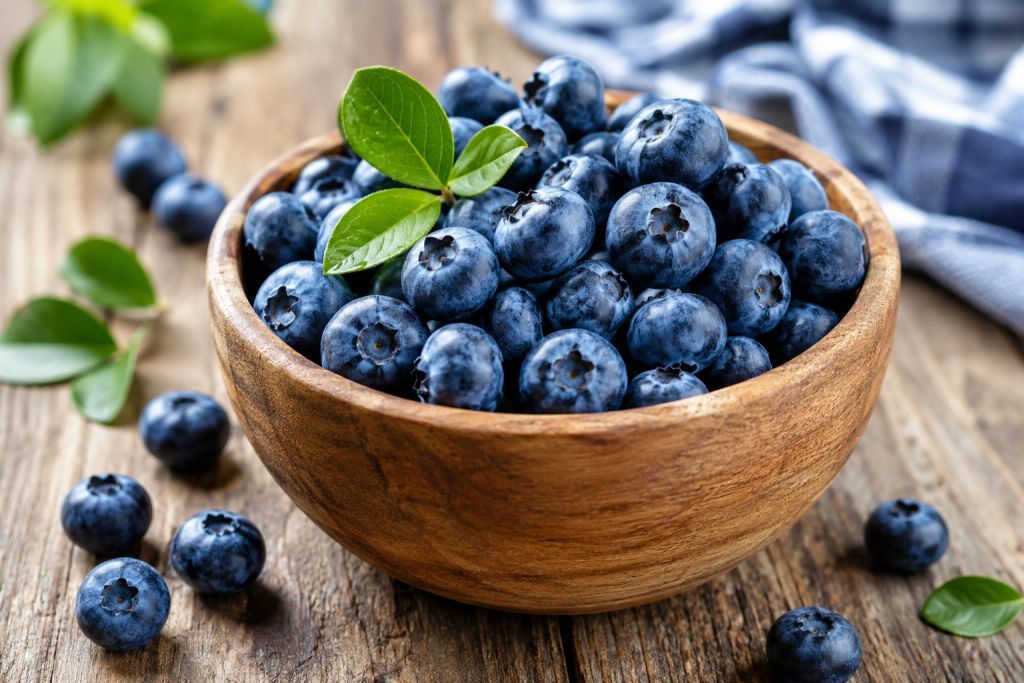
Blueberries have earned their reputation as one of America’s favorite superfoods—and for good reason. These tiny blue berries are packed with nutrients, antioxidants, and natural compounds that may support healthy aging, heart health, brain function, and overall wellness.
Whether you enjoy them fresh in the summer, frozen in smoothies, or sprinkled over oatmeal, blueberries are an easy and delicious way to improve your diet.
In recent years, research on blueberries has exploded, with scientists studying how these berries may help protect against age-related health concerns. For adults over 40 and seniors especially, adding blueberries to daily meals can be a simple lifestyle choice that supports long-term health.
This guide explores everything you need to know about blueberries, including nutrition facts, health benefits, practical tips, common mistakes, safety considerations, and frequently asked questions.
Why Blueberries Matter
Modern American diets often contain too much added sugar, refined carbohydrates, and processed foods. At the same time, many adults do not consume enough fruits and vegetables.
Blueberries offer an easy solution.
These nutrient-dense berries provide:
- Vitamins and minerals
- Dietary fiber
- Antioxidants
- Plant compounds called anthocyanins
- Natural sweetness without added sugar
As people age, maintaining brain health, heart health, and mobility becomes increasingly important. Blueberries may support all of these areas.
According to the United States Department of Agriculture (USDA), blueberries are among the most antioxidant-rich fruits available.
Helpful resources:
- USDA FoodData Central: https://fdc.nal.usda.gov/
- Harvard T.H. Chan School of Public Health: https://www.hsph.harvard.edu/nutritionsource/
Blueberries Nutrition Facts
What Nutrients Are Found in Blueberries?
A one-cup serving (approximately 148 grams) of fresh blueberries contains:
| Nutrient | Amount |
|---|---|
| Calories | 84 |
| Carbohydrates | 21 g |
| Fiber | 3.6 g |
| Protein | 1.1 g |
| Fat | 0.5 g |
| Vitamin C | 24% DV |
| Vitamin K | 36% DV |
| Manganese | 25% DV |
| Potassium | Moderate amount |
Blueberries are naturally low in calories and contain no cholesterol.
Top 25 Health Benefits of Blueberries
1. Blueberries Are Rich in Antioxidants
Blueberries contain powerful antioxidants known as anthocyanins. These compounds help protect cells from oxidative stress.
Oxidative stress is linked with aging and chronic disease.
2. Blueberries May Support Heart Health
Studies suggest that regular blueberry intake may support healthy blood vessel function and circulation.
Heart health becomes increasingly important after age 40.
3. Blueberries May Help Maintain Healthy Blood Pressure

The nutrients and plant compounds found in blueberries may support normal blood pressure when combined with a balanced diet.
4. Blueberries Support Healthy Cholesterol Levels
Research indicates blueberries may help improve cholesterol balance as part of an overall healthy eating pattern.
5. Blueberries Can Promote Brain Health
Many adults worry about memory changes with aging.
Some studies suggest blueberries may help support cognitive function and healthy brain aging.
Can Blueberries Improve Memory?
Research is ongoing, but early findings are promising, especially in older adults.
6. Blueberries Provide Fiber for Digestive Health
Fiber supports regular bowel movements and promotes a healthy digestive system.
7. Blueberries May Support Healthy Blood Sugar Levels
Blueberries contain fiber and beneficial plant compounds.
Despite their natural sweetness, they have a relatively low glycemic impact compared with many processed snacks.
8. Blueberries Can Help With Weight Management
Because blueberries are low in calories and high in fiber, they may help increase fullness.
9. Blueberries Support Immune Health
Vitamin C plays an important role in immune system function.
10. Blueberries May Reduce Inflammation
Chronic inflammation is associated with many age-related health conditions.
The antioxidants in blueberries may help reduce inflammatory stress.
11. Blueberries Support Healthy Aging
Healthy aging involves protecting cells from damage over time.
Blueberries may contribute to this process.
12. Blueberries Promote Skin Health
Vitamin C supports collagen production, which is important for healthy skin.
13. Blueberries May Benefit Eye Health
Antioxidants may help protect eye tissues from oxidative damage.
14. Blueberries Support Bone Health
Vitamin K and manganese contribute to bone maintenance.
15. Blueberries May Enhance Exercise Recovery
Some athletes consume blueberries after workouts due to their antioxidant content.
16. Blueberries Are Naturally Hydrating
Fresh blueberries contain a high percentage of water.
17. Blueberries Are Convenient and Portable
They require little preparation and make excellent snacks.
18. Blueberries May Support Healthy Gut Bacteria
Fiber acts as fuel for beneficial gut microbes.
19. Blueberries Fit Many Eating Patterns
Blueberries work well in:
- Mediterranean diets
- DASH diets
- Plant-based diets
- Low-sodium diets
20. Blueberries May Help Reduce Cravings
Natural sweetness can satisfy dessert cravings.
21. Blueberries Are Easy for Seniors to Eat
Soft texture makes them ideal for older adults.
22. Blueberries Are Versatile in Cooking
You can enjoy blueberries in both sweet and savory recipes.
23. Frozen Blueberries Are Nutritious Too
Frozen blueberries retain much of their nutritional value.
24. Blueberries Are Widely Available in the USA
Most grocery stores carry fresh and frozen options year-round.
25. Blueberries Encourage Healthier Snacking Habits
Replacing processed snacks with blueberries may improve overall dietary quality.
Scientific Explanation: Why Are Blueberries So Healthy?
What Makes Blueberries a Superfood?
The key compounds include:
Anthocyanins
Anthocyanins give blueberries their deep blue color.
Potential benefits include:
- Cellular protection
- Reduced oxidative stress
- Support for blood vessel health
Flavonoids
Blueberries contain flavonoids associated with cardiovascular and brain health.
Fiber
Dietary fiber supports:
- Digestive health
- Blood sugar control
- Satiety
Vitamins and Minerals
Blueberries provide essential nutrients needed for daily functioning.
Best Ways to Eat Blueberries
How Can You Add More Blueberries to Your Diet?
Here are practical ideas:
Breakfast
- Add blueberries to oatmeal.
- Stir into yogurt.
- Top whole-grain cereal.
- Blend into smoothies.
Lunch
- Toss into salads.
- Add to cottage cheese.
Dinner
- Pair with grilled chicken salads.
- Use in homemade sauces.
Snacks
- Eat fresh blueberries alone.
- Freeze them for a refreshing treat.
Healthy Dessert Ideas
- Blueberry parfait
- Blueberry chia pudding
- Fresh fruit bowl
Practical Tips for Buying and Storing Blueberries
How Do You Choose the Best Blueberries?
Look for berries that are:
- Firm
- Dry
- Deep blue in color
- Free from mold
Avoid berries that appear shriveled or leaking juice.
Storage Tips
- Refrigerate immediately.
- Wash just before eating.
- Freeze extras for later use.
Common Mistakes to Avoid When Eating Blueberries
1. Adding Too Much Sugar
Avoid covering blueberries with excessive sugar.
2. Ignoring Portion Sizes
Although healthy, moderation still matters.
3. Relying on Sweetened Blueberry Products
Blueberry muffins, pastries, and sugary juices often contain large amounts of added sugar.
4. Not Eating a Variety of Fruits
Blueberries are nutritious, but variety remains important.
5. Skipping Frozen Blueberries
Frozen options can be just as nutritious and often cost less.
Who Should Be Careful With Blueberries?
Most people can safely enjoy blueberries.
However, certain individuals should exercise caution.
People Taking Blood-Thinning Medications
Blueberries contain vitamin K.
If you take blood-thinning medication, consult your healthcare provider before making significant dietary changes.
Individuals With Fruit Allergies
Although uncommon, blueberry allergies can occur.
People Managing Diabetes
Blueberries can fit into a diabetes-friendly meal plan, but portion control remains important.
Important Disclaimer
This article is intended for educational purposes only and should not replace professional medical advice. Always consult your physician or registered dietitian regarding specific health concerns, medications, or dietary changes.
Frequently Asked Questions About Blueberries
Are blueberries good for seniors?
Yes. Blueberries provide nutrients, fiber, and antioxidants that may support healthy aging.
How many blueberries should I eat daily?
A common serving size is about one cup per day, although individual needs vary.
Are frozen blueberries as healthy as fresh blueberries?
Yes. Frozen blueberries generally retain most of their nutrients.
Can blueberries help with memory?
Some research suggests blueberries may support cognitive health, but more studies are needed.
Are blueberries high in sugar?
Blueberries contain natural sugars but are relatively low in calories and high in fiber.
Can people with diabetes eat blueberries?
Many individuals with diabetes can include blueberries in their meal plans. Speak with a healthcare provider for personalized guidance.
Are blueberries anti-inflammatory?
Blueberries contain antioxidants that may help reduce oxidative and inflammatory stress.
Final Thoughts
Blueberries truly deserve their reputation as a nutritional powerhouse. These small berries deliver impressive amounts of antioxidants, fiber, vitamins, and beneficial plant compounds.
For adults over 40 and seniors, regularly enjoying blueberries can be a simple, delicious step toward better overall wellness.
Remember that no single food can guarantee perfect health. The greatest benefits come from combining blueberries with a balanced diet, regular physical activity, quality sleep, and routine medical care.
Adding a handful of blueberries to your breakfast tomorrow might be one of the easiest healthy habits you’ll ever start.
Also read –
30 Super Foods for a Healthier You: Eat Better Every Day
Heart Rate Chart for Seniors: 7 Normal Resting Pulse Ranges and Warning Signs
Figs: 21 Powerful Health Benefits for Seniors and Adults
Written by
Kanhaiya Solanki is a dedicated online researcher, content writer, and blogger passionate about publishing high-quality, research-based articles. His goal is to provide accurate, easy-to-understand, and practical information on health, technology, senior care, and lifestyle topics for readers worldwide.