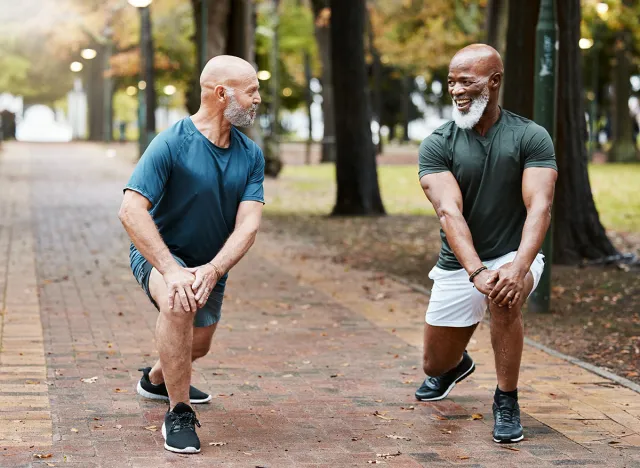
Waking up with stiff joints, tight muscles, or an aching back is something many older adults experience. As we age, our muscles naturally lose flexibility, our joints become less mobile, and even getting out of bed can feel harder than it used to.
The good news is that a simple morning stretching routine can make a big difference.
The best morning stretches for seniors over 60 can help improve flexibility, support balance, reduce discomfort, and boost energy levels without intense exercise. Just a few gentle movements each morning may help you feel looser, steadier, and more prepared for the day ahead.
You do not need expensive equipment or a gym membership. Most stretches can be done right at home using a sturdy chair, a yoga mat, or even the side of your bed.
In this guide, you’ll learn:
- Why morning stretches matter after 60
- The best stretches for flexibility and mobility
- Tips for staying safe while stretching
- Common mistakes seniors should avoid
- Frequently asked questions about stretching after 60
Let’s get started.
Why Morning Stretching Matters After 60
Many seniors notice that their bodies feel especially stiff in the morning. This happens because muscles and joints stay inactive during sleep for several hours.
A gentle stretching routine helps increase blood flow and warm up the body gradually.
Morning stretches may help seniors:
- Improve flexibility
- Reduce muscle tightness
- Support healthy circulation
- Improve posture
- Ease mild joint discomfort
- Increase mobility
- Lower fall risk through better balance
- Feel more energized throughout the day
For many older adults, stretching also becomes a calming morning habit that supports mental wellness.
What Happens to the Body After Age 60?
As the body ages, several natural changes occur:
| Age-Related Change | How It Affects the Body |
|---|---|
| Muscle loss | Reduced strength and flexibility |
| Joint stiffness | Harder movement in the morning |
| Reduced circulation | Slower muscle recovery |
| Poor posture | Increased neck and back tension |
| Reduced balance | Higher fall risk |
That is why low-impact movement becomes increasingly important.
Stretching helps keep muscles active and joints mobile without placing too much stress on the body.
Are Morning Stretches Safe for Seniors?
For most healthy adults over 60, gentle stretching is generally safe.
However, anyone with severe arthritis, recent surgery, osteoporosis, chronic pain, or heart conditions should speak with a healthcare provider before starting a new exercise routine.
A safe stretching routine should never cause sharp pain.
You should feel:
- Mild tension
- Gentle pulling
- Relaxed movement
You should NOT feel:
- Sudden pain
- Dizziness
- Burning sensations
- Joint instability
A simple rule many physical therapists recommend is this: move slowly and listen to your body.
Best Morning Stretches for Seniors Over 60
Below are some of the most effective and beginner-friendly stretches for older adults.
1. Neck Stretch
Many seniors wake up with neck stiffness, especially after sleeping in one position.
How to Do It
- Sit upright in a chair.
- Slowly tilt your head toward your right shoulder.
- Hold for 15–20 seconds.
- Repeat on the other side.
Benefits
- Reduces neck tension
- Improves flexibility
- May help reduce morning headaches caused by tight muscles
Helpful Tip
Avoid rolling the neck in full circles, which may strain the cervical spine.
2. Shoulder Rolls
Shoulder stiffness is common with aging and poor posture.
How to Do It
- Sit or stand comfortably.
- Lift your shoulders upward.
- Roll them backward slowly.
- Repeat 10 times.
- Then roll forward 10 times.
Benefits
- Improves shoulder mobility
- Encourages better posture
- Helps loosen upper back tension
3. Seated Side Stretch
This gentle stretch targets the back, sides, and shoulders.
Steps
- Sit in a sturdy chair.
- Raise your right arm overhead.
- Lean gently to the left.
- Hold for 15 seconds.
- Switch sides.
Why Seniors Like This Stretch
It feels relaxing and helps loosen the torso after sleeping.
4. Cat-Cow Stretch
This classic movement supports spinal flexibility.
How to Do It
- Sit on a chair or kneel on a mat.
- Slowly arch your back while lifting your chest.
- Then round your spine gently.
- Repeat slowly 8–10 times.
Benefits
- Improves spinal mobility
- Helps reduce back stiffness
- Encourages healthy posture
5. Standing Calf Stretch
Tight calves can affect walking balance and stability.
Steps
- Stand facing a wall.
- Place your hands on the wall.
- Step one foot back.
- Keep the heel down.
- Lean forward gently.
Hold for 20 seconds and switch sides.
Benefits
- Improves lower-leg flexibility
- Supports walking comfort
- Helps ankle mobility
6. Hamstring Stretch
Tight hamstrings may contribute to lower back discomfort.
How to Stretch Safely
- Sit near the edge of a chair.
- Extend one leg forward.
- Keep the back straight.
- Lean slightly forward.
Hold for 15–20 seconds.
Benefits
- Improves leg flexibility
- Supports posture
- Helps reduce stiffness
7. Ankle Circles
Ankle mobility becomes increasingly important with age.
Instructions
- Sit comfortably.
- Lift one foot slightly.
- Rotate the ankle slowly in circles.
- Repeat 10 times each direction.
Benefits
- Supports circulation
- Improves balance
- Helps maintain mobility
8. Seated Knee-to-Chest Stretch
This movement gently stretches the hips and lower back.
How to Perform It
- Sit upright.
- Lift one knee toward your chest.
- Hold with both hands.
- Hold for 15 seconds.
Repeat on the opposite side.
Benefits
- Improves hip mobility
- Eases lower back tightness
- Gentle and beginner-friendly
9. Wrist and Finger Stretch
Arthritis and stiffness in the hands are common among seniors.
Steps
- Extend one arm.
- Gently pull back the fingers with the other hand.
- Hold for 10–15 seconds.
Benefits
- Helps finger flexibility
- Supports hand mobility
- Useful for seniors who type, cook, or garden often
10. Gentle Full-Body Reach
This is one of the easiest ways to wake up the body.
How to Do It
- Stand tall.
- Reach both arms overhead.
- Stretch upward slowly.
- Take deep breaths.
Benefits
- Promotes circulation
- Encourages better posture
- Feels energizing in the morning
A Simple 10-Minute Morning Stretch Routine for Seniors
Here is a beginner-friendly routine seniors can follow daily.
| Stretch | Time |
|---|---|
| Neck Stretch | 1 minute |
| Shoulder Rolls | 1 minute |
| Side Stretch | 1 minute |
| Cat-Cow Stretch | 2 minutes |
| Hamstring Stretch | 1 minute |
| Calf Stretch | 1 minute |
| Knee-to-Chest Stretch | 1 minute |
| Ankle Circles | 1 minute |
| Full-Body Reach | 1 minute |
This routine requires little space and no equipment.
What Is the Best Time to Stretch in the Morning?
Many seniors prefer stretching:
- Right after waking up
- After drinking water
- Before breakfast
- Following a short walk around the house
The body is often stiffest during the first hour after waking, making gentle movement especially helpful.
Should Seniors Stretch Every Day?
For most older adults, daily stretching can be beneficial.
Consistency matters more than intensity.
Even 5–10 minutes each morning may provide noticeable improvements over time.
Some seniors report:
- Easier movement
- Less stiffness
- Better posture
- Improved sleep quality
- Greater confidence walking
Results vary from person to person, but regular movement generally supports healthy aging.
Scientific Reasons Stretching Helps Older Adults
Research suggests flexibility exercises may support mobility and physical function in older adults.
Stretching may help by:
- Increasing blood circulation
- Improving joint range of motion
- Supporting muscle elasticity
- Reducing inactivity-related stiffness
Light movement also stimulates synovial fluid, which helps lubricate joints.
This is one reason the body often feels better after gentle motion.
Can Stretching Help With Arthritis?
Stretching cannot cure arthritis, but gentle movement may help reduce stiffness and maintain flexibility.
Many healthcare professionals encourage low-impact activity for older adults with mild arthritis symptoms.
Helpful approaches include:
- Slow movements
- Warm-up exercises
- Chair stretching
- Water exercises
- Light walking
However, seniors experiencing severe pain or inflammation should consult a medical professional before beginning exercise.
Chair Stretches for Seniors With Limited Mobility
Some seniors have difficulty standing for long periods.
Chair stretches are an excellent alternative.
Good Chair-Based Options Include:
- Seated neck stretch
- Shoulder rolls
- Seated side bends
- Wrist stretches
- Seated marches
- Ankle circles
A sturdy chair with arm support may improve comfort and safety.
Morning Stretching and Fall Prevention
Balance and stability become more important after age 60.
Stretching alone does not prevent falls, but it may support mobility and coordination when combined with strength and balance exercises.
Flexible muscles and mobile joints can help improve walking mechanics and posture.
Some seniors also feel more confident moving throughout the day after stretching regularly.
What Should Seniors Eat Before Morning Stretching?
For short stretching sessions, many people stretch before breakfast.
However, hydration matters.
Consider:
- Drinking a glass of water first
- Avoiding dehydration
- Eating a light snack if needed
Good options may include:
- Banana
- Oatmeal
- Yogurt
- Whole-grain toast
Heavy meals before exercise may feel uncomfortable.
Best Breathing Tips During Stretching
Breathing is often overlooked.
Many people accidentally hold their breath while stretching.
Better Breathing Habits
- Inhale slowly through the nose
- Exhale during the stretch
- Keep breathing relaxed
- Avoid straining
Deep breathing may also help the body relax during movement.
Common Mistakes Seniors Should Avoid
Even gentle stretching can become less effective if done incorrectly.
1. Stretching Too Fast
Quick movements may strain muscles.
Slow, controlled motion is safer.
2. Bouncing During Stretches
Bouncing increases injury risk.
Hold stretches steadily instead.
3. Ignoring Pain
Pain is a warning sign.
A stretch should feel gentle, not painful.
4. Holding Breath
Proper breathing supports relaxation and circulation.
5. Skipping Warm-Up Movement
Even light marching in place for one minute can help warm the body before deeper stretches.
Who Should Be Careful With Stretching?
Some seniors should take extra precautions.
Speak With a Doctor Before Stretching If You Have:
- Severe osteoporosis
- Recent fractures
- Hip replacement recovery
- Severe arthritis
- Chronic dizziness
- Heart conditions
- Uncontrolled blood pressure
A healthcare provider or physical therapist can recommend safe exercises based on individual needs.
Can Morning Stretching Improve Energy?
Many seniors say they feel more awake after stretching.
Gentle movement may:
- Increase circulation
- Improve oxygen flow
- Reduce sluggishness
- Encourage mental alertness
It may also help establish a healthy morning routine.
How Long Does It Take to Notice Results?
Results vary, but some seniors notice small improvements within a few weeks.
Benefits may include:
- Less morning stiffness
- Better flexibility
- Easier walking
- Improved posture
Long-term consistency is usually more important than intense workouts.
Should Seniors Combine Stretching With Walking?
Absolutely.
Walking and stretching complement each other well.
Stretching helps flexibility, while walking supports:
- Heart health
- Leg strength
- Endurance
- Mobility
Even a short daily walk can support healthy aging.
Gentle Morning Habits That Pair Well With Stretching
Healthy aging often involves small daily habits.
Many seniors combine stretching with:
- Drinking water
- Light walking
- Meditation
- Deep breathing
- Healthy breakfasts
- Listening to calming music
Simple routines are often easier to maintain long term.
Frequently Asked Questions
What are the best morning stretches for seniors over 60?
Some of the best options include neck stretches, shoulder rolls, hamstring stretches, calf stretches, ankle circles, and seated side bends.
How long should seniors stretch in the morning?
Most seniors benefit from 5–15 minutes of gentle stretching daily.
Is stretching safe for seniors with arthritis?
Gentle stretching may help maintain flexibility and reduce stiffness, but severe pain should always be discussed with a healthcare professional.
Can stretching improve balance in older adults?
Stretching may support mobility and flexibility, which can contribute to better movement and stability when combined with balance exercises.
Should seniors stretch before or after walking?
Both can work well. Some seniors prefer light stretching before walking and deeper stretches afterward.
What is the safest stretch for beginners over 60?
Chair stretches are often among the safest options for beginners or seniors with limited mobility.
Can morning stretching help back pain?
Gentle stretching may help reduce muscle tightness that contributes to mild back discomfort. Persistent or severe pain should be evaluated medically.
Practical Tips for Staying Consistent
Building a habit is often the hardest part.
Easy Ways to Stay Motivated
- Stretch at the same time every morning
- Keep a chair or mat nearby
- Start with only 5 minutes
- Play relaxing music
- Track progress in a notebook
Consistency matters more than perfection.
Final Thoughts
The best morning stretches for seniors over 60 do not need to be complicated.
Simple daily movement can help reduce stiffness, support flexibility, improve mobility, and make everyday activities feel easier.
The key is to move gently, stay consistent, and pay attention to how your body feels.
A few minutes each morning may help you start the day feeling looser, steadier, and more energized.
If you are new to stretching or have existing health concerns, consider speaking with a healthcare professional or physical therapist before starting a new routine.
Healthy aging is not about intense workouts. Often, it is the small daily habits that make the biggest difference over time.
Disclaimer
This article is for informational purposes only and does not replace medical advice, diagnosis, or treatment. Always consult a qualified healthcare professional before starting a new exercise or wellness routine, especially if you have existing medical conditions.
Also Read –
Best Hydrating Drinks for Seniors During Summer
10 Health Benefits of Sugarcane Juice: Learn Before You Say No to This Juice
10 Health Benefits of Raspberries: Learn Before You Say No to This Fruit