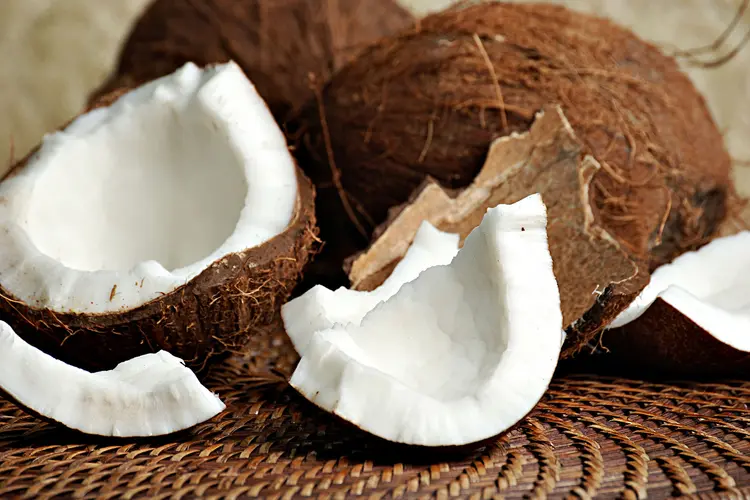
the benefits of eating coconut daily for seniors. Learn how coconut supports heart health, digestion, energy, and aging wellness naturally.
As we grow older, our bodies begin to need more support from the foods we eat. After the age of 50 or 65, simple dietary changes can make a big difference in energy levels, digestion, heart health, and overall well-being.
One food that often gets overlooked is coconut.
The benefits of eating coconut daily are wide-ranging. Coconut is not just a tropical treat—it is a powerful natural food packed with healthy fats, fiber, and essential nutrients that can support healthy aging.
In the United States, many seniors are now exploring natural foods that promote longevity without relying heavily on supplements. Coconut fits perfectly into this lifestyle.
From improving digestion to boosting brain function, coconut can be a simple yet powerful addition to your daily routine.
In this guide, we will explore everything you need to know about eating coconut daily—its benefits, how to use it, common mistakes, and expert advice.
What Makes Coconut So Special?
Coconut is unique because it offers a combination of nutrients that are not commonly found together in one food.
Key Nutrients in Coconut
- Healthy fats (medium-chain triglycerides or MCTs)
- Dietary fiber
- Potassium
- Magnesium
- Iron
- Antioxidants
Unlike many processed foods, coconut provides natural energy and supports multiple body systems at once.
Top Benefits of Eating Coconut Daily
1. Supports Heart Health
Heart health becomes more important with age. Coconut contains healthy fats that may help improve cholesterol balance.
How It Helps:
- Increases HDL (good cholesterol)
- Supports better blood circulation
- May reduce risk of heart disease when consumed in moderation
Real-Life Example:
A 68-year-old retiree in Florida started adding small portions of fresh coconut to breakfast. Within months, he noticed better energy and improved cholesterol readings during routine checkups.
2. Boosts Energy Naturally
Many seniors feel low energy during the day. Coconut provides a quick and steady energy source.
Why It Works:
Coconut contains MCTs, which are fats that the body converts into energy faster than regular fats.
Benefits:
- No sudden energy crashes
- Supports active lifestyle
- Helps maintain stamina
3. Improves Digestion
Digestive problems are common after 60. Coconut is rich in fiber, which supports gut health.
Benefits for Digestion:
- Prevents constipation
- Promotes healthy gut bacteria
- Improves nutrient absorption
Tip:
Eating small amounts of fresh coconut daily can help regulate bowel movements naturally.
4. Supports Brain Function
Cognitive decline is a concern for many seniors. Coconut may support brain health.
How It Helps:
- MCTs provide alternative fuel for the brain
- May improve focus and memory
- Supports mental clarity
5. Helps Maintain Healthy Weight
Weight management becomes more challenging with age.
Coconut helps by:
- Keeping you full longer
- Reducing unnecessary snacking
- Supporting metabolism
6. Strengthens the Immune System
Coconut contains natural compounds with antibacterial and antiviral properties.
Benefits:
- Helps fight infections
- Supports overall immunity
- Reduces inflammation
7. Supports Bone Health
Bone strength becomes a concern after 50, especially for women.
Coconut helps improve mineral absorption, including calcium and magnesium.
8. Improves Skin Health
Healthy skin is a sign of good internal health.
Benefits:
- Keeps skin hydrated
- Reduces dryness
- Supports natural glow
9. Helps Control Blood Sugar
For seniors managing diabetes or prediabetes, coconut can be helpful.
Why:
- Low glycemic index
- Slows sugar absorption
- Supports stable blood sugar levels
10. Promotes Better Hydration
Coconut water is rich in electrolytes.
Benefits:
- Prevents dehydration
- Supports kidney health
- Helps maintain fluid balance
Different Ways to Eat Coconut Daily
Fresh Coconut
Best option for maximum nutrients.
Coconut Water
Great for hydration.
Coconut Oil
Useful for cooking.
Coconut Milk
Perfect for soups and smoothies.
Dried Coconut
Convenient snack option.
How Much Coconut Should You Eat Daily?
Moderation is key.
Recommended Intake:
- Fresh coconut: 1/4 to 1/2 cup
- Coconut oil: 1–2 tablespoons
- Coconut water: 1 glass
Best Time to Eat Coconut
- Morning: For energy
- Afternoon: For digestion
- Post-meal: Small portion for gut health
Common Mistakes to Avoid
Eating Too Much Coconut
Too much fat intake can cause digestive discomfort.
Choosing Processed Coconut Products
Avoid:
- Sugary coconut snacks
- Artificial coconut drinks
Ignoring Portion Control
Even healthy foods need balance.
Expert Tips for Seniors
Start Slow
Introduce coconut gradually into your diet.
Combine with Balanced Diet
Do not rely only on coconut.
Stay Hydrated
Especially when increasing fiber intake.
Consult Your Doctor
If you have existing medical conditions.
Practical Daily Routine Example
Morning:
Oatmeal with coconut flakes
Afternoon:
Coconut water
Evening:
Light meal cooked with coconut oil
Conclusion
The benefits of eating coconut daily go far beyond simple nutrition. For seniors, coconut can support heart health, digestion, brain function, and overall vitality.
It is not about making big changes overnight. Instead, small, consistent habits—like adding coconut to your daily routine—can lead to meaningful improvements in health and well-being.
Aging does not mean slowing down. With the right choices, it can be a time of strength, clarity, and energy.
FAQs
1. Is it safe to eat coconut daily for seniors?
Yes, eating coconut daily is generally safe for seniors when consumed in moderation. Coconut provides healthy fats, fiber, and essential nutrients that support overall health. However, because coconut is calorie-dense, it is important to stick to recommended portions. Seniors with specific health conditions such as high cholesterol or digestive issues should consult a healthcare provider before making it a daily habit. When balanced with other foods, coconut can be a healthy addition to a senior diet.
2. How much coconut should seniors eat daily?
Most seniors can safely consume about 1/4 to 1/2 cup of fresh coconut per day. If using coconut oil, 1 to 2 tablespoons is typically enough. Coconut water can be consumed as one glass daily. The key is moderation. Eating too much coconut may lead to excess calorie intake or digestive discomfort. It is best to start with small amounts and observe how your body responds before increasing intake.
3. Does coconut help with digestion in older adults?
Yes, coconut is rich in dietary fiber, which supports healthy digestion. For older adults who often experience constipation or slow digestion, coconut can help regulate bowel movements. It also promotes a healthy gut environment by supporting beneficial bacteria. Drinking enough water alongside coconut intake is important to maximize digestive benefits.
4. Can coconut improve heart health after 65?
Coconut contains fats that may help improve cholesterol balance by increasing good cholesterol (HDL). However, it should be consumed in moderation as part of a balanced diet. When combined with other heart-healthy foods such as fruits, vegetables, and whole grains, coconut can contribute to better cardiovascular health in seniors.
5. Is coconut good for brain health in seniors?
Coconut contains MCTs, which provide an alternative energy source for the brain. Some studies suggest that these fats may support cognitive function and mental clarity. While coconut is not a cure for memory issues, it can be a helpful addition to a brain-supportive diet.
6. Can coconut help manage blood sugar levels?
Yes, coconut has a low glycemic index and contains fiber, which helps slow the absorption of sugar into the bloodstream. This makes it a suitable option for seniors managing blood sugar levels. However, it should be consumed without added sugars and in controlled portions.
7. What is the best form of coconut to eat daily?
Fresh coconut is the best option because it is less processed and retains more nutrients. Coconut water is excellent for hydration, while coconut oil can be used for cooking. Avoid heavily processed or sugary coconut products for maximum health benefits.
8. Are there any side effects of eating coconut daily?
Eating too much coconut may lead to digestive issues such as bloating or diarrhea. It is also high in calories, so overconsumption can contribute to weight gain. Moderation is key to avoiding these side effects.
9. Can coconut improve skin health in older adults?
Yes, coconut supports skin hydration and elasticity due to its healthy fat content. It may help reduce dryness and improve overall skin appearance. Some seniors also use coconut oil topically for additional benefits.
10. Is coconut good for weight management after 50?
Coconut can support weight management by promoting fullness and reducing hunger. Its healthy fats help control cravings and provide steady energy. However, portion control is important to avoid excess calorie intake.
Also Read –
What Is Jhalmuri PM Modi Ate in Bengal?