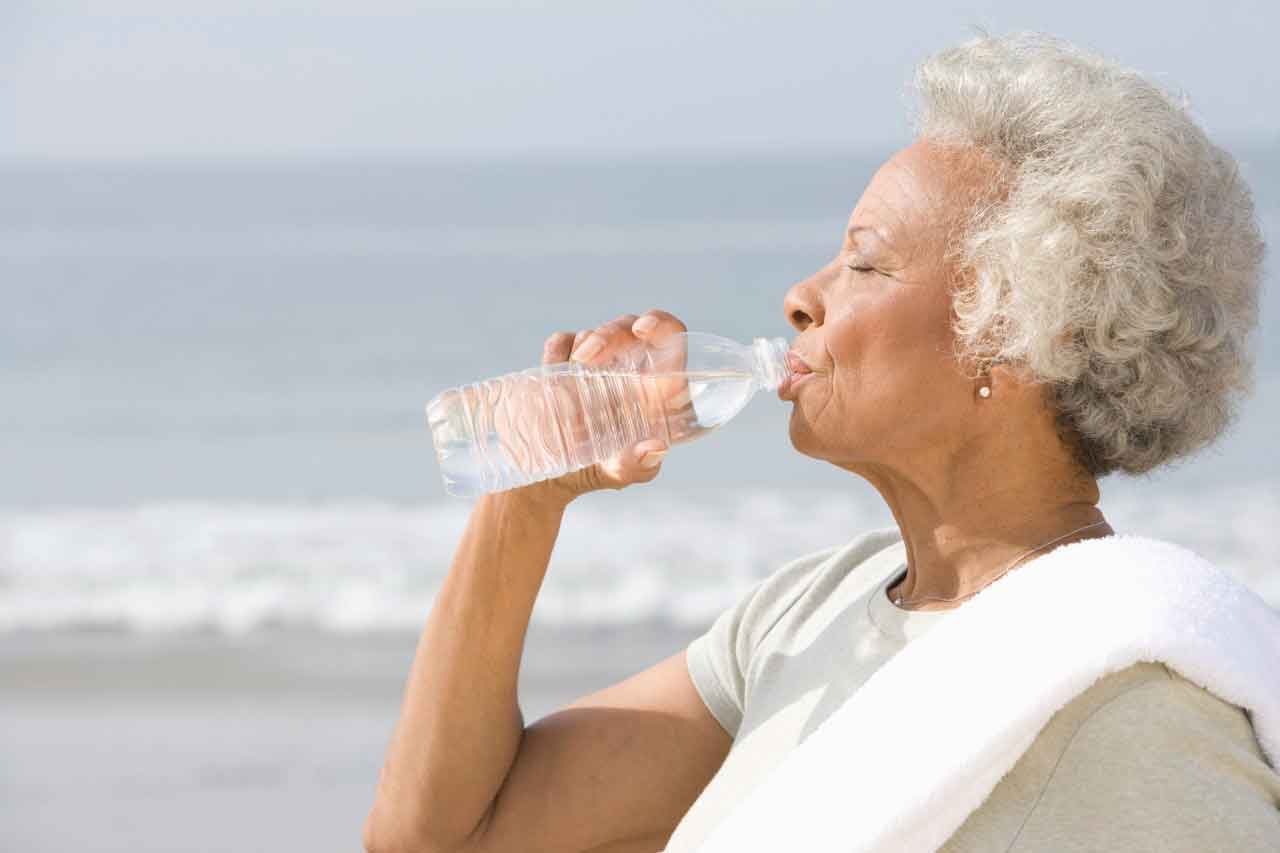
the best hydrating drinks for seniors during summer to stay cool, energized, and healthy. Learn smart hydration tips for adults over 50.
Summer can feel wonderful with longer days, fresh air, and family gatherings. But for many older adults, hot weather also brings a hidden danger: dehydration. As we age, the body naturally holds less water, and the sense of thirst becomes weaker. That means many seniors may already be dehydrated before they even feel thirsty.
Choosing the best hydrating drinks for seniors during summer is one of the easiest ways to stay healthy, active, and comfortable during hot months. The right drinks can support heart health, improve energy levels, protect the kidneys, prevent dizziness, and help older adults enjoy daily life without feeling weak or overheated.
Many people assume water alone is enough. While water is extremely important, seniors often need a combination of fluids, minerals, and nutrients to stay properly hydrated. Some drinks are especially helpful because they replace electrolytes, support digestion, or provide vitamins that aging bodies need.
This guide explains the top summer hydration drinks for seniors, what to avoid, and how to build healthy hydration habits after age 50. Whether you are caring for yourself, a spouse, or an aging parent, these tips can help make summer safer and more enjoyable.
Why Hydration Is So Important for Seniors
The human body depends on water for nearly every function. Water helps regulate temperature, move nutrients through the body, support digestion, lubricate joints, and maintain healthy blood circulation.
For seniors, hydration becomes even more important because aging changes how the body handles fluids.
Why Older Adults Dehydrate Faster
Several factors increase dehydration risk after age 50:
- Reduced sense of thirst
- Lower water content in the body
- Certain medications like diuretics
- Kidney changes with age
- Chronic health conditions
- Hot summer temperatures
- Mobility challenges
- Forgetting to drink water regularly
A younger adult may quickly feel thirsty during hot weather. Seniors often do not receive those signals as strongly.
Signs of Dehydration in Seniors
Recognizing dehydration early can prevent serious health problems.
Common signs include:
- Dry mouth
- Headaches
- Fatigue
- Dizziness
- Dark urine
- Confusion
- Muscle cramps
- Constipation
- Rapid heartbeat
- Weakness
In severe cases, dehydration can lead to hospitalization.
How Much Water Do Seniors Need in Summer?
There is no single perfect number for everyone because hydration needs depend on body size, medications, activity levels, and weather conditions.
However, many healthcare experts recommend that older adults aim for around:
- 8–10 cups of fluids daily
- More during extreme heat
- Additional fluids after exercise or sweating
Fluids do not only come from plain water. Healthy drinks, soups, fruits, and vegetables also contribute.
Still, it is important to avoid relying on sugary beverages or alcohol, which may worsen dehydration.
Best Hydrating Drinks for Seniors During Summer
Below are some of the healthiest and safest summer drinks for older adults.
Water: The Most Important Hydrating Drink
Water remains the foundation of healthy hydration.
It contains no sugar, calories, or artificial ingredients. Drinking water regularly throughout the day helps seniors maintain healthy circulation, digestion, and body temperature.
Tips to Make Water More Enjoyable
Many seniors avoid drinking enough water because they find it boring. Small changes can help.
Try adding:
- Lemon slices
- Cucumber
- Mint leaves
- Orange slices
- Fresh berries
Cold infused water often tastes more refreshing during summer.
Best Times for Seniors to Drink Water
- Right after waking up
- Before meals
- During outdoor activities
- Before bedtime
- After taking medications
Keeping a reusable water bottle nearby also encourages better hydration habits.
Coconut Water for Natural Electrolytes
Coconut water has become popular in the United States because it naturally contains electrolytes like potassium and magnesium.
These minerals help maintain fluid balance and support muscle function.
Benefits of Coconut Water for Seniors
- Helps replace minerals lost through sweat
- Lower in sugar than many sports drinks
- Supports muscle health
- May reduce fatigue during hot weather
What to Watch Out For
Some packaged coconut water products contain added sugar. Seniors with kidney disease should also ask their doctor before drinking large amounts because coconut water contains high potassium levels.
Choose unsweetened varieties whenever possible.
Herbal Tea for Gentle Hydration
Many seniors enjoy warm drinks even during summer. Herbal teas can provide hydration without caffeine.
Popular choices include:
- Chamomile tea
- Peppermint tea
- Ginger tea
- Hibiscus tea
- Lemon balm tea
Benefits of Herbal Tea
Herbal tea may help:
- Calm digestion
- Reduce bloating
- Improve relaxation
- Support sleep quality
- Encourage fluid intake
Iced herbal tea is especially refreshing on hot afternoons.
Milk: A Powerful Hydration Drink
Many people do not realize milk is highly hydrating.
Milk contains:
- Water
- Protein
- Calcium
- Potassium
- Natural electrolytes
Studies suggest milk can hydrate the body longer than some sugary sports drinks.
Best Milk Options for Seniors
- Low-fat milk
- Lactose-free milk
- Almond milk
- Oat milk
- Soy milk
Choose options with lower added sugar.
Milk also supports bone health, which becomes increasingly important with age.
Fruit-Infused Water for Better Flavor
Fruit-infused water is perfect for seniors who struggle to drink enough plain water.
The natural fruit flavor makes hydration more appealing without adding excessive sugar.
Popular Infused Water Combinations
Lemon and Mint
Refreshing and cooling for hot days.
Strawberry and Basil
Lightly sweet and aromatic.
Orange and Blueberry
Rich in antioxidants and vitamin C.
Cucumber and Lime
Excellent for cooling the body.
These drinks are simple to prepare at home.
Watermelon Juice for Summer Hydration
Watermelon contains over 90% water, making it one of the best summer fruits for hydration.
Fresh watermelon juice provides:
- Vitamin A
- Vitamin C
- Potassium
- Antioxidants
Why Seniors Love Watermelon Juice
It is:
- Easy to digest
- Naturally sweet
- Cooling during heat waves
- Refreshing without heavy calories
Fresh homemade watermelon juice is usually healthier than bottled versions with added sugar.
Electrolyte Drinks for Seniors
Electrolytes are minerals that help control hydration and muscle function.
During extreme summer heat, seniors may lose electrolytes through sweating.
Important Electrolytes Include
- Sodium
- Potassium
- Magnesium
- Calcium
When Electrolyte Drinks May Help
- During heat waves
- After excessive sweating
- During illness
- After diarrhea or vomiting
- During outdoor activities
Choosing Healthy Electrolyte Drinks
Look for:
- Low sugar content
- No artificial dyes
- Moderate sodium levels
Many sports drinks marketed in the USA contain too much sugar for daily use.
Smoothies for Hydration and Nutrition
Smoothies provide both hydration and nutrients.
They are especially useful for seniors with low appetite during hot weather.
Healthy Smoothie Ingredients
- Greek yogurt
- Berries
- Banana
- Spinach
- Almond milk
- Chia seeds
- Oats
Benefits for Older Adults
Smoothies can support:
- Hydration
- Energy levels
- Muscle health
- Digestion
- Immune function
They are also easy to chew and swallow.
Vegetable Juice for Healthy Hydration
Vegetable juices can help seniors increase fluid intake while getting vitamins and minerals.
Good Choices Include
- Tomato juice
- Carrot juice
- Celery juice
- Cucumber juice
Low-sodium versions are usually better for heart health.
Vegetable juices also contain antioxidants that support healthy aging.
Soup Counts as Hydration Too
Many people forget that soups contribute to fluid intake.
Light summer soups can help seniors stay hydrated while eating nutritious meals.
Best Summer Soups
- Gazpacho
- Chicken broth
- Vegetable soup
- Tomato soup
Warm soup may even help cool the body by encouraging sweating.
Lemon Water for Seniors
Lemon water is simple, affordable, and refreshing.
Adding lemon to water may encourage seniors to drink more throughout the day.
Benefits of Lemon Water
- Adds flavor naturally
- Contains vitamin C
- May support digestion
- Refreshes during heat
It is best to use fresh lemon slices instead of sugary lemon mixes.
Drinks Seniors Should Limit During Summer
Not all beverages support hydration.
Some drinks can actually increase fluid loss or raise health risks.
Sugary Soda
Regular soda often contains:
- Excess sugar
- Artificial ingredients
- High calories
- Caffeine
Too much sugar may worsen dehydration and raise blood sugar levels.
Diet sodas are not ideal either because artificial sweeteners may upset digestion in some people.
Excess Coffee
Coffee can still count toward daily fluids, but excessive caffeine may contribute to dehydration for sensitive individuals.
Most seniors can safely enjoy moderate coffee intake.
However, balance coffee with plenty of water.
Alcoholic Drinks
Alcohol increases fluid loss and can raise dehydration risk quickly during hot weather.
Older adults are often more sensitive to alcohol’s effects.
Drinking alcohol outside in summer heat can become dangerous.
Energy Drinks
Many energy drinks contain:
- High caffeine
- Excess sugar
- Artificial stimulants
These drinks are usually not suitable for seniors.
They may increase heart rate and blood pressure.
Best Morning Hydration Routine for Seniors
A strong morning routine helps older adults stay hydrated throughout the day.
Sample Morning Hydration Plan
- Drink one glass of water after waking
- Eat hydrating fruit with breakfast
- Enjoy herbal tea or milk
- Carry a water bottle during errands
Starting early makes it easier to maintain hydration all day long.
Best Hydrating Fruits and Foods for Seniors
Hydration does not only come from drinks.
Many foods contain large amounts of water.
Most Hydrating Foods
Watermelon
Contains over 90% water.
Cucumbers
Light, cooling, and refreshing.
Strawberries
Rich in antioxidants and hydration.
Oranges
Provide water and vitamin C.
Lettuce
Very high water content.
Celery
Crunchy and hydrating.
These foods work well in summer salads and snacks.
How Medications Affect Hydration
Many seniors take medications that increase dehydration risk.
Common examples include:
- Blood pressure medications
- Diuretics
- Laxatives
- Some diabetes medications
These medicines may increase urination or affect electrolyte balance.
Seniors should ask healthcare providers about hydration needs while taking medications.
Summer Hydration Tips for Seniors
Simple habits can make a huge difference.
Drink Before Feeling Thirsty
Thirst may appear late in older adults.
Regular sipping works better.
Use Reminder Systems
Phone alarms or written schedules help many seniors remember to drink fluids.
Keep Drinks Visible
Seeing water nearby increases the likelihood of drinking it.
Wear Lightweight Clothing
Staying cool reduces excessive sweating.
Avoid Midday Heat
Outdoor activity is safer during early morning or evening hours.
Hydration Tips for Senior Caregivers
Family caregivers play a major role in preventing dehydration.
Offer Fluids Regularly
Do not wait for seniors to ask.
Make Drinks Easy to Reach
Limited mobility may reduce fluid intake.
Watch for Confusion
Sudden confusion can sometimes signal dehydration.
Include Variety
Different drink choices prevent boredom.
Best Summer Drinks for Seniors With Diabetes
Seniors with diabetes must balance hydration while avoiding excessive sugar.
Good Options Include
- Water
- Unsweetened tea
- Sparkling water
- Low-sugar electrolyte drinks
- Unsweetened almond milk
Drinks to Avoid
- Sweet tea
- Regular soda
- Sugary sports drinks
- Fruit punch
Reading labels carefully becomes very important.
Best Hydrating Drinks for Seniors With High Blood Pressure
Sodium levels matter for heart health.
Better Choices
- Water
- Herbal tea
- Infused water
- Low-sodium vegetable juice
- Unsweetened coconut water in moderation
Too much sodium may raise blood pressure.
Best Hydration Habits During Heat Waves
Extreme heat requires extra caution.
Increase Fluid Intake
Drink more than usual during high temperatures.
Stay Indoors During Peak Heat
Air conditioning can prevent dangerous overheating.
Eat Light Meals
Heavy meals may increase discomfort.
Watch for Heat Exhaustion
Symptoms include:
- Nausea
- Dizziness
- Heavy sweating
- Weakness
Immediate cooling and hydration are important.
Real-Life Example: How Better Hydration Helped One Senior
Margaret, a 72-year-old retiree in Arizona, often felt tired during summer afternoons. She believed fatigue was simply part of aging.
Her daughter encouraged her to start a hydration routine that included:
- Morning water
- Herbal iced tea
- Watermelon snacks
- Coconut water after gardening
Within weeks, Margaret noticed better energy, fewer headaches, and improved digestion.
Small hydration changes can create noticeable improvements in daily comfort and health.
Common Hydration Mistakes Seniors Make
Avoiding these mistakes can prevent dehydration problems.
Only Drinking Water at Meals
Seniors need fluids throughout the day.
Ignoring Early Symptoms
Mild dehydration can worsen quickly during summer.
Drinking Too Much Sugary Juice
Fruit drinks often contain excessive sugar.
Avoiding Fluids Due to Bathroom Concerns
Some older adults reduce drinking to avoid frequent urination, but this increases dehydration risk.
Expert Tips for Staying Hydrated After 50
Use a Marked Water Bottle
Measurement lines encourage consistent intake.
Pair Drinking With Daily Habits
Drink water after brushing teeth or taking medication.
Add Hydrating Snacks
Fruit and yogurt support fluid intake.
Keep Drinks Cold
Cool beverages feel more refreshing in summer.
Monitor Urine Color
Pale yellow usually signals better hydration.
Why Hydration Supports Healthy Aging
Hydration affects nearly every part of the aging body.
Proper hydration may support:
- Brain function
- Energy levels
- Joint comfort
- Kidney health
- Digestion
- Blood circulation
- Skin health
Many seniors feel stronger and more alert when consistently hydrated.
Affordable Hydrating Drinks for Seniors
Healthy hydration does not need to be expensive.
Budget-friendly options include:
- Tap water
- Homemade iced tea
- Lemon water
- Watermelon
- Homemade smoothies
Expensive wellness drinks are not necessary for good hydration.
Hydration and Physical Activity
Older adults who exercise need extra fluids.
Activities such as:
- Walking
- Gardening
- Golf
- Swimming
all increase fluid loss.
Drinking before and after activity helps prevent fatigue and dizziness.
Best Drinks for Senior Travelers During Summer
Travel increases dehydration risk because routines change.
Smart Travel Hydration Tips
- Carry refillable water bottles
- Avoid excessive airport coffee
- Drink during road trips
- Pack electrolyte packets
Flying can especially dry out the body.
Hydration and Brain Health in Seniors
Even mild dehydration may affect concentration and memory.
Some older adults experience:
- Brain fog
- Irritability
- Difficulty focusing
after inadequate fluid intake.
Drinking enough fluids supports mental sharpness and daily function.
Hydration and Digestive Health
Constipation becomes more common with age.
Dehydration often makes it worse.
Water, soups, herbal tea, and hydrating fruits can help maintain healthy digestion.
Fiber works better when the body has enough fluids.
How to Encourage Seniors Who Dislike Drinking Water
This is very common.
Helpful Strategies
- Offer flavored water
- Use fun cups or bottles
- Serve drinks chilled
- Include hydrating foods
- Set small daily goals
Sometimes simple changes make hydration more enjoyable.
The Role of Electrolytes in Summer Hydration
Electrolytes help balance fluids and maintain nerve and muscle function.
Seniors who sweat heavily may need electrolyte replacement occasionally.
However, balance matters.
Too many electrolyte drinks with sugar or sodium can create other health problems.
Homemade Hydrating Drink Recipes for Seniors
Easy Cucumber Mint Water
Ingredients
- 1 sliced cucumber
- Fresh mint leaves
- Cold water
Instructions
Combine ingredients in a pitcher and chill for two hours.
Watermelon Cooler
Ingredients
- Fresh watermelon
- Lime juice
- Ice
Instructions
Blend until smooth and serve cold.
Berry Yogurt Smoothie
Ingredients
- Greek yogurt
- Blueberries
- Strawberries
- Almond milk
Instructions
Blend and enjoy as a hydrating breakfast.
Signs a Senior Needs Medical Help for Dehydration
Some symptoms require immediate attention.
Warning Signs Include
- Confusion
- Rapid heartbeat
- Fainting
- Extreme weakness
- Inability to keep fluids down
- Very dark urine
Seek medical care quickly if these symptoms appear.
Building a Daily Summer Hydration Plan
Consistency works better than drinking large amounts at once.
Sample Daily Plan
Morning
- Water after waking
- Herbal tea with breakfast
Afternoon
- Infused water
- Watermelon snack
Evening
- Soup with dinner
- Small smoothie
This approach spreads hydration throughout the day.
Hydration Myths Seniors Should Ignore
“You Only Need Water When Thirsty”
False. Seniors may not feel thirst early enough.
“Coffee Does Not Count”
Moderate coffee still contributes fluids.
“Sports Drinks Are Always Healthy”
Many contain excessive sugar.
“Clear Urine Means Perfect Hydration”
Overhydration can also be harmful.
Balance is important.
How Family Members Can Help Older Adults Stay Hydrated
Loved ones can make hydration easier.
Helpful Ideas
- Prepare flavored water pitchers
- Share hydration reminders
- Keep drinks accessible
- Encourage breaks during outdoor activities
Supportive habits improve safety during summer.
Conclusion
Choosing the best hydrating drinks for seniors during summer can make a major difference in comfort, health, and energy levels. Older adults face a higher risk of dehydration because aging changes how the body manages fluids. Hot weather, medications, and health conditions can make the problem even more serious.
The good news is that staying hydrated does not have to be difficult. Simple choices like water, herbal tea, smoothies, milk, coconut water, and fruit-infused drinks can help seniors stay cool and healthy all summer long.
Healthy hydration also supports better digestion, stronger energy, clearer thinking, and safer physical activity. Small daily habits often create the biggest results.
Whether you are a senior yourself or caring for an older loved one, creating a consistent hydration routine is one of the smartest ways to stay healthy during hot weather.
Frequently Asked Questions
1. What is the best hydrating drink for seniors during summer?
Water is usually the best hydrating drink for seniors during summer because it contains no sugar, caffeine, or artificial ingredients. However, older adults may also benefit from drinks like herbal tea, coconut water, milk, and low-sugar electrolyte beverages. These drinks help replace minerals lost through sweating and encourage consistent fluid intake. Seniors who struggle to drink plain water can improve hydration by adding fruits like lemon, cucumber, or berries. The best choice depends on personal health conditions, medications, and activity levels. Consistency throughout the day matters more than drinking large amounts all at once.
2. How can seniors stay hydrated in extreme summer heat?
Seniors can stay hydrated in extreme heat by drinking fluids regularly before feeling thirsty. It helps to keep cold water nearby, avoid outdoor activities during peak afternoon temperatures, and eat hydrating foods like watermelon and cucumbers. Wearing lightweight clothing and staying in air-conditioned areas can also reduce fluid loss. Drinks with electrolytes may help during heat waves, especially after sweating. Family caregivers should watch for symptoms like dizziness, weakness, or confusion because these may signal dehydration. A simple hydration routine spread throughout the day is often the safest and most effective approach.
3. Are sports drinks safe for seniors?
Sports drinks can help replace electrolytes, but many contain large amounts of sugar and sodium. Seniors should use them carefully, especially if they have diabetes, kidney disease, or high blood pressure. Low-sugar electrolyte drinks are usually a better option for older adults. Sports drinks may be helpful after sweating heavily, outdoor exercise, illness, or heat exposure. However, they should not replace water as the main source of hydration. Reading nutrition labels carefully is important because some products marketed as healthy hydration drinks contain more sugar than soda. Seniors should also consult healthcare providers if unsure.
4. Is coconut water good for seniors?
Coconut water can be a healthy hydrating drink for seniors because it naturally contains potassium, magnesium, and other electrolytes. It may help support hydration during hot weather or after physical activity. Many seniors enjoy its light flavor and refreshing taste. However, coconut water also contains natural sugars and high potassium levels. Older adults with kidney problems or those taking medications that affect potassium should speak with their doctor before drinking large amounts. Choosing unsweetened coconut water without added sugar is usually the healthiest option. Moderation remains important for balanced hydration and nutrition.
5. What drinks should seniors avoid during hot weather?
Seniors should limit drinks that increase dehydration risk during hot weather. These include alcohol, sugary soda, high-caffeine energy drinks, and heavily sweetened fruit beverages. Alcohol causes the body to lose fluids more quickly, while sugary drinks may worsen dehydration and raise blood sugar levels. Some energy drinks also increase heart rate and blood pressure, which can be risky for older adults. Moderate coffee intake is usually acceptable, but it should be balanced with plenty of water. Choosing low-sugar and low-caffeine beverages helps seniors stay safer and more comfortable during summer heat.
6. How much water should a senior drink every day?
Many seniors need around 8 to 10 cups of fluids daily, although individual needs vary depending on medications, body size, health conditions, and weather. Hot summer temperatures may increase fluid requirements significantly. Seniors who exercise, garden, or spend time outdoors often need even more hydration. Fluids can come from water, milk, tea, soups, smoothies, and hydrating fruits. Instead of drinking large amounts at once, it is usually better to sip fluids consistently throughout the day. Monitoring urine color and watching for dehydration symptoms can help older adults understand whether they are drinking enough.
7. Can dehydration cause confusion in older adults?
Yes, dehydration can affect brain function and sometimes cause confusion, dizziness, memory problems, or unusual fatigue in older adults. Even mild dehydration may reduce concentration and increase irritability. Severe dehydration can become dangerous and may require medical treatment. Family members sometimes mistake dehydration symptoms for normal aging or cognitive decline. That is why consistent hydration is extremely important for senior brain health. If an older adult suddenly becomes confused, weak, or unusually sleepy during hot weather, dehydration should be considered as a possible cause. Quick fluid replacement and medical attention may be necessary.
8. Are smoothies good for hydration in seniors?
Smoothies can be an excellent hydration option for seniors because they provide fluids, nutrients, protein, and vitamins all at once. They are especially useful for older adults with reduced appetite during hot weather. Healthy smoothie ingredients include berries, bananas, yogurt, spinach, and unsweetened milk alternatives. Smoothies are easy to chew and swallow, making them suitable for many seniors. However, some store-bought smoothies contain excessive sugar, so homemade versions are often healthier. Adding hydrating fruits like watermelon or strawberries can improve both flavor and fluid intake. Smoothies work best as part of a balanced hydration plan.
9. What are the early signs of dehydration in seniors?
Early signs of dehydration in seniors may include dry mouth, headaches, dizziness, fatigue, constipation, dark urine, muscle cramps, and increased weakness. Some older adults may also feel confused or lightheaded. Because the sense of thirst weakens with age, dehydration can develop before seniors realize they need fluids. Hot weather, medications, and illness can increase risk further. Recognizing symptoms early helps prevent serious complications like fainting or hospitalization. Drinking water consistently throughout the day is the best prevention strategy. Family caregivers should monitor older adults carefully during summer heat waves and periods of illness.
10. What are the best fruits for hydration in seniors?
Some of the best hydrating fruits for seniors include watermelon, strawberries, oranges, cantaloupe, peaches, and grapes. These fruits contain high amounts of water along with vitamins, antioxidants, and minerals that support healthy aging. Watermelon is especially popular during summer because it contains over 90 percent water. Fruits can help older adults increase hydration naturally while also improving nutrition and digestion. Adding fruit to smoothies, salads, or infused water makes hydration more enjoyable. Fresh fruits are usually healthier than canned fruits packed in sugary syrup. Eating hydrating foods regularly supports better summer wellness overall.
Also Read –
10 Health Benefits of Raspberries: Learn Before You Say No to This Fruit