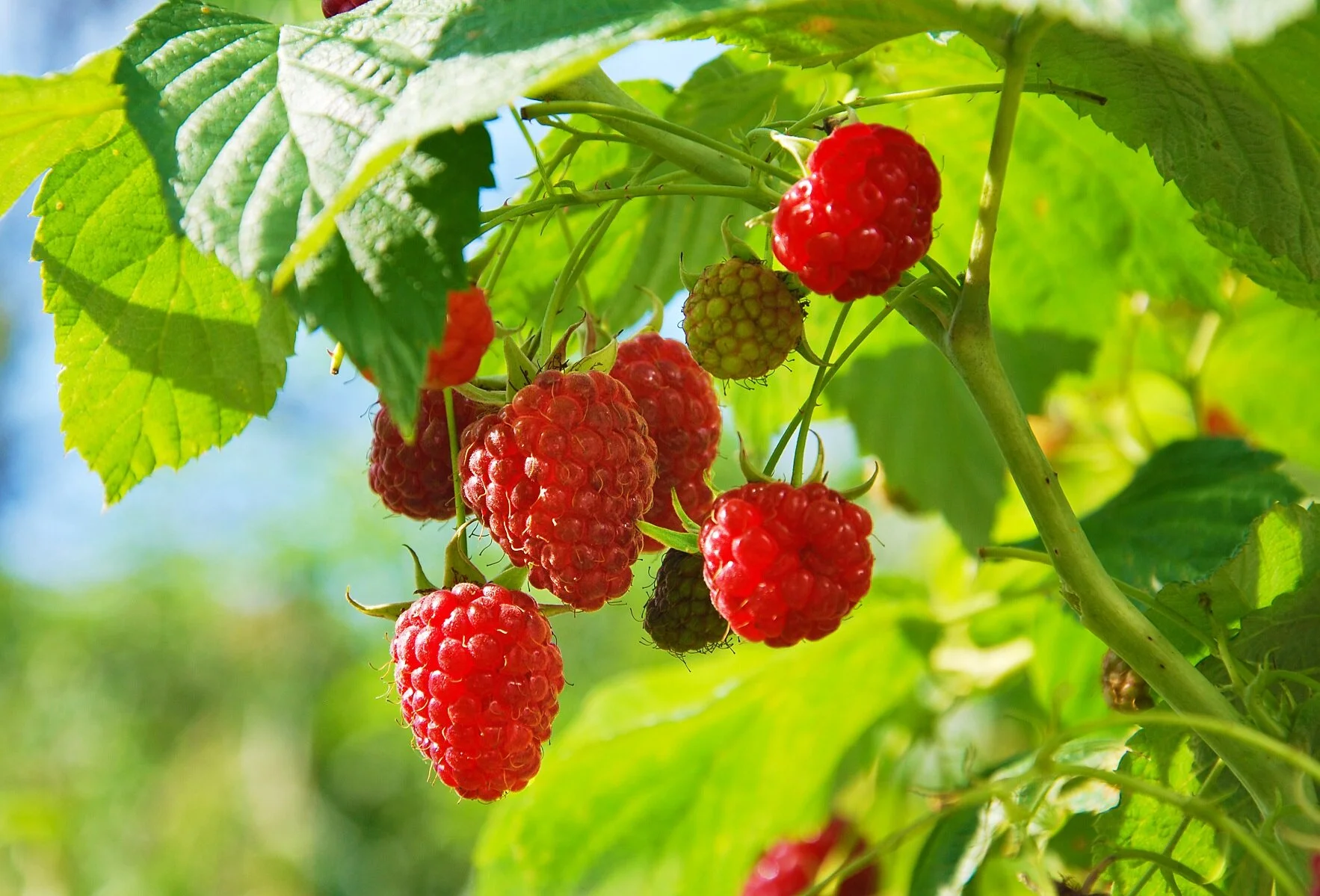
Many people walk past raspberries in the grocery store without giving them much attention. Some think they are too tart. Others believe they are expensive or only useful in desserts. But if you are over 50, raspberries may be one of the smartest fruits you can add to your daily routine.
These tiny berries are loaded with vitamins, fiber, antioxidants, and plant compounds that support healthy aging. They are easy to eat, simple to add to meals, and surprisingly powerful for your heart, brain, digestion, and blood sugar levels.
As we age, our bodies naturally go through changes. Energy levels may drop. Joint pain can become more common. Digestion may slow down. Blood pressure and cholesterol levels may rise. The good news is that small food choices can make a big difference over time.
Raspberries are one of those foods.
They are naturally low in calories, high in nutrients, and full of compounds that help protect the body from everyday stress and inflammation. Whether you enjoy them fresh, frozen, or blended into smoothies, raspberries can become an easy part of a healthy lifestyle.
In this detailed guide, you will learn:
- The top health benefits of raspberries
- Why adults over 50 should pay close attention to this fruit
- How raspberries support healthy aging
- The best ways to eat and store raspberries
- Common mistakes to avoid
- Expert tips for getting the most nutrition
- Frequently asked questions seniors often ask
Before you say no to this bright red fruit, learn what it may actually do for your health.
What Are Raspberries?
Raspberries are small edible fruits that grow on flowering plants in the rose family. They are usually red, but black, purple, and golden varieties also exist.
These berries are soft, juicy, and slightly tart with natural sweetness. They are popular in smoothies, oatmeal, yogurt bowls, desserts, and salads.
Raspberries are especially valued because they contain:
- Dietary fiber
- Vitamin C
- Manganese
- Potassium
- Antioxidants
- Polyphenols
- Plant compounds called ellagitannins
Unlike many processed snacks, raspberries offer nutrition without added sugar or unhealthy fats.
One cup of raspberries contains roughly:
- 64 calories
- 8 grams of fiber
- 14 grams of carbohydrates
- 5 grams of natural sugar
- 1.5 grams of protein
That high fiber content is one reason many health experts recommend raspberries for older adults.
Why Raspberries Are Important for Adults Over 50
After age 50, the body becomes more vulnerable to chronic conditions such as:
- Heart disease
- High cholesterol
- Type 2 diabetes
- Digestive problems
- Memory decline
- Joint inflammation
- Weight gain
Many people focus only on medications, but nutrition matters just as much.
Raspberries support healthy aging because they provide nutrients without excessive calories. They help nourish the body while supporting healthy blood sugar, digestion, and heart function.
For retirees and seniors trying to stay active, raspberries can become a simple daily habit with long-term benefits.
1. Raspberries Support Heart Health
Heart disease remains one of the leading health concerns for older adults in the United States. One major benefit of raspberries is their ability to support cardiovascular health naturally.
How Raspberries Help the Heart
Raspberries contain:
- Fiber
- Potassium
- Antioxidants
- Polyphenols
These nutrients may help:
- Lower bad cholesterol
- Support healthy blood pressure
- Reduce inflammation
- Improve blood vessel function
The fiber in raspberries helps remove excess cholesterol from the body. Potassium supports healthy circulation and may help balance sodium levels.
Antioxidants and Blood Vessels
Raspberries are rich in antioxidants that protect cells from oxidative stress. Over time, oxidative stress can damage blood vessels and increase heart disease risk.
The antioxidants in berries may help blood vessels stay flexible and healthy.
Real-Life Example
A retired teacher in her early 60s may replace sugary desserts with raspberries and plain Greek yogurt. Over time, she may notice better weight control and improved cholesterol numbers during checkups.
Small changes matter.
2. Raspberries Improve Digestive Health
Digestive issues become more common with age. Constipation, bloating, and irregular bowel movements can affect comfort and quality of life.
Raspberries are one of the best fruits for digestion because they contain a large amount of fiber.
Why Fiber Matters
Fiber helps:
- Keep bowel movements regular
- Feed healthy gut bacteria
- Reduce constipation
- Support colon health
One cup of raspberries provides around 8 grams of fiber, which is impressive for such a small serving.
Gut Health and Aging
Healthy digestion is not only about comfort. Gut health may also influence:
- Immune function
- Mood
- Weight management
- Blood sugar control
Fiber-rich foods like raspberries help beneficial bacteria grow in the digestive system.
Easy Ways to Eat More Fiber
Try adding raspberries to:
- Oatmeal
- Smoothies
- Yogurt
- Whole grain cereal
- Cottage cheese
Frozen raspberries work just as well as fresh ones in many recipes.
3. Raspberries May Help Control Blood Sugar
Many adults over 50 are concerned about diabetes or prediabetes. One surprising fact about raspberries is that they are relatively low in sugar while being high in fiber.
This combination helps slow how quickly sugar enters the bloodstream.
Why This Matters
Rapid spikes in blood sugar can lead to:
- Fatigue
- Hunger cravings
- Weight gain
- Insulin resistance
The fiber in raspberries slows digestion and helps maintain more stable blood sugar levels.
A Better Snack Choice
Instead of cookies or sugary snacks, a bowl of raspberries can satisfy sweet cravings with fewer blood sugar swings.
Pairing raspberries with protein, such as nuts or yogurt, may help even more.
Helpful for Weight Management
Stable blood sugar often helps reduce overeating and snacking later in the day.
That can be useful for older adults trying to maintain a healthy weight.
4. Raspberries Are Rich in Anti-Aging Antioxidants
One of the biggest health benefits of raspberries is their high antioxidant content.
Antioxidants help protect the body from damage caused by unstable molecules called free radicals.
What Is Oxidative Stress?
Oxidative stress happens naturally with aging, pollution, stress, smoking, and poor diet.
Over time, it may contribute to:
- Wrinkles
- Memory decline
- Heart disease
- Joint issues
- Weakened immunity
How Raspberries Help
Raspberries contain antioxidants such as:
- Vitamin C
- Quercetin
- Ellagic acid
- Anthocyanins
These compounds help fight cell damage and support healthy aging.
Skin Benefits
Vitamin C also supports collagen production. Collagen helps skin stay firm and healthy.
While raspberries are not a miracle cure for aging, they can support healthier skin from the inside.
5. Raspberries May Support Brain Health
Memory changes become more common with age. Many older adults worry about staying mentally sharp and independent.
Research suggests berries may support healthy brain aging.
Brain-Supporting Nutrients
Raspberries contain plant compounds that may help reduce inflammation in the brain.
Chronic inflammation is linked to cognitive decline and memory problems.
Improved Communication Between Brain Cells
Some studies suggest berry antioxidants may help brain cells communicate more effectively.
This may support:
- Focus
- Memory
- Learning
- Mental clarity
Daily Habits Matter
Brain health is influenced by many factors:
- Nutrition
- Exercise
- Sleep
- Social activity
- Stress management
Adding raspberries to a balanced diet may become one small but meaningful step toward supporting long-term cognitive health.
6. Raspberries Help Support Healthy Weight Loss
Weight management becomes harder with age because metabolism naturally slows down.
The good news is that raspberries are filling without being high in calories.
Why Raspberries Are Weight-Friendly
They are:
- Low in calories
- High in fiber
- Naturally sweet
- Nutrient-dense
Fiber helps people feel full longer, which may reduce overeating.
Smart Dessert Replacement
Many adults enjoy sweets after dinner. Replacing ice cream or processed desserts with raspberries can reduce sugar intake while still satisfying cravings.
A Helpful Habit
A simple bowl of raspberries with cinnamon and Greek yogurt can become a satisfying evening snack.
Over time, small choices like this may support healthy weight control.
7. Raspberries Strengthen the Immune System
The immune system naturally weakens with age. That makes it more important to eat foods rich in vitamins and antioxidants.
Raspberries are an excellent source of vitamin C.
Why Vitamin C Matters
Vitamin C supports:
- Immune defense
- Skin healing
- Tissue repair
- Antioxidant protection
It helps the body fight infections and recover from illness.
Daily Support
No single food prevents sickness, but nutrient-rich foods help support overall immune function.
Combining raspberries with other healthy foods such as leafy greens, nuts, and lean protein creates a stronger nutritional foundation.
8. Raspberries May Reduce Inflammation
Chronic inflammation is linked to many age-related conditions.
These include:
- Arthritis
- Heart disease
- Diabetes
- Obesity
Raspberries contain anti-inflammatory compounds that may help lower inflammation levels in the body.
Understanding Inflammation
Short-term inflammation helps the body heal. But long-term inflammation can damage tissues and organs.
Diet plays a major role in inflammation levels.
Foods That Help
Anti-inflammatory foods include:
- Berries
- Olive oil
- Fatty fish
- Vegetables
- Nuts
Raspberries fit perfectly into this type of eating pattern.
Joint Comfort
Some adults notice better joint comfort when they consistently eat more anti-inflammatory foods.
Results vary, but nutrition can make a meaningful difference.
9. Raspberries Support Eye Health
Vision changes often happen with age. Conditions such as cataracts and age-related vision decline become more common.
Raspberries contain antioxidants that may help protect eye tissues from oxidative damage.
Nutrients for Healthy Eyes
Vitamin C and other antioxidants help support healthy blood vessels in the eyes.
Protecting cells from damage may support long-term eye function.
Pair With Other Eye-Friendly Foods
For stronger eye health support, combine raspberries with:
- Spinach
- Carrots
- Sweet potatoes
- Salmon
- Eggs
A nutrient-rich diet helps support aging eyes.
10. Raspberries Promote Healthy Aging Overall
Healthy aging is not about looking young forever. It is about maintaining:
- Independence
- Mobility
- Energy
- Mental sharpness
- Quality of life
Raspberries support many systems in the body at once.
Why They Stand Out
Raspberries are:
- Easy to prepare
- Naturally sweet
- High in nutrients
- Low in calories
- Rich in fiber and antioxidants
Few foods offer so many benefits in such a small serving.
Building Better Habits
Healthy aging does not require perfection.
Simple habits matter:
- Walking daily
- Drinking water
- Eating more fruits and vegetables
- Sleeping well
- Staying socially active
Adding raspberries regularly can become part of a balanced lifestyle that supports long-term wellness.
How to Add Raspberries to Your Daily Diet
Many people buy raspberries but do not know how to use them regularly.
Here are easy ideas.
Breakfast Ideas
- Add to oatmeal
- Mix into yogurt
- Blend into smoothies
- Top whole grain cereal
Lunch Ideas
- Add to salads
- Mix with cottage cheese
- Pair with walnuts
Snack Ideas
- Eat fresh with nuts
- Freeze for a cold treat
- Add to chia pudding
Dessert Ideas
- Mix with dark chocolate
- Serve with whipped Greek yogurt
- Bake into healthy muffins
Fresh vs Frozen Raspberries
Many seniors wonder whether frozen berries are healthy.
The answer is yes.
Frozen raspberries are often picked at peak ripeness and frozen quickly, which helps preserve nutrients.
Benefits of Frozen Raspberries
- Convenient
- Less expensive
- Available year-round
- Great for smoothies
What to Watch For
Avoid products with:
- Added sugar
- Syrups
- Artificial flavoring
Plain frozen raspberries are best
Common Mistakes People Make With Raspberries
Even healthy foods can lose benefits when used incorrectly.
1. Adding Too Much Sugar
Covering raspberries in sugar removes many of their health advantages.
Try cinnamon or plain yogurt instead.
2. Ignoring Portion Balance
Raspberries are healthy, but balance still matters.
Eat them as part of a well-rounded diet.
3. Buying Spoiled Berries
Raspberries spoil quickly.
Look for berries that are:
- Firm
- Dry
- Bright in color
Avoid mushy containers.
4. Not Washing Properly
Always rinse berries gently before eating.
5. Depending Only on Fruit
Raspberries help support health, but they cannot replace exercise, sleep, or medical care.
Expert Tips for Getting the Most Benefits
Eat Them Consistently
Small daily habits often work better than occasional large changes.
Pair With Protein
Protein helps improve fullness and blood sugar balance.
Good pairings include:
- Greek yogurt
- Nuts
- Cottage cheese
Use Frozen Berries in Winter
Do not stop eating berries just because fresh ones cost more during colder months.
Choose Whole Foods First
Whole raspberries are better than raspberry-flavored candy or processed snacks.
Rotate Your Fruits
A variety of fruits provides a wider range of nutrients.
Are There Any Side Effects of Eating Raspberries?
Raspberries are safe for most people, but a few things are worth mentioning.
Digestive Discomfort
Eating too much fiber suddenly may cause:
- Gas
- Bloating
- Stomach discomfort
Increase intake gradually if you are not used to high-fiber foods.
Allergies
Berry allergies are uncommon but possible.
Symptoms may include:
- Itching
- Swelling
- Rash
Seek medical help for severe reactions.
Medication Concerns
People taking blood sugar medications should monitor how foods affect glucose levels.
Talk with a healthcare provider if you have concerns.
Best Time to Eat Raspberries
There is no perfect time, but some options may work especially well.
Morning
Fiber-rich berries can support fullness and energy.
Before Exercise
Raspberries provide natural carbohydrates without being too heavy.
Evening Dessert
Replacing processed desserts with berries may support better weight control.
How to Store Raspberries Properly
Raspberries spoil faster than many fruits.
Storage Tips
- Refrigerate immediately
- Do not wash until ready to eat
- Use within 2–3 days
- Store in breathable containers
Freezing Tips
- Wash gently
- Pat dry
- Freeze in a single layer first
After freezing, move them into freezer bags.
Why Seniors Should Pay Attention to Fiber Intake
Many adults over 50 do not get enough fiber.
Low fiber intake may contribute to:
- Constipation
- High cholesterol
- Weight gain
- Blood sugar spikes
Raspberries are one of the easiest ways to increase fiber naturally.
The Connection Between Berries and Healthy Aging
Researchers continue studying berries because they contain powerful plant compounds.
While no food guarantees perfect health, berries consistently appear in healthy eating patterns linked to longevity.
This includes diets that support:
- Heart health
- Brain health
- Weight management
- Reduced inflammation
Raspberries fit naturally into these patterns.
A Simple 7-Day Raspberry Routine
Day 1
Add raspberries to oatmeal.
Day 2
Blend frozen raspberries into a smoothie.
Day 3
Mix raspberries into yogurt.
Day 4
Add berries to a salad.
Day 5
Snack on raspberries and almonds.
Day 6
Use raspberries in whole grain pancakes.
Day 7
Enjoy berries as dessert instead of cake.
Small habits create long-term change.
Conclusion
Raspberries may be small, but they offer impressive health benefits for adults over 50.
From heart support to digestion, brain health, immune function, and healthy aging, these berries deserve a place in a balanced diet.
They are easy to prepare, naturally sweet, and packed with nutrients the body needs as it ages.
You do not need expensive supplements or complicated diets to support better health. Sometimes, the smartest choices are simple.
A handful of raspberries each day may become one of the easiest healthy habits you ever start.
So before you say no to this fruit, take another look at what it can do for your body and your future health.
Frequently Asked Questions
1. Are raspberries good for seniors over 50?
Yes, raspberries are especially beneficial for seniors because they are rich in fiber, antioxidants, and vitamins while being low in calories. Adults over 50 often need more support for heart health, digestion, and blood sugar control. Raspberries can help in all of these areas. Their high antioxidant content may also support healthy aging and brain function. Since they are naturally sweet, they can replace less healthy snacks and desserts. Fresh or frozen raspberries both provide excellent nutrition. Seniors who want simple, healthy foods for everyday wellness may benefit greatly from adding raspberries to their diet regularly.
2. Can raspberries help lower cholesterol naturally?
Raspberries may support healthy cholesterol levels because they contain soluble fiber. This type of fiber helps remove excess cholesterol from the body before it enters the bloodstream. The antioxidants in raspberries may also support blood vessel health and reduce inflammation linked to heart disease. Eating raspberries alone will not instantly lower cholesterol, but including them as part of a balanced diet may help over time. Pairing raspberries with regular exercise, healthy fats, and reduced processed food intake can further support heart health. Many adults over 50 choose fiber-rich foods like raspberries for natural cardiovascular support.
3. Are raspberries good for people with diabetes?
Raspberries can be a smart fruit choice for many people with diabetes because they are relatively low in sugar and high in fiber. Fiber helps slow the absorption of sugar into the bloodstream, which may help reduce sudden blood sugar spikes. Their natural sweetness can also satisfy cravings without relying on processed desserts. However, portion control still matters. People with diabetes should monitor how different foods affect their blood sugar and speak with a healthcare provider when making major dietary changes. Pairing raspberries with protein or healthy fats may support even steadier blood sugar levels.
4. Do frozen raspberries have the same health benefits as fresh raspberries?
Yes, frozen raspberries usually keep most of their nutritional value. In many cases, berries are frozen shortly after being picked, which helps preserve vitamins and antioxidants. Frozen raspberries are convenient, affordable, and available year-round. They work especially well in smoothies, oatmeal, yogurt, and healthy desserts. The most important thing is to choose plain frozen raspberries without added sugar or syrup. Fresh berries may have a slightly better texture, but nutritionally both options are excellent. For older adults trying to eat more fruit consistently, frozen raspberries are a practical and healthy choice.
5. How many raspberries should I eat daily for health benefits?
A common healthy serving is about one cup of raspberries per day. This amount provides a strong source of fiber, vitamin C, and antioxidants without too many calories. Some people may eat slightly less or more depending on their overall diet and digestive comfort. If you are not used to eating high-fiber foods, it is smart to increase intake gradually. Eating raspberries consistently is usually more important than eating large amounts occasionally. They can be included in breakfast, snacks, or desserts as part of a balanced daily eating plan for healthy aging.
6. Can raspberries help with constipation in older adults?
Yes, raspberries may help relieve constipation because they are very high in dietary fiber. Fiber adds bulk to stool and supports regular bowel movements. Many older adults experience slower digestion as they age, especially if they are less active or drink less water. Adding fiber-rich foods like raspberries may improve digestive comfort naturally. Drinking enough fluids is also important because fiber works best when combined with proper hydration. While raspberries can support digestive health, severe or ongoing constipation should still be discussed with a healthcare professional to rule out underlying conditions.
7. Are raspberries good for weight loss after 50?
Raspberries can support weight management because they are low in calories and high in fiber. Fiber helps people feel fuller longer, which may reduce overeating and snacking between meals. Their natural sweetness can also help satisfy dessert cravings in a healthier way. Adults over 50 often experience slower metabolism, making nutrient-dense foods especially important. Replacing sugary snacks with raspberries may help reduce calorie intake without feeling deprived. Weight loss still depends on overall lifestyle habits, including exercise and balanced nutrition, but raspberries can be a helpful addition to a healthy routine.
8. Can raspberries improve skin health naturally?
Raspberries contain vitamin C and antioxidants that may support healthier skin. Vitamin C helps the body produce collagen, a protein that supports skin structure and firmness. Antioxidants help protect skin cells from oxidative stress caused by aging, pollution, and sun exposure. While raspberries alone will not erase wrinkles, they can become part of a healthy eating pattern that supports skin wellness from the inside. Drinking water, sleeping well, and avoiding smoking are also important for healthy skin. Many people choose antioxidant-rich foods like berries as part of their long-term anti-aging habits.
9. Are raspberries safe to eat every day?
For most people, yes. Eating raspberries daily is generally safe and healthy. They provide important nutrients without excessive calories or sugar. Daily intake may support digestion, heart health, and overall wellness. However, eating extremely large amounts of fiber too quickly may cause bloating or digestive discomfort in some people. Those with berry allergies should avoid them. People taking certain medications, especially for blood sugar management, may want to monitor how raspberries affect their body. Overall, moderate daily consumption is considered beneficial for most healthy adults, including seniors and retirees.
10. What is the healthiest way to eat raspberries?
The healthiest way to eat raspberries is in their natural form without added sugar. Fresh or frozen raspberries can be added to oatmeal, yogurt, smoothies, salads, or healthy snacks. Pairing raspberries with protein-rich foods like nuts or Greek yogurt may improve fullness and blood sugar balance. Avoid processed raspberry products loaded with sugar, such as candies, pastries, or flavored syrups. Whole raspberries provide fiber and nutrients that many processed foods remove. Keeping preparation simple usually preserves the greatest health benefits while making it easier to include raspberries in your daily diet consistently.
Also Read –
Moringa Oil: 10 Benefits, Side Effects, Uses & How to Make It