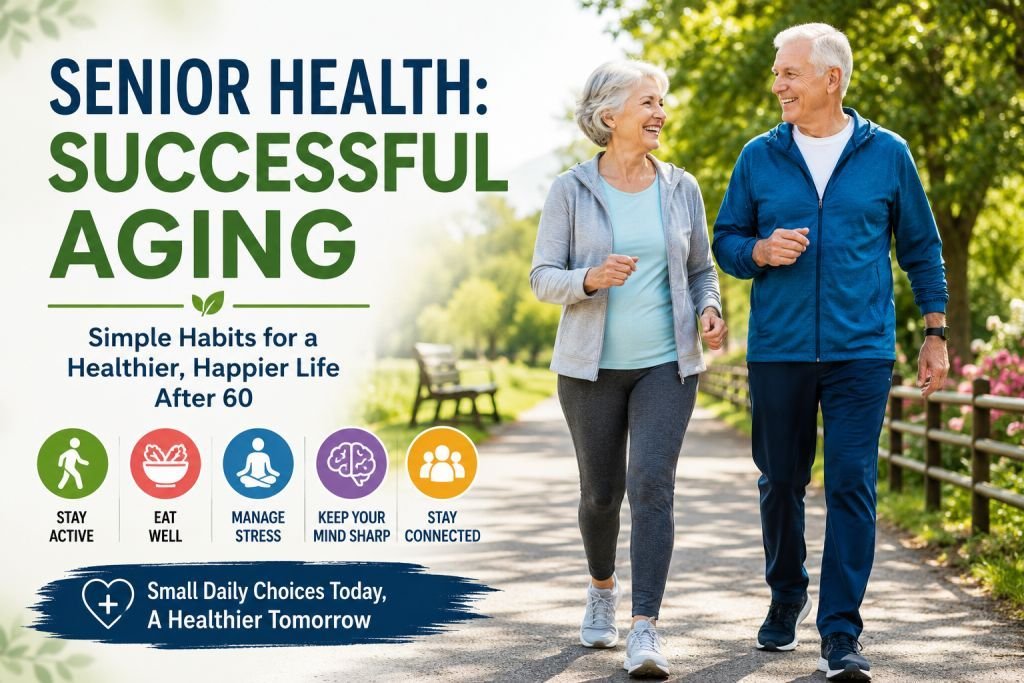
Growing older is something every one of us experiences, but the way we age can be very different. Some people stay active, independent, and mentally sharp well into their 80s, while others begin struggling with everyday tasks much earlier. The difference often comes down to daily habits, preventive healthcare, and staying socially and physically engaged.
The good news is that Senior Health: Successful Aging isn’t about chasing youth. It’s about making smart choices that help you enjoy life, protect your independence, and maintain your overall well-being as the years go by.
Whether you’re approaching retirement, caring for an aging parent, or already enjoying your senior years, this guide will walk you through practical, science-backed ways to support healthy aging.
Many Americans ask questions like:
- What is successful aging?
- How can seniors stay healthy naturally?
- What foods help people age better?
- Can exercise really slow age-related decline?
- What daily habits improve quality of life after 60?
You’ll find answers to all of these questions throughout this guide.
What Is Senior Health: Successful Aging?
Senior Health: Successful Aging refers to maintaining the best possible physical, mental, emotional, and social well-being as you grow older. Instead of simply living longer, successful aging focuses on living better.
It means:
- Staying physically active
- Managing chronic conditions
- Keeping your brain healthy
- Maintaining independence
- Building meaningful relationships
- Continuing to learn and enjoy life
Growing older doesn’t automatically mean becoming weak or dependent. Many adults remain energetic and productive long after retirement by making healthy choices consistently.
Successful Aging Looks Different for Everyone
One retired teacher may enjoy hiking every weekend.
Another person may find happiness volunteering at a local library.
Someone with arthritis may not run marathons, but they may still garden every day and enjoy excellent quality of life.
Successful aging isn’t about perfection.
It’s about making the most of your abilities while protecting your health.
Why Does Senior Health: Successful Aging Matter?
Americans are living longer than ever before.
According to the National Institute on Aging and the Centers for Disease Control and Prevention (CDC), healthy lifestyle habits can reduce the risk of many chronic diseases while improving quality of life as we age.
Healthy aging can help reduce the impact of:
- Heart disease
- Type 2 diabetes
- High blood pressure
- Stroke
- Osteoporosis
- Memory decline
- Depression
- Falls and injuries
Just as important, successful aging allows older adults to enjoy family gatherings, travel, hobbies, volunteering, and everyday independence.
Instead of merely adding years to life, it focuses on adding life to those years.
The Science Behind Successful Aging
Researchers have studied healthy aging for decades.
While genetics do play a role, studies consistently show that lifestyle choices significantly influence long-term health.
Healthy aging depends on several interconnected factors:
| Healthy Aging Factor | Why It Matters |
|---|---|
| Physical activity | Maintains strength, balance, and heart health |
| Nutrition | Supports muscles, bones, and immune function |
| Sleep | Helps memory, mood, and recovery |
| Social engagement | Reduces loneliness and supports mental health |
| Preventive healthcare | Detects health problems early |
| Brain stimulation | Supports cognitive function |
Many experts estimate that lifestyle habits influence healthy aging much more than most people realize.
Even small improvements made today may provide meaningful benefits over time.
Physical Benefits of Successful Aging
Making healthy lifestyle choices consistently can improve nearly every part of the body.
Potential benefits include:
- Better mobility
- Stronger muscles
- Improved balance
- Healthier bones
- Better heart function
- Lower risk of falls
- More daily energy
- Healthier weight management
- Better immune function
Imagine two neighbors who are both 72 years old.
One spends most days sitting indoors.
The other walks daily, gardens, cooks balanced meals, and meets friends weekly.
Their birth year may be identical, but their quality of life could be dramatically different.
Daily habits often create those differences.
Mental and Emotional Benefits of Successful Aging
Healthy aging isn’t only about physical health.
Mental wellness deserves equal attention.
Older adults who stay mentally and socially active often report:
- Better memory
- Greater confidence
- Lower stress
- Improved mood
- Better emotional resilience
- Increased sense of purpose
Activities like reading, volunteering, learning new skills, or spending time with grandchildren all contribute to emotional well-being.
Purpose matters at every age.
10 Proven Ways to Improve Senior Health: Successful Aging
1. Stay Physically Active Every Day
Physical activity remains one of the most powerful habits for successful aging.
You don’t need intense workouts.
Consistency matters far more than intensity.
Many seniors benefit from activities like:
- Walking
- Swimming
- Water aerobics
- Cycling
- Tai Chi
- Chair exercises
- Light strength training
- Stretching
Even 20 to 30 minutes of movement most days can support overall health.
Why Exercise Matters After 60
Regular movement helps:
- Maintain muscle mass
- Improve circulation
- Support heart health
- Strengthen bones
- Reduce stiffness
- Improve flexibility
- Enhance mood
- Support healthy sleep
Simple movement throughout the day often beats spending hours sitting.
2. Eat a Nutrient-Dense Diet
Food becomes even more important with age.
Older adults generally need fewer calories but more nutrients.
Focus on colorful, whole foods.
Build Your Plate Around:
- Vegetables
- Fruits
- Whole grains
- Lean proteins
- Beans
- Fish
- Nuts
- Seeds
- Low-fat dairy or fortified alternatives
Limit:
- Added sugars
- Highly processed foods
- Excess sodium
- Sugary beverages
- Excess saturated fat
Eating balanced meals can support energy, muscle maintenance, heart health, and immune function.
Best Foods That Support Successful Aging
| Food | Key Nutrients | Potential Benefits |
|---|---|---|
| Salmon | Omega-3 fats | Heart and brain health |
| Blueberries | Antioxidants | Healthy aging support |
| Spinach | Vitamin K | Bone health |
| Greek yogurt | Protein, calcium | Muscle and bone support |
| Oatmeal | Fiber | Heart health |
| Walnuts | Healthy fats | Brain support |
| Beans | Protein, fiber | Blood sugar support |
| Sweet potatoes | Vitamin A | Eye and immune health |
Eating a variety of colorful foods provides a wide range of vitamins, minerals, and antioxidants.
3. Prioritize High-Quality Sleep
Many adults notice changes in sleep as they grow older.
While sleeping patterns may shift, quality sleep remains essential.
Poor sleep may contribute to:
- Fatigue
- Memory problems
- Mood changes
- Reduced concentration
- Lower energy
Better Sleep Habits
- Go to bed at the same time each night.
- Keep your bedroom cool and quiet.
- Avoid heavy meals before bedtime.
- Limit caffeine late in the day.
- Reduce screen time before sleep.
- Stay physically active during the day.
If ongoing sleep problems interfere with daily life, talk with your healthcare provider.
4. Keep Your Brain Active
Your brain benefits from regular exercise just like your muscles.
Lifelong learning encourages cognitive health.
Ideas include:
- Reading books
- Crossword puzzles
- Sudoku
- Learning a language
- Playing a musical instrument
- Taking community classes
- Trying new hobbies
The goal isn’t simply entertainment.
It’s keeping your brain challenged in meaningful ways.
Everyday Brain Exercises
Try changing your daily routine.
Take a new walking route.
Cook a new recipe.
Learn basic photography.
Small mental challenges help keep your mind engaged.
5. Maintain Strong Social Connections
One overlooked aspect of Senior Health: Successful Aging is staying connected with other people.
Loneliness can affect both emotional and physical well-being.
Strong relationships provide:
- Emotional support
- Encouragement
- Purpose
- Reduced stress
- More opportunities to stay active
Ways to Stay Connected
- Join a walking group.
- Volunteer locally.
- Attend church or community events.
- Schedule weekly family dinners.
- Call old friends regularly.
- Join a hobby club.
- Take continuing education classes.
Even a few meaningful conversations each week can make a difference.
Can Social Activities Really Improve Healthy Aging?
Research suggests that staying socially engaged is associated with better emotional health and may help support cognitive well-being.
Think about retirees who volunteer every week.
Many say they stay active not because they have to—but because they genuinely enjoy helping others.
That sense of purpose often becomes one of the greatest gifts of successful aging.
Healthy Aging Is About Small Daily Choices
Many people believe dramatic lifestyle changes are necessary.
In reality, successful aging usually comes from small habits repeated over many years.
Examples include:
- Choosing water instead of soda.
- Taking a daily walk.
- Cooking more meals at home.
- Stretching every morning.
- Calling a friend once a week.
- Scheduling preventive checkups.
- Getting enough sleep.
- Spending time outdoors.
Each healthy decision builds upon the last.
Over time, those choices can contribute to better health, greater independence, and a higher quality of life.
6. Manage Stress in Healthy Ways
Stress is a normal part of life, but ongoing stress can affect both physical and mental health. Over time, chronic stress may contribute to high blood pressure, poor sleep, anxiety, and difficulty concentrating.
The goal isn’t to eliminate stress completely. Instead, it’s about learning healthy ways to manage it.
Simple Ways to Reduce Daily Stress
- Take a 15–30 minute walk outdoors.
- Practice deep breathing for a few minutes each day.
- Spend time gardening or caring for plants.
- Read a favorite book.
- Listen to relaxing music.
- Pray or meditate if it fits your beliefs.
- Write in a gratitude journal.
- Spend quality time with family and friends.
Even a few minutes of relaxation each day can improve mood and help you feel more balanced.
7. Stay Current With Preventive Healthcare
One of the most important parts of Senior Health: Successful Aging is preventing health problems before they become serious.
Routine checkups can identify concerns early, when treatment is often simpler and more effective.
Preventive Care Checklist for Older Adults
| Health Check | Why It Matters |
|---|---|
| Annual physical exam | Reviews overall health |
| Blood pressure screening | Helps detect hypertension |
| Cholesterol testing | Supports heart health |
| Blood sugar testing | Screens for diabetes |
| Vision exam | Protects eyesight |
| Hearing test | Identifies hearing loss |
| Dental checkup | Supports oral health |
| Bone density screening | Helps assess osteoporosis risk |
| Cancer screenings | Based on age and medical history |
| Recommended vaccinations | Helps prevent serious illnesses |
Always talk with your healthcare provider about which screenings are appropriate for your age, health history, and risk factors.
8. Protect Your Balance and Prevent Falls
Falls are one of the leading causes of injury among older adults, but many falls can be prevented.
Improving strength, balance, and home safety can make a significant difference.
Ways to Lower Your Risk of Falling
- Wear supportive, non-slip shoes.
- Remove loose rugs and clutter.
- Install grab bars in bathrooms.
- Use handrails on stairs.
- Improve lighting throughout your home.
- Stay physically active.
- Have your vision checked regularly.
- Review medications with your healthcare provider if they cause dizziness.
Balance Exercises to Try
- Standing on one foot while holding a sturdy chair
- Heel-to-toe walking
- Gentle yoga
- Tai Chi
- Chair-supported leg raises
These exercises should be performed only if they are safe for your fitness level.
9. Keep Your Mind Positive and Purposeful
A positive outlook doesn’t mean ignoring life’s challenges. It means finding reasons to stay engaged and hopeful.
Many older adults find purpose through:
- Volunteering
- Mentoring younger people
- Traveling
- Learning new skills
- Spending time with grandchildren
- Joining community organizations
- Starting new hobbies
Purpose can improve motivation and encourage healthier daily habits.
Remember: Retirement Is a New Chapter
Retirement doesn’t have to mean slowing down completely.
For many people, it becomes an opportunity to explore interests that busy careers once left little time for.
Whether it’s painting, woodworking, photography, or cooking, new hobbies can bring joy and keep the mind active.
10. Stay Independent by Building Healthy Daily Habits
Successful aging often comes down to consistency.
Small, healthy routines practiced every day can have a lasting impact.
Daily Habits That Support Healthy Aging
- Eat balanced meals.
- Drink enough water.
- Stay active.
- Sleep 7–9 hours if possible.
- Take medications as prescribed.
- Spend time with loved ones.
- Keep learning.
- Schedule preventive checkups.
- Practice gratitude.
- Stay organized with calendars or reminders.
These habits may seem simple, but together they create a strong foundation for healthy aging.
What Does a Healthy Day Look Like for a Senior?
Here’s an example of a balanced daily routine.
| Time | Activity |
|---|---|
| Morning | Healthy breakfast and short walk |
| Mid-Morning | Reading, puzzles, or hobbies |
| Lunch | Balanced meal with vegetables and lean protein |
| Afternoon | Gardening, volunteering, or social activity |
| Evening | Light dinner and stretching |
| Night | Relaxing routine before bedtime |
Your routine doesn’t need to look exactly like this. The key is finding activities that fit your lifestyle and health needs.
Common Mistakes to Avoid
Even well-intentioned people can develop habits that make healthy aging more difficult.
1. Sitting Too Much
Long periods of inactivity can affect muscle strength, circulation, and mobility.
2. Ignoring Preventive Care
Skipping regular checkups may allow health conditions to go unnoticed.
3. Eating Too Many Processed Foods
Highly processed foods often contain excess sodium, sugar, and unhealthy fats.
4. Not Drinking Enough Water
Older adults may not feel thirsty as often, increasing the risk of dehydration.
5. Avoiding Strength Training
Muscle naturally decreases with age, but resistance exercises can help maintain strength.
6. Isolating Yourself
Staying connected with family, friends, and community groups supports emotional well-being.
7. Ignoring Sleep Problems
Persistent sleep issues deserve medical attention rather than simply being accepted as “part of aging.”
Who Should Be Careful?
While these healthy aging tips benefit most people, some individuals should speak with a healthcare provider before making significant lifestyle changes.
This includes people who have:
- Heart disease
- Chronic kidney disease
- Severe arthritis
- Diabetes requiring medication adjustments
- Balance disorders
- Recent surgery
- Chronic lung disease
- Osteoporosis with fracture risk
Exercise plans, nutrition changes, and supplements should be personalized when medical conditions are present.
Frequently Asked Questions
What is successful aging?
Successful aging means maintaining the highest possible level of physical, mental, emotional, and social well-being while growing older. It focuses on quality of life rather than simply living longer.
At what age should healthy aging habits begin?
Healthy habits can begin at any age. However, starting in your 40s or 50s may help reduce the risk of chronic disease later in life. It’s never too late to make positive changes.
What foods are best for successful aging?
A balanced diet rich in vegetables, fruits, whole grains, lean proteins, beans, fish, nuts, seeds, and healthy fats provides important nutrients that support overall health.
How much exercise do older adults need?
Many experts recommend at least 150 minutes of moderate physical activity each week, along with muscle-strengthening activities at least twice weekly. Individual needs vary, so consult your healthcare provider before beginning a new exercise program.
Can brain exercises really help?
Activities that challenge the brain—such as reading, puzzles, learning new skills, or playing music—may help maintain cognitive function as part of an overall healthy lifestyle.
Is it normal to lose muscle with age?
Some muscle loss naturally occurs with aging, but regular strength training, adequate protein intake, and staying active can help slow this process.
How important is sleep after age 60?
Sleep remains essential throughout life. Good-quality sleep supports memory, mood, immune function, and overall health.
Can successful aging prevent disease?
Healthy habits can lower the risk of many chronic diseases, but they cannot guarantee prevention. Genetics, environment, and other factors also play a role.
Final Thoughts
Senior Health: Successful Aging is not about trying to look younger or avoiding every wrinkle. It’s about protecting your health, maintaining your independence, and enjoying the years ahead with confidence.
Healthy aging is built one decision at a time.
A morning walk.
A nutritious meal.
A phone call with a friend.
A good night’s sleep.
A routine checkup.
These simple habits may seem small today, but together they create a healthier future.
Remember that no one ages perfectly. There will be challenges along the way, but every positive choice can help improve your quality of life. Whether you’re in your 50s, 60s, 70s, or beyond, today is a great day to begin investing in your long-term well-being.
Disclaimer
This article is for educational purposes only and should not replace professional medical advice, diagnosis, or treatment. Always consult your physician or another qualified healthcare professional before making significant changes to your diet, exercise routine, medications, or healthcare plan.
Helpful External Resources
For evidence-based information on healthy aging, visit:
- National Institute on Aging: https://www.nia.nih.gov
- Centers for Disease Control and Prevention – Healthy Aging: https://www.cdc.gov/aging
Also Read –
Salmon Benefits: Powerful Reasons to Eat More Salmon
Blueberries: 25 Powerful Health Benefits for a Healthier Life
30 Super Foods for a Healthier You: Eat Better Every Day
Written by
Kanhaiya Solanki is a dedicated online researcher, content writer, and blogger passionate about publishing high-quality, research-based articles. His goal is to provide accurate, easy-to-understand, and practical information on health, technology, senior care, and lifestyle topics for readers worldwide.CategoriesHealth & Wellness