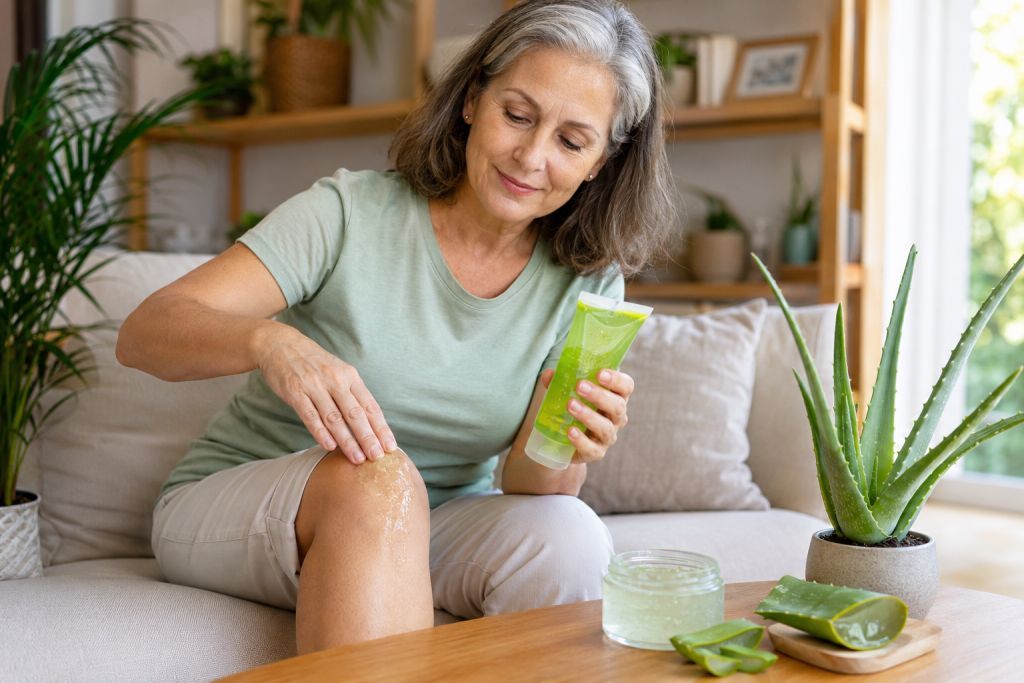
If you’ve ever dealt with sore muscles after gardening, stiff knees after a long walk, or irritated skin from a mild sunburn, you’ve probably searched for simple ways to feel better. One natural remedy that continues to attract attention is pain relief aloe vera.
For generations, aloe vera has been known as the “plant of healing.” While many people recognize it for soothing sunburns, its potential uses go far beyond skin care. Today, researchers are exploring whether aloe vera’s natural compounds may help reduce inflammation, calm irritated skin, and provide temporary relief from certain types of pain.
That doesn’t mean aloe vera is a miracle cure. Pain has many causes, and no single remedy works for everyone. However, when used appropriately alongside healthy lifestyle habits and medical advice when needed, aloe vera may become a helpful addition to your wellness routine.
This guide explains what science currently knows about pain relief aloe vera, how it works, who may benefit, and the safest ways to use it. Whether you’re looking for natural comfort after exercise or searching for gentle skin support, you’ll find practical, easy-to-understand information throughout this article.
Why Does Pain Relief Aloe Vera Matter?
Millions of Americans live with occasional or chronic discomfort every day. Joint stiffness becomes more common with age. Muscle soreness often follows exercise or physical work. Minor cuts, burns, and skin irritation can happen anytime.
Many people want natural options that fit into an overall healthy lifestyle. Aloe vera has become popular because it’s affordable, widely available, and easy to apply.
Some common reasons people try aloe vera include:
- Mild joint discomfort
- Muscle soreness
- Sunburn relief
- Dry or irritated skin
- Minor burns
- Small cuts and scrapes
- Everyday skin inflammation
Although aloe vera cannot replace professional medical treatment for serious injuries or chronic diseases, it may provide soothing support for certain minor conditions.
What Is Aloe Vera?
Aloe vera is a succulent plant with thick green leaves filled with a clear gel. This gel contains water along with hundreds of naturally occurring compounds.
For centuries, cultures across Africa, Asia, and the Mediterranean have used aloe vera in traditional wellness practices. Today, aloe vera appears in countless products, including:
- Cooling gels
- Skin creams
- Moisturizers
- After-sun lotions
- Cosmetic products
- Dietary drinks
- Herbal supplements
The clear gel inside the leaf is different from the yellow latex found just beneath the outer skin. The latex contains compounds that can act as strong laxatives and should not be confused with pure aloe gel.
How Does Pain Relief Aloe Vera Work?
One reason pain relief aloe vera has become so popular is its unique combination of plant compounds.
Researchers believe aloe vera may support comfort through several different mechanisms rather than just one.
1. Cooling the Skin
Fresh aloe gel feels naturally cool when applied to the skin.
That cooling sensation may temporarily reduce the feeling of discomfort, especially after:
- Mild burns
- Sun exposure
- Minor skin irritation
- Small insect bites
Many people notice immediate soothing even before any longer-lasting effects occur.
2. Supporting the Skin Barrier
Healthy skin acts as the body’s first line of defense.
Aloe vera contains moisturizing compounds that help hydrate dry skin. Better hydration may reduce tightness, itching, and irritation that often contribute to discomfort.
3. Natural Plant Compounds
Scientists have identified more than 75 potentially active substances in aloe vera, including:
| Natural Compound | Potential Role |
|---|---|
| Polysaccharides | Help retain moisture |
| Vitamins C & E | Antioxidant support |
| Amino acids | Support healthy tissues |
| Minerals | Assist normal skin function |
| Plant sterols | Studied for anti-inflammatory effects |
| Enzymes | Participate in natural biological processes |
Researchers continue studying how these compounds interact within the body.
4. Supporting Healthy Inflammation Response
Inflammation is a normal part of healing.
However, excessive inflammation may contribute to soreness and discomfort.
Some laboratory studies suggest aloe vera contains compounds that may help support the body’s normal inflammatory response. More human research is still needed before firm conclusions can be made.
Why Are More Americans Choosing Pain Relief Aloe Vera?
Interest in natural wellness has grown steadily over the past decade.
Many adults over 40 are looking for ways to complement healthy habits without relying solely on medications for every minor ache.
Some reasons include:
- Preference for plant-based products
- Easy availability
- Affordable price
- Pleasant cooling sensation
- Multi-purpose household use
- Gentle skin moisturizing benefits
Many families keep an aloe vera gel in their medicine cabinet alongside traditional first-aid supplies.
Can Pain Relief Aloe Vera Help Different Types of Pain?
The answer depends on the type of discomfort.
Aloe vera appears to work best when pain involves the skin or mild surface inflammation.
Let’s look at some common situations.
Minor Burns
This is where aloe vera has the strongest reputation.
Its cooling gel may help soothe mild first-degree burns while keeping the affected area moisturized.
Severe burns always require immediate medical attention.
Sunburn
Spending too much time outdoors can leave skin hot, red, and uncomfortable.
Many dermatologists agree that fragrance-free aloe gel can help cool irritated skin while supporting hydration.
Muscle Soreness
After yard work, exercise, or lifting heavy objects, muscles often become sore.
Although aloe vera won’t repair muscle fibers overnight, massaging a cooling aloe gel into tired muscles may provide temporary comfort.
Many athletes combine aloe massage with:
- Stretching
- Hydration
- Rest
- Ice or heat therapy
Joint Discomfort
Some people with mild joint stiffness enjoy using aloe-based creams during massage.
The massage itself improves circulation, while the cooling sensation may enhance comfort.
It’s important to remember that aloe vera does not cure arthritis or reverse joint damage.
Skin Irritation
Minor skin irritation from:
- Dry weather
- Shaving
- Heat rash
- Friction
- Mild allergic reactions
may improve with moisturizing aloe products designed for sensitive skin.
What Does Scientific Research Say About Pain Relief Aloe Vera?
Scientific evidence is promising in some areas but still developing in others.
Current research suggests:
- Aloe vera may support wound healing in certain situations.
- It may help moisturize damaged skin.
- Some plant compounds show anti-inflammatory activity in laboratory studies.
- Certain topical aloe products may help reduce discomfort associated with mild skin irritation.
However, studies on muscle pain, chronic joint pain, and long-term pain management remain limited.
Researchers continue investigating:
- Optimal concentrations
- Best application methods
- Long-term safety
- Which conditions benefit the most
This balanced view is important because trustworthy health advice should always reflect both what is known and what remains uncertain.
Top Benefits of Pain Relief Aloe Vera
Although results vary from person to person, many users appreciate aloe vera for several practical reasons.
1. Naturally Cooling
The fresh gel creates an immediate cooling effect that many people find comforting after minor skin irritation.
2. Moisturizes Dry Skin
Healthy, hydrated skin often feels less tight and irritated.
Aloe vera is mostly water, making it an excellent lightweight moisturizer.
3. Easy to Apply
Unlike some herbal remedies, aloe vera requires little preparation.
Simply apply a thin layer of pure gel to clean skin.
4. Widely Available
You can find aloe vera products in:
- Grocery stores
- Pharmacies
- Health food stores
- Garden centers
- Online retailers
Fresh aloe plants are also easy to grow indoors.
5. Suitable for Many Skin Types
Fragrance-free aloe gel is generally well tolerated by many people.
However, it’s still wise to perform a small patch test before widespread use.
6. Complements Other Healthy Habits
Rather than replacing healthy routines, aloe vera works best alongside:
- Regular movement
- Good nutrition
- Adequate sleep
- Proper hydration
- Stress management
These lifestyle habits often play a much larger role in long-term comfort than any single product alone.
Is Fresh Aloe Better Than Store-Bought Gel?
Many people wonder whether cutting a leaf directly from the plant is better than buying bottled gel.
Both options have advantages.
| Fresh Aloe | Store-Bought Aloe |
|---|---|
| No added preservatives | Convenient to use |
| Can be grown at home | Longer shelf life |
| Must be prepared carefully | Often stabilized for freshness |
| May spoil quickly | Easy to carry while traveling |
| Requires removing latex properly | Available in different formulas |
When purchasing aloe products, look for gels with a high percentage of pure aloe vera and minimal added fragrances or alcohol, especially if you have sensitive skin.
Best Ways to Use Pain Relief Aloe Vera
Using pain relief aloe vera correctly can make a difference in how comfortable and effective it feels. While aloe vera is generally easy to apply, choosing the right product and following a few simple steps can help you get the most benefit.
1. Apply Pure Aloe Vera Gel
Pure aloe vera gel is one of the most popular options for relieving minor skin discomfort.
For best results:
- Wash the affected area gently.
- Pat the skin dry with a clean towel.
- Apply a thin layer of aloe vera gel.
- Allow it to absorb naturally.
- Reapply two to three times daily if needed.
Choose products that contain a high percentage of aloe vera and avoid formulas with excessive alcohol, artificial dyes, or heavy fragrances.
2. Massage Aloe Vera Into Sore Muscles
A gentle massage may help improve circulation while the cooling gel provides temporary comfort.
Try this after:
- Yard work
- Walking long distances
- Light workouts
- Household chores
- Gardening
Massage the gel into the sore area for about five minutes using slow, gentle movements.
3. Use Aloe Vera After Exercise
Many people experience delayed muscle soreness after physical activity.
An effective recovery routine may include:
- Gentle stretching
- Drinking plenty of water
- Eating protein-rich foods
- Applying aloe vera gel
- Getting enough sleep
Remember that recovery depends on multiple healthy habits—not just one product.
4. Cool Aloe Vera in the Refrigerator
Some people prefer storing aloe vera gel in the refrigerator.
Cold gel may provide extra comfort for:
- Sunburn
- Mild burns
- Hot, irritated skin
- Insect bites
Avoid freezing aloe vera, as freezing may change its texture.
Can Pain Relief Aloe Vera Help Joint Discomfort?
Joint stiffness becomes more common with age.
While aloe vera cannot repair damaged cartilage or cure arthritis, some people enjoy using aloe-based creams as part of a daily self-care routine.
A typical routine may include:
- Morning stretching
- A short walk
- Warm shower
- Gentle joint massage with aloe vera gel
- Staying hydrated throughout the day
Massage itself may contribute to relaxation, while aloe adds a cooling sensation.
Pain Relief Aloe Vera for Skin Irritation
One of aloe vera’s best-known uses is calming irritated skin.
Common situations include:
- Mild sunburn
- Windburn
- Dry skin
- Razor burn
- Minor scratches
- Friction from clothing
- Heat rash
Because aloe vera contains a high percentage of water, it helps moisturize the skin while leaving very little greasy residue.
Pain Relief Aloe Vera for Minor Burns
Minor kitchen burns are common.
If you experience a small first-degree burn:
- Cool the burn under cool (not ice-cold) running water for several minutes.
- Gently dry the area.
- Apply pure aloe vera gel.
- Keep the area clean.
Do not apply aloe vera immediately to severe burns, deep burns, electrical burns, or burns with large blisters. Those require prompt medical care.
Can You Drink Aloe Vera for Pain Relief?
This is a common online question.
Some aloe beverages are sold as dietary supplements, but drinking aloe vera is different from applying it to the skin.
Current research does not clearly support drinking aloe vera specifically for pain relief.
In addition:
- Some aloe products contain latex, which may cause digestive side effects.
- Aloe supplements may interact with certain medications.
- Quality varies between manufacturers.
If you’re considering oral aloe supplements, talk with your healthcare provider first—especially if you have diabetes, kidney disease, digestive disorders, or take prescription medications.
Choosing the Best Aloe Vera Product
Not all aloe products are the same.
Look for these features when shopping.
| Feature | Why It Matters |
|---|---|
| High aloe content | More actual aloe gel |
| Fragrance-free | Better for sensitive skin |
| Alcohol-free | Helps prevent excessive dryness |
| Clear ingredient list | Easier to understand what you’re buying |
| Reputable manufacturer | Better quality control |
Avoid products that rely heavily on artificial colors or strong perfumes if your goal is soothing irritated skin.
Foods That May Support Pain Relief
Aloe vera works best as part of a healthy lifestyle rather than a standalone solution.
An anti-inflammatory eating pattern may help support overall joint and muscle health.
Consider adding more:
- Salmon
- Sardines
- Walnuts
- Almonds
- Blueberries
- Strawberries
- Cherries
- Spinach
- Kale
- Broccoli
- Tomatoes
- Olive oil
- Beans
- Oatmeal
- Whole grains
These foods provide nutrients that support overall wellness and healthy aging.
Stay Hydrated
Dehydration may contribute to fatigue and muscle cramps.
Simple hydration tips include:
- Drink water regularly throughout the day.
- Eat water-rich fruits.
- Limit sugary beverages.
- Increase fluids during hot weather.
- Drink more after exercise.
Hydrated tissues generally function better than dehydrated ones.
Gentle Exercises That May Reduce Everyday Aches
Movement often helps more than complete inactivity.
Always choose exercises appropriate for your health and fitness level.
Walking
Walking improves circulation and helps keep joints moving.
Aim for:
- 20–30 minutes most days
- Comfortable pace
- Supportive walking shoes
Stretching
Daily stretching may improve flexibility.
Focus on:
- Neck
- Shoulders
- Lower back
- Hamstrings
- Calves
Stretch gently without bouncing.
Swimming
Water supports body weight, reducing stress on joints.
Swimming and water aerobics are excellent options for many older adults.
Yoga
Gentle yoga combines movement with controlled breathing.
Many beginners enjoy chair yoga or senior-friendly classes.
Strength Training
Light resistance exercises help maintain muscle that supports healthy joints.
Use:
- Resistance bands
- Light dumbbells
- Body-weight exercises
Consult your healthcare provider before starting a new exercise routine if you have chronic medical conditions.
Healthy Daily Habits That Support Pain Management
Pain relief is rarely about one single product.
Small daily habits often produce the greatest long-term benefits.
Consider these healthy practices:
- Maintain a healthy weight.
- Stay physically active.
- Prioritize quality sleep.
- Manage stress.
- Avoid smoking.
- Eat balanced meals.
- Stretch regularly.
- Stay hydrated.
- Protect your skin from excessive sun exposure.
Combined with these habits, pain relief aloe vera may fit naturally into a balanced wellness routine.
Common Mistakes to Avoid
Many people unintentionally reduce the benefits of aloe vera by making simple mistakes.
Using Products With Too Many Additives
Some gels contain:
- Alcohol
- Artificial fragrance
- Artificial coloring
These ingredients may irritate sensitive skin.
Applying Aloe to Dirty Skin
Always clean the affected area first.
Applying gel over dirt or sweat may reduce effectiveness.
Expecting Instant Healing
Aloe vera can soothe discomfort, but it is not an overnight cure for chronic pain or serious injuries.
Patience and consistent healthy habits matter.
Ignoring Persistent Pain
Pain lasting several weeks deserves medical evaluation.
Do not rely solely on home remedies if symptoms continue or worsen.
Skipping the Patch Test
Even natural products can cause allergic reactions.
Apply a small amount to your inner forearm and wait 24 hours before using it more broadly.
Who Should Be Careful When Using Pain Relief Aloe Vera?
Although topical aloe vera is considered safe for many adults, some people should use extra caution.
These include:
- People with known aloe allergies
- Individuals with very sensitive skin
- Those with open or infected wounds unless advised by a healthcare professional
- People taking medications who plan to use oral aloe supplements
- Pregnant or breastfeeding women considering oral aloe products
If redness, swelling, itching, or irritation develops after applying aloe vera, stop using the product and consult a healthcare provider.
When Should You See a Doctor?
Natural remedies have limits.
Seek medical attention if you experience:
- Severe or unexplained pain
- Large or deep burns
- Signs of infection (pus, increasing redness, fever)
- Joint swelling after an injury
- Pain lasting more than several weeks
- Difficulty moving a limb
- Numbness or weakness
Early evaluation can help identify the underlying cause and guide appropriate treatment.
A Balanced Approach to Pain Relief
The best pain management plan often combines several healthy strategies rather than relying on a single remedy.
Here’s a quick comparison:
| Strategy | Potential Benefit |
|---|---|
| Aloe vera gel | Temporary soothing for minor skin irritation and surface discomfort |
| Regular exercise | Supports joint mobility and muscle strength |
| Healthy diet | Provides nutrients that support overall wellness |
| Hydration | Helps muscles and tissues function properly |
| Adequate sleep | Supports recovery and healing |
| Stress management | May reduce tension-related discomfort |
| Medical care when needed | Addresses underlying conditions appropriately |
Using pain relief aloe vera alongside these healthy habits can be a practical way to support everyday comfort while maintaining realistic expectations.
Frequently Asked Questions About Pain Relief Aloe Vera
1. Does pain relief aloe vera really work?
Pain relief aloe vera may help soothe minor skin irritation, mild burns, sunburn, and temporary muscle discomfort for some people. Its cooling and moisturizing properties are well known, and some research suggests certain compounds in aloe vera may support the body’s natural inflammatory response. However, it is not a cure for chronic pain or serious medical conditions.
2. Can aloe vera help with arthritis pain?
Some people enjoy applying aloe vera gel to stiff joints because it provides a cooling sensation and works well during a gentle massage. However, there is not enough strong scientific evidence to confirm that aloe vera treats arthritis or prevents joint damage. If you have persistent arthritis symptoms, follow your healthcare provider’s treatment plan.
3. Is fresh aloe vera better than bottled aloe vera gel?
Fresh aloe vera can be an excellent option if prepared correctly. Store-bought gels are more convenient and often have a longer shelf life. Choose a product with a high percentage of pure aloe vera and minimal added ingredients, especially if you have sensitive skin.
4. Can I use pain relief aloe vera every day?
For many people, topical aloe vera gel can be used daily on healthy skin as directed by the product label. If irritation develops, stop using it and consult a healthcare professional.
5. Can aloe vera reduce muscle soreness after exercise?
Aloe vera may provide temporary cooling comfort after physical activity, especially when combined with gentle massage. However, proper recovery also depends on hydration, stretching, balanced nutrition, and adequate rest.
6. Can aloe vera help relieve back pain?
Back pain has many possible causes, including muscle strain, poor posture, and underlying medical conditions. Aloe vera gel may temporarily soothe the skin and provide a cooling sensation, but it does not treat the underlying cause of back pain.
7. Is aloe vera safe for older adults?
Most healthy adults, including many older adults, can use topical aloe vera products safely. Because aging skin can be more sensitive, it’s a good idea to perform a small patch test before applying the gel to larger areas.
8. Can aloe vera replace pain medication?
No. Aloe vera should not replace prescribed medications or medical treatment without guidance from a healthcare professional. It may be used as part of an overall wellness routine for minor discomfort, but it is not a substitute for professional care.
9. How often should I apply aloe vera gel?
Many topical products recommend applying aloe vera two to three times daily. Always follow the directions on the product label and avoid excessive use on irritated or damaged skin.
10. What should I look for when buying aloe vera gel?
Look for products that are:
- High in pure aloe vera content
- Fragrance-free if you have sensitive skin
- Alcohol-free
- Clearly labeled with ingredients
- Made by a reputable manufacturer
Quick Tips for Getting the Most from Pain Relief Aloe Vera
If you’re adding pain relief aloe vera to your wellness routine, keep these practical tips in mind:
- Choose a high-quality, pure aloe vera gel.
- Apply it only to clean skin.
- Store the gel in the refrigerator for an extra cooling effect.
- Stay consistent with healthy lifestyle habits.
- Don’t expect instant or dramatic results.
- Seek medical advice for severe or persistent pain.
- Perform a patch test before first use.
- Keep aloe vera products out of reach of children unless intended for their use.
Pain Relief Aloe Vera at a Glance
| Topic | Key Takeaway |
|---|---|
| Best For | Minor burns, sunburn, mild skin irritation, temporary muscle soreness |
| Main Benefit | Cooling and moisturizing support |
| How to Use | Apply a thin layer to clean skin 2–3 times daily, if appropriate |
| Who May Benefit | Adults seeking a natural addition to their self-care routine |
| Not Intended For | Severe injuries, deep burns, fractures, or chronic pain treatment |
| Safety Tip | Patch test before first use and discontinue if irritation occurs |
Disclaimer
This article is intended for educational and informational purposes only and should not be considered medical advice. Aloe vera may not be appropriate for everyone, and results can vary depending on the individual and the underlying cause of pain. Always consult a qualified healthcare professional before starting any new treatment, especially if you have a chronic medical condition, are pregnant or breastfeeding, or take prescription medications. Seek immediate medical care for severe pain, significant burns, infections, or other medical emergencies.
Final Thoughts
Natural remedies continue to be popular because many people appreciate gentle, plant-based approaches to everyday wellness. Among these, pain relief aloe vera has earned a lasting place due to its cooling feel, moisturizing properties, and long history of traditional use.
While scientific research is still evolving, current evidence suggests that topical aloe vera may help soothe minor skin irritation, support skin hydration, and provide temporary comfort for certain types of mild discomfort. It is not a miracle cure, nor should it replace appropriate medical care for serious injuries or chronic conditions.
The most effective approach to managing everyday aches is usually a combination of healthy habits. Staying active, eating a balanced diet, drinking enough water, getting quality sleep, and maintaining a healthy weight all play a significant role in long-term comfort. Aloe vera can fit naturally into that routine as one supportive tool among many.
If you decide to try pain relief aloe vera, choose a high-quality product, use it as directed, and keep realistic expectations. Small, consistent self-care habits often make the biggest difference over time.
Suggested Internal Links
Consider linking this article to other relevant content on your website, such as:
- Best Anti-Inflammatory Foods for Seniors
- Natural Ways to Reduce Joint Pain After 50
- Best Exercises for Healthy Knees
- How to Stay Hydrated After Age 60
- Signs You Should See a Doctor for Joint Pain
Suggested Outbound Links
For added trust and E-E-A-T, link to reputable health resources such as:
- National Center for Complementary and Integrative Health (NCCIH): https://www.nccih.nih.gov
- National Institutes of Health (NIH): https://www.nih.gov
- Arthritis Foundation: https://www.arthritis.org
- American Academy of Dermatology: https://www.aad.org
- Centers for Disease Control and Prevention (CDC): https://www.cdc.gov
Also Read –
Salmon Benefits: Powerful Reasons to Eat More Salmon
Blueberries: 25 Powerful Health Benefits for a Healthier Life
30 Super Foods for a Healthier You: Eat Better Every Day
Written by
Kanhaiya Solanki is a dedicated online researcher, content writer, and blogger passionate about publishing high-quality, research-based articles. His goal is to provide accurate, easy-to-understand, and practical information on health, technology, senior care, and lifestyle topics for readers worldwide.CategoriesHealth & Wellness