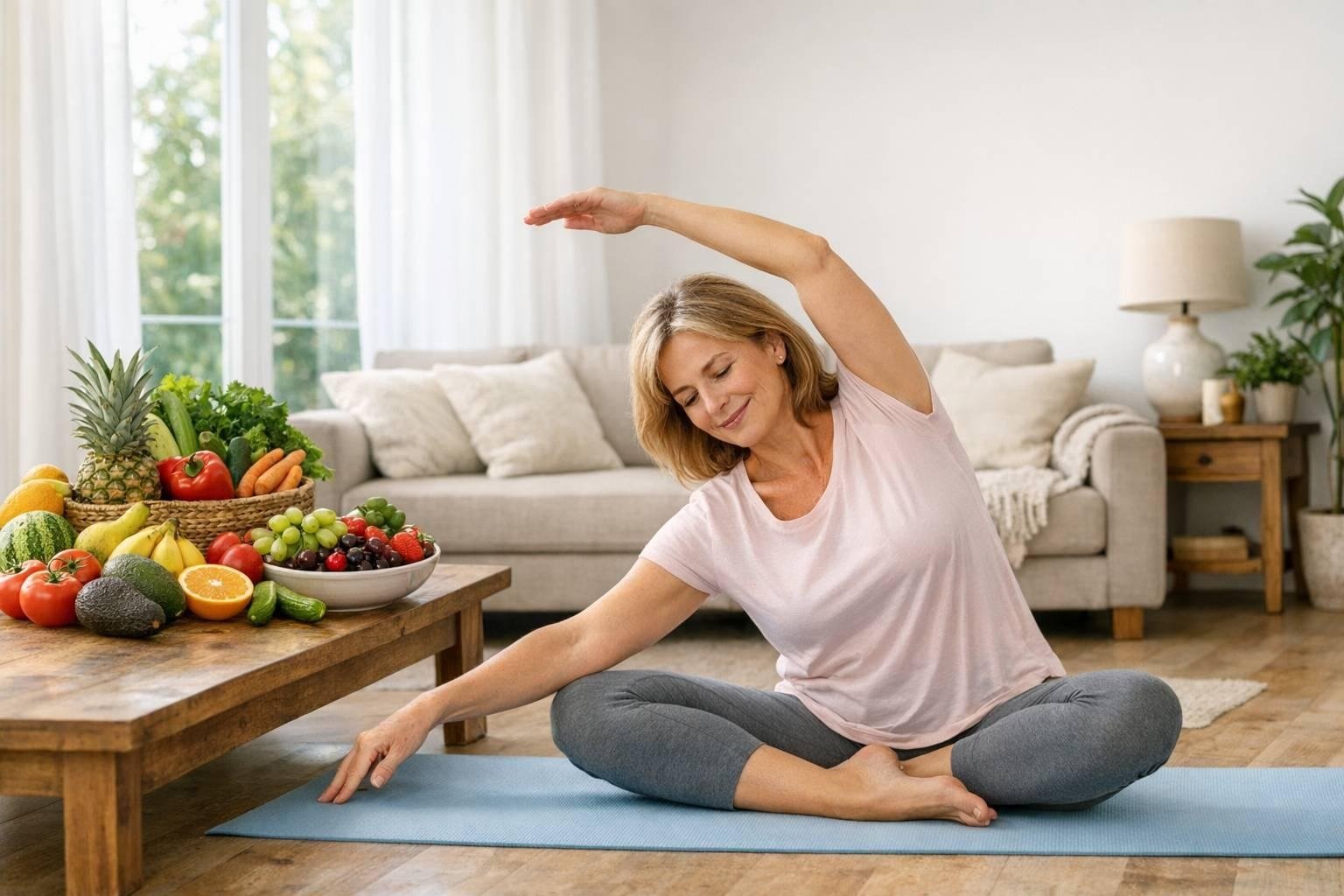
Aches and pains often become more common with age, but that doesn’t mean discomfort has to control your daily life. Many older adults are looking for natural pain relief for seniors because they want gentle options that can be used alongside their doctor’s treatment plan. The good news is that several evidence-based lifestyle approaches may help reduce pain, improve mobility, and make everyday activities easier.
If you’ve ever woken up with stiff knees, a sore lower back, or aching hands, you’re not alone. Millions of Americans over 60 deal with chronic pain related to arthritis, old injuries, muscle tension, or reduced physical activity. In this guide, I’ll walk through practical strategies that real seniors use every day—from heat therapy and stretching to anti-inflammatory foods and better sleep habits.
Natural pain relief for seniors has become a popular topic because many older adults want to stay active without relying only on medication. While pain medicines can be helpful, they may also cause side effects such as drowsiness, stomach irritation, or interactions with other prescriptions.
A more balanced approach often works best. Gentle movement, healthy eating, stress reduction, and physical therapies can all play a role in reducing discomfort and improving quality of life.
This article is written for adults over 40, caregivers, and seniors who want practical, easy-to-understand advice that can be discussed with a healthcare provider.
Why Natural Pain Relief for Seniors Matters
Pain is not just a physical sensation. It can affect sleep, mood, energy levels, and independence. When pain becomes chronic, people may start avoiding activities they enjoy, which can lead to weaker muscles and even more stiffness.
Here’s why finding safe pain relief strategies is so important:
- Better mobility: Walking, climbing stairs, and getting out of a chair become easier.
- Improved sleep: Less nighttime pain can lead to deeper, more restorative sleep.
- More independence: Daily tasks such as cooking, shopping, and gardening may feel less overwhelming.
- Better mood: Chronic pain is closely linked with anxiety and depression.
- Fewer medication concerns: Some natural methods may help reduce the need for additional pain medicine, though medications should never be changed without medical guidance.
Understanding the Most Common Causes of Pain in Older Adults
Before choosing a remedy, it helps to understand what’s causing the discomfort.
| Condition | Common area | Typical symptoms |
|---|---|---|
| Osteoarthritis | Knees, hips, hands | Stiffness, swelling, aching |
| Lower back pain | Lower back | Dull ache, muscle tightness |
| Muscle strain | Shoulders, back, legs | Soreness with movement |
| Neuropathy | Feet and hands | Burning, tingling, numbness |
| Old injuries | Any joint | Pain that flares with activity |
Knowing the cause helps determine whether heat, exercise, dietary changes, or another approach is most likely to help.
How Does Natural Pain Relief for Seniors Work?
Natural pain relief methods generally target one or more of these factors:
Reducing inflammation
Inflammation can contribute to joint pain and stiffness. Anti-inflammatory foods and regular physical activity may help calm this process.
Improving blood flow
Heat therapy, massage, and gentle exercise increase circulation, which can help relax muscles and reduce stiffness.
Strengthening supportive muscles
Weak muscles place extra stress on joints. Building strength around the knees, hips, and core can reduce pain during movement.
Calming the nervous system
Stress and anxiety can make pain feel more intense. Relaxation techniques may help the brain process pain signals differently.
The Best Natural Pain Relief for Seniors
1. Heat Therapy for Stiff Joints and Muscles
Heat is one of the simplest and most effective home remedies.
Try:
- A heating pad for 15–20 minutes
- A warm shower in the morning
- A microwavable heat wrap
- A warm bath with Epsom salt
Best for:
- Morning stiffness
- Arthritis pain
- Tight muscles
- Lower back discomfort
Safety tip: Avoid falling asleep with a heating pad, and place a cloth between the pad and your skin to prevent burns.
2. Gentle Daily Walking
Walking keeps joints moving and helps lubricate them naturally.
Start with:
- 5–10 minutes once or twice daily
- A flat, safe surface
- Supportive walking shoes
Gradually work toward 20–30 minutes most days of the week. Many seniors notice that their knees feel stiff when they sit too long, but improve after a few minutes of walking.
3. Stretching Every Morning
A short stretching routine can make a big difference.
Simple morning stretches
- Neck stretch: Gently tilt your head side to side.
- Shoulder rolls: Roll shoulders backward 10 times.
- Seated hamstring stretch: Extend one leg and lean forward slightly.
- Calf stretch: Place hands on a wall and step one foot back.
- Lower back stretch: Pull one knee toward your chest while lying down.
Hold each stretch for 15–30 seconds without bouncing.
4. Strength Training for Joint Support
This surprises many people, but stronger muscles often mean less joint pain.
Easy beginner exercises
- Sit-to-stand from a chair
- Wall push-ups
- Seated leg lifts
- Standing calf raises
- Resistance band rows
Aim for 2–3 sessions per week with a day of rest between sessions.
Anti-Inflammatory Foods That May Help
What you eat can influence inflammation levels in the body.
Foods to eat more often
Fruits
Blueberries, strawberries, cherries, oranges
Vegetables
Spinach, kale, broccoli, sweet potatoes
Healthy fats
Salmon, sardines, walnuts, flaxseeds, olive oil
Whole grains
Oatmeal, brown rice, quinoa
Flavor boosters
Turmeric, ginger, garlic
Foods to limit
- Sugary drinks
- Excess sweets
- Highly processed snacks
- Deep-fried foods
- Excess alcohol
A simple pain-friendly breakfast
Oatmeal topped with blueberries, walnuts, and a sprinkle of cinnamon is an easy anti-inflammatory meal that also provides fiber and healthy fats.
Can Turmeric and Ginger Really Help?
These are two of the most researched natural remedies for joint discomfort.
Turmeric
Turmeric contains curcumin, which has anti-inflammatory properties. Some studies suggest it may help reduce osteoarthritis symptoms.
How to use it:
- Add ½ teaspoon to soups or rice
- Mix with warm milk or a dairy-free alternative
- Use in curries or roasted vegetables
A pinch of black pepper may improve absorption.
Ginger
Ginger may help reduce muscle soreness and joint discomfort.
Easy options:
- Fresh ginger tea
- Grated ginger in stir-fries
- Ginger added to smoothies
Important: Turmeric and ginger can interact with blood-thinning medications. Ask your healthcare provider before taking concentrated supplements.
The Role of Massage Therapy
Massage can help relax tight muscles and improve circulation.
Benefits seniors often report
- Less muscle tension
- Improved range of motion
- Reduced stress
- Better sleep
- Temporary pain relief
Even self-massage with lotion on the hands, calves, or shoulders can feel soothing.
If you see a massage therapist, choose someone experienced in working with older adults and mention any joint replacements, osteoporosis, or medical conditions.
Water Exercise: One of the Best Options for Arthritis
Exercising in water reduces stress on the joints while allowing muscles to work.
Why it works
- Water supports body weight
- Movements are easier and less painful
- Warm water helps relax muscles
- Balance is often better in the pool
Look for water aerobics, arthritis swim classes, or senior aquatic fitness programs at local community centers or YMCAs.
Sleep and Pain: The Overlooked Connection
Poor sleep can make pain feel worse the next day.
Better sleep habits
- Keep a consistent bedtime
- Avoid large meals late at night
- Limit caffeine after early afternoon
- Keep the bedroom cool and dark
- Use a supportive mattress and pillow
Many seniors find that placing a pillow between the knees (side sleepers) or under the knees (back sleepers) reduces back and hip pain.
Stress Reduction for Chronic Pain
Pain is real, but emotional stress can increase muscle tension and make symptoms harder to manage.
Simple relaxation techniques
Deep breathing
Inhale slowly for 4 seconds, hold for 2 seconds, and exhale for 6 seconds. Repeat for 5 minutes.
Guided meditation
Free programs are available through NCCIH and many senior centers.
Gentle yoga or tai chi
These practices combine movement, balance, and breathing. Research has shown benefits for arthritis, back pain, and fall prevention.
For beginner-friendly routines, the National Institute on Aging offers free exercise resources for older adults.
A Simple Daily Routine for Natural Pain Relief
Here’s a realistic example for a 70-year-old with mild knee and back pain.
Morning (10–15 minutes)
- Warm shower
- Gentle stretching
- Short walk around the house or yard
Afternoon
- 10–20 minute walk
- Anti-inflammatory lunch with vegetables and lean protein
- Stay hydrated
Evening
- Heating pad on sore joints for 15 minutes
- Light stretching
- Relaxation breathing before bed
Consistency matters more than doing everything perfectly.
Common Mistakes to Avoid
Resting too much
When joints hurt, it’s tempting to stay in bed or sit for long periods. Unfortunately, inactivity often leads to more stiffness and weaker muscles.
Starting exercise too aggressively
Doing too much too soon can cause flare-ups. Increase activity gradually.
Ignoring footwear
Worn-out shoes can worsen knee, hip, and back pain. Look for supportive shoes with good cushioning.
Using heat on a swollen joint
If a joint is hot, red, and swollen, ice may be more appropriate than heat. Ask your healthcare provider if you’re unsure.
Expecting overnight results
Natural pain relief usually works gradually over several weeks. Small improvements add up.
Who Should Be Careful With Natural Remedies?
Talk with a healthcare professional before trying new remedies if you have:
- Heart disease
- Kidney disease
- Liver disease
- Diabetes
- A history of stomach ulcers
- Osteoporosis
- Recent surgery
- Joint replacements
- Blood-thinner use (warfarin, apixaban, rivaroxaban, etc.)
Natural does not always mean risk-free, especially when supplements are involved.
When Should a Senior See a Doctor?
Seek medical attention if pain is:
- Sudden and severe
- Associated with chest pain or shortness of breath
- Causing weakness or numbness
- Accompanied by fever
- Following a fall or injury
- Making it impossible to bear weight
- Persisting for more than a few weeks despite home care
These symptoms may indicate a condition that needs prompt evaluation.
Frequently Asked Questions About Natural Pain Relief for Seniors
What is the safest natural pain relief for seniors?
Heat therapy, gentle walking, stretching, and physical therapy exercises are generally among the safest options for most older adults. They have a low risk of side effects when done correctly.
Can arthritis pain improve without medication?
Some people experience meaningful improvement through exercise, weight management, heat therapy, and anti-inflammatory eating patterns. However, others may still need medication, and treatment should be individualized.
Is turmeric better than over-the-counter pain relievers?
Turmeric is not a direct replacement for pain medication. It may provide mild anti-inflammatory support for some individuals, but results vary, and it works more gradually.
How often should seniors exercise for pain relief?
Aim for at least 150 minutes of moderate activity per week, such as walking or water exercise, along with strength training twice weekly, if approved by your healthcare provider.
What helps lower back pain in older adults?
Gentle stretching, core-strengthening exercises, walking, proper posture, and heat therapy are often helpful. Persistent or severe back pain should be evaluated by a healthcare professional.
Can dehydration make pain worse?
Yes. Dehydration can contribute to muscle cramps, fatigue, and headaches, which may make overall discomfort feel worse. Many seniors do not feel thirsty as often, so regular fluid intake is important.
Are Epsom salt baths helpful?
Some seniors find warm Epsom salt baths relaxing for sore muscles and stiff joints. The warmth itself is likely the main benefit, though the bath can still be a soothing part of a pain-relief routine.
Final Thoughts
Living with chronic pain can be frustrating, but many older adults find that a combination of movement, heat, healthy food, better sleep, and stress reduction helps them feel more comfortable and stay independent.
The most effective natural pain relief plan is usually simple and consistent. You don’t need an expensive supplement or a complicated program. Start with one or two changes, such as a daily walk and a 10-minute stretching routine, and build from there.
Remember that pain is your body’s signal that something deserves attention. If symptoms are severe, changing, or not improving, check in with your healthcare provider. Natural approaches can be an excellent complement to medical care, helping you stay active and enjoy the activities that matter most.
A practical goal is not necessarily to eliminate every ache. It’s to move more easily, sleep better, and feel confident doing everyday tasks. For many seniors, that’s a goal well worth pursuing.
Disclaimer: This article is for educational purposes only and is not medical advice. Always consult your healthcare provider before starting new exercises, supplements, or treatment strategies, especially if you have chronic medical conditions or take prescription medications.
Also Read –
Salmon Benefits: Powerful Reasons to Eat More Salmon
Blueberries: 25 Powerful Health Benefits for a Healthier Life
30 Super Foods for a Healthier You: Eat Better Every Day
Written by
Kanhaiya Solanki is a dedicated online researcher, content writer, and blogger passionate about publishing high-quality, research-based articles. His goal is to provide accurate, easy-to-understand, and practical information on health, technology, senior care, and lifestyle topics for readers worldwide.CategoriesHealth & Wellness