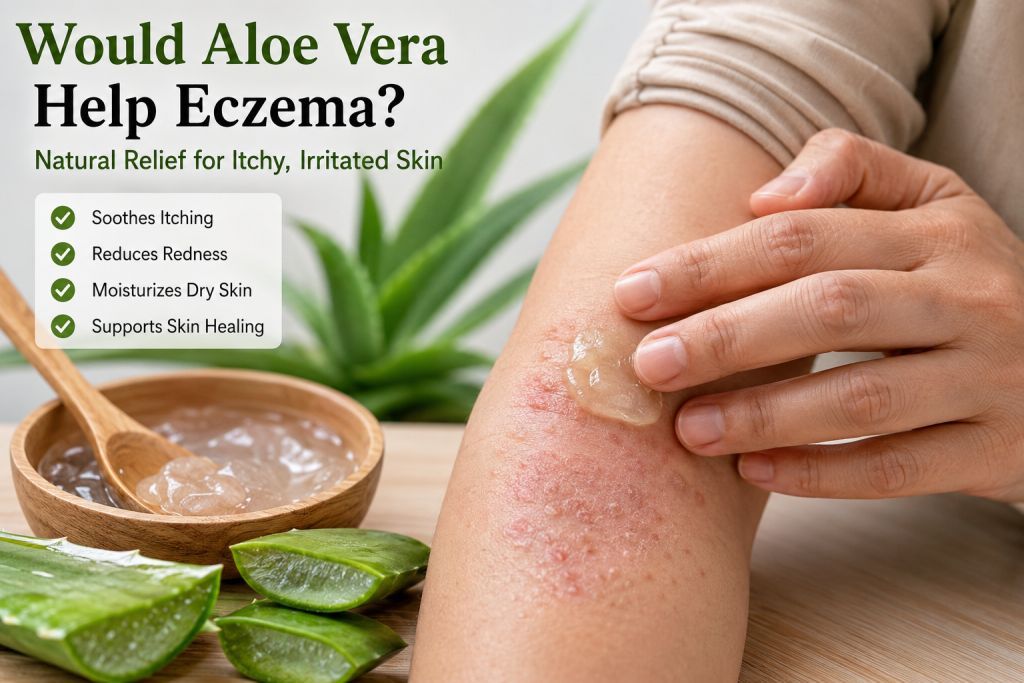
If you’ve ever searched online for natural ways to calm itchy, irritated skin, you’ve probably wondered, would aloe vera help eczema? It’s a common question, especially among adults and seniors looking for gentle home remedies that may support healthier skin.
Eczema, also known as atopic dermatitis, affects millions of Americans every year. It can cause dry patches, redness, itching, and discomfort that sometimes interfere with sleep and daily activities. While prescription medications and medicated creams are often recommended for moderate to severe eczema, many people also explore natural products like aloe vera.
Aloe vera has long been known for soothing sunburns and minor skin irritation. But does it really help eczema? The answer isn’t as simple as yes or no. Some people notice relief, while others may not experience significant improvement. The effectiveness depends on several factors, including the type of eczema, the condition of your skin, and the quality of the aloe vera product.
This guide explains what current research says, how aloe vera may support eczema care, and the safest ways to include it in your skincare routine. You’ll also learn who should avoid aloe vera and when it’s time to seek medical advice.
What Is Eczema?
Eczema is a long-term skin condition that weakens the skin’s protective barrier. As a result, the skin loses moisture more easily and becomes sensitive to irritants, allergens, and environmental changes.
Common symptoms include:
- Dry, flaky skin
- Persistent itching
- Red or inflamed patches
- Thickened skin after repeated scratching
- Small bumps that may leak fluid
- Cracked skin that can become painful
Although eczema often begins during childhood, many adults continue living with it for decades. Others develop eczema later in life.
Common triggers include:
- Dry weather
- Hot showers
- Harsh soaps
- Stress
- Seasonal allergies
- Pet dander
- Certain fabrics such as wool
- Fragranced skincare products
Because triggers vary from person to person, eczema management usually requires a personalized skincare routine.
Why This Topic Matters
Interest in natural skincare has grown rapidly across the United States. Many people prefer starting with gentle, plant-based ingredients before considering stronger treatments.
One reason aloe vera continues to attract attention is its long history in skin care. For generations, families have used aloe gel for burns, cuts, insect bites, and irritated skin. That naturally raises the question: Would aloe vera help eczema too?
Finding safe, affordable ways to reduce itching and dryness matters because eczema often becomes a chronic condition. Even when prescription medicine works well, daily moisturizing remains one of the most important parts of eczema care.
If aloe vera can support healthy skin alongside proven treatments, it may become a useful addition to your skincare routine.
Would Aloe Vera Help Eczema?
The short answer is it might help some people, but it is not a cure.
Current research suggests aloe vera contains compounds that may:
- Help moisturize dry skin
- Support the skin’s natural barrier
- Calm minor irritation
- Provide a cooling sensation
- Reduce temporary redness
- Encourage healthy skin healing
However, scientific studies specifically examining aloe vera for eczema have produced mixed results. While some participants reported symptom improvement, others experienced little change compared to using standard moisturizers.
Most dermatologists agree on one important point:
Aloe vera may be helpful as a supportive skincare product, but it should not replace treatments recommended by your healthcare provider.
People with mild eczema may notice:
- Less dryness
- Reduced skin tightness
- Temporary itch relief
- Improved comfort after moisturizing
For moderate or severe eczema, prescription medications may still be necessary to control inflammation.
Why Aloe Vera Is Popular for Skin Care
Aloe vera is more than 95% water, making it naturally hydrating.
Inside the thick green leaves is a clear gel containing many naturally occurring compounds, including:
- Vitamins A, C, and E
- Amino acids
- Enzymes
- Minerals
- Natural sugars
- Antioxidants
- Plant polysaccharides
These components have made aloe vera a common ingredient in skincare products sold across the United States.
Many moisturizers now combine aloe vera with ingredients like:
- Ceramides
- Glycerin
- Hyaluronic acid
- Colloidal oatmeal
- Shea butter
These combinations may provide better hydration than aloe vera alone.
What Does Science Say About Aloe Vera and Eczema?
Researchers have studied aloe vera for many different skin conditions, including burns, wound healing, acne, psoriasis, and eczema.
Although evidence continues to grow, scientists generally agree that more high-quality clinical trials are needed before aloe vera can be recommended as a primary eczema treatment.
Current findings suggest aloe vera may help because it has properties that are:
Moisturizing
Dry skin is one of the biggest problems in eczema.
Aloe vera gel helps add moisture to the outer layer of the skin. Well-hydrated skin often feels softer and less itchy.
However, aloe vera works best when applied to slightly damp skin and followed by a thicker moisturizer that helps lock moisture inside.
Cooling
Anyone living with eczema knows how uncomfortable itchy flare-ups can become.
Fresh aloe vera gel naturally feels cool when applied to the skin. That cooling sensation may temporarily reduce discomfort and make the skin feel calmer.
This does not mean inflammation has disappeared, but it may provide short-term comfort.
Rich in Antioxidants
Aloe vera contains antioxidants that help protect skin cells from everyday environmental stress.
Healthy skin needs protection from factors like:
- Pollution
- UV exposure
- Dry indoor heating
- Seasonal weather changes
While antioxidants alone won’t cure eczema, they may support overall skin health.
Supports the Skin Barrier
Healthy skin acts like a protective wall that keeps moisture in and irritants out.
People with eczema often have a weakened skin barrier.
Some laboratory research suggests aloe vera may support skin repair, although more human studies are needed to confirm how effective this is for eczema.
How Aloe Vera Works on the Skin
Understanding how aloe vera interacts with the skin helps explain why some people enjoy using it.
When applied to clean skin, aloe vera gel forms a light layer over the surface.
This layer can:
- Increase moisture temporarily
- Reduce the feeling of dryness
- Cool overheated skin
- Improve comfort after scratching
- Leave skin feeling smoother
Unlike heavy ointments, aloe vera absorbs relatively quickly.
That makes it appealing during warm summer months when thick creams can sometimes feel greasy.
However, because aloe vera is lightweight, many dermatologists recommend following it with a richer moisturizer if your eczema causes severe dryness.
Think of aloe vera as the first step in hydration rather than the final step.
Can Aloe Vera Replace Medical Treatment?
This is one of the most common questions people ask.
The answer is no.
Aloe vera should not replace:
- Prescription steroid creams
- Calcineurin inhibitors
- Biologic medications
- Oral medications prescribed by your doctor
- Any treatment plan recommended by a dermatologist
Instead, aloe vera may work as a supportive skincare product within a broader eczema management plan.
For many people, eczema care includes:
- Daily moisturizing
- Gentle cleansing
- Avoiding triggers
- Taking prescribed medications when needed
- Managing stress
- Protecting the skin from excessive dryness
Natural remedies can sometimes complement these habits, but they should not delay proper medical care when symptoms are severe.
Aloe Vera vs. Traditional Moisturizers
| Feature | Aloe Vera Gel | Traditional Eczema Moisturizer |
|---|---|---|
| Provides hydration | Yes | Yes |
| Cooling sensation | Excellent | Usually minimal |
| Helps reduce dryness | Moderate | Excellent |
| Locks in moisture | Limited | Excellent |
| Greasy feeling | Very low | Depends on product |
| Suitable for daily use | Usually | Yes |
| Can replace prescription treatment | No | No |
| Best used with other moisturizers | Yes | Often enough alone |
Key Takeaways So Far
If you’re asking “Would aloe vera help eczema?”, the evidence suggests it may provide supportive benefits for some people, especially those with mild dryness and irritation. Aloe vera’s hydrating, cooling, and skin-soothing properties make it a popular natural skincare ingredient, but it isn’t a cure for eczema and shouldn’t replace medically recommended treatment.
Used correctly alongside a gentle moisturizer and a dermatologist-approved skincare routine, aloe vera may help improve comfort and support healthier-looking skin.
Best Ways to Use Aloe Vera for Eczema
If you’re still asking, would aloe vera help eczema, the next question is how to use it safely. Even a natural product can irritate sensitive skin if it’s applied incorrectly or contains added fragrances and alcohol.
For the best results, choose a high-quality aloe vera gel that is:
- Fragrance-free
- Alcohol-free
- Dye-free
- Designed for sensitive skin
- Made with a high percentage of pure aloe vera
Products with fewer ingredients are often a better choice for people with eczema.
Step 1: Cleanse Your Skin Gently
Before applying aloe vera, wash the affected area with lukewarm—not hot—water. Use a mild, fragrance-free cleanser that won’t strip away your skin’s natural oils.
Pat your skin dry with a soft towel. Avoid rubbing, as this can worsen irritation.
Step 2: Apply a Thin Layer of Aloe Vera
Spread a thin layer of aloe vera gel over the affected area.
There’s no need to apply a thick coating. A light layer is usually enough to provide a cooling, moisturizing effect.
Let it absorb for a few minutes.
Step 3: Lock in Moisture
This is one step many people miss.
Because aloe vera is lightweight, it doesn’t seal moisture into the skin as effectively as thicker creams or ointments.
After the gel has absorbed, apply a fragrance-free moisturizer containing ingredients such as:
- Ceramides
- Glycerin
- Petrolatum
- Shea butter
- Colloidal oatmeal
This two-step approach helps keep skin hydrated longer.
When Is the Best Time to Apply Aloe Vera?
Timing can make a difference.
Many dermatologists recommend moisturizing immediately after bathing because damp skin holds onto moisture more effectively.
You may benefit from applying aloe vera:
- After a shower
- After washing your hands
- Before bedtime
- After spending time in dry weather
- Whenever your skin feels tight or itchy
Consistency often matters more than applying large amounts.
Can Fresh Aloe Vera From the Plant Help?
Some people prefer using fresh aloe vera directly from a houseplant.
While fresh gel contains many natural compounds, there are a few precautions.
Before using fresh aloe vera:
- Wash the leaf thoroughly.
- Remove the outer green skin carefully.
- Avoid the yellow sap (latex), which may irritate the skin.
- Use only the clear inner gel.
- Store unused gel in the refrigerator for a short period.
Remember that homemade aloe gel isn’t preserved like commercial products and can spoil quickly.
Should You Do a Patch Test First?
Yes.
Even though aloe vera is considered gentle, allergic reactions are still possible.
Before using it on a large area:
- Apply a small amount to the inside of your forearm.
- Wait 24 hours.
- Watch for redness, itching, swelling, or burning.
If irritation develops, stop using the product.
Patch testing is especially important if you have very sensitive skin or multiple allergies.
Practical Skin Care Tips That May Help Eczema
Managing eczema isn’t about one miracle product. Instead, it’s usually a combination of healthy habits that protect your skin every day.
Moisturize Often
Hydrated skin is less likely to crack and become irritated.
Many experts recommend moisturizing:
- After every shower
- Before bed
- After handwashing
- Whenever skin feels dry
Take Short, Lukewarm Showers
Hot water can remove the skin’s natural oils.
Instead:
- Keep showers under 10–15 minutes.
- Use warm—not hot—water.
- Apply moisturizer within a few minutes after drying off.
Wear Soft Fabrics
Clothing can affect eczema more than many people realize.
Good choices include:
- Cotton
- Bamboo fabrics
- Soft moisture-wicking materials
Try to avoid rough fabrics like wool if they trigger itching.
Keep Fingernails Short
Scratching can damage the skin barrier and increase the risk of infection.
Short nails help reduce accidental skin injury, especially during sleep.
Manage Stress
Stress doesn’t directly cause eczema, but it can trigger flare-ups in many people.
Helpful stress-relief activities include:
- Walking
- Gentle yoga
- Reading
- Deep breathing
- Gardening
- Spending time outdoors
Foods That May Support Healthy Skin
No single food cures eczema. However, a balanced diet can support overall skin health and reduce inflammation in the body.
Omega-3 Rich Fish
Examples include:
- Salmon
- Sardines
- Mackerel
- Trout
Omega-3 fats support healthy skin and are part of many heart-healthy diets.
Colorful Fruits
Fruits provide antioxidants that help protect skin cells.
Good choices include:
- Blueberries
- Strawberries
- Apples
- Oranges
- Cherries
Vegetables
Aim for a colorful variety, such as:
- Spinach
- Kale
- Sweet potatoes
- Carrots
- Broccoli
- Bell peppers
Whole Grains
Whole grains provide fiber that supports gut health.
Examples include:
- Oatmeal
- Brown rice
- Whole wheat bread
- Quinoa
Healthy Fats
Healthy fats help maintain skin health.
Include foods like:
- Avocados
- Walnuts
- Olive oil
- Chia seeds
- Flaxseeds
Stay Hydrated
Drinking enough water supports your body’s normal functions, including skin health.
While water alone won’t cure eczema, dehydration may contribute to dry skin.
Sample Daily Skin-Friendly Routine
| Time | Recommended Habit |
|---|---|
| Morning | Gentle cleanser, aloe vera if tolerated, moisturizer, sunscreen |
| Afternoon | Reapply moisturizer if skin feels dry |
| After Exercise | Shower with lukewarm water and moisturize |
| Evening | Cleanse gently, apply aloe vera, follow with moisturizer |
| Before Bed | Use a thicker moisturizing cream on very dry areas |
Common Mistakes to Avoid
When trying natural remedies, it’s easy to overlook small details that can make symptoms worse.
Using Products With Fragrance
Many aloe vera gels contain added fragrance or perfumes.
These ingredients may trigger eczema flare-ups in sensitive individuals.
Always read the ingredient label carefully.
Depending Only on Aloe Vera
One of the biggest misconceptions is believing aloe vera alone can control eczema.
In reality, eczema usually requires a complete skincare routine.
Think of aloe vera as one helpful tool—not the entire toolbox.
Scratching Constantly
Scratching creates a cycle:
Itching leads to scratching.
Scratching damages the skin.
Damaged skin becomes even itchier.
Breaking this cycle is an important part of eczema management.
Taking Long Hot Showers
Although hot water feels relaxing, it removes protective oils from your skin.
Short, lukewarm showers are usually a better option.
Ignoring Personal Triggers
Everyone’s eczema triggers are different.
Keeping a journal may help you identify patterns.
Common triggers include:
- Stress
- Sweat
- Seasonal allergies
- Certain soaps
- Laundry detergents
- Pet dander
- Dry winter air
Who Should Be Careful When Using Aloe Vera?
Although aloe vera is generally considered safe for topical use, it isn’t right for everyone.
Use caution if you:
- Have known allergies to aloe vera or related plants.
- Have open or infected eczema sores.
- Experience severe burning after application.
- Have very sensitive skin.
- Are using prescription topical medications and are unsure about combining products.
If your eczema suddenly worsens after using aloe vera, discontinue use and contact your healthcare provider.
When Should You See a Doctor?
Natural remedies have limits.
Schedule a medical evaluation if:
- Your eczema is spreading quickly.
- Skin becomes swollen, warm, or painful.
- You notice pus or yellow crusting.
- Itching keeps you awake most nights.
- Over-the-counter moisturizers are no longer helping.
- Symptoms interfere with work or daily life.
A dermatologist can determine whether prescription treatments, allergy testing, or additional therapies are appropriate.
Does Aloe Vera Work Better With Other Eczema Treatments?
For many people, the answer is yes.
Rather than replacing standard eczema care, aloe vera may fit into a broader treatment plan that includes:
- Daily moisturizing
- Gentle skin cleansing
- Trigger avoidance
- Prescription creams when needed
- Healthy lifestyle habits
- Regular follow-up with a healthcare provider
This balanced approach often provides better long-term skin health than relying on a single remedy.
Key Takeaways
For many adults wondering would aloe vera help eczema, the answer is that it may provide temporary soothing, hydration, and comfort when used correctly. However, it’s most effective as part of a consistent skincare routine—not as a standalone treatment. Choosing fragrance-free products, moisturizing regularly, avoiding common triggers, and following your healthcare provider’s recommendations can all play an important role in managing eczema over time.
Frequently Asked Questions About Aloe Vera and Eczema
1. Would aloe vera help eczema permanently?
No. Aloe vera is not a permanent cure for eczema. It may temporarily soothe dry, itchy, or irritated skin for some people, but eczema is a chronic condition that often requires ongoing skin care and, in some cases, prescription treatment. A consistent moisturizing routine and avoiding personal triggers remain essential.
2. Is aloe vera safe for sensitive skin?
Pure, fragrance-free aloe vera gel is generally considered safe for many people with sensitive skin. However, everyone’s skin is different. It’s always best to perform a patch test before applying aloe vera to larger areas, especially if you have allergies or very reactive skin.
3. How often can I apply aloe vera for eczema?
Many people can apply aloe vera one to three times daily, depending on how their skin responds. Applying it after bathing and following it with a rich moisturizer may help improve hydration.
If irritation develops, discontinue use and speak with your healthcare provider.
4. Can aloe vera stop eczema itching?
Aloe vera may provide a temporary cooling sensation that helps reduce the feeling of itching for some people. However, it does not treat the underlying inflammation responsible for eczema. Persistent itching should be evaluated by a healthcare professional.
5. Which aloe vera product is best for eczema?
Look for products that are:
- Fragrance-free
- Alcohol-free
- Dye-free
- Designed for sensitive skin
- Made with a high percentage of pure aloe vera
- Dermatologist-tested whenever possible
Avoid products containing unnecessary fragrances or harsh preservatives.
6. Can children use aloe vera for eczema?
Some children may tolerate aloe vera well, but parents should always consult a pediatrician before trying new skincare products on infants or young children. Children’s skin is more delicate and may react differently.
7. Does aloe vera help eczema on the face?
The skin on the face is thinner and more sensitive than other parts of the body. Some adults find aloe vera soothing for facial dryness, but products should be gentle and free of fragrances or alcohol. If facial eczema is severe or persistent, consult a dermatologist.
8. Can aloe vera make eczema worse?
Yes, although it is uncommon. Some individuals may experience:
- Burning
- Redness
- Increased itching
- Allergic reactions
If symptoms worsen after applying aloe vera, wash the area gently, stop using the product, and contact your healthcare provider if symptoms continue.
9. Can aloe vera replace eczema cream?
No. Aloe vera should not replace prescription medications or medicated creams recommended by your healthcare provider. It may be used as a supportive moisturizer if your doctor agrees it is appropriate for your skin.
10. What is the most important daily habit for managing eczema?
For most people, the single most important habit is keeping the skin well moisturized every day. Consistent hydration helps support the skin barrier and may reduce dryness, irritation, and flare-ups.
Final Thoughts
So, would aloe vera help eczema? Based on current research and clinical experience, the answer is it may help some people by soothing dry, irritated skin, but it is not a cure.
Aloe vera contains natural compounds that can provide hydration and a cooling sensation, making it a popular addition to many skincare routines. However, scientific evidence remains limited, and results vary from person to person. While some individuals notice relief from mild dryness and itching, others may not experience significant improvement.
The best approach to eczema management is a combination of healthy daily habits:
- Moisturize your skin consistently.
- Choose gentle, fragrance-free skincare products.
- Avoid known eczema triggers.
- Protect your skin from excessive dryness.
- Follow your healthcare provider’s treatment plan.
- Consider aloe vera as a supportive skincare option rather than a replacement for medical care.
Living with eczema can be frustrating, but small daily habits often make a meaningful difference over time. With patience, the right skincare routine, and guidance from your healthcare provider, many people successfully manage their symptoms and maintain healthier, more comfortable skin.
Medical Disclaimer
This article is intended for educational and informational purposes only and should not be considered medical advice. It does not diagnose, treat, cure, or prevent any disease. Always consult your physician, dermatologist, or another qualified healthcare professional before starting any new skincare treatment, especially if you have severe eczema, an active skin infection, allergies, or other medical conditions. Never stop or replace prescribed medications without professional medical guidance.
Trusted External Resources
For additional evidence-based information about eczema and skin care, visit:
- American Academy of Dermatology (AAD): https://www.aad.org
- National Eczema Association: https://nationaleczema.org
- National Institute of Arthritis and Musculoskeletal and Skin Diseases (NIAMS): https://www.niams.nih.gov
- MedlinePlus: https://medlineplus.gov
Conclusion
If you’ve been wondering would aloe vera help eczema, the evidence suggests it can be a helpful addition to a well-rounded skincare routine for some people. While it may soothe dryness and provide temporary comfort, it works best alongside proven eczema care practices rather than as a standalone solution.
Listening to your skin, using gentle products, staying consistent with moisturizing, and seeking medical advice when symptoms worsen are the best steps toward long-term eczema management.
Also Read –
Salmon Benefits: Powerful Reasons to Eat More Salmon
Blueberries: 25 Powerful Health Benefits for a Healthier Life
30 Super Foods for a Healthier You: Eat Better Every Day
Written by
Kanhaiya Solanki is a dedicated online researcher, content writer, and blogger passionate about publishing high-quality, research-based articles. His goal is to provide accurate, easy-to-understand, and practical information on health, technology, senior care, and lifestyle topics for readers worldwide.CategoriesHealth & Wellness