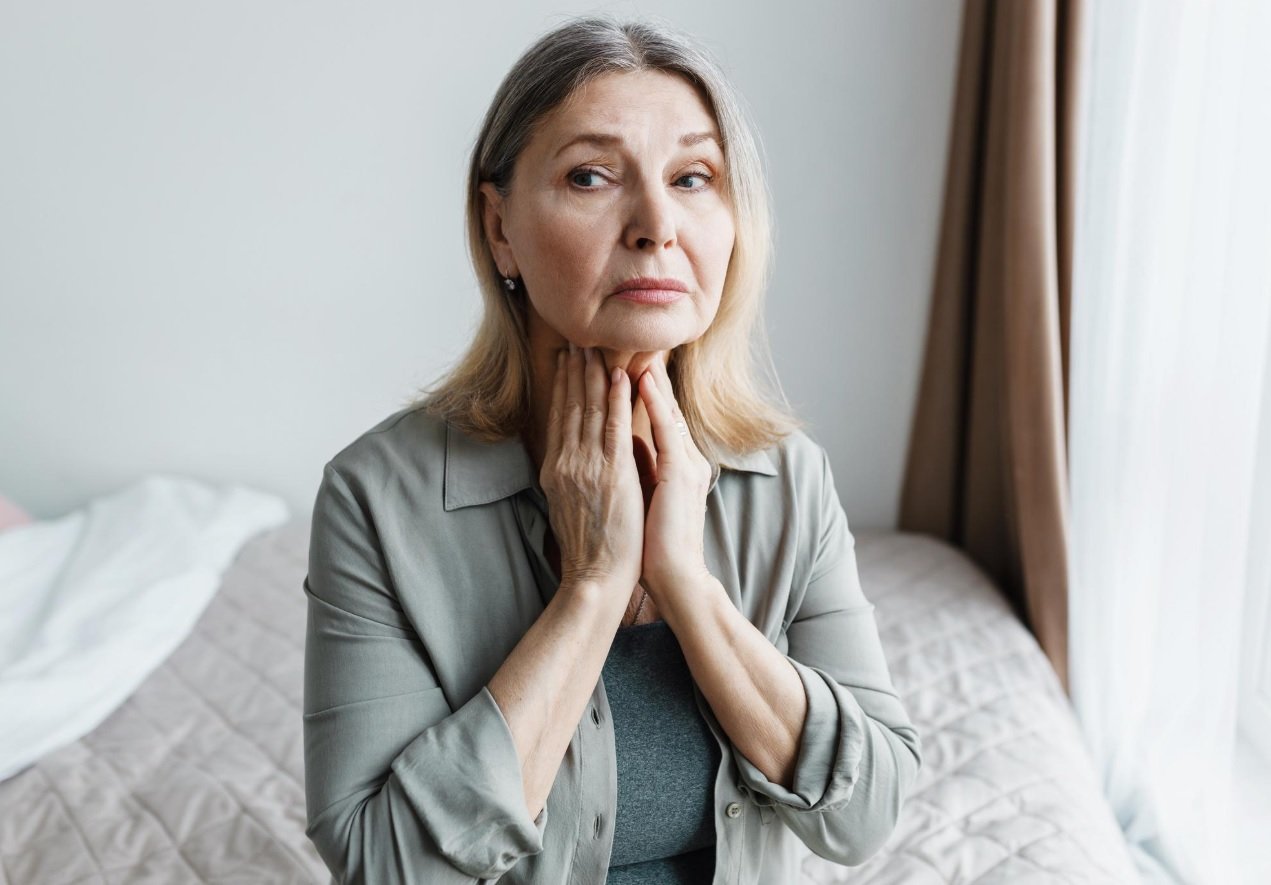
Thyroid problems can affect almost every part of a woman’s body, from her energy levels and weight to her mood, digestion, hair, skin, and heart rate. Some symptoms develop gradually, making them easy to overlook or mistake for normal signs of aging or menopause.
The thyroid is a small, butterfly-shaped gland located at the front of the neck. Despite its size, it plays an important role in regulating metabolism, body temperature, heart function, and many other processes.
The most common thyroid conditions in women are hypothyroidism (an underactive thyroid) and hyperthyroidism (an overactive thyroid). Both can cause noticeable physical and emotional changes, although their symptoms are often different.
For women over 50, recognizing these changes is particularly important. Fatigue, unexplained weight changes, sleep disturbances, and mood changes may be related to menopause, thyroid disease, or another health condition.
Understanding the síntomas de tiroides en mujeres can help you recognize when something may be wrong and when it is worth asking your healthcare provider for a thyroid evaluation.
This guide explains 15 possible warning signs, the differences between an underactive and overactive thyroid, how doctors diagnose thyroid conditions, and what women over 50 should know.
Quick Answer: What Are the Most Common Thyroid Symptoms in Women?
The most common symptoms of thyroid problems in women include:
- Persistent tiredness or unusual fatigue
- Unexplained weight gain or weight loss
- Hair thinning or excessive hair shedding
- Dry skin and brittle nails
- Feeling unusually cold or hot
- Constipation or frequent bowel movements
- Mood changes, anxiety, or depression
- Irregular menstrual periods
- Sleep difficulties
- Muscle weakness or joint discomfort
- Rapid or irregular heartbeat
- Memory problems or difficulty concentrating
- Increased sweating
- Neck swelling or a noticeable lump
- Changes in appetite
Not every woman experiences all these symptoms. Some women have only a few noticeable changes, while others may have mild symptoms that develop over several years.
A blood test, particularly a TSH test, can help determine whether the thyroid is functioning normally.
1. What Is the Thyroid and Why Is It Important?
The thyroid is a small endocrine gland located in the lower front part of your neck, just below the Adam’s apple area.
It produces two important hormones:
- T4 (thyroxine): The main hormone produced by the thyroid.
- T3 (triiodothyronine): The more active thyroid hormone that affects how cells use energy.
These hormones help regulate several essential body functions, including:
- Metabolism and energy use
- Body temperature
- Heart rate
- Digestion
- Brain function
- Muscle activity
- Bone health
The thyroid works closely with the pituitary gland, a small gland in the brain. The pituitary releases thyroid-stimulating hormone (TSH), which tells the thyroid how much hormone to produce.
When the thyroid makes too little or too much hormone, the body’s normal processes can become disrupted.
This is why thyroid conditions can cause symptoms that seem unrelated, such as hair loss, constipation, anxiety, weight changes, or an irregular heartbeat.
The National Institute of Diabetes and Digestive and Kidney Diseases explains thyroid function and related conditions in its thyroid disease overview.
2. Types of Thyroid Problems in Women
There are two major thyroid hormone conditions that women should understand.
Hypothyroidism: Underactive Thyroid
Hypothyroidism occurs when the thyroid gland does not produce enough thyroid hormone.
When hormone levels are too low, many body processes slow down.
Women with hypothyroidism may experience:
- Tiredness
- Weight gain
- Constipation
- Dry skin
- Hair thinning
- Feeling cold
- Depression
- Muscle aches
One of the most common causes is Hashimoto’s disease, an autoimmune condition in which the immune system mistakenly attacks the thyroid gland.
Hypothyroidism is more common in women and becomes more common with age.
Hyperthyroidism: Overactive Thyroid
Hyperthyroidism occurs when the thyroid produces more hormones than the body needs.
This can cause several body functions to speed up.
Possible symptoms include:
- Unexplained weight loss
- Rapid heartbeat
- Increased sweating
- Nervousness
- Hand tremors
- Difficulty sleeping
- Frequent bowel movements
- Muscle weakness
Graves’ disease is a common cause of hyperthyroidism. It is another autoimmune condition.
Women may experience either condition at different stages of life.
3. 15 Common Symptoms of Thyroid Problems in Women
The following symptoms can provide useful clues, although none is specific enough to diagnose thyroid disease by itself.
1. Constant Tiredness and Low Energy
Feeling tired after a busy day is normal. However, persistent fatigue that does not improve with adequate rest deserves attention.
Women with an underactive thyroid may feel unusually exhausted because low thyroid hormone levels can slow several body processes.
For example, a woman who previously enjoyed morning walks may suddenly find that even ordinary household activities feel exhausting.
Fatigue can also occur with an overactive thyroid, particularly when sleep is disrupted or the heart is working harder.
2. Unexplained Weight Gain
Unexpected weight gain is a commonly reported symptom of hypothyroidism.
When thyroid hormone levels are low, metabolism may slow down. The body may also retain more salt and water.
Some women notice gradual weight changes even without major differences in their eating habits.
However, thyroid disease is not the only explanation for weight gain.
Menopause, reduced physical activity, sleep changes, certain medications, and changes in muscle mass can also contribute.
If weight gain occurs alongside fatigue, constipation, dry skin, and feeling cold, discuss thyroid testing with your healthcare provider.
3. Unexplained Weight Loss
Not all thyroid problems cause weight gain.
An overactive thyroid may increase the body’s energy use, leading to weight loss even when appetite remains normal or increases.
Some women may notice:
- Clothes becoming unexpectedly loose
- Increased hunger
- Muscle loss
- Frequent bowel movements
- A faster heartbeat
Unintentional weight loss should always be discussed with a healthcare professional because several conditions can cause it.
4. Hair Thinning and Hair Loss
Hair changes can be emotionally frustrating, particularly for women experiencing them after menopause.
Low or excessive thyroid hormone levels can affect the normal hair growth cycle.
You might notice:
- More hair in the shower drain
- A wider-looking part
- Thinning around the scalp
- Dry or brittle hair
- Reduced hair volume
Thyroid-related hair loss is not always limited to the scalp.
However, iron deficiency, nutritional deficiencies, stress, hormonal changes, and certain medications can also contribute to hair thinning.
If hair loss is persistent, a clinician may recommend thyroid tests and other blood tests depending on your symptoms.
5. Dry Skin and Brittle Nails
Dry skin can become more common with age, especially after menopause.
However, unusually dry, rough, or flaky skin may sometimes be associated with hypothyroidism.
Some women also experience brittle nails that break more easily than before.
Low thyroid hormone levels can affect normal skin renewal and other processes that maintain healthy skin and nails.
Using moisturizer and avoiding very hot showers may help with dryness, but persistent changes should not automatically be attributed to aging.
6. Feeling Cold When Others Feel Comfortable
Do you regularly need an extra sweater while everyone else feels comfortable?
Increased sensitivity to cold can be a symptom of an underactive thyroid.
Low thyroid hormone levels can reduce heat production and affect the body’s temperature regulation.
Women may notice cold hands and feet, discomfort in air-conditioned rooms, or a general feeling of being colder than usual.
This symptom is particularly worth discussing when it occurs alongside fatigue, constipation, or unexplained weight gain.
7. Feeling Hot and Sweating Excessively
The opposite can happen with hyperthyroidism.
Women with an overactive thyroid may feel unusually warm even in comfortable temperatures.
Other symptoms may include:
- Excessive sweating
- Heat intolerance
- Warm or moist skin
- Increased thirst
- Difficulty sleeping because of feeling hot
These symptoms can be confusing for women experiencing menopause because hot flashes and night sweats are also common during this stage.
The pattern of symptoms and appropriate blood tests can help distinguish the possible causes.
8. Constipation and Digestive Changes
Thyroid hormones influence the movement of food through the digestive system.
When thyroid hormone levels are low, bowel movements may become less frequent.
Some women experience:
- Constipation
- Abdominal discomfort
- Bloating
- Hard stools
Hyperthyroidism may have the opposite effect, causing more frequent bowel movements or diarrhea.
Persistent digestive changes should not automatically be blamed on thyroid disease. Other gastrointestinal conditions, medications, and dietary factors may also be responsible.
9. Mood Changes, Anxiety, or Depression
Thyroid hormones influence brain function and can affect emotional well-being.
Hypothyroidism may be associated with:
- Low mood
- Depression
- Reduced motivation
- Difficulty concentrating
- Feeling mentally slow
Hyperthyroidism may contribute to:
- Anxiety
- Irritability
- Nervousness
- Restlessness
- Difficulty relaxing
These symptoms can affect relationships, daily routines, and quality of life.
If mood changes are persistent, consider discussing both mental health and possible physical causes with a healthcare professional.
10. Irregular or Rapid Heartbeat
Heart-related symptoms deserve particular attention.
An overactive thyroid can increase heart rate and sometimes cause an irregular heartbeat.
Women may notice:
- A racing heartbeat
- Heart pounding while resting
- Palpitations
- Shortness of breath during activity
- Unusual exercise intolerance
Hypothyroidism can sometimes slow the heart rate.
In older women, untreated hyperthyroidism may increase the risk of atrial fibrillation, a heart rhythm disorder.
Seek urgent medical attention for chest pain, fainting, severe breathlessness, or a rapid heartbeat accompanied by severe symptoms.
11. Muscle Weakness and Joint Pain
Thyroid hormone imbalances can affect muscles and joints.
Women with hypothyroidism may experience stiffness, muscle aches, cramps, or joint discomfort.
Hyperthyroidism may contribute to muscle weakness, particularly in the upper arms and thighs.
For example, climbing stairs, carrying groceries, or getting up from a low chair may become more difficult than usual.
Because arthritis, reduced muscle mass, vitamin deficiencies, and other conditions can cause similar problems, a proper evaluation is important.
12. Memory Problems and Brain Fog
Some women describe thyroid-related cognitive changes as brain fog.
They may find it harder to:
- Remember names
- Concentrate on reading
- Follow conversations
- Organize daily activities
- Recall recently learned information
Hypothyroidism can contribute to slowed thinking and memory difficulties.
These changes deserve attention in women over 50, especially if they are new or becoming more noticeable.
Do not assume that significant memory changes are simply part of getting older. Thyroid problems are one of several potentially treatable causes worth evaluating.
13. Changes in Menstrual Periods
Thyroid hormones interact with the reproductive system.
An underactive thyroid may contribute to heavier or irregular menstrual periods, while an overactive thyroid may cause lighter or less frequent periods.
Women who experience unexpected menstrual changes should discuss them with a healthcare professional.
After menopause, any vaginal bleeding should be medically evaluated rather than assumed to be a thyroid symptom.
14. Swelling in the Neck or a Thyroid Lump
An enlarged thyroid gland is called a goiter.
Some women may notice swelling near the lower front of the neck.
Other possible signs include:
- A visible neck lump
- A feeling of pressure in the throat
- Difficulty swallowing
- Hoarseness
- A sensation of something being stuck in the neck
Thyroid nodules are relatively common and are not necessarily cancerous.
However, a new or growing neck lump should be examined by a healthcare professional.
15. Changes in Sleep and Appetite
Thyroid problems can influence both sleep and appetite.
Women with hypothyroidism may feel sleepy during the day but still experience poor sleep quality.
Hyperthyroidism may cause difficulty falling asleep, frequent waking, and restlessness.
Appetite can also change. Some women with an overactive thyroid feel hungry more often, while older adults may experience reduced appetite.
If sleep or appetite changes are persistent and unexplained, they deserve attention.
4. Hypothyroidism vs. Hyperthyroidism: What’s the Difference?
Although both conditions affect the thyroid, they produce different changes in the body.
| Feature | Hypothyroidism | Hyperthyroidism |
|---|---|---|
| Thyroid activity | Too low | Too high |
| Metabolism | Slower | Faster |
| Weight | May increase | May decrease |
| Body temperature | Often feels cold | Often feels hot |
| Heart rate | May slow down | May speed up |
| Bowel movements | Constipation | More frequent |
| Skin | Dry and rough | Warm and moist |
| Hair | Dry and thinning | Thinning may occur |
| Mood | Low mood or depression | Anxiety or irritability |
| Sleep | Fatigue or sleepiness | Difficulty sleeping |
| Appetite | May decrease | May increase |
| Menstrual cycle | May become heavier | May become lighter |
One important point: fatigue and hair thinning can occur with either condition. Symptoms alone cannot reliably tell you which thyroid disorder is present.
5. Thyroid Symptoms in Women Over 50
Thyroid health deserves particular attention as women get older.
Both hypothyroidism and hyperthyroidism become more common with age. Women over 60 are especially likely to experience thyroid-related problems.
There are several reasons why thyroid conditions can be overlooked in older women.
Symptoms May Look Like Normal Aging
Low energy, dry skin, constipation, memory changes, and reduced muscle strength are sometimes attributed to aging.
However, when these symptoms appear together or become noticeably worse, a thyroid evaluation may be worthwhile.
Weight Changes May Be Confusing
After menopause, changes in body composition and physical activity can influence weight.
If weight gain occurs alongside feeling cold, constipation, and persistent fatigue, hypothyroidism is one possible explanation.
Heart Health Becomes More Important
An overactive thyroid can contribute to an irregular heartbeat, including atrial fibrillation.
This matters particularly for older women because atrial fibrillation can increase the risk of stroke and other cardiovascular complications.
Bone Health Needs Attention
Excess thyroid hormone over time can contribute to bone loss.
Postmenopausal women already face an increased risk of osteoporosis because estrogen levels decline.
For this reason, untreated hyperthyroidism deserves particular attention in women who are concerned about bone health.
Memory and Concentration Can Change
Some older adults with thyroid problems experience mental slowing, forgetfulness, or changes in behavior.
These symptoms can sometimes be mistaken for depression or age-related cognitive decline.
The American Thyroid Association’s information for older patients provides additional guidance.
6. Thyroid Problems vs. Menopause: How Can You Tell the Difference?
One of the most confusing issues for women in their 40s, 50s, and 60s is distinguishing thyroid symptoms from menopause symptoms.
Both conditions can affect sleep, energy, mood, weight, and body temperature.
Unfortunately, there is no reliable way to distinguish them using symptoms alone.
| Symptom | Menopause | Hypothyroidism | Hyperthyroidism |
|---|---|---|---|
| Hot flashes | Common | Not typical | Heat intolerance may occur |
| Night sweats | Common | Not typical | Can occur |
| Weight gain | Common | Possible | Less typical |
| Fatigue | Common | Common | Possible |
| Anxiety | Possible | Possible | Common |
| Hair thinning | Possible | Possible | Possible |
| Constipation | Possible | Common | Less typical |
| Rapid heartbeat | Can occur | Less typical | Common |
| Cold intolerance | Not typical | Common | Not typical |
| Sleep problems | Common | Possible | Common |
When Should You Consider Thyroid Testing?
Consider discussing a thyroid evaluation if you experience:
- Persistent fatigue that does not improve with rest
- Unexpected weight changes
- New or worsening hair thinning
- A combination of constipation and cold intolerance
- Unexplained sweating and heart palpitations
- Mood changes accompanied by physical symptoms
Women should not assume that every midlife change is caused by menopause.
A healthcare provider can review your symptoms and decide whether thyroid testing is appropriate.
For more information, see the Office on Women’s Health thyroid disease guide.
7. What Causes Thyroid Problems in Women?
Several factors can affect thyroid function.
1. Autoimmune Conditions
Autoimmune thyroid disorders are among the most important causes of thyroid disease.
- Hashimoto’s disease can gradually damage the thyroid and lead to hypothyroidism.
- Graves’ disease can stimulate the thyroid to produce excessive hormones.
In both conditions, the immune system mistakenly targets the body’s own thyroid tissue.
2. Family History
Women with close family members who have thyroid disease may have a higher likelihood of developing thyroid problems.
If your mother, sister, or another close relative has Hashimoto’s disease or Graves’ disease, mention this during medical appointments.
3. Aging
Thyroid disorders become more common with increasing age.
Older women may also experience less obvious symptoms, making diagnosis more challenging.
4. Pregnancy and the Postpartum Period
Thyroid function can change during and after pregnancy.
Some women develop postpartum thyroiditis, an inflammation of the thyroid that can initially cause symptoms of an overactive thyroid and later symptoms of an underactive thyroid.
5. Previous Thyroid Treatment
Women who have undergone thyroid surgery or radioactive iodine treatment may develop hypothyroidism.
These women often need long-term monitoring and sometimes lifelong thyroid hormone replacement.
6. Certain Medications
Some medications can affect thyroid function.
Examples include lithium, amiodarone, and certain cancer treatments.
Always tell your healthcare provider about prescription medications, vitamins, and supplements you take.
7. Iodine Imbalance
Iodine is needed to produce thyroid hormones.
Too little iodine can contribute to thyroid problems. However, excessive iodine intake can also interfere with thyroid function in susceptible people.
In the United States, iodine deficiency is relatively uncommon because iodized salt and other dietary sources provide iodine for many people.
8. How Are Thyroid Problems Diagnosed?
The most reliable way to investigate a possible thyroid condition is through medical evaluation and blood testing.
A doctor will usually consider your symptoms, medical history, medications, family history, and physical examination.
TSH Blood Test
TSH stands for thyroid-stimulating hormone.
It is commonly the first blood test used to assess thyroid function.
In general:
- High TSH may suggest an underactive thyroid.
- Low TSH may suggest an overactive thyroid.
However, results must be interpreted in context.
Free T4 Test
This test measures the amount of unbound thyroxine circulating in your blood.
It can help determine whether the thyroid is producing too little or too much hormone.
T3 Test
A T3 test may be useful when hyperthyroidism is suspected, particularly if T4 results do not fully explain the symptoms.
Thyroid Antibody Tests
Doctors may recommend antibody testing to investigate autoimmune thyroid conditions.
Examples include:
- Thyroid peroxidase antibodies (TPO antibodies)
- Thyroid-stimulating immunoglobulins (TSI)
These tests can help identify conditions such as Hashimoto’s disease and Graves’ disease.
Thyroid Ultrasound
An ultrasound uses sound waves to create images of the thyroid gland.
It may be recommended when a doctor detects:
- A thyroid lump
- Neck swelling
- A suspected thyroid nodule
- An enlarged thyroid gland
An ultrasound examines the structure of the thyroid rather than directly measuring how much hormone it produces.
For a more detailed explanation, read the NIDDK guide to thyroid tests.
9. Treatment Options for Thyroid Conditions
Treatment depends on whether the thyroid is underactive or overactive and what is causing the problem.
There is no single treatment that works for every woman.
Treatment for Hypothyroidism
The most common treatment is levothyroxine.
This medication replaces the thyroid hormone that the body is not producing in sufficient amounts.
Important points include:
- Take it exactly as prescribed.
- Take it consistently at the recommended time.
- Ask your pharmacist or doctor about interactions with calcium and iron supplements.
- Attend follow-up appointments for thyroid blood testing.
- Do not change your dosage without medical guidance.
Many patients take levothyroxine long term.
Treatment for Hyperthyroidism
Treatment options may include:
Antithyroid medications: Medicines such as methimazole reduce the thyroid’s ability to produce hormones.
Radioactive iodine therapy: This treatment reduces the activity of thyroid tissue.
Beta-blockers: These medications may help control symptoms such as a rapid heartbeat and tremors. They do not directly stop thyroid hormone production.
Surgery: In selected cases, removing part or all of the thyroid may be recommended.
The appropriate approach depends on the underlying cause, age, other medical conditions, and individual treatment goals.
10. Foods and Nutrients That Support Thyroid Health
Food cannot independently cure hypothyroidism or hyperthyroidism. However, a balanced diet provides nutrients that support normal thyroid function and overall health.
For women over 50, nutrition is also important for maintaining muscle strength, bone health, and cardiovascular health.
Iodine
Iodine is essential for producing thyroid hormones.
Food sources include:
- Iodized table salt
- Dairy products
- Eggs
- Seafood
- Some fish
Avoid taking high-dose iodine supplements without medical advice.
Selenium
Selenium helps support normal thyroid hormone metabolism.
Sources include:
- Fish
- Eggs
- Chicken
- Meat
- Whole grains
- Brazil nuts
Brazil nuts contain highly variable amounts of selenium, so eating large quantities regularly can result in excessive intake.
Zinc
Zinc supports immune function and several processes involved in hormone metabolism.
Good sources include:
- Beef
- Poultry
- Beans
- Pumpkin seeds
- Dairy products
- Seafood
Iron
Iron is important for making hemoglobin, the protein that carries oxygen in red blood cells. It also participates in normal thyroid hormone production.
Sources include:
- Lean meat
- Beans
- Lentils
- Spinach
- Fortified cereals
Women with unexplained fatigue and hair loss may need evaluation for iron deficiency as well as thyroid problems.
Protein
Protein supports muscle maintenance, especially important after age 50.
Useful sources include:
- Eggs
- Fish
- Chicken
- Greek yogurt
- Beans
- Lentils
- Tofu
A Simple Thyroid-Friendly Eating Pattern
Rather than following a restrictive thyroid diet, aim for balanced meals.
Breakfast
Scrambled eggs, whole-grain toast, and berries.
Lunch
Grilled salmon, quinoa, and steamed broccoli.
Dinner
Chicken or lentils with vegetables and brown rice.
Snack
Plain Greek yogurt with a small serving of walnuts.
Foods and Supplements to Be Careful With
A few practical considerations:
- Avoid excessive iodine supplements and concentrated kelp products.
- Do not eliminate broccoli, cabbage, or cauliflower simply because you have hypothyroidism. Normal food portions are generally suitable.
- Avoid unregulated thyroid support products.
- Discuss high-dose selenium supplements with your healthcare provider.
- If you take levothyroxine, ask about the timing of calcium, iron, and other supplements because they can interfere with absorption.
A healthy eating pattern is helpful, but medication remains important when a diagnosed thyroid disorder requires it.
11. Possible Risks and Complications of Untreated Thyroid Problems
Thyroid disorders are often manageable with appropriate medical care. However, leaving significant hormone imbalances untreated can affect other parts of the body.
Complications of Hypothyroidism
Untreated hypothyroidism may contribute to:
- Increased LDL cholesterol
- Heart-related problems
- Fertility and menstrual difficulties
- Peripheral nerve problems
- Severe fatigue and cognitive difficulties
In rare cases, severe untreated hypothyroidism can lead to myxedema coma, a life-threatening medical emergency.
Complications of Hyperthyroidism
Untreated hyperthyroidism may increase the risk of:
- Atrial fibrillation
- Heart failure
- Bone loss and osteoporosis
- Muscle weakness
- Eye complications associated with Graves’ disease
A rare but serious complication is thyroid storm, which requires emergency medical treatment.
When to seek emergency care: Chest pain, fainting, severe shortness of breath, confusion, or a very rapid heartbeat accompanied by severe illness should not be ignored.
12. Common Myths About Thyroid Disease in Women
There is plenty of confusing information about thyroid health online. Here are seven misconceptions worth understanding.
Myth 1: Every woman who gains weight has an underactive thyroid.
Fact: Weight gain has many possible causes, including menopause, changes in activity, sleep problems, and medications. Hypothyroidism is only one possibility.
Myth 2: Thyroid problems always cause visible neck swelling.
Fact: Many women with thyroid disorders have no noticeable neck swelling. A thyroid blood test can identify hormone abnormalities even when the neck looks normal.
Myth 3: Hair loss always means thyroid disease.
Fact: Hair thinning can also result from aging, menopause, iron deficiency, stress, and other health conditions.
Myth 4: Menopause and thyroid disease are the same thing.
Fact: They are different conditions, although some symptoms overlap. A medical evaluation and appropriate blood tests can help distinguish them.
Myth 5: Eating more iodine will fix an underactive thyroid.
Fact: Iodine is essential, but excess iodine can worsen certain thyroid conditions. Supplements should not be used as a replacement for prescribed treatment.
Myth 6: A normal body weight means your thyroid is healthy.
Fact: Thyroid disease can occur in women of any body size. Weight alone cannot establish thyroid function.
Myth 7: Thyroid medication is unnecessary once symptoms improve.
Fact: Symptoms may improve because treatment is working. Stopping medication without medical guidance can allow the condition to return or worsen.
13. Who Should Pay Special Attention to Thyroid Symptoms?
Although thyroid disease can affect women at any age, some groups may benefit from discussing thyroid health with their healthcare providers.
Women Over 50
New fatigue, unexplained weight changes, memory problems, and heart palpitations deserve attention, particularly when several symptoms occur together.
Postmenopausal Women
Women after menopause should pay attention to possible thyroid symptoms because hyperthyroidism can contribute to bone loss and cardiovascular problems.
Women With a Family History
A family history of Hashimoto’s disease, Graves’ disease, or other autoimmune conditions may increase the likelihood of thyroid problems.
Women Taking Certain Medications
Some prescription medications can influence thyroid function or interact with thyroid treatment.
Always review new medications and supplements with your healthcare provider.
Women With Existing Autoimmune Conditions
Certain autoimmune conditions are associated with a greater likelihood of autoimmune thyroid disease.
Examples include type 1 diabetes and celiac disease.
Pregnant or Breastfeeding Women
Thyroid hormone requirements can change during pregnancy, and thyroid conditions may affect pregnancy outcomes if not properly managed.
Women who are pregnant, planning pregnancy, or recently gave birth should discuss thyroid concerns with their healthcare provider.
14. How to Get Started: Practical Steps for Better Thyroid Health
You do not need an extreme diet or an expensive supplement routine to take thyroid health seriously.
Start with a few practical steps.
Step 1: Write Down Your Symptoms
Keep a short record of changes you have noticed.
Include:
- Energy levels
- Weight changes
- Hair and skin changes
- Sleep quality
- Bowel habits
- Heart palpitations
- Mood changes
Note when symptoms started and whether they are becoming more frequent.
Step 2: Schedule a Medical Appointment
Discuss your symptoms with a primary care physician or endocrinologist.
Explain your family history and any medications you take.
Step 3: Ask Whether Thyroid Testing Is Appropriate
Your doctor may recommend a TSH test and additional blood work depending on your symptoms and medical history.
Step 4: Review Your Medication and Supplements
Bring a list of prescription medicines, vitamins, and supplements.
This is particularly important if you take calcium, iron, biotin, or iodine supplements.
Step 5: Eat a Balanced Diet
Include protein, vegetables, fruits, whole grains, and appropriate sources of iodine and selenium.
Avoid restrictive diets marketed as thyroid cures.
Step 6: Stay Physically Active
Walking, light resistance exercises, and balance activities can support cardiovascular health, muscle strength, and bone health.
Choose activities that match your current fitness and medical needs.
Step 7: Follow Up on Your Results
If you are diagnosed with a thyroid condition, follow your treatment plan and attend recommended follow-up appointments.
Do not adjust your medication based only on how you feel.
15. Frequently Asked Questions About Thyroid Symptoms in Women
1. What are the first signs of thyroid problems in women?
Early signs may include fatigue, unexpected weight changes, hair thinning, constipation, sleep problems, or changes in body temperature. Symptoms often develop gradually, especially with hypothyroidism.
2. What are the most common symptoms of thyroid problems in women over 50?
Common symptoms include persistent tiredness, dry skin, hair thinning, constipation, unexplained weight changes, mood changes, and memory difficulties. Heart palpitations and heat intolerance may occur with an overactive thyroid.
3. Can thyroid problems cause weight gain in women?
Yes. Hypothyroidism can contribute to weight gain through changes in metabolism and fluid retention. However, thyroid disease does not explain every case of weight gain.
4. Can thyroid problems cause hair loss?
Yes. Both an underactive and an overactive thyroid may affect the hair growth cycle. Hair loss can also have other causes, so testing may be appropriate when it persists.
5. How do I know if I have hypothyroidism or hyperthyroidism?
Symptoms can provide clues, but blood tests are needed for diagnosis. Hypothyroidism commonly causes cold intolerance, constipation, and weight gain, while hyperthyroidism may cause sweating, rapid heartbeat, and weight loss.
6. Can thyroid problems cause anxiety and depression?
Yes. Hypothyroidism may contribute to depression and low mood, while hyperthyroidism can cause nervousness, irritability, and anxiety. Other mental and physical health conditions can cause similar symptoms.
7. Can thyroid disease be confused with menopause?
Yes. Both conditions can cause fatigue, mood changes, sleep difficulties, hair thinning, and changes in weight. Thyroid blood tests can help identify whether thyroid dysfunction is contributing to the symptoms.
8. What is the best blood test for thyroid problems?
TSH is commonly the first test used to evaluate thyroid function. Free T4, T3, and thyroid antibody tests may be added when needed.
9. Can thyroid problems cause belly fat?
Hypothyroidism may contribute to weight gain and fluid retention, but abdominal fat is influenced by many factors, including menopause, aging, diet, activity, and genetics. Thyroid disease should not be assumed to be the only cause.
10. Can thyroid problems affect the heart?
Yes. An overactive thyroid can cause a rapid or irregular heartbeat and increase the risk of atrial fibrillation. An underactive thyroid may slow the heart rate and contribute to unfavorable cholesterol changes.
11. Can I improve thyroid health naturally without medication?
A balanced diet, adequate sleep, regular physical activity, and appropriate nutrient intake support general health. However, these habits cannot reliably replace prescribed treatment for diagnosed hypothyroidism or hyperthyroidism.
12. Which foods are good for thyroid health?
Fish, eggs, dairy products, beans, lentils, lean meats, and whole grains provide nutrients that support normal body functions, including thyroid hormone production and metabolism.
13. Does drinking water help thyroid function?
Drinking enough water supports hydration, digestion, and general health. However, water does not directly correct an underactive or overactive thyroid.
14. Can thyroid problems develop after menopause?
Yes. Thyroid conditions can develop at any age, including after menopause. Because thyroid disorders become more common with age, new or persistent symptoms deserve medical attention.
15. When should a woman see a doctor about thyroid symptoms?
Make an appointment if you experience persistent unexplained fatigue, weight changes, hair loss, constipation, heat or cold intolerance, or changes in your heartbeat. Seek urgent care for severe heart-related symptoms or other emergency warning signs.
16. Final Takeaway: Don’t Ignore Thyroid Symptoms in Women
The thyroid may be a small gland, but its hormones influence many important functions throughout the body.
The symptoms of thyroid problems in women can include fatigue, weight changes, hair thinning, dry skin, digestive problems, mood changes, and heart rhythm changes.
For women over 50, these symptoms can sometimes be mistaken for menopause or normal aging. However, persistent or unexplained changes deserve attention.
The good news is that many thyroid conditions can be effectively managed with the right diagnosis, appropriate treatment, and regular medical follow-up.
If something about your energy, weight, sleep, or overall health feels different, do not simply assume it is part of getting older. Discuss your symptoms with a healthcare professional and ask whether thyroid testing may be appropriate.
Medical Disclaimer
This article is intended for general educational and informational purposes only. It is not a substitute for professional medical advice, diagnosis, or treatment. Thyroid symptoms can have several possible causes. Always consult a qualified healthcare professional about persistent symptoms, laboratory results, and treatment decisions. Never start, stop, or change thyroid medication without medical guidance.