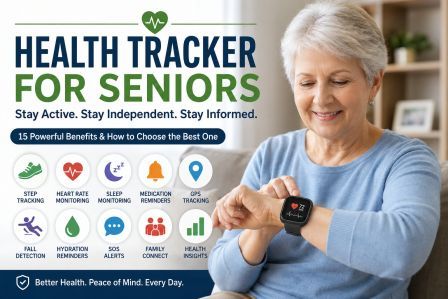
A health tracker for seniors can be a valuable tool for older adults who want to stay independent, active, and informed about their health. As people age, keeping track of daily activity, heart rate, sleep patterns, medications, and overall wellness becomes increasingly important.
Many American families are looking for simple ways to help aging parents maintain their independence while still ensuring their safety. Health tracking devices have become one of the most practical solutions.
Whether you’re a senior interested in monitoring your own health or an adult child caring for an aging parent, understanding how these devices work can help you make a smart decision.
In this guide, you’ll learn everything you need to know about choosing and using a health tracker for seniors, including benefits, important features, practical tips, and common mistakes to avoid.
Why a Health Tracker for Seniors Matters
The United States has a rapidly growing senior population. According to the U.S. Census Bureau, millions of Americans are now over age 65, and many prefer to age in place rather than move into assisted living facilities.
Aging independently offers many benefits, but it also brings challenges, including:
- Managing chronic conditions
- Monitoring physical activity
- Preventing falls
- Remembering medications
- Tracking sleep quality
- Detecting unusual health changes
A wearable health tracker can help bridge the gap between independence and safety.
For example, a 72-year-old retiree who walks daily may use a tracker to monitor steps and heart rate. If the device notices unusual heart activity or detects a fall, it can alert caregivers or family members.
Organizations such as the American Heart Association encourage regular physical activity and health monitoring among older adults as part of healthy aging practices.
For additional healthy aging guidance, visit the official website of the National Institute on Aging.
What Is a Health Tracker for Seniors?
A health tracker for seniors is a wearable or portable device designed to monitor health-related information.
Common examples include:
- Smartwatches
- Fitness bands
- Medical alert watches
- Wearable sensors
- GPS-enabled health devices
These devices may track:
| Health Metric | What It Measures |
|---|---|
| Steps | Daily movement |
| Heart rate | Cardiovascular activity |
| Sleep | Sleep quality and duration |
| Blood oxygen | Oxygen saturation levels |
| Calories burned | Daily energy use |
| Fall detection | Sudden falls or impacts |
| GPS location | Wearer’s location |
| Medication reminders | Scheduled medicines |
Many modern devices sync with smartphones so family members can also stay informed.
Key Benefits of Using a Health Tracker for Seniors
1. Encourages Daily Physical Activity
Regular movement is essential for healthy aging.
A tracker provides daily goals and progress updates, motivating seniors to stay active.
Simple achievements such as:
- Walking 5,000 steps
- Completing a 20-minute walk
- Standing every hour
can make a significant difference over time.
2. Helps Monitor Heart Health
Many devices continuously monitor heart rate.
Some advanced trackers can notify users about unusually high or low heart rates, helping seniors recognize potential concerns early.
These devices are not diagnostic tools, but they may encourage timely conversations with healthcare providers.
The Centers for Disease Control and Prevention (CDC) Healthy Aging Resources offers additional information on senior wellness.
3. Improves Medication Adherence
Missing medications is common among older adults.
Health trackers often include reminders for:
- Prescription medications
- Doctor appointments
- Hydration
- Exercise sessions
Consistent reminders can improve daily routines.
4. Supports Better Sleep Habits
Sleep problems increase with age.
A health tracker for seniors may monitor:
- Sleep duration
- Sleep interruptions
- Restlessness
- Sleep consistency
Reviewing these patterns may help seniors discuss sleep concerns with healthcare professionals.
5. Provides Fall Detection Features
Falls remain one of the leading causes of injury among older Americans.
Some devices automatically detect falls and notify emergency contacts.
This feature can provide peace of mind for both seniors and family members.
6. Increases Independence
Many older adults value living independently.
A wearable tracker can support independent living by helping seniors:
- Manage routines
- Stay physically active
- Monitor wellness
- Communicate with caregivers
7. Helps Family Members Stay Connected
Adult children often live far away from aging parents.
Health tracking systems may allow caregivers to:
- View activity levels
- Receive alerts
- Monitor emergency notifications
- Confirm daily movement
This connectivity can reduce caregiver stress.
8. Encourages Hydration
Dehydration is common among older adults.
Many devices now include reminders to drink water throughout the day.
9. Tracks Long-Term Health Trends
Health changes often occur gradually.
Daily monitoring creates long-term records that may reveal patterns such as:
- Reduced activity
- Sleep disruptions
- Elevated resting heart rate
- Reduced mobility
Recognizing these changes early can be helpful.
10. Promotes Healthy Habits
A health tracker often acts like a personal wellness coach.
Seeing daily progress encourages healthier choices.
Also read –
Advice for Elderly Care: 25 Practical Tips to Help Seniors Live Healthier and Happier
Senior Citizen Care Packages: 15 Thoughtful Ideas to Show You Care
Scientific and Practical Explanation
Research has shown that wearable technology may encourage increased physical activity among older adults.
Practical experience also suggests that seniors who regularly monitor health metrics become more aware of lifestyle habits.
Health trackers typically use sensors such as:
Accelerometers
Measure movement and steps.
Optical Sensors
Use light to estimate heart rate.
GPS Sensors
Track location and outdoor activities.
Gyroscopes
Detect body movement and sudden falls.
Blood Oxygen Sensors
Estimate oxygen saturation levels.
While these technologies are useful, they are not substitutes for professional medical evaluation.
Disclaimer: Health trackers are wellness devices and should not replace medical advice, diagnosis, or treatment. Always consult a qualified healthcare professional regarding health concerns.
What Features Should a Health Tracker for Seniors Include?
When choosing a device, prioritize simplicity and usability.
Large Display
Seniors benefit from:
- Large text
- Bright screens
- Easy navigation
Long Battery Life
Frequent charging can be frustrating.
Look for devices lasting at least:
- 5–14 days per charge
Emergency SOS Button
An emergency call feature can be extremely helpful.
Fall Detection
Especially important for seniors living alone.
Comfortable Design
A lightweight device is more likely to be worn consistently.
Water Resistance
Protects against accidental splashes and hand washing.
Medication Reminders
Useful for managing daily prescriptions.
GPS Tracking
Helpful for seniors experiencing memory concerns.
Types of Health Trackers for Seniors
Fitness Bands
Best for:
- Step tracking
- Sleep monitoring
- Activity goals
Smartwatches
Best for:
- Calls
- Messages
- Advanced health features
Examples include products from Apple Watch Official Website and Fitbit Official Website.
Medical Alert Watches
Best for:
- Emergency assistance
- Fall detection
- Caregiver alerts
GPS Tracking Devices
Best for:
- Location monitoring
- Safety support
Best Tips to Get the Most from a Health Tracker for Seniors
Wear It Daily
Consistency produces the most useful information.
Set Realistic Goals
Start slowly.
Examples:
- Walk 3,000 steps daily.
- Increase activity gradually.
Review Data Weekly
Look for trends rather than focusing on daily fluctuations.
Involve Family Members
Sharing data with trusted family members may improve support.
Charge Regularly
Establish a charging routine.
Example:
Charge the device while watching evening television.
Foods That Support Healthy Aging
Health trackers work best when combined with healthy lifestyle habits.
Heart-Healthy Foods
- Salmon
- Oatmeal
- Nuts
- Olive oil
- Beans
Bone-Supporting Foods
- Yogurt
- Milk
- Leafy greens
- Cheese
Brain-Friendly Foods
- Blueberries
- Walnuts
- Eggs
- Whole grains
Hydration Sources
- Water
- Herbal tea
- Soups
- Fruits with high water content
Exercises Seniors Can Track
Many seniors enjoy monitoring exercise progress.
Recommended activities include:
Walking
Safe and accessible for most older adults.
Chair Exercises
Ideal for limited mobility.
Strength Training
Light resistance training helps preserve muscle.
Stretching
Improves flexibility and balance.
Tai Chi
Supports balance and fall prevention.
Swimming
Low-impact exercise for joint health.
Before beginning a new exercise routine, seniors should consult their healthcare provider.
Common Mistakes to Avoid
Buying Complicated Devices
Complex technology may discourage regular use.
Ignoring Battery Life
A dead device cannot provide useful information.
Relying Solely on the Tracker
Devices should complement—not replace—medical care.
Obsessing Over Numbers
Daily variations are normal.
Focus on long-term trends.
Not Updating Emergency Contacts
Emergency information should always remain current.
Forgetting Privacy Settings
Review data-sharing settings regularly.
Who Should Be Careful?
Certain individuals should speak with healthcare professionals before relying heavily on wearable health data.
These include:
- People with serious heart conditions
- Individuals using implanted medical devices
- Seniors with severe cognitive impairment
- People managing complex chronic illnesses
Family caregivers should also ensure seniors understand how to use their devices correctly.
Frequently Asked Questions
What is the best health tracker for seniors?
The best option depends on personal needs. Some seniors prefer simple fitness bands, while others need advanced features such as fall detection and emergency alerts.
Can a health tracker detect medical emergencies?
Some devices provide alerts for falls or unusual heart activity, but they cannot diagnose medical conditions.
Are health trackers accurate?
Most modern devices provide reasonably accurate wellness information, although measurements may vary.
Do seniors need smartphones to use health trackers?
Many devices require smartphones for setup and detailed reports, but some medical alert devices operate independently.
Can family members monitor a senior’s tracker?
Many systems allow caregivers or family members to receive notifications and monitor activity.
Is a health tracker worth it for older adults?
For many seniors, the answer is yes. These devices can encourage activity, support independence, and provide reassurance.
How much does a health tracker for seniors cost?
Prices range from approximately $30 for basic fitness bands to several hundred dollars for advanced smartwatches.
Final Thoughts
Choosing the right health tracker for seniors can make everyday life easier, safer, and more connected.
The ideal device should be simple, comfortable, and suited to the user’s lifestyle. Features such as activity tracking, medication reminders, heart monitoring, and fall detection can provide meaningful support for healthy aging.
No device can replace regular medical care, but a well-chosen health tracker can become a useful part of an overall wellness plan.
For seniors who wish to remain independent and active, wearable health technology may be one of the smartest investments they can make.
About me –
Kanhaiya Solanki is a dedicated online researcher, content writer, and blogger passionate about publishing high-quality, research-based articles. His goal is to provide accurate, easy-to-understand, and practical information on health, technology, senior care, and lifestyle topics for readers worldwide.