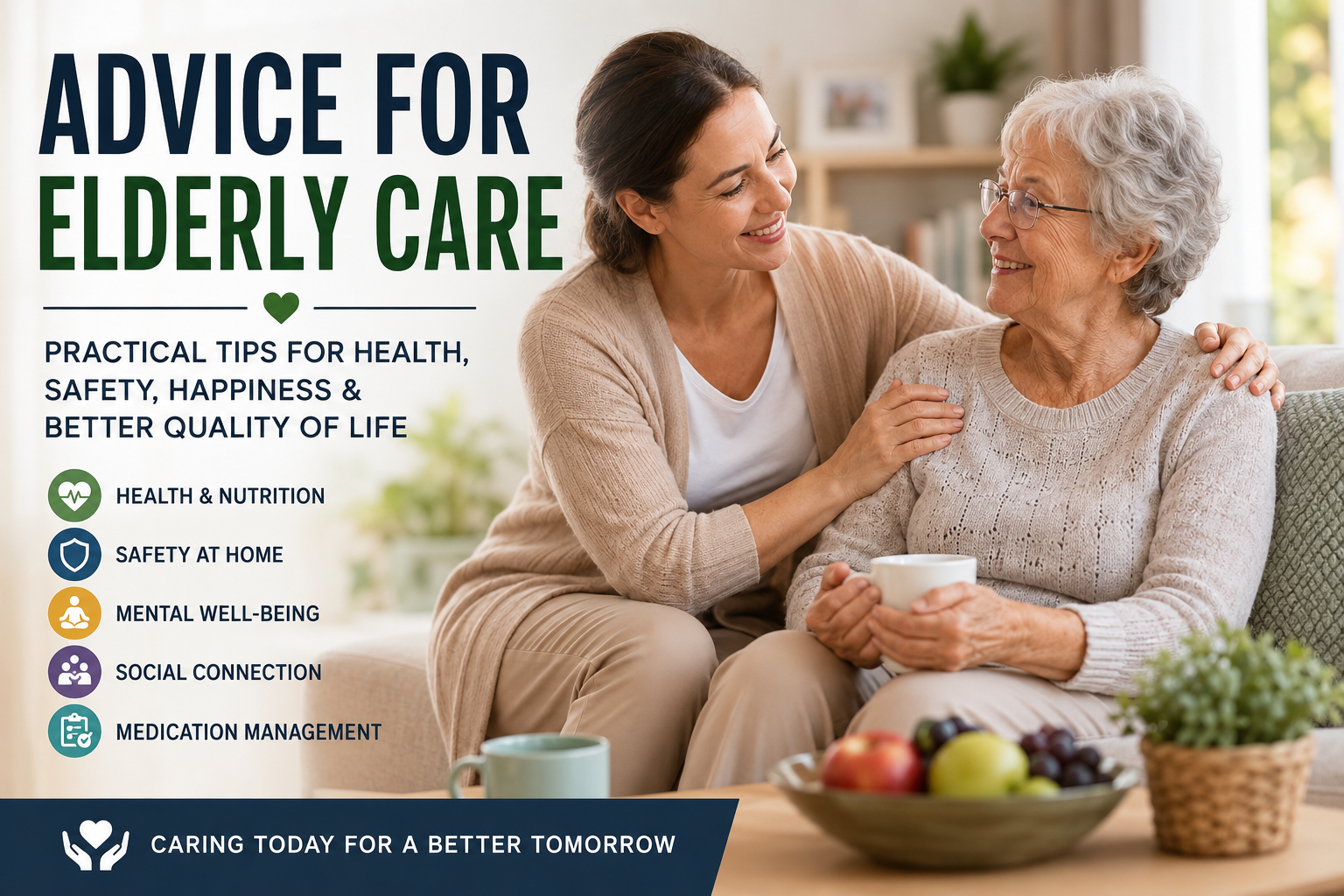
Finding the right advice for elderly care can feel overwhelming, especially when you want the best for an aging parent, grandparent, spouse, or loved one. Every senior has unique needs, and those needs often change over time. Some older adults remain active and independent well into their 80s, while others may require daily assistance with mobility, medications, or personal care.
Providing quality care isn’t just about helping with physical tasks. It also means supporting emotional health, encouraging independence, preventing accidents, and creating a lifestyle that promotes dignity and happiness.
Whether you’re a family caregiver or simply planning ahead for your own future, understanding the basics of elderly care can make daily life easier and less stressful. Small improvements in routine, nutrition, communication, and home safety often lead to significant improvements in overall quality of life.
Why Advice for Elderly Care Matters
Why is elderly care becoming more important in America?
The U.S. population is aging rapidly, and millions of families now provide care for older relatives at home. Longer life expectancy means many seniors live with chronic conditions while still wanting to remain independent.
Good elderly care helps:
- Reduce preventable injuries
- Improve quality of life
- Support emotional well-being
- Encourage independence
- Lower caregiver stress
- Promote healthy aging
- Detect health concerns earlier
- Build stronger family relationships
Providing thoughtful care today can help seniors remain active and comfortable for years to come.
The emotional side of caregiving
Many caregivers focus on medications, appointments, and meals while overlooking emotional needs.
Imagine an older father who receives every medication on time but spends most days alone without meaningful conversation. His physical health may be stable, but loneliness can still reduce his overall happiness.
Simple acts like eating dinner together, sharing family stories, or taking a short walk can have a meaningful impact.
Understanding the Changing Needs of Older Adults
How do aging needs change over time?
As people age, natural physical and cognitive changes occur. Not every senior experiences the same challenges, but common changes include:
| Area | Common Changes |
|---|---|
| Vision | Reduced clarity and night vision |
| Hearing | Difficulty hearing conversations |
| Mobility | Slower walking and balance issues |
| Memory | Mild forgetfulness |
| Strength | Muscle loss and fatigue |
| Sleep | More frequent waking |
| Appetite | Reduced hunger or taste changes |
| Immune System | Increased illness risk |
Understanding these changes helps caregivers adjust expectations while encouraging independence whenever possible.
Supporting independence instead of replacing it
One of the best pieces of advice for elderly care is to avoid doing everything for seniors if they can still perform tasks safely.
Encourage them to:
- Dress themselves
- Prepare simple meals
- Water plants
- Fold laundry
- Organize medications with supervision
- Participate in grocery planning
- Take short neighborhood walks
Maintaining independence often improves confidence and mental health.
Physical Health and Daily Wellness
What daily habits keep seniors healthier?
Healthy routines provide structure and reduce stress.
Consider encouraging:
- Consistent wake-up times
- Light morning stretching
- Nutritious breakfast
- Short walks
- Regular hydration
- Social interaction
- Reading or hobbies
- Evening relaxation before bed
Predictable routines help many seniors feel more secure.
Schedule preventive healthcare visits
Routine appointments often catch problems before they become serious.
Important checkups include:
- Annual physical exams
- Vision tests
- Hearing evaluations
- Dental visits
- Blood pressure monitoring
- Diabetes screenings
- Vaccination updates
- Bone health assessments
Early detection frequently leads to better outcomes.
Watch for subtle changes
Small changes may indicate larger concerns.
Pay attention if an older adult suddenly:
- Stops eating normally
- Becomes unusually confused
- Falls repeatedly
- Withdraws socially
- Misses medications
- Sleeps excessively
- Loses weight unexpectedly
- Neglects hygiene
These signs deserve discussion with a healthcare professional.
Emotional and Mental Well-Being
Why does emotional health matter for seniors?
Mental wellness affects nearly every aspect of physical health.
Older adults who stay socially engaged often report greater life satisfaction than those who become isolated.
Common emotional challenges include:
- Loneliness
- Grief
- Anxiety
- Depression
- Loss of independence
- Fear of illness
- Financial stress
Listening without judgment can sometimes be just as valuable as offering solutions.
Encourage meaningful activities
Purpose keeps people engaged.
Examples include:
- Gardening
- Painting
- Reading clubs
- Church groups
- Volunteering
- Cooking
- Knitting
- Photography
- Bird watching
- Playing cards
Activities should match personal interests rather than physical limitations alone.
Stay connected with family
Frequent communication matters more than expensive gifts.
Families can:
- Schedule weekly video calls
- Visit regularly
- Share photo albums
- Celebrate birthdays together
- Cook meals together
- Watch favorite movies
- Ask about childhood memories
Simple conversations strengthen emotional bonds.
Creating a Safe Living Environment
How can you make a home safer for older adults?
Falls remain one of the biggest concerns for seniors.
Making a home safer doesn’t always require expensive renovations.
Remove trip hazards
Check for:
- Loose rugs
- Electrical cords
- Cluttered walkways
- Uneven flooring
- Slippery surfaces
Clear pathways reduce fall risk significantly.
Improve lighting
Install brighter lighting in:
- Hallways
- Bathrooms
- Staircases
- Entryways
- Bedrooms
- Kitchens
Motion-sensor lights can also improve nighttime safety.
Install bathroom safety equipment
Helpful additions include:
- Grab bars
- Raised toilet seats
- Non-slip mats
- Shower chairs
- Handheld shower heads
Bathrooms are common locations for falls.
Organize frequently used items
Avoid requiring seniors to:
- Climb stools
- Reach high shelves
- Lift heavy boxes
- Bend repeatedly
Keep everyday necessities within comfortable reach.
Building Healthy Daily Routines
What should a typical senior routine include?
A balanced daily schedule supports both body and mind.
| Time | Suggested Activity |
|---|---|
| Morning | Wake up, hydrate, stretch |
| Breakfast | Balanced meal with protein |
| Mid-morning | Walk or light exercise |
| Lunch | Healthy meal |
| Afternoon | Hobbies or social time |
| Evening | Family interaction |
| Dinner | Nutritious meal |
| Night | Relaxation and consistent bedtime |
Consistency often helps reduce confusion and anxiety.
Encourage movement throughout the day
Physical activity doesn’t require intense workouts.
Simple options include:
- Walking around the neighborhood
- Chair exercises
- Gentle yoga
- Stretching
- Light gardening
- Dancing
- Household chores
- Water aerobics
Even short periods of movement can improve circulation and mobility.
Nutrition Tips for Seniors
Why does nutrition become more important with age?
As metabolism changes, nutrient needs often increase while appetite decreases.
Older adults benefit from meals rich in:
- Lean protein
- Whole grains
- Fruits
- Vegetables
- Healthy fats
- Fiber
- Calcium-rich foods
- Vitamin D sources
Eating nutrient-dense foods helps maintain muscle, bone health, and energy.
Foods that support healthy aging
| Food | Potential Benefit |
|---|---|
| Salmon | Omega-3 fats |
| Greek yogurt | Protein and calcium |
| Eggs | High-quality protein |
| Oatmeal | Fiber |
| Spinach | Vitamins and minerals |
| Blueberries | Antioxidants |
| Sweet potatoes | Vitamin A |
| Beans | Fiber and protein |
| Walnuts | Healthy fats |
| Avocados | Heart-friendly fats |
No single food guarantees health, but balanced eating supports overall wellness.
Make meals enjoyable
Older adults may eat better when meals include:
- Family members
- Attractive presentation
- Comfortable seating
- Favorite recipes
- Pleasant conversation
- Smaller portions served more frequently
Enjoyable dining experiences can improve appetite naturally.
Practical takeaway
The best advice for elderly care focuses on respect, patience, consistency, and prevention rather than simply reacting to problems. Supporting physical health while nurturing emotional well-being creates a stronger foundation for healthy aging.
In the next section, we’ll cover hydration, sleep, medication management, caregiver advice, exercise recommendations, common mistakes to avoid, who should be extra careful, FAQs, and complete SEO publishing assets.
Hydration and Sleep: Two Often Overlooked Parts of Elderly Care
Why is hydration so important for seniors?
One of the most valuable pieces of advice for elderly care is to pay close attention to hydration. As people age, they may not feel thirsty as often, even when their bodies need fluids. Certain medications and health conditions can also increase the risk of dehydration.
Signs that may indicate dehydration include:
- Dry mouth
- Dark-colored urine
- Fatigue
- Dizziness
- Confusion
- Headaches
- Muscle cramps
Encourage regular water intake throughout the day instead of waiting until thirst develops. Soups, herbal teas, fruits like watermelon, and vegetables with high water content can also contribute to daily hydration.
How much sleep do older adults need?
Most seniors benefit from seven to eight hours of quality sleep each night, although individual needs vary.
Healthy sleep habits include:
- Going to bed at the same time every night
- Limiting caffeine late in the day
- Keeping the bedroom quiet and comfortable
- Avoiding heavy meals before bedtime
- Getting natural sunlight during the day
- Staying physically active
If persistent sleep problems occur, discussing them with a healthcare provider is recommended rather than relying on over-the-counter sleep aids without guidance.
Medication Management
Why is medication organization essential?
Many seniors take multiple prescriptions, vitamins, or supplements. Missing doses or taking medications incorrectly can create serious problems.
Helpful strategies include:
- Using weekly pill organizers
- Setting phone reminders
- Keeping an updated medication list
- Reviewing prescriptions regularly with a healthcare provider
- Storing medications safely away from children and pets
Family members should also know what medications are being taken in case of emergencies.
Keep track of side effects
Watch for symptoms such as:
- Excessive drowsiness
- Confusion
- Balance problems
- Digestive issues
- Unusual bruising
- Appetite changes
If side effects appear, seek professional medical advice rather than stopping medications without guidance.
Best Exercise Advice for Elderly Care
What exercises are generally appropriate for seniors?
Regular movement helps maintain strength, flexibility, and independence.
Walking
Walking is one of the easiest ways to improve cardiovascular health and maintain mobility.
Chair exercises
For individuals with limited mobility, seated exercises can improve circulation and muscle strength.
Stretching
Gentle stretching may help maintain flexibility and reduce stiffness.
Balance exercises
Practicing standing on one foot with support or performing guided balance routines may reduce fall risk.
Strength training
Light resistance bands or small weights can help preserve muscle mass when approved by a healthcare provider.
Weekly activity example
| Day | Activity |
|---|---|
| Monday | 30-minute walk |
| Tuesday | Chair exercises and stretching |
| Wednesday | Light strength training |
| Thursday | Balance practice |
| Friday | Walk with a friend |
| Saturday | Gardening or light chores |
| Sunday | Gentle yoga or stretching |
The goal is consistency rather than intensity.
Practical Advice for Family Caregivers
Communicate with patience
Many seniors process information more slowly than younger adults. Speak clearly, avoid rushing conversations, and allow extra time for responses.
Instead of saying:
“You already asked that.”
Try:
“I’d be happy to explain it again.”
Small changes in communication can preserve dignity and reduce frustration.
Respect personal choices
Whenever possible, involve older adults in decisions about:
- Meals
- Clothing
- Activities
- Healthcare discussions
- Living arrangements
- Daily schedules
Maintaining autonomy supports confidence and emotional health.
Share caregiving responsibilities
Caregiver burnout is common.
Family members can divide responsibilities such as:
- Grocery shopping
- Transportation
- Meal preparation
- Medical appointments
- House cleaning
- Financial paperwork
- Social visits
Even a few hours of help each week can make a significant difference.
Best Foods That Support Healthy Aging
Protein-rich foods
Protein helps preserve muscle mass.
Good choices include:
- Chicken
- Fish
- Eggs
- Greek yogurt
- Beans
- Lentils
- Cottage cheese
- Tofu
Fiber-rich foods
Fiber supports digestion and heart health.
Examples:
- Oatmeal
- Whole grains
- Apples
- Pears
- Berries
- Vegetables
- Beans
Healthy fats
Heart-friendly fats may support overall wellness.
Include:
- Olive oil
- Avocados
- Nuts
- Seeds
- Salmon
Calcium and vitamin D sources
These nutrients help maintain bone health.
Foods include:
- Milk
- Yogurt
- Cheese
- Fortified cereals
- Fatty fish
Healthcare providers may also recommend supplements when appropriate.
Home Safety Checklist
Use this quick checklist to reduce common hazards.
| Safety Area | Recommendation |
|---|---|
| Floors | Remove loose rugs and clutter |
| Bathroom | Install grab bars and non-slip mats |
| Lighting | Brighten hallways and staircases |
| Kitchen | Keep daily items within reach |
| Stairs | Add secure handrails |
| Bedroom | Place lamp and phone nearby |
| Entryways | Ensure even surfaces and good lighting |
| Emergency | Keep contact numbers accessible |
Common Mistakes to Avoid
Doing everything for the senior
Helping too much can reduce confidence and independence. Encourage participation whenever it is safe.
Ignoring emotional needs
Loneliness can affect physical health. Make time for meaningful conversations and social activities.
Skipping preventive care
Routine checkups often identify concerns before they become serious.
Assuming memory loss is normal
Occasional forgetfulness can happen with aging, but sudden or significant cognitive changes should be evaluated by a healthcare professional.
Forgetting caregiver self-care
Family caregivers also need rest, healthy meals, exercise, and emotional support.
Who Should Be Especially Careful?
Certain seniors may require additional monitoring.
These include individuals who:
- Have frequent falls
- Live alone
- Take multiple medications
- Have limited mobility
- Experience vision or hearing loss
- Have chronic medical conditions
- Show signs of memory decline
- Recover from surgery or hospitalization
Care plans should be individualized based on personal needs and professional guidance.
Scientific and Practical Perspective
Research consistently shows that healthy aging involves multiple factors working together rather than one single solution.
Important contributors include:
- Regular physical activity
- Balanced nutrition
- Adequate sleep
- Social engagement
- Mental stimulation
- Preventive healthcare
- Safe living environments
- Stress management
No lifestyle can eliminate every health risk, but consistent healthy habits may improve quality of life and independence.
Frequently Asked Questions
What is the most important advice for elderly care?
Supporting independence while ensuring safety is one of the most valuable principles. Encourage seniors to remain active and involved in daily decisions whenever possible.
How can families improve elderly care at home?
Maintain open communication, create safe living spaces, encourage healthy eating, monitor medications, and spend quality time together.
What foods are best for seniors?
Balanced meals that include lean proteins, fruits, vegetables, whole grains, healthy fats, and calcium-rich foods generally support healthy aging.
How often should seniors exercise?
Many healthcare organizations recommend regular physical activity throughout the week, adjusted for individual abilities and medical conditions.
How can loneliness be reduced in older adults?
Regular family visits, community programs, hobbies, volunteer work, phone calls, and social groups can help maintain emotional well-being.
Should seniors drink water even if they are not thirsty?
Yes. Aging can reduce the sensation of thirst, so drinking fluids regularly throughout the day is often beneficial.
Disclaimer
This article is intended for educational purposes only and should not replace personalized medical advice, diagnosis, or treatment. Health concerns, medication questions, or sudden changes in physical or mental condition should always be discussed with a qualified healthcare professional.
Final Thoughts
The best advice for elderly care goes beyond medications and doctor appointments. It is about treating older adults with respect, compassion, and patience while helping them maintain independence for as long as possible.
Simple actions—sharing meals, encouraging daily movement, creating a safer home, and listening carefully—can make a meaningful difference. Caregiving is rarely perfect, but consistency and genuine attention often have the greatest impact.
Whether you are supporting a parent, spouse, grandparent, neighbor, or planning for your own future, investing in healthy habits today can lead to greater comfort, confidence, and quality of life in the years ahead.
Also Read –
Senior Citizen Care Packages: 15 Thoughtful Ideas to Show You Care
Caring for Elders Quotes: 150 Heartfelt Sayings to Inspire Love, Respect, and Compassion
Old Age Care Quotes: 75 Inspiring Words of Love, Respect, and Compassion