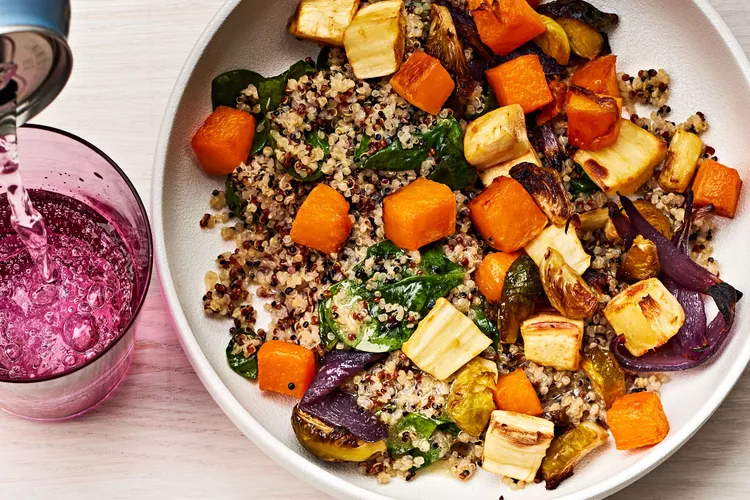
Living alone as a senior comes with a lot of freedom. You can eat when you want, cook what you enjoy, and keep your own schedule. But for many older adults, preparing healthy meals every day can also feel tiring, expensive, or unnecessary when cooking for just one person.
That’s where simple, protein-rich meals can make a big difference.
Protein plays an important role in healthy aging. It helps maintain muscle strength, supports energy levels, and can help seniors stay independent longer. The good news is that eating enough protein doesn’t have to mean complicated recipes or spending hours in the kitchen.
This guide covers practical, affordable, and easy protein meals for seniors living alone. Whether someone prefers light breakfasts, quick lunches, or easy dinners, these ideas are designed to be realistic for everyday life.
Why This Topic Matters
As people age, the body naturally loses muscle mass over time. This process can make everyday tasks more difficult, including walking, climbing stairs, or carrying groceries.
Many seniors also eat less than they used to because of:
- Reduced appetite
- Dental issues
- Limited mobility
- Living alone
- Smaller grocery trips
- Fatigue from cooking
Unfortunately, eating too little protein may lead to weakness, slower recovery, and lower energy levels.
For seniors living alone, easy meals become especially important. Simple recipes reduce stress while helping older adults get the nutrition they need without wasting food or spending too much money.
How Much Protein Do Seniors Need?
Most healthy older adults benefit from more protein than younger adults. While exact needs vary, many nutrition experts recommend seniors aim for roughly 20–30 grams of protein per meal.
Protein-rich foods include:
| Food | Protein Approximation |
|---|---|
| Eggs | 6g each |
| Greek yogurt | 15–20g per serving |
| Chicken breast | 25–30g per serving |
| Tuna | 20g per can |
| Cottage cheese | 12–15g per serving |
| Beans | 7–10g per serving |
| Milk | 8g per cup |
| Peanut butter | 7g per 2 tablespoons |
Eating smaller portions of protein throughout the day is often easier than trying to eat a large amount at once.
Benefits of Easy Protein Meals for Seniors
Helps Maintain Muscle Strength
Muscle loss becomes more common after age 60. Protein supports muscle repair and maintenance, helping seniors stay active longer.
Simple meals with eggs, fish, yogurt, or beans can support better mobility and balance over time.
Supports Energy Levels
Skipping meals or eating mostly processed carbohydrates may leave seniors feeling tired or sluggish.
Balanced protein meals can help provide more stable energy throughout the day.
Helps With Recovery and Healing
Protein helps the body repair tissues after illness, surgery, or injury. Seniors recovering from health issues often benefit from consistent protein intake.
Makes Meal Planning Easier
Easy recipes reduce the stress of daily cooking. Many seniors prefer meals that:
- Use few ingredients
- Require little cleanup
- Can be frozen
- Take less than 20 minutes
Simple meal systems are often more sustainable long term.
What Makes a Good Protein Meal for Seniors?
The best meals for seniors living alone are usually:
- Easy to chew
- Quick to prepare
- Budget-friendly
- Nutritious
- Low in unnecessary sugar
- Easy to store
- Gentle on digestion
Many seniors also prefer meals with familiar flavors instead of trendy or overly spicy foods.
Best Easy Protein Breakfasts for Seniors
Breakfast is one of the easiest times to add more protein to the day.
Scrambled Eggs With Cheese
Eggs are affordable, soft, and easy to cook.
Simple Idea
- 2 scrambled eggs
- Shredded cheese
- Whole-grain toast
- Sliced fruit
This meal provides protein, calcium, and fiber without much effort.
Greek Yogurt Parfait
Greek yogurt contains significantly more protein than regular yogurt.
Add-ins:
- Berries
- Bananas
- Granola
- Chopped nuts
This works well for seniors who don’t feel hungry early in the morning.
Peanut Butter Banana Toast
This is a quick option that requires no cooking.
Ingredients:
- Whole-grain bread
- Peanut butter
- Banana slices
It provides protein, healthy fats, and energy.
Cottage Cheese Bowl
Cottage cheese is soft and high in protein.
Try adding:
- Pineapple
- Peaches
- Blueberries
- Cinnamon
Many seniors enjoy this as a light breakfast or evening snack.
Protein Oatmeal
Traditional oatmeal becomes more filling with added protein.
Add:
- Milk instead of water
- Nut butter
- Chia seeds
- Protein-rich yogurt
This can help seniors stay full longer.
Easy High-Protein Lunch Ideas
Lunch should be simple and satisfying without requiring too much cleanup.
Tuna Salad Sandwich
Canned tuna is affordable, shelf-stable, and protein-rich.
Simple Recipe:
- Tuna
- Light mayo or Greek yogurt
- Celery
- Whole-grain bread
Serve with sliced cucumbers or soup.
Rotisserie Chicken Plate
Store-bought rotisserie chicken saves cooking time.
Pair with:
- Microwave vegetables
- Brown rice
- Mashed potatoes
Leftover chicken can also be used for multiple meals.
Turkey Roll-Ups
These work well for seniors who prefer lighter lunches.
Ingredients:
- Turkey slices
- Cheese
- Lettuce
- Tortilla wraps
Easy to prepare and portion for one person.
Bean Soup
Beans provide protein and fiber.
Good choices:
- Lentil soup
- Black bean soup
- Split pea soup
Many canned soups are convenient, but lower-sodium versions are usually better for seniors.
Egg Salad
Egg salad is soft, affordable, and easy to make ahead.
Serve with:
- Crackers
- Toast
- Fresh vegetables
This is especially helpful for seniors with chewing difficulties.
Simple Protein Dinners for Seniors Living Alone
Dinner doesn’t need to involve complicated cooking.
Baked Salmon With Vegetables
Salmon provides protein and healthy omega-3 fats.
Easy Method:
- Place salmon on a baking sheet
- Add vegetables
- Drizzle olive oil
- Bake for 15–20 minutes
Frozen salmon fillets work well for single servings.
Chicken and Rice Bowl
This meal is comforting and customizable.
Add:
- Chicken
- Rice
- Frozen vegetables
- Light sauce
Many seniors enjoy bowls because they’re easy to prepare and clean up afterward.
Slow Cooker Chili
Chili freezes well and lasts several meals.
Protein sources:
- Ground turkey
- Lean beef
- Beans
This is useful for seniors who prefer cooking once and eating multiple times.
Pasta With Protein
Pasta becomes more balanced when paired with protein.
Try adding:
- Chicken
- Tuna
- Ground turkey
- White beans
Whole-grain pasta may provide extra fiber.
Cottage Pie or Shepherd’s Pie
These comfort foods can be portioned into smaller containers and frozen for later.
No-Cook Protein Meals for Seniors
Some days, cooking simply feels exhausting. No-cook meals can still be healthy.
Cheese and Crackers Plate
Add:
- Cheese cubes
- Whole-grain crackers
- Turkey slices
- Fruit
This works especially well for light dinners.
Protein Smoothies
Smoothies are useful for seniors with reduced appetite.
Blend:
- Greek yogurt
- Milk
- Fruit
- Peanut butter
This can be a convenient breakfast or snack.
Ready-to-Eat Hard-Boiled Eggs
Many grocery stores now sell peeled hard-boiled eggs.
Pair them with:
- Toast
- Fruit
- Salad
Hummus and Veggies
Hummus contains plant-based protein and works well as a snack or light meal.
Rotisserie Chicken Wraps
No cooking required beyond assembling ingredients.
Best Protein Snacks for Seniors
Healthy snacks help seniors meet daily nutrition goals.
Easy Snack Ideas
- Greek yogurt
- Mixed nuts
- String cheese
- Protein pudding
- Roasted chickpeas
- Hard-boiled eggs
- Cottage cheese
- Peanut butter crackers
- Edamame
- Turkey slices
Snacks are especially useful for seniors with smaller appetites.
Scientific and Practical Explanation: Why Seniors Need More Protein
As the body ages, it becomes less efficient at processing protein. This means older adults often need slightly more protein to maintain muscle compared to younger adults.
Aging also affects:
- Appetite regulation
- Digestion
- Physical activity levels
- Muscle repair speed
Protein works alongside physical movement to help preserve muscle mass. Even light activities like walking or chair exercises may support better strength when combined with healthy nutrition.
Many healthcare professionals encourage seniors to spread protein intake throughout the day instead of eating most of it at dinner.
For example:
| Meal | Protein Source |
|---|---|
| Breakfast | Eggs and yogurt |
| Lunch | Tuna sandwich |
| Snack | Cottage cheese |
| Dinner | Chicken and vegetables |
This pattern may support better energy and muscle maintenance.
Budget-Friendly Protein Foods for Seniors
Eating healthy doesn’t have to be expensive.
Affordable Protein Options
Eggs
One of the most economical protein foods available.
Canned Tuna or Salmon
Long shelf life and easy to prepare.
Beans and Lentils
Very affordable and rich in fiber.
Peanut Butter
Simple, filling, and versatile.
Cottage Cheese
Usually cheaper than many packaged protein products.
Frozen Chicken
Often more affordable than fresh cuts.
Greek Yogurt
Buying larger containers may save money.
Meal Prep Tips for Seniors Living Alone
Cooking for one can feel frustrating when recipes make huge portions.
These tips can help.
Freeze Extra Portions
Soups, chili, casseroles, and cooked chicken freeze well.
Use small containers labeled with dates.
Buy Pre-Cut Vegetables
While slightly more expensive, pre-cut vegetables may make healthy eating easier and safer.
Use Simple Kitchen Appliances
Helpful appliances include:
- Slow cookers
- Air fryers
- Microwaves
- Rice cookers
These reduce effort and cleanup.
Keep Protein Staples on Hand
Good pantry items:
- Canned beans
- Tuna
- Nut butter
- Protein shakes
- Soup
- Oatmeal
Plan Easy Repeat Meals
Some seniors feel pressured to cook different meals daily.
There’s nothing wrong with repeating healthy meals you enjoy.
Easy Soft Protein Foods for Seniors With Dental Problems
Chewing issues can make eating difficult.
Soft protein options include:
- Scrambled eggs
- Cottage cheese
- Greek yogurt
- Tuna salad
- Soft chicken
- Lentil soup
- Tofu
- Protein smoothies
- Oatmeal with milk
- Mashed beans
These foods are often easier to tolerate while still providing nutrition.
Hydration and Protein: Why Both Matter
Some seniors increase protein intake but forget about hydration.
Protein metabolism requires adequate fluids, especially for older adults.
Simple hydration tips:
- Drink water throughout the day
- Include soups
- Eat fruits with high water content
- Try milk or smoothies
Seniors with kidney conditions should talk with a healthcare provider before making major dietary changes.
Common Mistakes Seniors Make With Protein Intake
Skipping Meals
Some seniors eat only once or twice daily, reducing overall protein intake.
Eating Mostly Toast or Snacks
Simple carbohydrates alone may not provide enough nutrition.
Relying Too Much on Processed Foods
Frozen dinners and packaged snacks can be high in sodium and low in protein.
Not Eating Enough at Breakfast
Starting the day with protein may help maintain energy.
Ignoring Appetite Changes
Reduced appetite is common with aging, but consistent undereating may lead to weakness over time.
Who Should Be Careful With High-Protein Diets?
Not every senior should dramatically increase protein without guidance.
Older adults with:
- Kidney disease
- Liver disease
- Certain digestive conditions
should consult a healthcare provider or registered dietitian before changing protein intake significantly.
This article is for general informational purposes and is not medical advice.
Sample 3-Day Easy Protein Meal Plan for Seniors
Day 1
| Meal | Food |
|---|---|
| Breakfast | Greek yogurt with berries |
| Lunch | Tuna sandwich |
| Snack | Cottage cheese |
| Dinner | Baked salmon and vegetables |
Day 2
| Meal | Food |
|---|---|
| Breakfast | Scrambled eggs and toast |
| Lunch | Turkey wrap |
| Snack | Peanut butter crackers |
| Dinner | Chicken rice bowl |
Day 3
| Meal | Food |
|---|---|
| Breakfast | Protein oatmeal |
| Lunch | Lentil soup |
| Snack | String cheese |
| Dinner | Slow cooker chili |
Frequently Asked Questions
What is the easiest protein food for seniors?
Eggs are often considered one of the easiest protein foods because they are affordable, soft, quick to cook, and versatile.
How can seniors get more protein without cooking?
Good no-cook options include:
- Greek yogurt
- Cottage cheese
- Tuna packets
- Peanut butter
- Protein shakes
- Cheese and crackers
Are protein shakes good for seniors?
Protein shakes may help seniors who struggle with appetite or cooking. However, it’s important to choose products with reasonable sugar levels and quality ingredients.
What protein is easiest to digest for older adults?
Many seniors tolerate eggs, yogurt, fish, cottage cheese, and soft chicken well. Digestive tolerance varies by individual.
How much protein should a senior eat daily?
Needs vary depending on age, weight, activity level, and health conditions. Many older adults benefit from spreading protein intake across meals throughout the day.
Can seniors eat too much protein?
In some cases, excessive protein may not be appropriate for people with certain kidney or medical conditions. Healthcare guidance is important for individualized advice.
What are good bedtime protein snacks for seniors?
Good choices include:
- Greek yogurt
- Cottage cheese
- Peanut butter toast
- Warm milk
- Cheese sticks
These snacks are easy and satisfying.
Final Thoughts
Eating healthy while living alone doesn’t have to feel complicated.
The best easy protein meals for seniors living alone are usually simple, familiar, affordable, and practical. Small changes like adding eggs at breakfast, choosing Greek yogurt for snacks, or keeping canned tuna on hand can make everyday nutrition much easier.
For many older adults, consistency matters more than perfection. A simple protein-rich meal that gets eaten regularly is often more helpful than a complicated recipe that feels overwhelming.
With smart planning, easy ingredients, and realistic meal ideas, seniors can enjoy healthy eating while maintaining strength, energy, and independence.