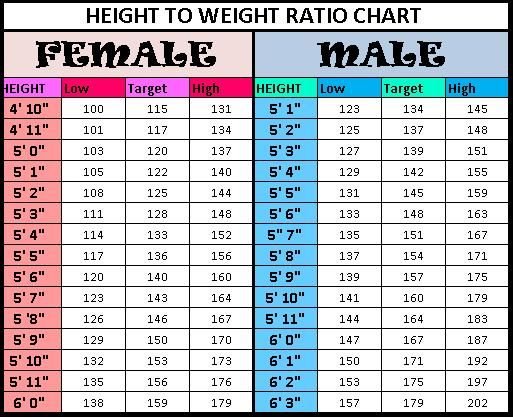
If you are wondering how much you should weigh for your height, a height weight chart for men can give you a useful starting point. For adult men, healthy weight ranges are commonly estimated using body mass index, or BMI, which compares weight with height.
For example, a man who is 5 feet 9 inches tall has a BMI-based healthy-weight range of roughly 125 to 169 pounds. But that does not mean every 5’9″ man should weigh the same amount.
Muscle mass, waist size, age, activity level, medical conditions, medications, and overall body composition can all affect what a healthy weight looks like. BMI itself is a screening measure rather than a diagnosis.
This becomes especially important after age 50. As men get older, changes in muscle mass, bone mass, activity level and body-fat distribution can make the number on the scale less informative by itself. The National Institute on Aging recommends looking at the broader picture of health rather than relying only on weight or BMI.
This guide explains how to read a height weight chart for men, how the numbers are calculated, what changes after 50, why waist size matters, and what practical steps can help you maintain a healthy weight without sacrificing muscle.
Quick Answer: What Is a Healthy Weight for a Man?
There is no single perfect weight for every man at a particular height.
For adults age 20 and older, the CDC’s standard BMI categories define a BMI of 18.5 to less than 25 as the healthy-weight range.
Here are approximate BMI-based healthy-weight ranges:
- 5’0″: 95–128 pounds
- 5’2″: 101–136 pounds
- 5’4″: 108–145 pounds
- 5’6″: 115–154 pounds
- 5’8″: 122–164 pounds
- 5’9″: 125–169 pounds
- 5’10”: 129–174 pounds
- 6’0″: 136–184 pounds
- 6’2″: 144–194 pounds
- 6’4″: 152–205 pounds
These are estimates, not personal medical targets.
For men over 50, it is particularly important to consider waist circumference, muscle strength, fitness, nutrition and recent weight changes along with the scale.
What Does a Height Weight Chart for Men Mean?
A height weight chart compares a person’s height with a range of body weights that may fall within a particular BMI category.
BMI is calculated from height and weight. For adults, the CDC uses the following general categories:
| BMI | General Category |
|---|---|
| Below 18.5 | Underweight |
| 18.5–24.9 | Healthy weight |
| 25.0–29.9 | Overweight |
| 30.0 or higher | Obesity |
| 30.0–34.9 | Class 1 obesity |
| 35.0–39.9 | Class 2 obesity |
| 40 or higher | Class 3 obesity |
BMI is useful as a screening tool, but it does not directly measure body fat, muscle, bone density or where fat is stored.
That distinction matters for men who are muscular, very active, or older.
A 60-year-old man who weighs 190 pounds may have a very different body composition from another 60-year-old man who also weighs 190 pounds. One may have substantial muscle mass, while the other may carry considerably more abdominal fat.
The scale cannot tell you that difference by itself.
For a broader explanation, see our BMI chart for adults.
Height Weight Chart for Men
The following chart provides an approximate healthy-weight range based on a BMI of 18.5 through 24.9.
| Height | Approximate Healthy Weight |
|---|---|
| 4’10” | 89–119 lb |
| 4’11” | 92–123 lb |
| 5’0″ | 95–128 lb |
| 5’1″ | 98–132 lb |
| 5’2″ | 101–136 lb |
| 5’3″ | 104–141 lb |
| 5’4″ | 108–145 lb |
| 5’5″ | 111–150 lb |
| 5’6″ | 115–154 lb |
| 5’7″ | 118–159 lb |
| 5’8″ | 122–164 lb |
| 5’9″ | 125–169 lb |
| 5’10” | 129–174 lb |
| 5’11” | 133–179 lb |
| 6’0″ | 136–184 lb |
| 6’1″ | 140–189 lb |
| 6’2″ | 144–194 lb |
| 6’3″ | 148–199 lb |
| 6’4″ | 152–205 lb |
| 6’5″ | 156–210 lb |
| 6’6″ | 160–215 lb |
These figures are rounded estimates calculated from the adult BMI healthy-weight range. The CDC’s categories apply to adults regardless of sex, although individual body composition can vary considerably.
A Note About This Chart
This chart is intended for adult men age 20 and older.
It should not be used for children or teenagers because weight assessment for younger people uses age- and sex-specific growth charts.
It also should not be treated as a prescription telling you how much weight you need to lose.
For example, a 6-foot man weighing 190 pounds is above the standard BMI healthy range. That does not automatically mean he needs to lose 6, 10 or 20 pounds. His waist measurement, muscle mass, blood pressure, blood glucose, cholesterol, physical activity and medical history may all matter.
You can also compare these numbers with our more general ideal weight chart by height.
How the Weight Ranges Are Calculated
BMI uses a simple mathematical relationship between height and weight.
For measurements in pounds and inches:
BMI = (weight in pounds × 703) ÷ height in inches²
For example, consider a man who is 5’9″ and weighs 160 pounds.
His height is 69 inches.
Using the BMI formula, his BMI is approximately 23.6, which falls within the standard adult healthy-weight category.
The calculation is useful because it gives doctors and researchers a consistent way to screen for weight-related health risks.
But it is not designed to tell you exactly how much body fat you have.
BMI Categories for Adult Men
For most adult men, the standard BMI categories are:
| BMI | What It Generally Means |
|---|---|
| Below 18.5 | Underweight |
| 18.5–24.9 | Healthy weight |
| 25.0–29.9 | Overweight |
| 30 or higher | Obesity |
The CDC emphasizes that BMI is a screening measure and should be considered alongside other health information.
BMI Can Be Misleading for Muscular Men
A muscular man can have a relatively high BMI without having excessive body fat.
This is one reason a weight chart should not be used in isolation.
If you regularly lift weights, have a physically demanding job, or have naturally high muscle mass, your appropriate weight may not fit neatly into a simple chart.
Does the Healthy Weight Range Differ for Men?
The standard adult BMI categories are the same for men and women.
That may seem surprising, but BMI itself is calculated from height and weight rather than sex.
However, men and women can have different amounts and distributions of muscle and body fat at the same height and weight.
Men also tend to carry more body fat around the abdomen, which is important because abdominal fat can be associated with increased health risks.
So the better question is not simply:
“What should a man weigh?”
It is:
“Is my weight, waist size and overall body composition appropriate for my health and stage of life?”
Why Weight Management Changes After 50
For men over 50, the number on the scale becomes only one part of the picture.
The National Institute on Aging notes that aging can affect metabolism, activity levels, muscle mass, appetite and body composition. Some older adults gain weight gradually, while others lose weight unintentionally.
Muscle Becomes More Important
Maintaining muscle helps with everyday activities such as:
- Getting out of a chair
- Climbing stairs
- Carrying groceries
- Walking
- Maintaining balance
- Doing household work
- Staying independent
This is why an aggressive diet that causes significant muscle loss may not be a good strategy for an older man.
The goal should generally be healthy body composition and physical function, not simply becoming as light as possible.
A Slightly Higher Weight May Not Tell the Whole Story
NIDDK notes that healthy-weight considerations can be different for older adults and that some experts consider a somewhat higher BMI range in older people.
That does not mean men over 50 should intentionally gain weight.
It means a BMI number should be interpreted in context rather than treated as an automatic pass-or-fail result.
Eight Factors That Can Affect a Healthy Weight
1. Muscle Mass
Muscle affects body weight.
A man who strength trains may weigh more than another man of the same height while having a healthier body-fat level.
This is one reason BMI can sometimes overestimate risk in highly muscular people.
2. Age
Aging can change body composition and activity levels.
Two men who weighed 175 pounds at age 35 may have very different amounts of muscle and abdominal fat at age 65.
3. Activity Level
A man who walks every day and strength trains twice a week has different energy needs from someone who sits for most of the day.
Current U.S. physical activity guidance recommends adults get at least 150 minutes of moderate-intensity aerobic activity each week and muscle-strengthening activity on at least two days per week.
4. Eating Pattern
Weight is affected by total calorie intake, but food quality matters too.
Vegetables, fruits, whole grains, beans, lean proteins, fish, nuts and other nutrient-dense foods can provide important nutrients without relying heavily on highly processed foods.
5. Sleep
Poor or inconsistent sleep can make healthy routines harder to maintain.
Being tired may reduce physical activity and make regular meal planning more difficult.
6. Medications and Health Conditions
Some medical conditions and medications can influence appetite, metabolism, fluid balance or weight.
If your weight changes significantly without an obvious reason, don’t automatically assume that you are eating too much or exercising too little.
Discuss unexplained changes with a healthcare professional.
7. Waist Circumference
Two men can have the same BMI but very different amounts of abdominal fat.
That is why waist measurement can provide useful additional information.
8. Recent Weight Changes
The direction and speed of weight change matter.
A man with obesity may benefit from gradual weight loss, while an older man losing weight without trying may need medical evaluation.
Sudden or unintended weight loss should not automatically be considered a positive sign. The National Institute on Aging recommends discussing unexplained weight loss with a healthcare professional.
Why Waist Size Matters for Men
Your waist can tell you something that a height weight chart cannot.
For men, a waist circumference of 40 inches or more is generally considered a level associated with increased risk for obesity-related health problems.
This does not mean that a measurement above 40 inches automatically means disease is present.
It is a screening measurement.
For a man over 50, it can be useful to track both:
- Body weight
- Waist circumference
For example, if your weight stays relatively stable but your waist gradually increases, that may indicate a change in body composition.
Healthy Weight Habits for Men Over 50
Build Meals Around Protein
Protein-rich foods provide amino acids needed for maintaining and repairing muscle.
Practical options include:
- Eggs
- Fish
- Chicken or turkey
- Greek yogurt
- Cottage cheese
- Milk
- Beans
- Lentils
- Tofu
- Nuts and seeds
Men with kidney disease or certain other medical conditions may need individualized protein advice.
Choose Nutrient-Dense Foods
As people age, calorie needs may decrease while the need for many nutrients remains important.
NIDDK recommends nutrient-dense foods such as vegetables, fruits, whole grains, low-fat dairy and lean protein sources for older adults.
Watch Liquid Calories
Soda, sweetened coffee drinks and other sugary beverages can add substantial calories without providing much nutritional value.
Water is often the simplest everyday beverage choice.
Keep Moving
You do not need to become a marathon runner.
Walking, gardening, swimming, cycling, dancing and household activities can all contribute to a more active lifestyle.
For older adults, combining aerobic activity with strength and balance exercises is particularly useful.
What to Eat When Managing Weight
A simple plate can make healthy eating easier.
A Practical Meal Pattern
Half the plate: vegetables or salad
One-quarter: protein such as fish, chicken, beans, eggs or tofu
One-quarter: whole grains or another carbohydrate such as brown rice, oatmeal, potatoes or whole-grain pasta
Add fruit, water and an appropriate serving of dairy if it fits your eating pattern.
Foods to Choose More Often
- Vegetables
- Fruits
- Beans and lentils
- Oatmeal
- Brown rice
- Whole-grain bread
- Fish
- Lean poultry
- Eggs
- Low-fat dairy
- Nuts and seeds
- Healthy unsaturated fats
Foods to Limit
You do not necessarily need to eliminate these foods, but keeping portions reasonable can help:
- Sugar-sweetened drinks
- Highly processed snack foods
- Large desserts
- Fried foods
- Foods high in saturated fat
- Highly salty foods
- Frequent alcohol consumption
The goal is not a perfect diet. It is an eating pattern that you can realistically follow for years.
Real-Life Examples
Example 1: A 5’9″ Man Weighing 160 Pounds
A 5’9″ man weighing 160 pounds has a BMI of approximately 23.6.
That falls within the standard adult healthy-weight BMI range.
If he also has a healthy waist measurement, eats a balanced diet, stays active and has good physical function, there may be little reason to obsess over reaching a particular number on the scale.
Example 2: A 5’10” Man Over 60 Weighing 180 Pounds
The BMI-based healthy-weight range for a 5’10” adult is approximately 129–174 pounds.
A man weighing 180 pounds is slightly above that range.
But the chart alone cannot determine whether weight loss is necessary.
His doctor might also consider his waist circumference, blood pressure, blood glucose, cholesterol, physical activity, medications and muscle mass.
Example 3: A 72-Year-Old Man Losing Weight Without Trying
Imagine a 72-year-old man who has weighed about 170 pounds for years but falls to 150 pounds without intentionally changing his diet or exercise.
Even if 150 pounds happens to fall inside his height-based range, unexplained weight loss deserves attention.
The National Institute on Aging notes that sudden unintended weight loss can sometimes be related to an underlying medical problem and should be discussed with a healthcare professional.
Common Myths About Men’s Weight
Myth 1: Every man has one perfect weight.
Fact: There is no universal perfect weight. A healthy range is more useful than one exact number.
Myth 2: A normal BMI means you are automatically healthy.
Fact: BMI is only one screening measure. It does not directly measure body fat, muscle, fitness or waist circumference.
Myth 3: Men over 50 should weigh exactly what they did at 30.
Fact: Body composition and activity levels can change with age. Your healthiest weight later in life may not be identical to your weight decades earlier.
Myth 4: The lower your weight, the healthier you are.
Fact: Being underweight can also be a health concern, particularly in older adults.
Myth 5: A high BMI always means you have too much body fat.
Fact: Muscle can contribute substantially to body weight, so BMI can overestimate body-fat-related risk in some muscular people.
Myth 6: You need to lose weight quickly.
Fact: Rapid or extreme approaches are not necessary for everyone. Sustainable changes in food intake and physical activity are generally more practical for long-term weight management.
Myth 7: If your weight is normal, your waist does not matter.
Fact: Abdominal fat can provide additional information about health risk even when BMI is not high.
Who Should Be More Careful With Weight Loss?
Men Over 50
Older men should be cautious about aggressive dieting because preserving muscle, strength and adequate nutrition becomes increasingly important with age.
Older Men With Unintentional Weight Loss
If you are losing weight without intentionally changing your eating or activity, talk with a healthcare professional.
Men With Chronic Health Conditions
Men with diabetes, kidney disease, heart disease, gastrointestinal conditions or other chronic health problems may need individualized nutrition and exercise advice.
Men Taking Multiple Medications
Some medications can affect appetite, body weight or fluid balance.
A significant unexplained change should be discussed with the clinician who manages your medications.
Men Who Are Underweight
If your weight is below the standard BMI range, losing additional weight may not be appropriate.
The goal may instead be maintaining or gradually improving weight and nutrition.
How to Get Started
If you want to use a height weight chart for men as a starting point, keep the process simple.
1. Measure Your Height
Measure yourself without shoes while standing upright.
Accurate height matters because even a small measurement difference can affect BMI.
2. Check Your Weight
Use a reliable scale.
If you are tracking your weight, try to weigh yourself under similar conditions rather than worrying about every daily fluctuation.
3. Calculate Your BMI
Compare your BMI with the standard adult categories.
Remember that BMI is a screening tool, not a diagnosis.
4. Measure Your Waist
For men, a waist measurement of 40 inches or more is associated with increased health risk and deserves attention.
5. Look at Your Strength
Ask yourself:
- Can I get out of a chair comfortably?
- Can I climb stairs?
- Can I carry groceries?
- Am I walking regularly?
- Do I perform any strength exercises?
- Has my strength changed recently?
For men over 50, these questions can be more useful than focusing on a few pounds.
6. Make One or Two Changes
You might begin by:
- Walking for 15–20 minutes most days
- Adding vegetables to lunch and dinner
- Replacing sugary drinks with water
- Including protein at breakfast
- Doing simple strength exercises twice a week
- Reducing oversized portions
Current guidance supports building toward 150 minutes of moderate activity each week and muscle-strengthening activity at least twice weekly.
How to Get Started
If you want to use a height weight chart for men as a starting point, keep the process simple.
1. Measure Your Height
Measure yourself without shoes while standing upright.
Accurate height matters because even a small measurement difference can affect BMI.
2. Check Your Weight
Use a reliable scale.
If you are tracking your weight, try to weigh yourself under similar conditions rather than worrying about every daily fluctuation.
3. Calculate Your BMI
Compare your BMI with the standard adult categories.
Remember that BMI is a screening tool, not a diagnosis.
4. Measure Your Waist
For men, a waist measurement of 40 inches or more is associated with increased health risk and deserves attention.
5. Look at Your Strength
Ask yourself:
- Can I get out of a chair comfortably?
- Can I climb stairs?
- Can I carry groceries?
- Am I walking regularly?
- Do I perform any strength exercises?
- Has my strength changed recently?
For men over 50, these questions can be more useful than focusing on a few pounds.
6. Make One or Two Changes
You might begin by:
- Walking for 15–20 minutes most days
- Adding vegetables to lunch and dinner
- Replacing sugary drinks with water
- Including protein at breakfast
- Doing simple strength exercises twice a week
- Reducing oversized portions
Current guidance supports building toward 150 minutes of moderate activity each week and muscle-strengthening activity at least twice weekly.
Final Takeaway
A height weight chart for men is useful because it gives you a quick way to understand how height and weight relate to standard BMI categories.
But the chart should be a starting point, not a finish line.
For men over 50, maintaining muscle, staying physically active, keeping an eye on waist size, eating nutrient-dense foods and paying attention to unexpected weight changes can be just as important as the number on the scale.
If your weight falls outside the chart, that does not automatically mean something is wrong. And if your weight falls inside the chart, that does not automatically mean everything is healthy.
Think of your weight as one piece of the health picture—not the entire picture.
Related EverAgeWell Reading
- Ideal Weight Chart by Height — useful for comparing healthy weight ranges across different heights.
- BMI Chart for Adults — explains adult BMI categories and how to interpret them.
- Cholesterol Levels Chart — helpful when looking at weight alongside heart-health numbers.
- Blood Glucose Level Chart — explains common blood glucose ranges and what the numbers mean.
- Blood Pressure Chart for Seniors — useful for adults over 50 monitoring another important health measurement.
- How to Keep Your Mind Sharp at Any Age — additional healthy-aging reading for adults over 50.
Medical Disclaimer
This article is for general educational and informational purposes only. A height weight chart and BMI can help provide a general picture of weight relative to height, but they do not diagnose disease or provide individualized medical advice. If you are concerned about your weight, waist size, unexplained weight changes, diet, exercise or a medical condition, talk with a qualified healthcare professional.
Trusted Health Sources
- CDC: Adult BMI Calculator and BMI Categories
- NIDDK/NIH: Am I at a Healthy Weight?
- NIDDK/NIH: Health Tips for Older Adults
- National Institute on Aging: Maintaining a Healthy Weight as You Age
- National Institute on Aging: Exercise and Physical Activity for Older Adults
Written by
Kanhaiya Solanki is a dedicated online researcher, content writer, and blogger passionate about publishing high-quality, research-based articles. His goal is to provide accurate, easy-to-understand, and practical information on health, technology, senior care, and lifestyle topics for readers worldwide.