Your liver works hard every day. It helps process nutrients, breaks down many medications and substances, produces bile for digestion, and performs hundreds of other functions that keep your body working properly. One practical way to support your liver is to build a healthy, balanced eating routine.
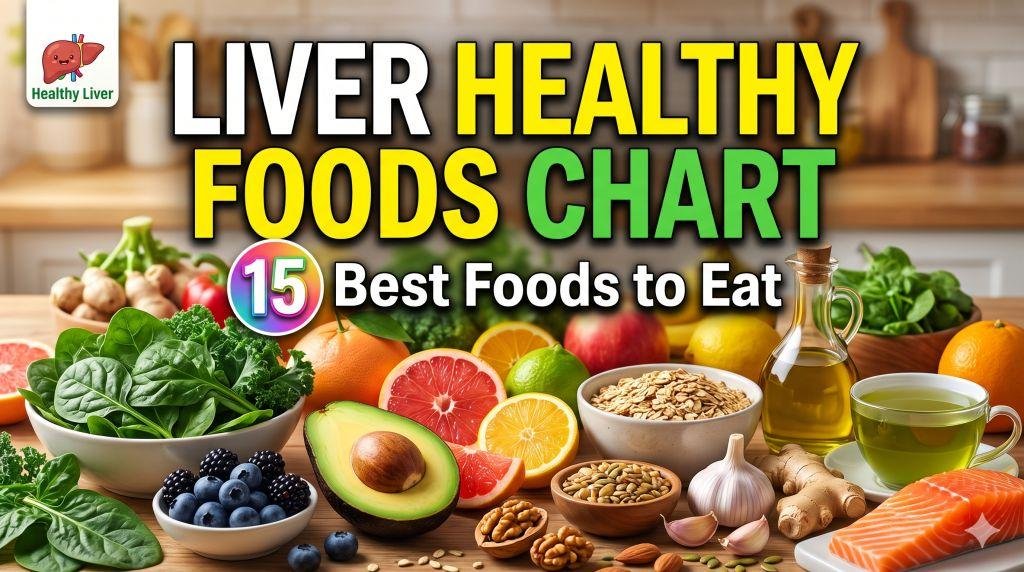
A liver healthy foods chart makes it easier to identify foods that fit into a liver-friendly diet. Vegetables, whole fruits, whole grains, beans, nuts, fish, and other nutritious foods can help support overall health and may reduce some risk factors associated with fatty liver disease.
For adults over 50, food choices become particularly important because conditions such as type 2 diabetes, high cholesterol, high blood pressure, and excess body weight can increase the risk of metabolic dysfunction-associated steatotic liver disease (MASLD), formerly known as nonalcoholic fatty liver disease (NAFLD).
The good news is that supporting liver health does not require expensive supplements, complicated recipes, or a restrictive diet. Everyday choices, such as eating oatmeal instead of a sugary breakfast cereal or choosing water instead of soda, can be useful starting points.
This guide explains which foods to include, which foods to limit, how to plan balanced meals, and what adults over 50 should know about protecting their liver.
Quick Answer: What Are the Best Foods for Liver Health?
The best foods for a generally liver-friendly eating pattern include:
- Leafy green vegetables: Spinach, kale, and collard greens.
- Cruciferous vegetables: Broccoli, cauliflower, and Brussels sprouts.
- Whole fruits: Apples, blueberries, oranges, and strawberries.
- Whole grains: Oatmeal, brown rice, and whole-wheat bread.
- Beans and lentils: Black beans, chickpeas, kidney beans, and lentils.
- Fatty fish: Salmon, sardines, and trout.
- Nuts and seeds: Walnuts, almonds, chia seeds, and flaxseeds.
- Healthy fats: Olive oil and avocado.
- Lean protein: Skinless poultry, eggs, tofu, and other suitable protein sources.
- Unsweetened beverages: Water, unsweetened tea, and coffee when appropriate.
A healthy liver diet also involves limiting sugary drinks, excess added sugar, heavily processed foods, and large amounts of saturated fat. People with liver disease should follow any additional dietary instructions provided by their healthcare team.
What Is a Liver-Healthy Diet?
A liver-healthy diet is an eating pattern that provides the nutrients your body needs while helping manage factors that can contribute to liver problems.
Rather than focusing on one special ingredient, this approach emphasizes a variety of whole and minimally processed foods.
The liver helps regulate nutrients, processes substances carried in the blood, produces bile, and stores certain vitamins and minerals. A nutritious diet supports your overall health and can help reduce risk factors associated with some liver conditions.
For example, a diet rich in fiber and unsaturated fats, combined with appropriate portion sizes and physical activity, can help support blood sugar management and a healthy weight.
These factors matter because excess fat can accumulate in the liver, particularly in people with insulin resistance, type 2 diabetes, or obesity.
However, a healthy diet is not a cure for every liver condition. Viral hepatitis, alcohol-associated liver disease, autoimmune liver diseases, and advanced cirrhosis may require medical treatment and specific nutritional adjustments.
Liver Healthy Foods Chart: 15 Foods to Include
Use the following chart as a practical grocery-shopping guide. The foods listed are examples of nutritious choices rather than a prescribed diet.
| Food | Key Nutrients or Features | How to Include It |
|---|---|---|
| Spinach | Folate, vitamin K, fiber | Add to salads, soups, or eggs |
| Broccoli | Fiber, vitamin C | Steam or roast as a side dish |
| Blueberries | Fiber and plant compounds | Add to oatmeal or yogurt |
| Apples | Fiber, especially when eaten with the skin | Enjoy as a snack |
| Oatmeal | Whole grains and soluble fiber | Eat for breakfast |
| Brown rice | Whole grains and fiber | Serve with vegetables and beans |
| Lentils | Plant protein, fiber, folate | Add to soups or grain bowls |
| Chickpeas | Plant protein and fiber | Use in salads or homemade hummus |
| Salmon | Protein and omega-3 fatty acids | Bake or grill for dinner |
| Sardines | Protein and omega-3 fatty acids | Serve with whole-grain toast |
| Walnuts | Unsaturated fats and fiber | Add a small handful to breakfast |
| Chia seeds | Fiber and plant-based omega-3 fats | Stir into oatmeal or yogurt |
| Extra-virgin olive oil | Monounsaturated fat | Use in salad dressings |
| Avocado | Unsaturated fat and fiber | Add to toast or salads |
| Plain Greek yogurt | Protein and calcium | Choose an unsweetened variety |
Remember: These foods can contribute to an overall healthy eating pattern, but no individual item guarantees improved liver function or reverses liver disease.
15 Best Foods for Liver Health
1. Leafy Green Vegetables
Spinach, kale, collard greens, and other leafy vegetables provide vitamins, minerals, fiber, and plant compounds.
They are also relatively low in calories, making them useful for meals designed to support a healthy weight.
Try adding spinach to scrambled eggs, using kale in soup, or serving steamed greens with grilled chicken or beans.
Fresh, frozen, and appropriately prepared canned vegetables can all fit into a healthy diet.
Why they matter: Eating more vegetables can help improve overall dietary quality and support weight management.
2. Broccoli and Other Cruciferous Vegetables
Broccoli, cauliflower, cabbage, and Brussels sprouts contain fiber and naturally occurring plant compounds.
These vegetables can add volume and variety to meals without requiring large amounts of added fat or sugar.
Roast broccoli with olive oil and black pepper, add cabbage to a vegetable soup, or serve cauliflower alongside baked fish.
There is ongoing research into how compounds in cruciferous vegetables interact with the body’s natural processes. However, eating broccoli should not be viewed as a treatment for liver disease.
Practical tip: If you do not enjoy broccoli, try cauliflower, cabbage, or another vegetable you prefer.
3. Blueberries and Other Berries
Blueberries, strawberries, raspberries, and blackberries provide fiber and plant compounds called polyphenols.
These compounds are being studied for their potential roles in health, but the effects of eating berries on liver disease specifically are not fully established.
Whole berries are generally a better everyday choice than sweetened berry drinks because they provide fiber and do not require added sugar.
Add blueberries to oatmeal, mix strawberries into plain yogurt, or enjoy a small bowl of berries after lunch.
Frozen berries are also a convenient option. Choose products without added sugar when possible.
4. Apples
Apples contain fiber, including pectin, which contributes to digestive health.
Their natural sweetness makes them a convenient alternative to cookies, candy, and other sugary snacks.
Wash an apple and eat it with the skin when appropriate, or pair apple slices with a small serving of unsalted nuts.
Although apples are a nutritious choice, there is no strong basis for claiming that eating a particular number of apples will cleanse the liver.
Best approach: Enjoy whole fruit regularly as part of a varied diet.
5. Oatmeal and Other Whole Grains
Oatmeal provides soluble fiber, which can help support healthy cholesterol levels. Whole grains also supply nutrients that may be lost when grains are heavily refined.
Other good options include brown rice, quinoa, barley, and whole-wheat bread.
For breakfast, prepare oatmeal with milk or an unsweetened fortified alternative. Add blueberries, cinnamon, and a few walnuts for extra flavor and nutrients.
When purchasing packaged oatmeal, compare labels because some flavored varieties contain substantial amounts of added sugar.
Why it matters: Choosing whole grains more often can help improve overall diet quality and support metabolic health.
6. Beans, Chickpeas, and Lentils
Beans and lentils are excellent sources of plant protein and dietary fiber.
They can help you feel satisfied after meals and provide an affordable alternative to some processed meats.
Try black beans in a grain bowl, lentils in vegetable soup, or chickpeas in a salad.
If you use canned beans, look for reduced-sodium options or rinse them under running water to remove some of the sodium.
For adults over 50, beans can be especially useful because they provide both fiber and protein without requiring expensive ingredients.
Simple meal idea: Combine lentils, brown rice, tomatoes, and cooked vegetables for a filling lunch.
7. Salmon and Other Fatty Fish
Salmon, sardines, trout, and other oily fish contain omega-3 fatty acids.
These fats support cardiovascular health, and fish can provide high-quality protein.
Research into omega-3 fatty acids and fatty liver disease has produced mixed findings. Eating fish is a sensible component of a balanced diet, but fish oil or fish consumption should not be treated as a proven cure for fatty liver.
Bake salmon with lemon and herbs, grill trout, or serve sardines with whole-grain toast.
Choose cooking methods that do not require excessive butter, salt, or deep-frying.
If you have a medical condition requiring dietary restrictions, ask your healthcare professional which fish choices are appropriate.
8. Walnuts and Other Unsalted Nuts
Walnuts, almonds, pistachios, and other nuts contain unsaturated fats, fiber, and various nutrients.
They are useful snacks when eaten in reasonable portions.
Try adding chopped walnuts to oatmeal or keeping a small container of unsalted almonds available for an afternoon snack.
Nuts are calorie-dense, so portion size matters if you are trying to manage your weight.
A small handful is often a practical serving.
Important distinction: Nuts can contribute to a healthy eating pattern, but evidence does not establish that a particular nut will independently reverse liver damage.
9. Olive Oil
Extra-virgin olive oil is rich in monounsaturated fat and is a common component of the Mediterranean-style eating pattern.
Replacing some butter, shortening, or other sources of saturated fat with unsaturated fats can support cardiovascular health and may be useful for people managing metabolic risk factors.
Use olive oil in salad dressings, drizzle a small amount over roasted vegetables, or use it when sautéing food.
It still contains calories, so using generous quantities is not necessary.
Practical swap: Try olive oil and herbs instead of a heavy, cream-based sauce.
10. Avocados
Avocados provide monounsaturated fats, fiber, and several vitamins and minerals.
Their creamy texture makes them a useful substitute for some spreads and sauces that contain more saturated fat.
Add avocado to whole-grain toast, slice it into a salad, or serve it with eggs.
Avocados are not a liver detox food, but they can fit into a balanced eating pattern.
Because they are calorie-dense, portion sizes may matter if weight management is one of your health goals.
11. Plain Yogurt and Other Suitable Dairy Foods
Plain yogurt provides protein and calcium. Some varieties also contain live cultures.
Greek yogurt can be a particularly convenient protein source for adults who want a quick breakfast or snack.
Choose plain varieties more often than products with large amounts of added sugar.
You can improve the flavor by adding fresh berries, sliced apples, or a small amount of cinnamon.
People who cannot tolerate dairy may consider suitable fortified alternatives. Check the nutrition label because protein and calcium content can vary considerably.
Why it matters: Adequate protein becomes especially important with age because it helps maintain muscle and physical function.
12. Eggs
Eggs provide protein and several essential nutrients.
They are easy to prepare and can be part of a balanced breakfast, lunch, or dinner.
Try boiled eggs with whole-grain toast, scrambled eggs with spinach, or an omelet filled with vegetables.
If you have high cholesterol, diabetes, or specific cardiovascular risk factors, discuss your overall dietary pattern with your healthcare professional rather than relying on a single food rule.
Eggs are not a special liver treatment, but they can help provide protein as part of a varied diet.
13. Skinless Chicken and Other Lean Proteins
Skinless chicken, turkey, tofu, and other suitable protein foods help provide the building blocks your body needs to maintain and repair tissues.
Choosing grilled, baked, roasted, or poached preparations can help reduce the need for excess added fat.
For example, replace a heavily processed meat sandwich with grilled chicken, lettuce, tomatoes, and whole-grain bread.
If you follow a vegetarian eating pattern, combine foods such as beans, lentils, tofu, and whole grains to create satisfying meals.
For adults over 50: Avoid overly restrictive diets that leave you short of protein or other essential nutrients.
14. Garlic, Onions, and Fresh Herbs
Garlic, onions, parsley, basil, and other herbs and seasonings add flavor to meals.
They can help make vegetables, fish, beans, and whole grains more enjoyable without relying heavily on salt, sugary sauces, or rich dressings.
Add garlic to lentils, sprinkle parsley over roasted vegetables, or season chicken with lemon, pepper, and herbs.
These ingredients contain various plant compounds, but claims that garlic or onions cleanse the liver or remove toxins from the body are not supported by sufficient clinical evidence.
Use them for flavor and nutritional variety rather than as a treatment.
15. Water, Unsweetened Tea, and Coffee
What you drink matters, too.
Water is an excellent everyday beverage, while unsweetened tea and coffee can fit into many adults’ diets.
Some observational studies have associated coffee consumption with a lower risk of certain liver conditions. However, these findings do not mean everyone should start drinking coffee or that coffee can treat existing liver disease.
If you enjoy coffee, consider drinking it without large amounts of sugar, flavored syrup, or cream.
People who are sensitive to caffeine or have medical reasons to limit it should adjust their intake accordingly.
Water is particularly useful as a replacement for soda, sweetened tea, and other beverages containing substantial amounts of added sugar.
Foods to Limit for Better Liver Health
A liver-friendly diet is not only about adding nutritious foods. It also involves reducing foods and drinks that can contribute to excess calorie intake, poor metabolic health, or further liver damage.
| Food or Drink | Why to Limit It | A Better Everyday Choice |
|---|---|---|
| Sugary soda | Adds sugar and calories with little nutritional value | Water or unsweetened sparkling water |
| Sweetened tea and energy drinks | May contain substantial added sugar | Unsweetened tea or water |
| Excess fruit juice | Can deliver considerable sugar with less fiber than whole fruit | Whole fruit |
| Candy and pastries | Often high in added sugar and saturated fat | Fruit or plain yogurt |
| Deep-fried foods | Can be high in calories and saturated fat, depending on the food and oil | Baked or grilled alternatives |
| Processed meats | May contain substantial sodium and saturated fat | Beans, fish, or lean poultry |
| Large portions of refined grains | Can displace more fiber-rich foods | Whole-grain bread or brown rice |
| Alcohol | Can cause or worsen liver damage | Alcohol-free beverages |
Why Sugary Drinks Deserve Special Attention
Regular consumption of sugar-sweetened beverages can contribute to excess calorie intake and metabolic problems.
The liver plays an important role in processing fructose, a sugar found in fruit and many sweetened products. Large amounts of added sugar, particularly from sugary drinks, may contribute to fat accumulation in the liver.
This does not mean whole fruit should be avoided. Whole fruit provides fiber and nutrients and is generally a better choice than sugar-sweetened beverages.
What About Alcohol?
Alcohol can damage the liver, and the risks depend on factors such as the amount consumed, drinking patterns, and existing health conditions.
If you have liver disease, your healthcare professional may recommend avoiding alcohol completely. People with alcohol-associated liver disease or cirrhosis generally need to stop drinking.
If you are concerned about your liver health, discuss alcohol use honestly with your healthcare professional.
Benefits of a Liver-Friendly Eating Pattern
A balanced diet can support several aspects of health. The effects depend on your overall eating habits, medical history, and activity level.
1. It May Help Reduce Excess Liver Fat
For people with MASLD who have overweight or obesity, gradual weight loss can reduce fat in the liver.
A combination of nutritious food choices, appropriate portions, and regular physical activity may help.
Crash diets and rapid weight loss are not recommended. They can create nutritional problems and may worsen certain liver conditions.
2. It Supports Blood Sugar Management
Whole grains, vegetables, beans, and other fiber-rich foods can help support healthier blood sugar patterns.
This matters because insulin resistance and type 2 diabetes are closely associated with MASLD.
People with diabetes should continue following their prescribed treatment plan and should not rely on food changes alone.
3. It Supports Heart Health
Many of the foods recommended for a liver-friendly diet also support cardiovascular health.
Fish, nuts, olive oil, vegetables, and whole grains can help improve the overall quality of your diet, especially when they replace foods high in saturated fat.
This is particularly relevant because people with MASLD often have other cardiovascular risk factors.
4. It Helps Maintain Muscle and Strength
Adequate protein and sufficient overall nutrition help preserve muscle.
For adults over 50, maintaining muscle can support mobility, balance, independence, and everyday activities.
People with advanced liver disease may have increased nutritional needs and should obtain individualized guidance.
5. It Encourages Better Long-Term Eating Habits
A balanced eating pattern can be easier to maintain than a restrictive diet based on a few supposed superfoods.
Affordable staples such as oatmeal, beans, frozen vegetables, eggs, and brown rice make healthy meals practical even when grocery budgets are limited.
The goal is consistency, not perfection.
Liver Health and Nutrition After 50
Adults over 50 may have several reasons to pay attention to liver health.
The likelihood of developing metabolic conditions can increase with age, although liver disease can affect younger adults as well.
Some older adults also take multiple prescription medications or supplements, making it important to review everything they use with a healthcare professional.
Here are four practical considerations.
Prioritize protein. Include suitable protein sources throughout the day to help maintain muscle.
Choose fiber-rich foods. Vegetables, whole fruits, beans, and whole grains can support digestive and metabolic health.
Pay attention to portion sizes. If weight loss is appropriate for your health, gradual changes are generally more sustainable than extreme restrictions.
Avoid unnecessary supplements. Herbal products marketed for liver cleansing may be ineffective or harmful. Some can cause liver injury or interact with prescription medicines.
If you have cirrhosis, do not assume that a standard weight-loss diet is appropriate. Cirrhosis can change how your body uses and stores nutrients, and your clinician may recommend specific calorie, protein, sodium, or meal-timing adjustments.
Sample One-Day Liver-Healthy Meal Plan
You do not need to eat every food listed in the chart each day. The following example shows how a few nutritious choices can fit together.
| Meal | Example | Why It Works |
|---|---|---|
| Breakfast | Oatmeal with blueberries, walnuts, and plain yogurt | Provides fiber, protein, and unsaturated fats |
| Morning snack | An apple with a small handful of almonds | Offers fiber and a satisfying snack |
| Lunch | Lentil soup with a side salad and whole-grain bread | Combines plant protein, vegetables, and whole grains |
| Afternoon snack | Plain Greek yogurt or fresh fruit | Provides nutrients without relying on sugary snacks |
| Dinner | Baked salmon, brown rice, and steamed broccoli | Provides protein, omega-3 fats, and vegetables |
| Drinks | Water throughout the day; unsweetened tea if desired | Helps replace sugary beverages |
Adjust portions according to your appetite, activity level, medical conditions, and nutritional needs.
If you have diabetes, kidney disease, cirrhosis, or another condition requiring a special diet, ask your healthcare professional or registered dietitian to adapt this plan.
Easy Food Swaps to Try This Week
You can start with small changes rather than changing your entire diet overnight.
- Replace one daily soda with water.
- Choose oatmeal instead of a sugary breakfast pastry.
- Add a serving of vegetables to lunch or dinner.
- Eat whole fruit instead of drinking fruit juice.
- Use beans or lentils in place of processed meat in some meals.
- Choose baked or grilled foods more often than deep-fried options.
- Season meals with herbs, spices, garlic, and lemon instead of relying heavily on salt.
- Prepare a few healthy snacks in advance.
These changes can help improve your overall diet without making meals complicated.
Common Myths About Liver Health
Myth 1: You Need a Liver Detox Drink
Fact: Your liver already performs essential processing and waste-handling functions. Commercial detox drinks have not been established as a way to cleanse or repair the liver, and some products can cause harm.
A balanced diet, appropriate medical care, and avoiding substances that damage the liver are more sensible approaches.
Myth 2: Lemon Water Flushes Toxins From the Liver
Fact: Lemon water can be a refreshing drink, particularly if it helps you replace sugary beverages. However, there is no good evidence that lemon water flushes toxins from the liver.
You can drink it if you enjoy the taste, but it should not be considered a treatment.
Myth 3: Eating Certain Fruits Reverses Fatty Liver
Fact: Whole fruits provide fiber and nutrients and can be part of a healthy diet. However, no single fruit is proven to reverse fatty liver disease on its own.
Overall dietary patterns, weight management when appropriate, physical activity, and medical care are more important.
Myth 4: Only People Who Drink Alcohol Develop Liver Disease
Fact: Liver disease has many causes.
MASLD is associated with metabolic risk factors, including insulin resistance, type 2 diabetes, and excess body weight. Other liver conditions can result from viral infections, autoimmune diseases, inherited disorders, medications, and other causes.
Someone who does not drink alcohol can still develop liver disease.
Myth 5: All Fat Is Bad for Your Liver
Fact: The type of fat matters.
Unsaturated fats found in foods such as nuts, olive oil, avocados, and fish can be part of a balanced diet. It is generally helpful to limit excess saturated fat and avoid industrial trans fats.
Portion sizes still matter because all fats are calorie-dense.
Myth 6: If You Feel Healthy, Your Liver Must Be Healthy
Fact: Some liver conditions produce few or no noticeable symptoms in their early stages.
Feeling well does not rule out liver disease. If you have risk factors or abnormal liver blood tests, discuss appropriate evaluation with your healthcare professional.
Myth 7: Natural Liver Supplements Are Always Safe
Fact: Natural does not automatically mean safe.
Some herbal supplements can damage the liver or interact with medications. Products marketed for cleansing, fat burning, or rapid weight loss deserve particular caution.
Speak with a healthcare professional before starting a supplement, especially if you already have liver disease.
Who Should Be More Careful With a Liver-Healthy Diet?
A generally balanced diet works well for many adults, but some people need more specific advice.
People With Fatty Liver Disease
If you have MASLD, your healthcare professional may recommend gradual weight loss if appropriate, physical activity, and changes to your eating pattern.
The goal is to improve metabolic health and reduce liver-related risks, not to follow a short-term detox program.
People With Cirrhosis
Cirrhosis can affect appetite, nutrient absorption, muscle mass, and the body’s handling of fluids.
Depending on the situation, your healthcare team may recommend adequate protein, smaller and more frequent meals, specific sodium limits, or other dietary adjustments.
Do not begin fasting or a highly restrictive weight-loss diet without medical guidance.
People With Diabetes
People with diabetes may benefit from a meal plan that considers carbohydrate intake, medication timing, and blood glucose levels.
If you use insulin or medicines that can cause low blood sugar, major dietary changes may require adjustments to your treatment plan.
People Taking Prescription Medicines
Some medicines can affect the liver, while some supplements can interact with medications.
Do not stop prescribed treatment because of concerns about liver health. Instead, ask your healthcare professional or pharmacist whether your medicines or supplements require monitoring.
People With Kidney Disease or Other Chronic Conditions
Foods that are appropriate for one condition may not be suitable for another.
For example, some people with kidney disease need individualized potassium, phosphorus, protein, or fluid guidance. People with cirrhosis may need specific sodium restrictions.
A registered dietitian can help balance these needs.
How to Start Eating for Better Liver Health
If you want to put this liver healthy foods chart into practice, start with a few manageable steps.
Step 1: Review your usual meals.
Notice how often you eat vegetables, whole fruits, whole grains, beans, fish, and other protein sources.
You do not need to track every calorie. Simply identifying opportunities for improvement can be useful.
Step 2: Replace sugary drinks.
If you regularly drink soda, sweetened tea, or other sugar-sweetened beverages, try replacing one serving with water or an unsweetened alternative.
This is a practical first step because liquid calories can add up quickly.
Step 3: Add vegetables to familiar meals.
Add spinach to eggs, vegetables to pasta, or broccoli to dinner.
Frozen vegetables are often affordable and convenient. Choose plain varieties when possible.
Step 4: Choose whole grains more often.
Try oatmeal for breakfast, brown rice with lunch, or whole-grain bread for a sandwich.
If you currently eat mostly refined grains, gradually replacing some servings may make the change easier to maintain.
Step 5: Include protein at meals.
Choose from fish, poultry, eggs, beans, lentils, tofu, yogurt, or other appropriate protein sources.
Adequate protein is particularly important for maintaining muscle as you age.
Step 6: Make movement part of your routine.
Walking, swimming, cycling, or other suitable physical activities can support metabolic health.
Choose an activity that matches your current fitness and mobility. If you have health limitations, ask your healthcare professional which activities are appropriate.
Step 7: Avoid unproven liver cleanses.
Do not assume that a supplement is safe simply because it is labeled natural or herbal.
Check with your healthcare professional before taking new supplements, especially if you have an existing liver condition.
Step 8: Arrange medical follow-up when needed.
If you have abnormal liver tests, diabetes, significant metabolic risk factors, or a diagnosed liver condition, ask your clinician whether you need additional evaluation or monitoring.
Diet is an important part of care, but it does not replace diagnosis or treatment.
Frequently Asked Questions
1. What are the best foods for liver health?
Vegetables, whole fruits, whole grains, beans, lentils, fish, nuts, seeds, and foods containing unsaturated fats are good choices.
They provide nutrients that support overall health and can help improve dietary quality. No single food guarantees a healthy liver.
2. What is the best liver healthy foods chart for daily use?
A useful daily chart includes vegetables at lunch and dinner, whole fruit, a whole-grain food, a suitable protein source, and small amounts of healthy fats.
You can rotate foods throughout the week rather than eating the same meals every day.
3. Which fruits are good for liver health?
Apples, blueberries, strawberries, oranges, and other whole fruits can fit into a healthy eating pattern.
Whole fruit is generally preferable to fruit juice because it retains fiber and can be more filling.
4. Is oatmeal good for the liver?
Yes, oatmeal can be part of a liver-friendly diet. It provides whole grains and soluble fiber, which can support healthy cholesterol levels and overall metabolic health.
Choose plain oatmeal more often than varieties with large amounts of added sugar.
5. Are eggs good for liver health?
Eggs provide protein and essential nutrients and can fit into a balanced diet.
They are not a liver treatment, and your overall dietary needs should guide how frequently you eat them.
6. Is coffee good for the liver?
Research has associated coffee consumption with a lower risk of some liver conditions. However, these findings do not establish coffee as a treatment or mean everyone should drink it.
If you enjoy coffee, consider limiting added sugar and high-calorie creamers. Ask your healthcare professional if caffeine is unsuitable for you.
7. What foods should I avoid with fatty liver?
Common recommendations include limiting sugar-sweetened beverages, excess added sugar, heavily processed foods, and foods high in saturated fat.
Alcohol may need to be avoided, depending on your liver condition. Your clinician can provide advice tailored to your diagnosis.
8. Can food reverse fatty liver disease?
Dietary changes can help improve fatty liver disease, particularly when they support gradual weight loss in people for whom weight loss is appropriate.
The degree of improvement varies. Some people also need medical treatment and monitoring of associated conditions such as diabetes and high cholesterol.
9. What is the fastest way to improve liver health naturally?
There is no guaranteed overnight solution.
A sensible approach is to reduce sugary drinks, choose more whole foods, stay physically active as appropriate, avoid harmful alcohol use, and obtain medical care when needed.
Avoid crash diets and unproven detox products.
10. Is lemon water good for liver health?
Lemon water can help you stay hydrated and may be a useful alternative to sugary drinks.
However, it has not been shown to detoxify the liver or treat liver disease.
11. Are bananas good for liver health?
Bananas provide carbohydrates, fiber, and potassium and can fit into a balanced diet.
They are not a special liver-cleansing food. People who have been advised to restrict potassium, such as some individuals with kidney disease, should follow their healthcare team’s guidance.
12. Can people over 50 improve liver health through diet?
Yes. Adults over 50 can benefit from nutritious meals, suitable protein intake, physical activity, and management of conditions such as diabetes and high cholesterol.
Dietary changes should account for individual health needs, particularly when liver disease or other chronic conditions are present.
13. What should I drink for a healthy liver?
Water is an excellent everyday choice. Unsweetened tea and coffee may also fit into many adults’ diets.
Limit sugar-sweetened beverages, and avoid alcohol if your healthcare professional has advised complete abstinence.
14. Do liver supplements really work?
There is insufficient evidence to recommend liver-detox supplements as a general way to improve liver health.
Some supplements can cause liver injury or interact with medicines. Consult your healthcare professional before using them.
15. Can liver disease occur without symptoms?
Yes. Some liver conditions, including early-stage fatty liver disease, may cause few or no noticeable symptoms.
If you have risk factors, persistent concerns, or abnormal liver blood tests, seek medical advice rather than relying on how you feel.
Final Takeaway: Use This Liver Healthy Foods Chart as a Starting Point
A liver healthy foods chart can make everyday food choices easier, but the most important factor is your overall eating pattern.
Include vegetables, whole fruits, whole grains, beans, fish, and other suitable protein sources. Choose unsaturated fats more often, limit sugary drinks and heavily processed foods, and avoid unproven liver-cleansing products.
For adults over 50, maintaining muscle, managing blood sugar, staying physically active, and following recommended medical care are also important parts of healthy aging.
You do not need to change everything at once. Start with one or two realistic food swaps, build consistency, and adjust your choices to suit your health needs.
The bottom line: Nutritious food can support liver health, but it cannot replace medical evaluation or treatment when liver disease is present.
Medical Disclaimer
This article is intended for general educational purposes only and does not replace individualized medical advice, diagnosis, or treatment. Dietary needs vary according to your health conditions, medications, and liver function. If you have liver disease, abnormal liver tests, or concerns about supplements, consult a qualified healthcare professional before making significant dietary changes.
Written by
Kanhaiya Solanki is a dedicated online researcher, content writer, and blogger passionate about publishing high-quality, research-based articles. His goal is to provide accurate, easy-to-understand, and practical information on health, technology, senior care, and lifestyle topics for readers worldwide.