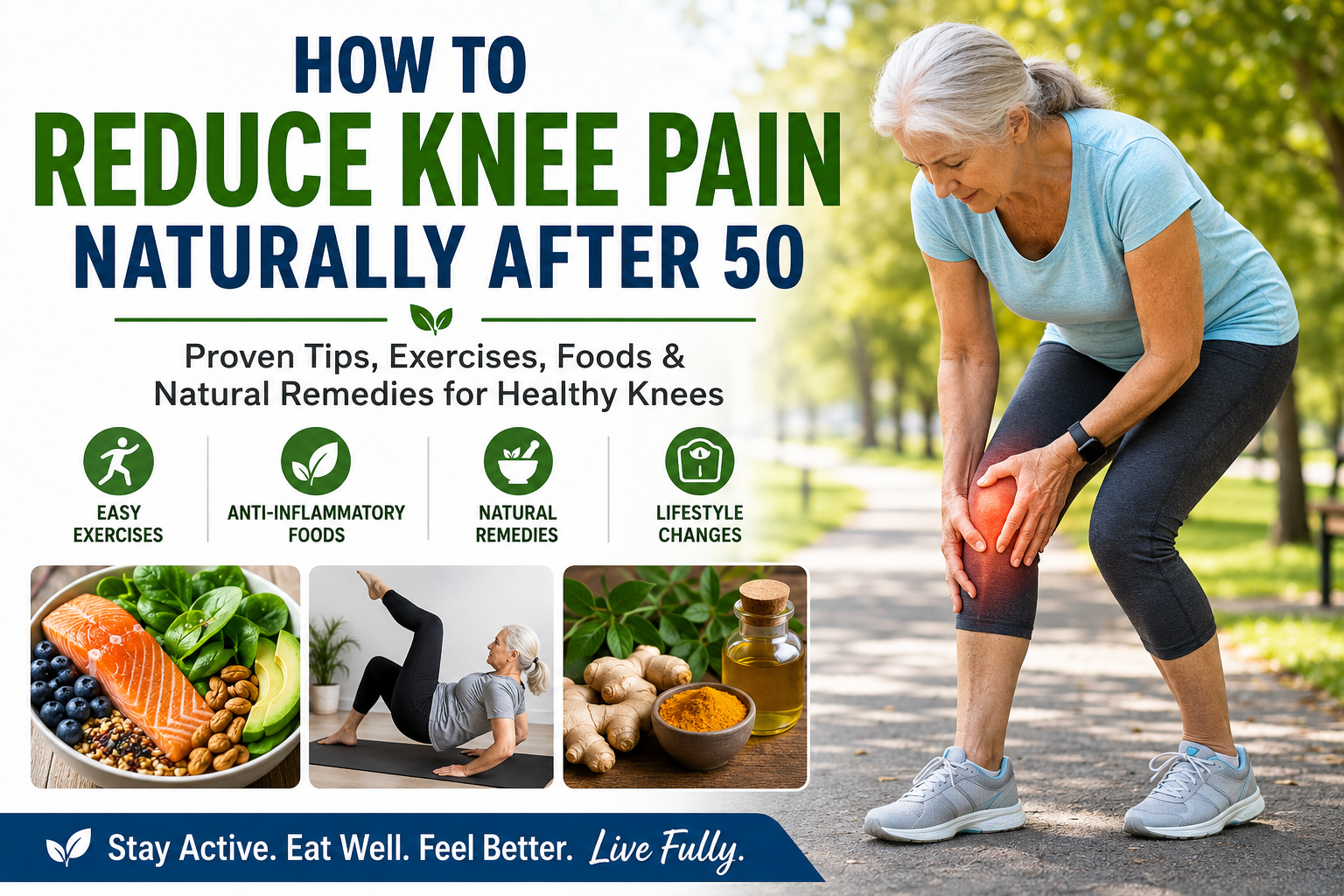
If you’re searching for how to reduce knee pain naturally after 50, you’re certainly not alone. Knee discomfort becomes increasingly common as people age, and many adults over 50 notice stiffness, aching, or reduced mobility that wasn’t there years ago.
The good news is that natural approaches can often make a meaningful difference. While severe knee conditions may require professional medical care, many people find relief through healthy lifestyle habits, targeted exercises, proper nutrition, and simple home remedies.
Whether your knee pain shows up during morning walks, climbing stairs, gardening, or playing with grandchildren, this guide will help you understand practical ways to support healthier knees naturally.
Why Knee Pain Becomes More Common After 50
As we age, our joints naturally experience wear and tear. The cartilage that cushions the knee may gradually become thinner. Muscles surrounding the knee can weaken, and years of daily movement can place additional stress on the joint.
Several age-related factors contribute to knee pain:
- Reduced cartilage cushioning
- Muscle weakness around the knee
- Previous injuries
- Arthritis-related changes
- Excess body weight
- Reduced flexibility
- Inflammation
While these changes are common, they don’t mean knee pain is inevitable. Many adults maintain active, comfortable lives well into their senior years.
Why This Topic Matters
Knee pain affects much more than the knees.
It can influence:
- Physical activity levels
- Independence
- Sleep quality
- Balance and stability
- Mental well-being
- Overall quality of life
When knee discomfort causes people to move less, they may lose muscle strength and flexibility. This can create a cycle where reduced movement leads to more stiffness and discomfort.
Learning how to reduce knee pain naturally after 50 can help people stay active, mobile, and confident.
What Causes Knee Pain After 50?
Understanding the cause is an important first step.
Osteoarthritis
Osteoarthritis is one of the most common causes of knee pain in older adults. It occurs when protective cartilage gradually wears down over time.
Symptoms may include:
- Joint stiffness
- Swelling
- Aching
- Reduced range of motion
Excess Weight
Even a few extra pounds can place additional stress on the knees. During walking, the knee may experience forces several times body weight.
Muscle Weakness
Weak leg muscles provide less support to the knee joint. This often increases strain during daily activities.
Previous Injuries
Old sports injuries, falls, or accidents may contribute to knee issues later in life.
Overuse
Repeated movements, standing for long periods, or excessive high-impact exercise can irritate the knee joint.
How to Reduce Knee Pain Naturally After 50
1. Maintain a Healthy Weight
One of the most effective natural strategies is maintaining a healthy body weight.
Benefits include:
- Reduced pressure on knee joints
- Improved mobility
- Less inflammation
- Better balance
Even modest weight loss may help decrease knee discomfort.
2. Stay Physically Active
Many people mistakenly believe rest is always best.
While temporary rest can help during flare-ups, regular movement is essential for long-term joint health.
Good activities include:
- Walking
- Swimming
- Water aerobics
- Cycling
- Gentle stretching
Movement helps lubricate joints and strengthen supporting muscles.
3. Strengthen Your Leg Muscles
Stronger muscles act like shock absorbers.
Focus on:
- Quadriceps
- Hamstrings
- Glutes
- Calves
When these muscles are strong, they help reduce stress on the knee.
4. Improve Flexibility
Tight muscles can alter movement patterns and increase joint strain.
Regular stretching can:
- Improve mobility
- Reduce stiffness
- Support proper alignment
- Increase comfort during activity
5. Use Cold and Heat Therapy
Both heat and cold can be useful.
| Therapy | Best For |
|---|---|
| Ice Packs | Swelling and inflammation |
| Warm Compress | Stiffness and tight muscles |
| Warm Bath | General joint comfort |
| Heating Pad | Morning stiffness |
Many people alternate between heat and cold depending on symptoms.
6. Wear Supportive Footwear
Shoes influence knee alignment more than many people realize.
Choose footwear that offers:
- Good arch support
- Cushioning
- Stability
- Proper fit
Worn-out shoes may increase stress on the knees.
7. Improve Your Walking Technique
Poor posture during walking can affect knee mechanics.
Try to:
- Stand tall
- Avoid slouching
- Keep shoulders relaxed
- Take comfortable strides
A physical therapist can help evaluate walking patterns if needed.
8. Consider Low-Impact Exercise
High-impact activities aren’t always ideal for aging knees.
Low-impact alternatives include:
- Swimming
- Elliptical training
- Cycling
- Tai Chi
- Yoga
These activities support fitness while minimizing joint stress.
9. Focus on Anti-Inflammatory Foods
Certain foods may help support overall joint health.
Examples include:
- Fatty fish
- Berries
- Leafy greens
- Olive oil
- Nuts
- Seeds
These foods provide nutrients associated with healthy aging.
10. Stay Hydrated
Cartilage contains a significant amount of water.
Proper hydration supports:
- Joint lubrication
- Overall body function
- Muscle performance
Many adults unintentionally drink less water as they age.
11. Practice Gentle Daily Stretching
A simple stretching routine can make mornings easier.
Focus on:
- Calves
- Hamstrings
- Hip flexors
- Quadriceps
Consistency matters more than intensity.
12. Improve Sleep Quality
Poor sleep may increase sensitivity to discomfort.
Helpful habits include:
- Consistent sleep schedule
- Comfortable mattress
- Limiting caffeine late in the day
- Creating a relaxing bedtime routine
13. Try Water Exercise
Water provides natural resistance while reducing stress on joints.
Benefits include:
- Improved strength
- Better flexibility
- Reduced joint pressure
- Increased endurance
Many community centers offer senior-friendly aquatic programs.
14. Use Proper Body Mechanics
Simple movement adjustments can protect the knees.
Examples:
- Bend at the hips when lifting
- Avoid sudden twisting motions
- Use handrails on stairs
- Distribute weight evenly
15. Stay Consistent
Natural approaches work best when practiced regularly.
Small daily actions often produce better long-term results than occasional intense efforts.
Best Foods for Healthy Knees After 50
Nutrition plays an important role in joint health.
Fatty Fish
Examples:
- Salmon
- Sardines
- Trout
- Mackerel
These provide omega-3 fatty acids.
Berries
Popular choices:
- Blueberries
- Strawberries
- Blackberries
Rich in beneficial plant compounds.
Leafy Greens
Examples:
- Spinach
- Kale
- Swiss chard
Contain vitamins and minerals important for overall health.
Nuts and Seeds
Good options include:
- Walnuts
- Almonds
- Chia seeds
- Flaxseeds
Olive Oil
A staple of many healthy eating patterns.
Beans
Provide:
- Fiber
- Protein
- Minerals
Colorful Vegetables
Aim for a variety of colors throughout the week.
Exercises That Support Knee Health
Before starting any exercise program, consult a healthcare professional if you have significant pain or medical concerns.
Straight Leg Raises
Benefits:
- Strengthens quadriceps
- Low stress on knees
Seated Leg Extensions
Helpful for building strength safely.
Heel Raises
Targets calf muscles and improves balance.
Wall Sits
Strengthens legs when performed correctly.
Step-Ups
Improves functional strength for daily activities.
Walking
One of the simplest ways to support knee health.
Start slowly and gradually increase distance.
Natural Home Remedies for Knee Pain
Many people find relief using simple home approaches.
Warm Baths
Warm water may help relax muscles and ease stiffness.
Gentle Massage
Can improve circulation and comfort.
Elevation
Helpful when mild swelling occurs.
Compression Sleeves
Some individuals find extra support beneficial during activity.
Mindful Movement
Avoid remaining in one position for extended periods.
Common Mistakes to Avoid
Ignoring Persistent Pain
Pain that continues for weeks deserves medical attention.
Exercising Too Aggressively
More is not always better.
Gradual progress is usually safer.
Remaining Sedentary
Too little movement often worsens stiffness.
Wearing Unsupportive Shoes
Footwear matters more than many people think.
Skipping Strength Training
Muscle strength is crucial for knee support.
Expecting Instant Results
Natural strategies often require patience and consistency.
Who Should Be Careful?
Seek medical guidance if you experience:
- Sudden severe pain
- Significant swelling
- Inability to bear weight
- Joint instability
- Fever with knee pain
- Recent injury
These symptoms may require prompt evaluation.
Scientific and Practical Explanation
Research consistently shows that several lifestyle factors influence joint comfort and mobility.
Strength training helps support the muscles surrounding the knee. Regular movement improves circulation and flexibility. Healthy body weight reduces mechanical stress on the joint. Nutrient-rich foods support overall health and may help manage inflammation.
Rather than relying on a single solution, experts generally recommend a combination approach that includes movement, nutrition, weight management, and proper recovery.
Frequently Asked Questions
1. What is the fastest natural way to reduce knee pain after 50?
Combining gentle movement, weight management, proper footwear, and cold or heat therapy often provides the most noticeable improvements.
2. Is walking good for knee pain?
For many people, yes. Walking helps maintain joint mobility and muscle strength. However, intensity should match individual comfort levels.
3. Which foods help support healthy knees?
Fatty fish, berries, leafy greens, olive oil, nuts, seeds, and colorful vegetables are commonly recommended.
4. Should I rest my knee completely?
Not usually. Extended inactivity may worsen stiffness. Gentle movement is often beneficial unless directed otherwise by a healthcare provider.
5. Can losing weight help knee pain?
Many people notice improvements when excess weight is reduced because less pressure is placed on the knee joint.
6. Is cycling better than running for aging knees?
Cycling is generally considered lower impact and may be more comfortable for some adults with knee concerns.
7. When should I see a doctor?
Consult a healthcare professional if pain is severe, persistent, worsening, or accompanied by swelling, instability, or difficulty walking.
Disclaimer
This article is intended for educational purposes only and should not replace professional medical advice, diagnosis, or treatment. Always consult a qualified healthcare provider regarding knee pain, especially if symptoms are severe or persistent.
Final Thoughts
Learning how to reduce knee pain naturally after 50 doesn’t require complicated treatments or drastic lifestyle changes. In many cases, consistent daily habits make the biggest difference.
Regular movement, healthy eating, strength-building exercises, supportive footwear, proper hydration, and maintaining a healthy weight can all contribute to better knee comfort and mobility.
The key is consistency. Small improvements practiced daily often lead to meaningful long-term results. Whether your goal is walking comfortably, staying active with family, or simply moving with less discomfort, natural strategies can be a valuable part of your overall knee health plan.
External Resources
For additional evidence-based information:
- National Institute on Aging: https://www.nia.nih.gov
- Centers for Disease Control and Prevention: https://www.cdc.gov
- Arthritis Foundation: https://www.arthritis.org
Related Keywords
- natural knee pain relief after 50
- best exercises for knee pain seniors
- foods that help knee pain
- how to strengthen knees after 50
- reduce arthritis knee pain naturally