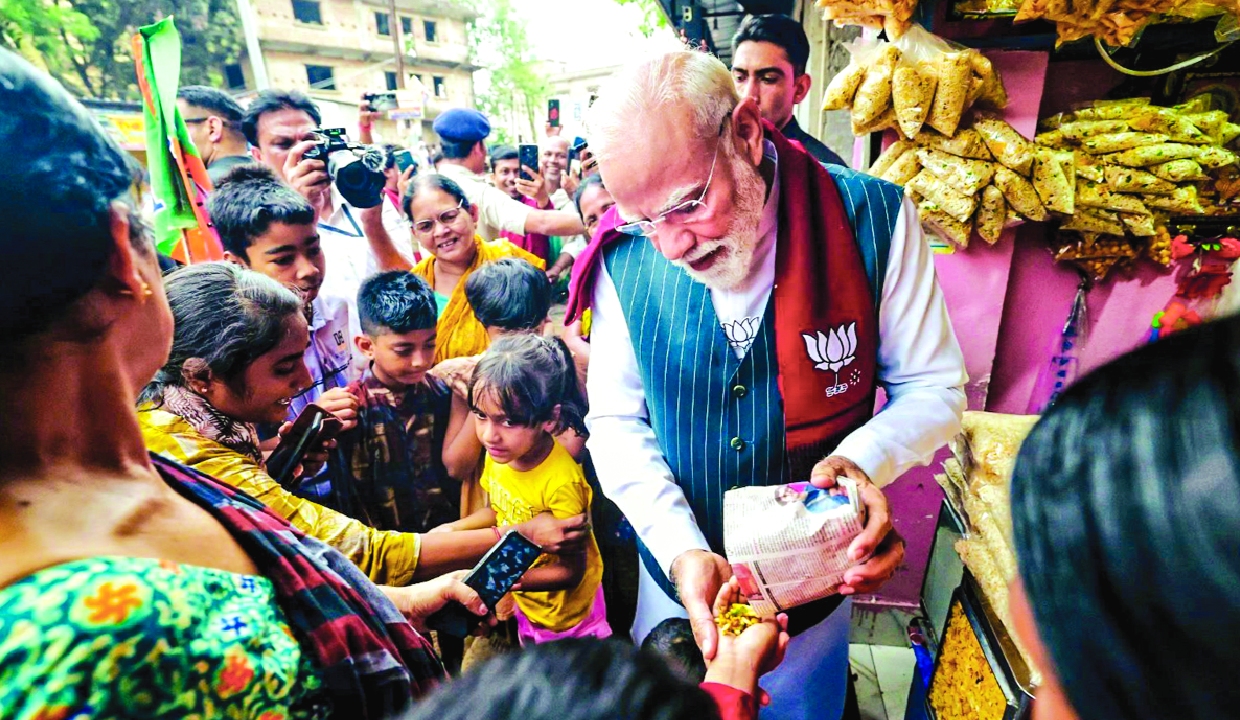
what jhalmuri is, why PM Modi ate it in Bengal, and how this simple snack fits into healthy eating habits for seniors in the USA.
If you’ve ever watched Indian street food videos or followed global news, you may have heard about a simple snack called jhalmuri. It gained international attention when Narendra Modi was seen enjoying it during a visit to Bengal.
But what exactly is jhalmuri? Why would a world leader choose such a humble snack? And more importantly, can it be a healthy option—especially for adults over 50 living in the United States?
This article will break it all down in a simple, friendly way. You’ll learn what jhalmuri is, why it matters culturally, how it fits into modern nutrition trends, and whether it’s something worth adding to your own routine.
What Is Jhalmuri?
Jhalmuri is a popular street food from eastern India, especially from the region of Bengal. The word “jhal” means spicy, and “muri” refers to puffed rice.
So, jhalmuri simply means spicy puffed rice snack.
It’s quick to make, light to eat, and full of flavor.
Basic Ingredients of Jhalmuri
- Puffed rice (light and crunchy)
- Mustard oil (adds sharp flavor)
- Chopped onions
- Green chilies (optional for heat)
- Tomatoes
- Peanuts or roasted chickpeas
- Fresh coriander
- Spices like chili powder, salt, and chaat masala
- Lemon juice for tanginess
Everything is mixed together fresh, usually in a paper cone or bowl, and eaten immediately.
Why Did PM Modi Eat Jhalmuri in Bengal?
When Narendra Modi visited Bengal, he chose to eat jhalmuri as a way to connect with local culture.
Here’s why that matters:
1. Cultural Connection
Jhalmuri is deeply tied to everyday life in Bengal. Eating it shows respect for local traditions.
2. Simplicity and Relatability
Unlike luxury meals, jhalmuri is affordable and accessible. It sends a message of simplicity.
3. Public Image
Leaders often choose foods that represent the common people. It helps build trust and relatability.
Why Jhalmuri Became Popular Worldwide
After PM Modi was seen eating it, jhalmuri started trending online.
Reasons for its popularity:
- Social media exposure
- Interest in global street food
- Growing demand for healthy snacks
- Easy to prepare at home
Many Americans, especially retirees exploring healthier lifestyles, began looking into it.
Is Jhalmuri Healthy for Seniors?
This is where things get interesting—especially for adults aged 50+.
Nutritional Benefits
1. Low in Calories
Puffed rice is light and low-calorie, making it ideal for weight management.
2. High in Fiber (with added ingredients)
When you add vegetables and peanuts, it becomes fiber-rich.
3. Heart-Friendly Ingredients
- Peanuts contain healthy fats
- Mustard oil (used in small amounts) has beneficial compounds
4. Easy to Digest
Light foods like jhalmuri are gentle on the digestive system.
Nutritional Breakdown (Approximate)
| Component | Benefit |
|---|---|
| Puffed Rice | Low calorie, light digestion |
| Peanuts | Protein and healthy fats |
| Vegetables | Vitamins and antioxidants |
| Lemon Juice | Vitamin C boost |
How Jhalmuri Fits into a Modern Diet
In the U.S., many seniors are moving toward:
- Plant-based eating
- Low-calorie snacking
- Simple homemade meals
Jhalmuri fits all three.
Example:
Instead of chips or processed snacks, a bowl of jhalmuri provides:
- Crunch
- Flavor
- Nutrition
Without the excess salt and unhealthy fats.
How to Make Jhalmuri at Home (USA-Friendly Recipe)
You don’t need special ingredients.
Ingredients:
- 2 cups puffed rice (available in most grocery stores)
- 1/4 cup peanuts
- 1 small onion (chopped)
- 1 tomato (chopped)
- Fresh cilantro
- 1 tbsp olive oil (instead of mustard oil if preferred)
- Salt and chili powder (to taste)
- Lemon juice
Steps:
- Take a large bowl.
- Add puffed rice and peanuts.
- Mix in chopped vegetables.
- Add oil, salt, and spices.
- Squeeze lemon juice.
- Mix well and serve immediately.
Real-Life Example
John, a 67-year-old retiree from Florida, switched from potato chips to homemade snacks.
After trying jhalmuri:
- He reduced his daily calorie intake
- Felt less bloated
- Enjoyed a new flavor experience
This shows how global foods can improve everyday health.
Common Mistakes People Make
Even a healthy snack can go wrong.
Avoid these:
- Adding too much oil
- Using too much salt
- Letting it sit too long (it becomes soggy)
- Skipping fresh vegetables
Expert Tips for Seniors
1. Control Sodium
Use minimal salt to keep blood pressure in check.
2. Add Protein
Include roasted chickpeas or nuts.
3. Adjust Spice Level
Keep it mild if you have digestive sensitivity.
4. Eat Fresh
Always prepare it just before eating.
Cultural Importance of Jhalmuri
Jhalmuri is more than food—it’s an experience.
In Bengal, it’s often eaten:
- At beaches
- During train journeys
- At evening walks
It represents:
- Simplicity
- Community
- Tradition
Why Simple Foods Matter More After 50
As we age, digestion slows down.
Heavy meals can cause:
- Bloating
- Fatigue
- Weight gain
Light snacks like jhalmuri help maintain:
- Energy levels
- Digestive health
- Balanced nutrition
Comparing Jhalmuri with Popular U.S. Snacks
| Snack | Calories | Nutrition Value |
|---|---|---|
| Potato Chips | High | Low |
| Crackers | Medium | Low |
| Jhalmuri | Low | High |
How Often Should You Eat Jhalmuri?
Moderation is key.
Recommended:
- 2–3 times per week
- As a snack, not a meal replacement
Can Jhalmuri Help with Weight Loss?
Yes, if prepared correctly.
Why it works:
- Low calorie density
- High fiber content
- Keeps you full longer
Final Thoughts
Jhalmuri may look like a simple street snack, but it carries deep cultural roots and surprising health benefits.
When Narendra Modi ate it in Bengal, it brought global attention to a humble yet powerful food.
For seniors in the United States, it offers:
- A healthy snack option
- A chance to explore global cuisine
- A simple way to improve daily nutrition
FAQs
1. What is jhalmuri made of?
Jhalmuri is made from puffed rice mixed with vegetables, spices, peanuts, and oil. It is a quick snack that is both crunchy and flavorful. The ingredients can vary depending on personal taste, but the base remains puffed rice. It is commonly served fresh and eaten immediately. Many people also customize it by adding extra protein or reducing spice levels to suit dietary needs.
2. Why did PM Modi eat jhalmuri?
Narendra Modi ate jhalmuri during his visit to Bengal to connect with local culture. It symbolized simplicity and respect for regional traditions. Leaders often choose local foods to show appreciation for the people. It also helped highlight a traditional snack on a global stage.
3. Is jhalmuri healthy for seniors?
Yes, jhalmuri can be healthy for seniors when prepared properly. It is low in calories and can be rich in fiber if vegetables are added. It is also easy to digest, which makes it suitable for older adults. However, it is important to control salt and oil to maintain heart health.
4. Can jhalmuri help in weight loss?
Jhalmuri can support weight loss because it is low in calories and filling. The fiber from vegetables helps reduce hunger. When compared to processed snacks, it is a healthier alternative. However, portion control is still important.
5. Is jhalmuri spicy?
Traditionally, jhalmuri is spicy, but the spice level can be adjusted. If you prefer mild flavors, you can reduce or skip the chili. This makes it suitable even for those with sensitive stomachs.
6. Can I make jhalmuri without mustard oil?
Yes, you can substitute mustard oil with olive oil or skip oil altogether. While mustard oil adds a unique flavor, it is not essential. Many people in the U.S. prefer olive oil for a milder taste.
7. Where can I find puffed rice in the U.S.?
Puffed rice is available in most grocery stores, especially in the cereal or international foods section. It can also be found in health food stores. Online retailers also offer it.
8. How long does jhalmuri stay fresh?
Jhalmuri should be eaten immediately after preparation. If left for too long, it becomes soggy. Freshness is key to enjoying its crunch and flavor.
9. Can diabetics eat jhalmuri?
Diabetics can eat jhalmuri in moderation. Puffed rice has a high glycemic index, so portion control is important. Adding protein like peanuts can help balance blood sugar levels.
10. Is jhalmuri better than chips?
Yes, jhalmuri is generally healthier than chips. It contains fewer unhealthy fats and more nutrients. It is also customizable, allowing you to control ingredients based on your health needs.
Also Read –
Can Too Much Screen Time Cause Sleep Issues?