why VO2 max is the most important health metric for adults over 50. Learn how to improve it, extend lifespan, and boost energy naturally.
If you could measure just one number to understand your overall health, fitness, and even how long you might live, what would it be?
Most people think of blood pressure, cholesterol, or weight. While these matter, there’s one metric that often gets overlooked but tells a much bigger story—VO2 max.
VO2 max, short for “maximal oxygen uptake,” measures how well your body uses oxygen during exercise. In simple terms, it shows how strong your heart, lungs, and muscles are working together.
For adults over 50, this number becomes even more important. It can predict your risk of disease, your ability to stay active, and even your independence as you age.
In this guide, you’ll learn:
- What VO2 max really means
- Why it’s considered the most important health metric
- How it affects aging and longevity
- Simple ways to improve it—even if you’re starting late
Let’s break it down in a simple, practical way.
What Is VO2 Max?
Understanding VO2 Max in Simple Terms
VO2 max is the maximum amount of oxygen your body can use during intense activity.
Think of it like this:
- Oxygen is fuel for your body
- The more oxygen you can use, the more energy you can produce
- More energy means better performance, endurance, and health
It’s measured in milliliters of oxygen per kilogram of body weight per minute (ml/kg/min). But don’t worry about the numbers too much—what matters is whether your level is low, average, or high for your age.
Why Oxygen Matters
Every cell in your body needs oxygen to function. When your body can deliver and use oxygen efficiently:
- Your heart doesn’t have to work as hard
- Your muscles perform better
- You feel less tired during daily activities
Why VO2 Max Is the Most Important Health Metric
1. Strong Predictor of Longevity
Research shows that VO2 max is one of the strongest predictors of how long you’ll live.
Higher VO2 max levels are linked to:
- Lower risk of heart disease
- Reduced risk of stroke
- Lower chances of early death
In fact, people with higher fitness levels often outlive those with lower fitness—even if they have other risk factors.
2. Reflects Full-Body Health
Unlike other metrics, VO2 max reflects multiple systems working together:
- Heart health
- Lung capacity
- Blood circulation
- Muscle efficiency
This makes it a more complete measure of overall health.
3. Indicates Functional Fitness
As you age, your ability to perform daily tasks matters more than anything.
A good VO2 max helps you:
- Climb stairs without getting breathless
- Carry groceries easily
- Stay independent longer
4. Early Warning Signal
A declining VO2 max can signal health issues before symptoms appear.
It can indicate:
- Poor cardiovascular health
- Reduced muscle function
- Increased disease risk
VO2 Max and Aging: What Happens After 50?
Natural Decline with Age
VO2 max naturally declines with age, typically:
- About 5–10% per decade after 30
- Faster decline after 60 if inactive
But here’s the good news:
This decline is not fixed.
Active vs. Inactive Aging
Two people at age 60 can have very different VO2 max levels:
- Active person: High energy, independence
- Inactive person: Fatigue, limited mobility
The difference often comes down to lifestyle.
Real-Life Example
Imagine two retirees:
John (Active):
- Walks daily
- Does light strength training
- Has good VO2 max
Mike (Inactive):
- Sits most of the day
- Avoids exercise
- Has low VO2 max
At 70, John can travel, hike, and play with grandchildren. Mike struggles with basic tasks.
How VO2 Max Impacts Daily Life
Energy Levels
Higher VO2 max means:
- Less fatigue
- More stamina
- Better mood
Heart Health
A strong VO2 max:
- Reduces strain on the heart
- Improves circulation
- Lowers blood pressure
Weight Management
Better oxygen use helps:
- Burn calories efficiently
- Improve metabolism
Brain Health
Improved oxygen flow supports:
- Memory
- Focus
- Reduced risk of cognitive decline
How to Measure Your VO2 Max
1. Lab Testing (Most Accurate)
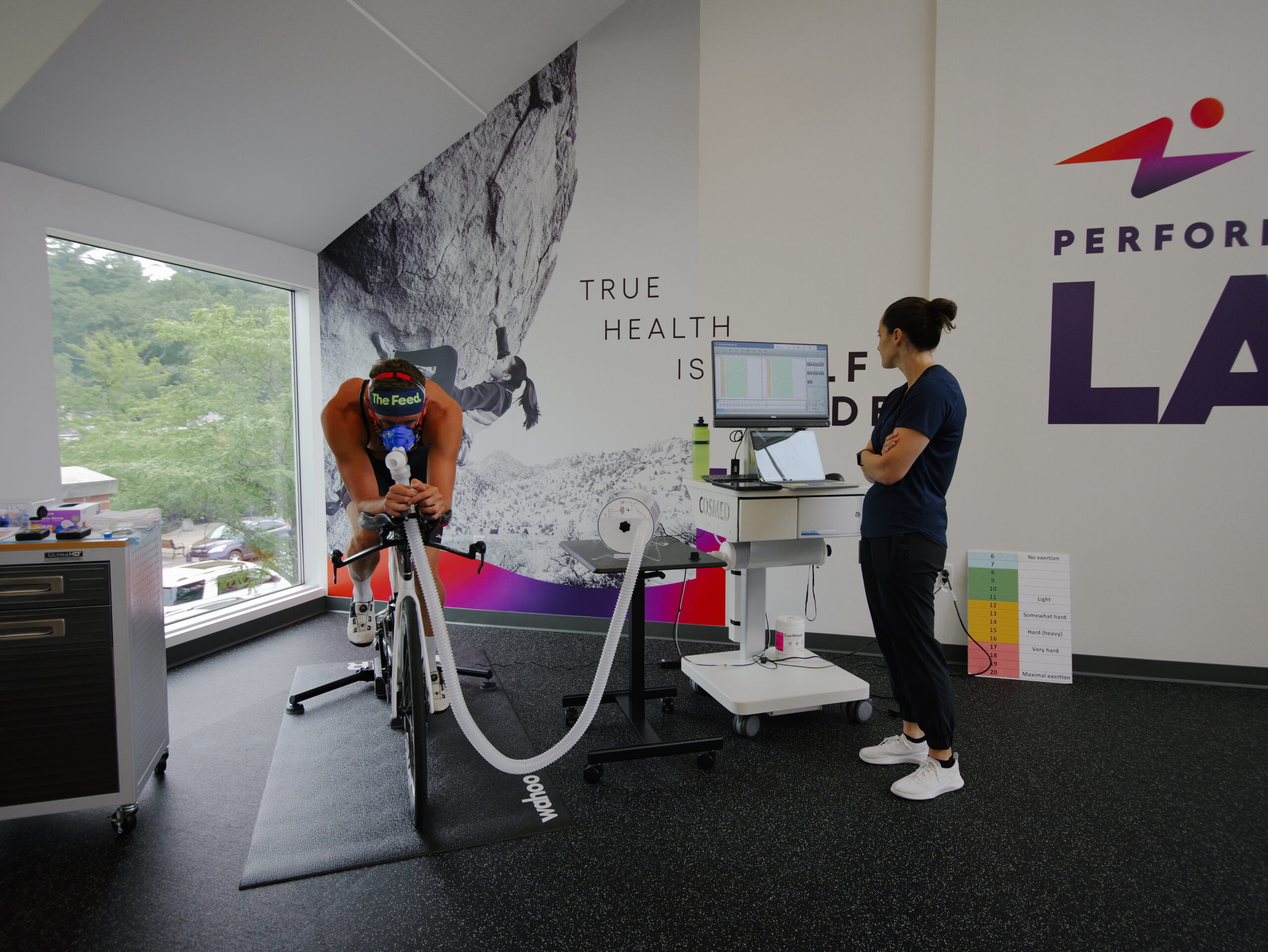
Done on a treadmill or bike with a mask measuring oxygen intake.
Pros:
- Highly accurate
Cons:
- Expensive
- Not easily accessible
2. Fitness Trackers
Many smartwatches estimate VO2 max.
Pros:
- Convenient
- Affordable
Cons:
- Less accurate
3. Simple Field Tests
Examples:
- 1-mile walk test
- Step test
These give a rough estimate and are good enough for tracking progress.
What Is a Good VO2 Max for Adults Over 50?
General Ranges
For men (50–59):
- Poor: Below 25
- Average: 25–35
- Good: 35–45
- Excellent: 45+
For women (50–59):
- Poor: Below 20
- Average: 20–30
- Good: 30–40
- Excellent: 40+
These numbers vary, but the goal is improvement—not perfection.
How to Improve VO2 Max (Step-by-Step)
1. Start with Walking
Walking is the safest and easiest way to begin.
Tips:
- Walk 20–30 minutes daily
- Maintain a brisk pace
- Gradually increase speed
2. Add Interval Training
Interval training boosts VO2 max faster.
Example:
- Walk fast for 1 minute
- Walk slow for 2 minutes
- Repeat 5–10 times
3. Strength Training
Muscles use oxygen, so stronger muscles improve VO2 max.
Do 2–3 times per week:
- Bodyweight exercises
- Light weights
4. Try Low-Impact Cardio
Options:
- Cycling
- Swimming
- Elliptical
These are easier on joints.
5. Stay Consistent
Consistency matters more than intensity.
Even small improvements add up over time.
Weekly Plan for Beginners (50+)
Day 1: Brisk walking (30 minutes)
Day 2: Light strength training
Day 3: Rest or light activity
Day 4: Interval walking
Day 5: Strength training
Day 6: Leisure activity (yoga, gardening)
Day 7: Rest
Nutrition Tips to Support VO2 Max
Eat Oxygen-Friendly Foods
Focus on:
- Fruits and vegetables
- Whole grains
- Lean proteins
Stay Hydrated
Dehydration reduces performance.
Key Nutrients
- Iron: Helps carry oxygen
- Magnesium: Supports muscle function
- Omega-3: Improves heart health
Common Mistakes to Avoid
1. Doing Too Much Too Soon
Starting too hard can lead to injury.
2. Ignoring Recovery
Rest is essential for progress.
3. Skipping Strength Training
Cardio alone is not enough.
4. Inconsistency
Irregular workouts slow progress.
5. Comparing with Others
Focus on your own improvement.
Expert Tips for Better Results
Tip 1: Use the Talk Test
If you can talk but not sing, you’re in the right zone.
Tip 2: Track Progress
Use a fitness tracker or journal.
Tip 3: Mix Activities
Variety prevents boredom and improves results.
Tip 4: Set Small Goals
Example:
- Walk 5 minutes longer each week
Tip 5: Stay Patient
VO2 max improves gradually.
Real-Life Success Story
Susan, Age 62
- Started with 10-minute walks
- Added intervals after 2 months
- Improved VO2 max by 20% in 6 months
Results:
- More energy
- Lost weight
- Reduced blood pressure
Why VO2 Max Matters More Than Weight
Weight alone doesn’t tell the full story.
Two people can weigh the same but have very different health levels.
VO2 max shows:
- How well your body functions
- How strong your heart and lungs are
This makes it a better overall health indicator.
The Link Between VO2 Max and Chronic Diseases
Low VO2 max is linked to:
- Heart disease
- Diabetes
- Obesity
- High blood pressure
Improving VO2 max can reduce these risks significantly.
Mental Benefits of Improving VO2 Max
Better fitness leads to:
- Reduced stress
- Improved sleep
- Better mood
Physical activity releases endorphins, which boost mental well-being.
How Long Does It Take to Improve VO2 Max?
Most people see improvements in:
- 4–6 weeks (initial changes)
- 3–6 months (significant improvement)
Consistency is key.
Safety Tips for Seniors
- Consult a doctor before starting
- Start slow
- Use proper footwear
- Stay hydrated
- Stop if you feel pain or dizziness
Conclusion
VO2 max is more than just a fitness number—it’s a powerful indicator of your overall health, longevity, and quality of life.
For adults over 50, improving VO2 max can mean:
- More energy
- Greater independence
- Reduced disease risk
- Longer, healthier life
The best part? It’s never too late to start.
Even small steps today can lead to big changes tomorrow.
FAQs
1. What is VO2 max and why is it important for seniors?
VO2 max measures how efficiently your body uses oxygen during exercise. For seniors, it’s important because it reflects heart health, lung capacity, and overall fitness. A higher VO2 max means better endurance, more energy, and lower risk of chronic diseases. It also helps maintain independence by making daily tasks easier. Unlike weight or BMI, VO2 max shows how well your body functions internally, making it one of the most valuable health indicators for aging adults.
2. Can you improve VO2 max after age 50?
Yes, absolutely. Even after 50, your body can adapt and improve with regular exercise. Activities like walking, cycling, and interval training can significantly increase VO2 max over time. Studies show that consistent training can improve VO2 max by 10–30% in older adults. The key is to start slow, stay consistent, and gradually increase intensity. Age is not a barrier—lifestyle choices matter more than numbers.
3. How often should seniors train to improve VO2 max?
Most seniors should aim for at least 4–5 days of moderate activity per week. This can include brisk walking, light cardio, or strength training. Adding interval sessions 1–2 times per week can boost results. Each session should last 20–40 minutes depending on fitness level. Consistency matters more than intensity. It’s better to exercise regularly at a comfortable pace than to push too hard and risk injury.
4. What exercises are best for increasing VO2 max in older adults?
The best exercises are those that raise your heart rate safely. These include brisk walking, cycling, swimming, and low-impact aerobics. Interval training is especially effective, where you alternate between faster and slower paces. Strength training also helps by improving muscle efficiency. The goal is to challenge your cardiovascular system without overloading your joints or causing discomfort.
5. Is walking enough to improve VO2 max?
Yes, especially for beginners. Brisk walking can significantly improve VO2 max if done consistently. The key is to walk at a pace that slightly challenges you. Over time, you can increase speed or add intervals to boost results. While more intense activities may offer faster improvements, walking is safe, accessible, and highly effective for most seniors.
6. How does VO2 max affect heart health?
VO2 max reflects how well your heart pumps blood and delivers oxygen to your body. A higher VO2 max means your heart is stronger and more efficient. This reduces strain on the cardiovascular system and lowers the risk of heart disease. It also improves circulation, helping deliver nutrients and oxygen more effectively throughout the body.
7. Can low VO2 max lead to health problems?
Yes. Low VO2 max is associated with higher risks of heart disease, diabetes, obesity, and early mortality. It can also lead to fatigue, reduced mobility, and loss of independence. Improving VO2 max helps reduce these risks and supports better overall health, especially as you age.
8. Do fitness trackers accurately measure VO2 max?
Fitness trackers provide estimates based on your heart rate and activity levels. While they are not as accurate as lab tests, they are useful for tracking trends over time. They can help you see whether your fitness is improving, staying the same, or declining. For most people, this level of accuracy is sufficient for practical use.
9. How long does it take to see improvements in VO2 max?
You can start seeing small improvements within 4–6 weeks of consistent exercise. More noticeable changes usually occur after 2–3 months. The rate of improvement depends on your starting fitness level, age, and consistency. Beginners often see faster gains compared to those who are already active.
10. Is VO2 max more important than weight or BMI?
In many cases, yes. While weight and BMI provide useful information, they don’t show how well your body functions. VO2 max reflects the efficiency of your heart, lungs, and muscles. A person with a higher VO2 max may be healthier than someone with a lower weight but poor fitness. This makes VO2 max a more comprehensive health metric.