Learn the early warning signs of heart disease in older men. Discover symptoms, risks, prevention tips, and when to see a doctor after age 50.
Heart disease remains the leading cause of death among men in the United States. For men over 50, the risk increases with age. Many older men ignore small symptoms because they assume it is just aging, stress, or indigestion. But sometimes those small changes are early warning signs of heart disease in older men.
The truth is simple. The heart does not suddenly fail overnight. In most cases, it gives quiet signals first. The problem is that those signals are often missed.
If you are over 50, retired, or approaching retirement, this guide is for you. Understanding the warning signs of heart disease in older men can help you take action early and protect your health for years to come.
Why Heart Disease Is Common in Older Men
As men age, their blood vessels naturally become less flexible. Plaque made of cholesterol and fat can build up inside arteries. This process is called atherosclerosis. Over time, it reduces blood flow to the heart.
Several factors make older men more vulnerable:
- High blood pressure
- High cholesterol
- Type 2 diabetes
- Smoking history
- Lack of exercise
- Excess weight
- Family history of heart disease
- Chronic stress
After age 50, testosterone levels may decline. Metabolism slows down. Many men become less active after retirement. These changes increase heart risk.
The good news is that many warning signs appear before a major heart attack happens.
Understanding Heart Disease
Heart disease is not just one condition. It includes:
- Coronary artery disease
- Heart attack
- Heart failure
- Irregular heartbeat (arrhythmia)
- Valve problems
Most heart problems in older men begin with blocked arteries. When blood cannot reach the heart muscle properly, symptoms begin.
Recognizing the warning signs of heart disease in older men can save your life.
Early Warning Signs of Heart Disease in Older Men
Some symptoms are dramatic. Others are subtle. Many men delay seeking care because symptoms do not seem serious.
Below are the most important warning signs to watch for.
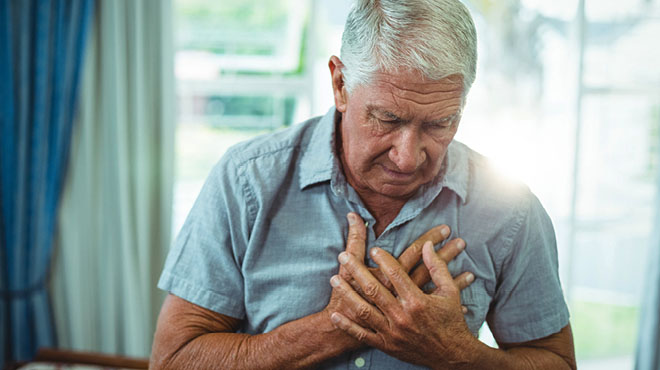
1. Chest Pain or Discomfort

4
Chest pain is the most common symptom of heart disease.
It may feel like:
- Pressure
- Tightness
- Burning
- Squeezing
- Fullness
Some men describe it as “an elephant sitting on my chest.”
But not all chest pain is sharp or severe. Sometimes it feels like heartburn or mild pressure that comes and goes.
If chest discomfort lasts more than a few minutes or returns repeatedly, do not ignore it.
2. Shortness of Breath


Feeling winded after light activity is not always normal aging.
If you notice:
- Difficulty breathing while walking short distances
- Shortness of breath while lying down
- Waking up gasping at night
These could be early warning signs of heart disease in older men.
When the heart cannot pump efficiently, fluid can build up in the lungs. That makes breathing harder.
3. Fatigue That Feels Unusual



4
Many older men feel tired sometimes. But heart-related fatigue feels different.
Warning fatigue may include:
- Extreme tiredness after simple tasks
- Needing more naps than usual
- Feeling drained for days
For example, if you used to mow your lawn easily but now feel exhausted halfway through, your heart may be struggling.
4. Pain in Arm, Neck, Jaw, or Back


4
Heart pain does not always stay in the chest.
It may spread to:
- Left arm
- Both arms
- Neck
- Jaw
- Upper back
Some men feel dull aching instead of sharp pain. Others feel numbness or tingling.
If pain occurs with chest pressure or shortness of breath, seek medical help immediately.
5. Swelling in Legs, Ankles, or Feet


Swelling can signal heart failure.
When the heart cannot pump properly, fluid builds up in lower body parts.
Watch for:
- Tight shoes
- Socks leaving deep marks
- Puffy ankles
- Sudden weight gain
Do not assume it is just age-related swelling.
6. Irregular Heartbeat or Palpitations

4
If your heart feels like it is racing, fluttering, or skipping beats, pay attention.
Occasional skipped beats can be normal. But frequent or prolonged irregular rhythm may signal atrial fibrillation or other heart conditions.
Untreated irregular heartbeat increases stroke risk.
7. Dizziness or Lightheadedness

4
Feeling faint may mean your brain is not receiving enough blood.
Seek help if dizziness is:
- Sudden
- Severe
- Combined with chest pain
- Accompanied by fainting
8. Erectile Dysfunction
Many men feel embarrassed discussing this.
However, erectile dysfunction can be an early warning sign of heart disease in older men. The same narrowed arteries that reduce blood flow to the heart can affect blood flow elsewhere.
If ED appears suddenly without obvious cause, talk to your doctor about heart screening.
9. Cold Sweats or Nausea
Some men experience:
- Sudden sweating without exercise
- Nausea
- Upset stomach
These symptoms can appear during a heart attack, especially in older adults.
Do not dismiss them as food poisoning if they occur with other heart symptoms.
Silent Heart Attacks in Older Men
Not all heart attacks are dramatic.
A silent heart attack may cause:
- Mild discomfort
- Flu-like symptoms
- Unusual fatigue
- Indigestion feeling
Because symptoms are subtle, many men never realize they had one.
Regular heart checkups after age 50 are essential.
Risk Factors That Increase Warning Signs
Understanding risk factors helps you take control.
Non-Controllable Risks
- Age over 50
- Family history
- Male gender
Controllable Risks
- Smoking
- High blood pressure
- High cholesterol
- Obesity
- Physical inactivity
- Excess alcohol
- Poor diet
Managing these reduces your chance of serious complications.
When to Call 911
Call emergency services immediately if you have:
- Chest pressure lasting more than 5 minutes
- Pain spreading to arm or jaw
- Shortness of breath
- Cold sweat
- Sudden weakness
Do not drive yourself. Time matters. Early treatment reduces heart damage.
Actionable Steps to Protect Your Heart
1. Get Regular Checkups
After age 50, schedule yearly physical exams.
Ask your doctor to check:
- Blood pressure
- Cholesterol levels
- Blood sugar
- Weight
Early detection prevents major problems.
2. Improve Your Diet
Focus on:
- Fruits and vegetables
- Whole grains
- Lean protein
- Healthy fats like olive oil
- Low sodium intake
Reduce processed foods and sugary drinks.
3. Stay Physically Active
You do not need extreme workouts.
Aim for:
- 30 minutes of brisk walking
- Light strength training
- Stretching exercises
Always consult your doctor before starting new exercise routines.
4. Manage Stress
Chronic stress raises blood pressure.
Try:
- Deep breathing
- Prayer or meditation
- Gardening
- Spending time with grandchildren
Small daily relaxation habits help.
5. Quit Smoking
If you smoke, quitting is the single most powerful step you can take.
Even after 60, quitting improves heart health quickly.
Common Mistakes Older Men Make
- Ignoring mild chest discomfort
- Blaming fatigue on aging
- Avoiding doctor visits
- Self-diagnosing with internet searches
- Stopping heart medications without approval
Do not wait until symptoms become severe.
Expert Tips for Older Men
- Keep a symptom diary if you notice unusual changes.
- Monitor blood pressure at home.
- Know your cholesterol numbers.
- Maintain a healthy weight.
- Stay socially connected. Isolation increases health risks.
Preventive care costs far less than emergency heart treatment.
Real-Life Example
John, age 67 from Texas, thought his shortness of breath was just weight gain. He ignored it for months. One evening, mild chest pressure appeared. His wife insisted they go to the emergency room.
Doctors found a blocked artery and placed a stent. They told him he likely avoided a massive heart attack by coming in early.
His story shows why recognizing warning signs of heart disease in older men matters.
The Emotional Side of Heart Disease
Many older men avoid talking about health because they want to appear strong.
But strength also means taking responsibility for your health.
Open communication with family and doctors saves lives.
Conclusion
The warning signs of heart disease in older men are often subtle at first. Chest discomfort, unusual fatigue, shortness of breath, swelling, and irregular heartbeat should never be ignored.
After age 50, your heart deserves attention. Early action can prevent heart attacks, reduce hospital visits, and improve quality of life.
Listen to your body. Schedule regular checkups. Make healthy lifestyle changes. And seek medical help immediately if serious symptoms appear.
Your retirement years should be active, fulfilling, and healthy. Protect your heart so you can enjoy them fully.
Frequently Asked Questions
1. What are the earliest warning signs of heart disease in older men?
The earliest warning signs of heart disease in older men often include mild chest discomfort, unusual fatigue, and shortness of breath during normal activities. Some men notice they cannot walk as far as before without feeling winded. Others feel pressure in the chest that comes and goes. These symptoms may seem minor but should not be ignored. Early testing such as blood work, EKG, and stress tests can help detect problems before a heart attack occurs.
2. Can heart disease symptoms be different after age 60?
Yes, heart disease symptoms can become less obvious after age 60. Older men may experience fatigue, indigestion-like discomfort, or dizziness instead of sharp chest pain. Silent heart attacks are more common in seniors. That is why regular checkups are essential. Doctors often recommend routine screenings even when symptoms seem mild or unclear.
3. Is shortness of breath always a heart problem in seniors?
Not always. Shortness of breath can be caused by lung conditions, anemia, or lack of fitness. However, if it appears suddenly, worsens, or occurs with chest pressure or swelling, it may signal heart trouble. It is important to consult a healthcare provider for proper diagnosis.
4. How does high blood pressure relate to heart disease?
High blood pressure forces the heart to work harder. Over time, this thickens heart muscle and damages arteries. It increases the risk of heart attack and stroke. Managing blood pressure through diet, exercise, and medication greatly lowers heart risk in older men.
5. Can stress trigger heart disease symptoms?
Yes, chronic stress raises blood pressure and increases inflammation. Sudden emotional stress can even trigger heart attacks in vulnerable individuals. Learning stress management techniques can significantly improve heart health.
6. What tests detect heart disease early?
Doctors may use blood tests, EKG, echocardiogram, stress tests, or CT scans to evaluate heart health. Cholesterol and blood sugar tests are also important. Early screening helps identify blockages before symptoms worsen.
7. Does erectile dysfunction mean heart disease?
Not always, but it can be an early warning sign. Reduced blood flow due to narrowed arteries can affect both heart function and erectile performance. Discussing ED with a doctor may lead to early heart evaluation.
8. How often should older men see a cardiologist?
If you have risk factors like high blood pressure, diabetes, or family history, yearly evaluation may be recommended. Men without major risks should still have regular primary care visits and follow doctor advice.
9. Can heart disease be reversed after 50?
While severe artery blockage cannot fully disappear, lifestyle changes can slow or even partially reverse plaque buildup. Healthy diet, exercise, medication, and quitting smoking greatly improve heart function and longevity.
10. What lifestyle change has the biggest impact on heart health?
Quitting smoking has the fastest and most dramatic impact. Regular exercise and healthy eating follow closely. Even small changes, done consistently, make a big difference over time.