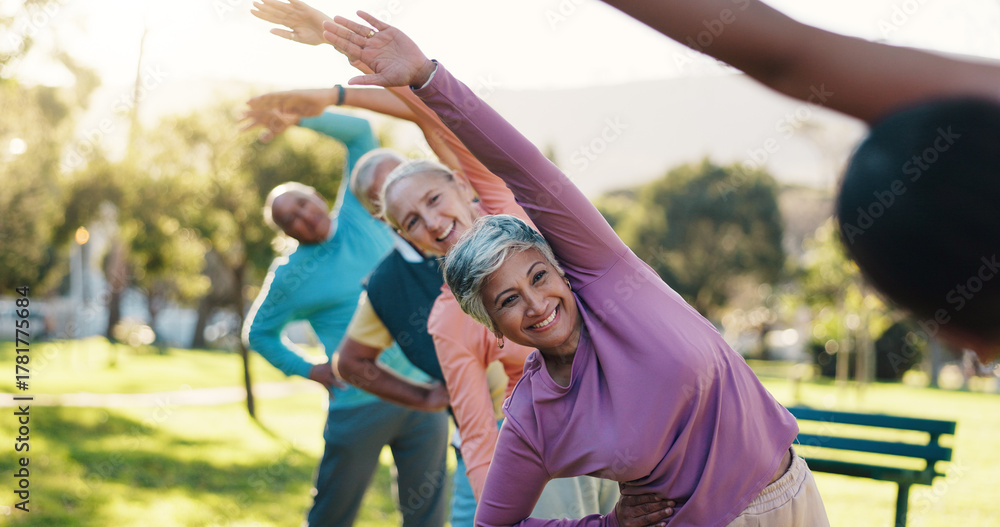
how micro workouts are helping adults 50+ stay fit, improve health, and boost energy with short, simple exercise routines.
If you’re over 50, staying active can feel like a challenge. Long gym sessions, intense routines, or complicated fitness plans may not fit your lifestyle anymore. Maybe your joints feel stiff, your energy isn’t what it used to be, or you simply don’t have the time.
That’s where micro workouts come in.
Micro workouts are becoming one of the biggest fitness trends in the United States, especially among seniors and retirees. Instead of working out for an hour, you exercise in short bursts—sometimes just 5 to 10 minutes at a time.
It may sound too simple to work. But the truth is, these short sessions can deliver real health benefits when done consistently.
In this guide, you’ll learn everything you need to know about micro workouts, how they work, why they’re effective for people over 50, and how to safely start your own routine at home.
What Are Micro Workouts?
Micro workouts are short exercise sessions that typically last between 3 to 15 minutes. Instead of doing one long workout, you break your activity into small chunks throughout the day.
Example of a Micro Workout Day
- Morning: 5 minutes of stretching
- Afternoon: 7 minutes of walking or light cardio
- Evening: 5 minutes of strength exercises
That’s it. No gym required. No complicated plan.
Why Micro Workouts Are Trending in 2026
Micro workouts have gained popularity for a simple reason: they fit into real life.
1. Busy and Flexible Lifestyles
Even retirees stay busy. Between family, errands, and hobbies, it can be hard to set aside 60 minutes for exercise.
Micro workouts allow you to stay active without changing your entire schedule.
2. Less Physical Strain
Long workouts can be hard on joints, especially if you have arthritis or past injuries.
Short sessions reduce fatigue and lower the risk of injury.
3. Better Consistency
Consistency matters more than intensity. It’s easier to stick to 5–10 minutes multiple times a day than one long session you might skip.
4. Proven Health Benefits
Research shows that even small amounts of physical activity can improve:
- Heart health
- Blood sugar levels
- Mobility
- Mood
Benefits of Micro Workouts for Adults 50+
Micro workouts are especially useful for seniors. Here’s why:
Improved Heart Health
Short bursts of movement increase heart rate and improve circulation.
Even a brisk 5-minute walk can support cardiovascular health.
Better Joint Mobility
Gentle exercises help reduce stiffness and improve flexibility.
This is important for daily activities like walking, bending, and lifting.
Increased Energy Levels
Many people feel more energized after short workouts.
Instead of feeling drained, you feel refreshed.
Weight Management
Micro workouts burn calories and help maintain a healthy weight over time.
Mental Health Boost
Physical activity releases feel-good hormones that reduce stress and improve mood.
How Micro Workouts Actually Work
You might wonder: can 5–10 minutes really make a difference?
Yes, they can—if done regularly.
The Science Behind It
Your body responds to movement, even in small doses. Each time you exercise:
- Your heart rate increases
- Your muscles activate
- Your metabolism improves
When you repeat this multiple times a day, the benefits add up.
Types of Micro Workouts for Seniors
Not all workouts are the same. The key is to choose exercises that are safe, simple, and effective.
1. Stretching Sessions
Great for flexibility and reducing stiffness.
Examples:
- Neck rolls
- Shoulder stretches
- Hamstring stretches
2. Walking or Light Cardio
Perfect for improving heart health.
Examples:
- Walking around the house
- Marching in place
- Light dancing
3. Strength Training
Helps maintain muscle mass and prevent weakness.
Examples:
- Chair squats
- Wall push-ups
- Light dumbbell exercises
4. Balance Exercises
Important for preventing falls.
Examples:
- Standing on one foot
- Heel-to-toe walking
- Gentle yoga poses
A Simple Micro Workout Plan for Beginners
Here’s a practical daily routine you can follow:
Morning (5 Minutes)
- Arm circles (1 minute)
- Neck stretch (1 minute)
- Gentle forward bend (2 minutes)
- Deep breathing (1 minute)
Afternoon (7 Minutes)
- Brisk walking (5 minutes)
- Light step-ups (2 minutes)
Evening (8 Minutes)
- Chair squats (2 minutes)
- Wall push-ups (2 minutes)
- Balance practice (2 minutes)
- Stretching (2 minutes)
Total time: 20 minutes spread across the day.
Real-Life Example
John, a 62-year-old retiree from Texas, struggled with knee pain and low energy. He couldn’t commit to gym workouts.
He started doing:
- 5 minutes of walking after meals
- 5 minutes of stretching before bed
Within a few weeks, he noticed:
- Less stiffness
- Better sleep
- Improved mood
This shows how small changes can make a big difference.
How to Stay Consistent with Micro Workouts
Consistency is the key to success.
Tips to Stay on Track
- Set reminders on your phone
- Link workouts to daily habits (after meals, before TV time)
- Keep it simple and realistic
- Track your progress in a notebook
Common Mistakes to Avoid
Even simple workouts can go wrong if you’re not careful.
1. Doing Too Much Too Soon
Start slow. Don’t try to do intense exercises right away.
2. Ignoring Pain
Mild discomfort is normal. Sharp pain is not.
Stop if something feels wrong.
3. Skipping Warm-Ups
Even short workouts need a quick warm-up.
4. Being Inconsistent
Doing 5 minutes daily is better than 30 minutes once a week.
5. Poor Form
Focus on correct movements to avoid injury.
Expert Tips for Better Results
Start Small
Even 3 minutes is enough to begin.
Focus on Form
Quality matters more than quantity.
Stay Hydrated
Drink water before and after workouts.
Listen to Your Body
Rest when needed. Adjust exercises if required.
Combine with Healthy Habits
Pair workouts with a balanced diet and good sleep.
Safety Tips for Seniors
Before starting any routine, keep these safety tips in mind:
- Consult your doctor if you have medical conditions
- Use stable support (chair or wall) when needed
- Wear comfortable shoes
- Exercise in a safe, clutter-free space
Micro Workouts vs Traditional Workouts
| Feature | Micro Workouts | Traditional Workouts |
|---|---|---|
| Duration | 5–15 minutes | 30–60 minutes |
| Flexibility | High | Low |
| Joint Stress | Low | Moderate to high |
| Consistency | Easier | Harder |
| Accessibility | Very high | Moderate |
Are Micro Workouts Enough?
For many seniors, yes.
Micro workouts can:
- Maintain health
- Improve mobility
- Increase strength
However, if you’re able, combining them with longer sessions once or twice a week can provide additional benefits.
Conclusion
Micro workouts are not just a trend—they are a practical, effective way for adults over 50 to stay active and healthy.
You don’t need a gym. You don’t need expensive equipment. And you don’t need hours of free time.
All you need is consistency, simple movements, and a willingness to start.
Remember, small steps lead to big results. Even a few minutes a day can improve your health, energy, and quality of life.
Start today. Your future self will thank you.
FAQs
1. What are micro workouts for seniors?
Micro workouts are short exercise sessions lasting 5 to 15 minutes, designed to fit easily into daily life. For seniors, they focus on simple movements like stretching, walking, and light strength exercises. These workouts are gentle on joints and help improve mobility, balance, and overall health. Instead of one long workout, seniors can do multiple short sessions throughout the day. This approach makes fitness more manageable and less tiring while still delivering health benefits when done consistently.
2. Are micro workouts effective for weight loss after 50?
Yes, micro workouts can support weight loss after 50 when combined with a healthy diet. While each session burns fewer calories than long workouts, the total daily activity adds up. These workouts also improve metabolism and help maintain muscle mass, which is important for weight control. Consistency is the key factor. Doing short exercises multiple times a day can create a calorie deficit over time, leading to gradual and sustainable weight loss.
3. How many micro workouts should I do daily?
Most experts recommend doing 2 to 4 micro workouts per day. Each session can last 5 to 10 minutes. The total daily activity should aim for at least 20 to 30 minutes. However, beginners can start with just one or two sessions and gradually increase. The goal is to stay consistent and avoid overexertion. Spreading workouts throughout the day helps maintain energy levels and prevents fatigue, especially for seniors.
4. Can micro workouts improve heart health?
Yes, micro workouts can improve heart health. Short bursts of activity increase heart rate and promote better circulation. Activities like brisk walking, marching in place, or light cardio help strengthen the heart over time. When done regularly, these short sessions can reduce the risk of heart disease, lower blood pressure, and improve overall cardiovascular fitness. Even small amounts of daily movement can have a positive impact on heart health.
5. Are micro workouts safe for people with joint pain?
Micro workouts are generally safe for people with joint pain because they are low-impact and gentle. Exercises like stretching, chair squats, and slow walking reduce strain on joints. However, it’s important to choose the right movements and avoid anything that causes pain. Using support like a chair or wall can add stability. If you have severe joint issues, consult a doctor before starting any new exercise routine.
6. Do I need equipment for micro workouts?
No, most micro workouts can be done without any equipment. Bodyweight exercises, stretching, and walking are enough to get started. However, you can add simple tools like light dumbbells, resistance bands, or a chair for extra support. The main advantage of micro workouts is their simplicity. You can do them at home, in a park, or even while watching TV, making them very convenient for seniors.
7. How long does it take to see results?
Most people start noticing benefits within 2 to 4 weeks of consistent micro workouts. Early improvements may include better flexibility, reduced stiffness, and increased energy. Over time, you may also see improved strength, balance, and weight management. Results depend on consistency, effort, and overall lifestyle. Even small daily efforts can lead to meaningful changes in health and well-being over time.
8. Can micro workouts replace traditional workouts?
For many seniors, micro workouts can replace traditional workouts, especially if long sessions are difficult. They provide many of the same benefits when done consistently. However, if you are physically capable, combining micro workouts with occasional longer sessions can offer additional advantages. The best approach depends on your fitness level, health condition, and personal preferences.
9. What is the best time to do micro workouts?
There is no single best time. You can do micro workouts whenever it fits your schedule. Many people prefer morning sessions to start the day with energy, short afternoon workouts to stay active, and evening stretches to relax. The key is to spread activity throughout the day. Choose times that feel natural and easy to maintain as part of your daily routine.
10. Can beginners start micro workouts easily?
Yes, micro workouts are ideal for beginners. They are simple, short, and less intimidating than long workout sessions. Beginners can start with basic movements like walking, stretching, and light strength exercises. There is no pressure to perform intense routines. Starting small helps build confidence and consistency, which are the most important factors for long-term success in fitness.