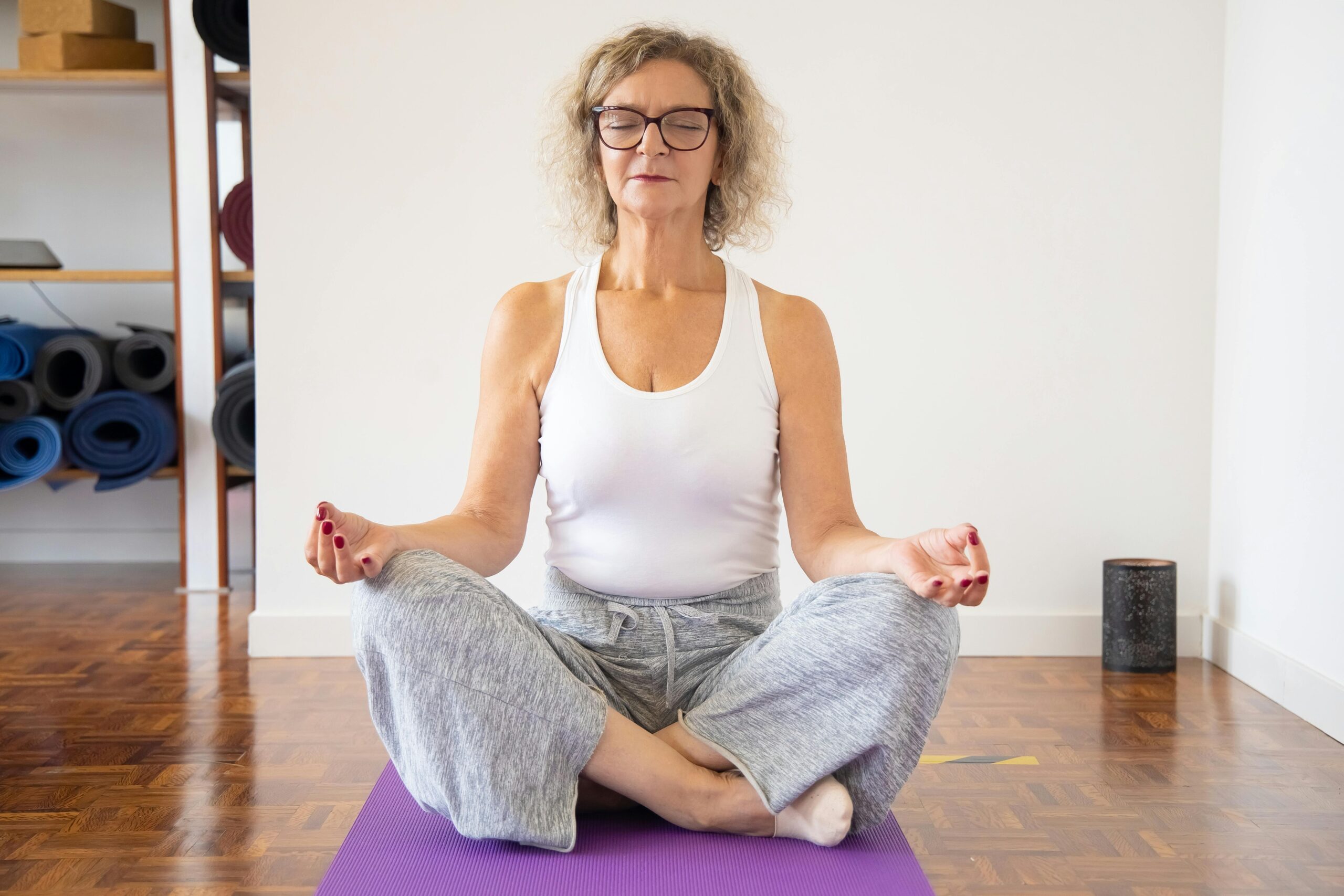
the powerful meditation benefits for adults over 50. Learn how meditation improves mental health, sleep, focus, and overall wellness for seniors.
Aging brings wisdom, experience, and new perspectives on life. But it can also bring challenges such as stress, health concerns, sleep problems, and feelings of loneliness. Many adults over 50 start searching for ways to improve their well-being, stay mentally sharp, and enjoy a more peaceful life.
One simple yet powerful practice that has gained popularity among seniors is meditation.
The meditation benefits for adults over 50 go far beyond relaxation. Research shows that regular meditation can improve memory, reduce stress, support heart health, and help people feel more emotionally balanced. Best of all, meditation does not require expensive equipment, gym memberships, or complicated routines.
Just a few minutes of quiet focus each day can make a meaningful difference.
Whether someone is recently retired, adjusting to lifestyle changes, or simply looking for a healthier routine, meditation offers a natural and accessible way to improve quality of life.
In this guide, we will explore the many meditation benefits for adults over 50, how seniors can get started, common mistakes to avoid, and expert-backed tips to make meditation a lifelong habit.
Why Meditation Is Especially Helpful After Age 50
Life after 50 often comes with major transitions. Some people retire from their careers, others become grandparents, and many begin focusing more on their health and personal happiness.
During this stage of life, stress can still appear in different forms:
- Health concerns
- Financial worries
- Loneliness or social isolation
- Sleep disturbances
- Memory changes
- Anxiety about aging
Meditation helps the mind slow down and regain balance.
When practiced regularly, meditation activates the body’s relaxation response. This lowers stress hormones and allows the body and brain to recover from daily pressures.
For adults over 50, this can lead to several improvements:
- Better emotional control
- Improved concentration
- Reduced blood pressure
- Better sleep quality
- Increased sense of purpose
Many seniors report feeling calmer and more optimistic after incorporating meditation into their daily routine.
Top Meditation Benefits for Adults Over 50
1. Reduces Stress and Anxiety
One of the most important meditation benefits for adults over 50 is stress reduction.
As people age, stress may not come from work anymore, but it often shifts to other areas such as:
- Health problems
- Caring for family members
- Financial planning
- Life transitions
Meditation helps calm the nervous system.
When someone meditates, their breathing slows and their heart rate stabilizes. This signals the brain that the body is safe and relaxed.
Over time, meditation can reduce symptoms of:
- Chronic stress
- General anxiety
- Emotional overwhelm
Many seniors say meditation helps them respond to problems more calmly rather than reacting emotionally.
2. Improves Brain Health and Memory
Memory concerns are common after age 50.
While occasional forgetfulness is normal, adults often worry about cognitive decline.
Meditation can help support brain health in several ways.
Research suggests meditation may:
- Improve focus and attention
- Increase brain plasticity
- Strengthen memory processing
- Slow age-related mental decline
Regular meditation trains the brain to stay present and focused.
This mental training keeps the brain active, which is important for maintaining cognitive health later in life.
Many older adults report improved concentration after just a few weeks of consistent meditation practice.
3. Supports Heart Health
Heart disease remains one of the leading health concerns for older adults in the United States.
Meditation can support heart health by reducing several risk factors.
Meditation may help:
- Lower blood pressure
- Reduce stress hormones
- Improve circulation
- Support healthy heart rhythm
Stress and high blood pressure are closely connected. By calming the body and mind, meditation can help reduce cardiovascular strain.
Doctors increasingly recommend meditation as part of a heart-healthy lifestyle.
4. Improves Sleep Quality
Sleep problems are very common after age 50.
Many seniors experience:
- Difficulty falling asleep
- Frequent nighttime waking
- Lighter sleep cycles
- Early morning waking
Meditation can improve sleep by calming the mind before bedtime.
Practices like mindfulness meditation and breathing exercises reduce racing thoughts and help the body relax.
Benefits for sleep include:
- Faster sleep onset
- Deeper relaxation
- Less nighttime anxiety
- More restful mornings
Many retirees use short evening meditation sessions as part of their bedtime routine.
5. Reduces Symptoms of Depression
Life transitions such as retirement, health challenges, or the loss of loved ones can sometimes lead to feelings of sadness.
Meditation encourages awareness and emotional acceptance.
Instead of suppressing difficult emotions, meditation teaches people to observe their thoughts without judgment.
This can help reduce symptoms of mild depression.
Over time, meditation can improve emotional resilience and create a stronger sense of inner peace.
6. Improves Focus and Mental Clarity
Distractions and mental fatigue can affect adults of any age.
Meditation strengthens the brain’s attention networks.
Even short daily meditation sessions can improve:
- Decision-making
- Problem-solving
- Concentration
- Mental clarity
For seniors who enjoy reading, learning new skills, or staying mentally active, meditation can help sharpen cognitive performance.
7. Enhances Emotional Well-Being
Emotional well-being becomes increasingly important as people age.
Meditation helps individuals develop greater awareness of their emotions.
This leads to:
- Increased patience
- Better emotional balance
- Greater gratitude
- Reduced frustration
Many seniors find that meditation helps them appreciate everyday moments more fully.
Simple experiences like walking outdoors, spending time with family, or enjoying hobbies can feel more meaningful.
8. Helps Manage Chronic Pain
Many adults over 50 experience chronic pain from conditions such as:
- Arthritis
- Back pain
- Joint stiffness
- Muscle tension
Meditation does not eliminate pain completely, but it can change how the brain responds to pain signals.
Mindfulness meditation teaches people to observe sensations without reacting emotionally.
This can reduce the perceived intensity of pain and improve quality of life.
Some pain management programs now include meditation as part of treatment plans.
9. Encourages Healthy Lifestyle Habits
Meditation often leads to greater self-awareness.
When people become more mindful, they tend to make healthier choices in daily life.
This may include:
- Eating healthier foods
- Exercising more regularly
- Limiting alcohol
- Improving sleep routines
For adults over 50, these lifestyle improvements can have a powerful impact on long-term health.
10. Creates a Greater Sense of Purpose
Retirement can be a joyful phase of life, but it can also bring questions about identity and purpose.
Meditation encourages reflection and personal growth.
Many seniors discover that meditation helps them reconnect with their values and priorities.
This sense of clarity can inspire new goals, hobbies, or volunteer activities.
Meditation can transform quiet moments into opportunities for deeper self-understanding.
How Adults Over 50 Can Start Meditating
Starting meditation does not require experience or special knowledge.
Here is a simple step-by-step approach.
Step 1: Choose a Quiet Space
Find a calm place where you can sit comfortably without interruptions.
This could be:
- A bedroom chair
- A living room corner
- A garden bench
- A quiet park
Step 2: Sit Comfortably
You do not need to sit cross-legged on the floor.
Most seniors prefer:
- A comfortable chair
- A straight-backed seat
- A cushion for support
The goal is comfort and stability.
Step 3: Focus on Your Breath
Close your eyes gently and focus on your breathing.
Pay attention to:
- The air entering your nose
- The rise and fall of your chest
- The rhythm of your breath
Step 4: Allow Thoughts to Pass
Your mind will wander. This is completely normal.
When thoughts appear, gently return your focus to your breath.
Step 5: Start with Short Sessions
Begin with just:
- 5 minutes per day
After a few weeks, gradually increase to:
- 10 minutes
- 15 minutes
- 20 minutes
Consistency matters more than duration.
Types of Meditation Suitable for Seniors
Not all meditation techniques are the same. Some styles are especially helpful for older adults.
Mindfulness Meditation
Mindfulness meditation focuses on staying present in the moment.
It involves observing thoughts, sensations, and emotions without judgment.
This is one of the most popular meditation methods in the United States.
Guided Meditation
Guided meditation uses audio instructions to lead the practice.
Many seniors find this easier when starting out.
Guided sessions often include:
- Relaxation instructions
- Breathing exercises
- Visualization techniques
Loving-Kindness Meditation
This type of meditation focuses on cultivating compassion.
Participants silently repeat positive phrases such as wishing happiness and health for themselves and others.
This practice can improve emotional well-being and reduce loneliness.
Body Scan Meditation
Body scan meditation involves slowly paying attention to each part of the body.
It helps release tension and improve physical awareness.
Many seniors use this method to relax before sleep.
Common Meditation Mistakes Adults Over 50 Should Avoid
Many beginners believe meditation must be perfect.
In reality, meditation is a flexible and forgiving practice.
Here are some common mistakes to avoid.
Expecting Instant Results
Meditation works gradually. Benefits increase with regular practice.
Trying to Stop All Thoughts
Meditation is not about eliminating thoughts.
It is about observing them without attachment.
Sitting Uncomfortably
Physical discomfort can distract from meditation.
Choose a comfortable position.
Meditating Too Long at First
Start small and build the habit slowly.
Expert Tips for Successful Meditation After 50
Experts often recommend these strategies for seniors beginning meditation.
Create a Daily Routine
Meditate at the same time each day.
Morning or evening works well.
Use a Timer
Set a gentle timer so you can relax without checking the clock.
Combine Meditation With Gentle Movement
Some seniors enjoy combining meditation with:
- Yoga
- Tai chi
- Stretching
Be Patient With Yourself
Meditation is a lifelong practice. Progress happens naturally over time.
Real-Life Example
Mary, a 62-year-old retiree from Arizona, started meditation after experiencing sleep problems and anxiety.
She began with just five minutes each evening using a guided meditation recording.
After three months of consistent practice, she noticed several improvements:
- She fell asleep faster.
- Her morning mood improved.
- She felt calmer when facing stressful situations.
Mary now meditates for 15 minutes every day and describes it as one of the most helpful habits she developed after retirement.
Conclusion
The meditation benefits for adults over 50 are powerful, practical, and supported by growing scientific research.
From reducing stress and improving sleep to supporting brain health and emotional balance, meditation offers a natural way to enhance quality of life during the later years.
The best part is that meditation is simple and accessible. It requires no special equipment, no expensive memberships, and no previous experience.
Just a few quiet minutes each day can lead to noticeable improvements in well-being.
For adults over 50 seeking greater peace, clarity, and vitality, meditation can become a valuable lifelong companion.
Starting today with even a short meditation session could be the first step toward a healthier and more balanced future.
Frequently Asked Questions (FAQs)
1. What are the main meditation benefits for adults over 50?
Meditation offers several benefits for adults over 50, including reduced stress, improved sleep, better memory, and stronger emotional balance. As people age, the body becomes more sensitive to stress and lifestyle changes. Meditation helps activate the relaxation response, lowering cortisol levels and calming the nervous system. This can improve heart health, focus, and mental clarity. Many seniors also find that meditation increases their sense of gratitude and purpose. Even short daily sessions of 10 to 15 minutes can lead to noticeable improvements in mood, concentration, and overall well-being.
2. Is meditation safe for seniors with health conditions?
Yes, meditation is generally considered safe for seniors, even those with health conditions. In fact, doctors often recommend meditation as a complementary wellness practice for people managing high blood pressure, chronic pain, anxiety, or sleep disorders. Meditation is gentle and non-invasive, meaning it does not strain the body. Seniors can practice while sitting in a comfortable chair or even lying down. However, individuals with serious medical conditions should still consult their healthcare provider before starting any new wellness routine, especially if they plan to combine meditation with physical practices like yoga or breathing exercises.
3. How long should adults over 50 meditate each day?
Most experts recommend starting with five to ten minutes of meditation per day. For beginners over 50, shorter sessions are easier to maintain consistently. After a few weeks, the duration can gradually increase to 15 or 20 minutes daily. The key to experiencing meditation benefits is consistency rather than length. Practicing a small amount every day is more effective than meditating for a long time only occasionally. Many seniors find that morning meditation helps them start the day calmly, while evening meditation supports better sleep and relaxation.
4. Can meditation help improve memory in older adults?
Meditation may help support memory and cognitive function in older adults. Studies suggest that mindfulness meditation improves attention and mental focus, both of which are important for memory formation. By training the brain to stay present, meditation strengthens neural pathways related to concentration and awareness. This can help reduce mental distractions and improve recall. While meditation cannot completely prevent memory loss, regular practice may slow age-related cognitive decline and help seniors maintain sharper thinking skills over time.
5. What type of meditation is best for beginners over 50?
Mindfulness meditation and guided meditation are usually the best options for beginners over 50. Mindfulness meditation involves simply focusing on the breath and observing thoughts without judgment. Guided meditation, on the other hand, uses recorded instructions that lead participants step by step through the practice. Many seniors find guided meditation easier because it provides structure and reassurance. Both methods are gentle, flexible, and easy to learn. Over time, individuals may explore other styles such as loving-kindness meditation or body scan meditation.
6. Can meditation help seniors sleep better?
Yes, meditation can significantly improve sleep quality for many seniors. Sleep disturbances often increase with age due to stress, lifestyle changes, or health conditions. Meditation helps calm the mind and relax the body before bedtime. Techniques like breathing meditation or body scan meditation reduce mental chatter and release physical tension. This makes it easier to fall asleep and stay asleep throughout the night. Many seniors report that practicing meditation for 10 to 15 minutes before bed leads to deeper and more restful sleep.
7. Do adults over 50 need special training to meditate?
No special training is required to begin meditating. Meditation is a simple practice that anyone can learn with basic guidance. Many seniors start with free online videos, meditation apps, or local community classes. Guided meditation recordings are particularly helpful for beginners because they provide clear instructions and pacing. Over time, individuals naturally become more comfortable with the practice. The most important factors are patience, consistency, and maintaining a relaxed mindset rather than trying to achieve perfection.
8. Can meditation help with loneliness after retirement?
Meditation can help reduce feelings of loneliness by improving emotional awareness and self-compassion. Retirement often changes social routines, which may lead to isolation for some people. Meditation encourages individuals to develop a deeper connection with themselves and their emotions. Practices such as loving-kindness meditation focus on cultivating positive feelings toward oneself and others. This can increase feelings of connection, empathy, and emotional warmth. Many seniors find that meditation also motivates them to engage in meaningful activities and social interactions.
9. Is it normal to feel distracted while meditating?
Yes, feeling distracted during meditation is completely normal. The mind naturally produces thoughts, memories, and ideas. Meditation does not require stopping these thoughts entirely. Instead, the goal is to notice when the mind wanders and gently bring attention back to the breath or meditation focus. Even experienced meditators experience distractions. For beginners over 50, it may take a few weeks to feel comfortable with the practice. With patience and regular practice, concentration gradually improves.
10. How quickly can seniors notice meditation benefits?
Some people notice early benefits such as relaxation and reduced stress after just a few meditation sessions. However, deeper benefits like improved sleep, emotional balance, and better focus usually develop after several weeks of consistent practice. Research suggests that practicing meditation daily for eight weeks can lead to measurable changes in stress levels and brain activity. Seniors who maintain a regular meditation habit often report lasting improvements in mood, clarity, and overall well-being.
Also Read –
How to Reduce Stress After Retirement