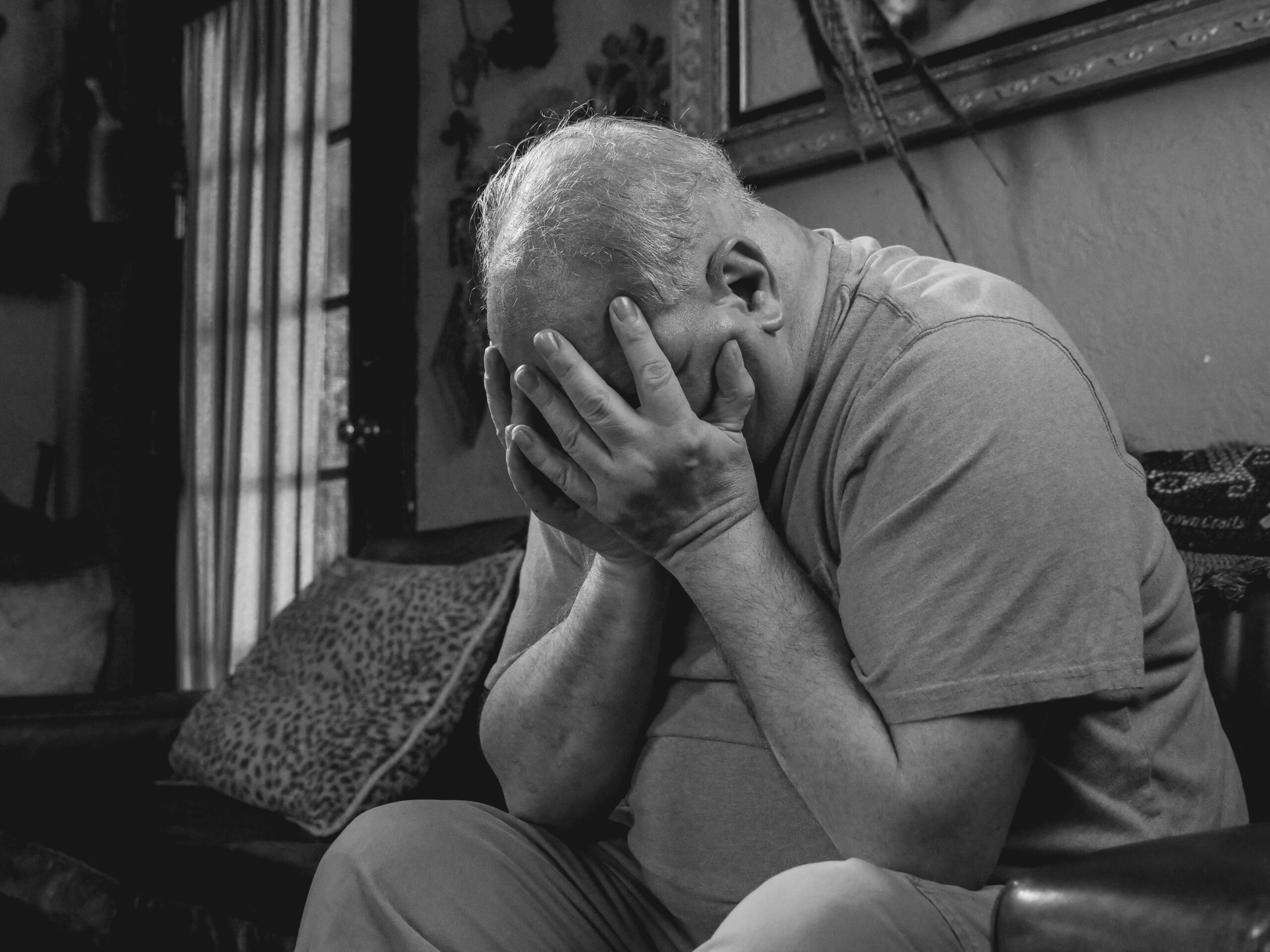
how to reduce stress after retirement with practical tips, healthy routines, social activities, and financial planning strategies for a happier retirement life.
Retirement is often described as the golden phase of life. After decades of working, many people look forward to having more free time, fewer responsibilities, and the chance to finally enjoy life at a slower pace. However, the reality can sometimes feel different. For many adults over 50, retirement brings unexpected stress.
Understanding how to reduce stress after retirement is important for maintaining both mental and physical health. A sudden shift from a structured work life to a more open and unstructured lifestyle can create feelings of uncertainty, loneliness, and anxiety.
Some retirees worry about finances. Others miss the social connections and daily routine that work once provided. In some cases, retirees struggle with finding a sense of purpose.
The good news is that stress during retirement is common, and it can be managed effectively with the right habits and mindset. By making small lifestyle adjustments and focusing on health, relationships, and meaningful activities, retirees can create a fulfilling and low-stress life.
In this guide, you will learn practical and proven strategies to reduce stress after retirement, improve emotional well-being, and build a peaceful and rewarding retirement lifestyle.
Why Stress Happens After Retirement
Before learning how to reduce stress after retirement, it is helpful to understand why stress often appears during this stage of life.
Retirement represents a major life transition. Just like moving to a new city or starting a new career, this change can affect routines, identity, and daily structure.
Several factors contribute to retirement stress.
Loss of Daily Structure
For decades, work provides a predictable routine. You wake up at a certain time, go to work, interact with colleagues, and complete tasks.
After retirement, that structure disappears.
Without a routine, some retirees feel unproductive or disconnected.
Financial Concerns
Even when retirement savings are strong, many retirees worry about money. Questions about healthcare costs, inflation, and long-term expenses can create anxiety.
Social Isolation
Workplaces offer daily social interaction. Retirement can reduce these connections, especially if friends are still working.
Loss of Purpose
Many people identify strongly with their careers. After retirement, they may wonder what their purpose is now.
Recognizing these challenges is the first step toward learning how to reduce stress after retirement.
Create a Healthy Daily Routine
One of the most effective ways to reduce stress after retirement is to build a simple daily routine.
Structure helps the mind feel organized and focused. It also prevents boredom and encourages productivity.
Start the Day with a Morning Routine
A consistent morning routine can set the tone for the entire day.
Healthy morning habits include:
- Waking up at the same time each day
- Drinking water and stretching
- Taking a short walk
- Reading or journaling
- Eating a balanced breakfast
These activities help create stability and reduce mental clutter.
Plan Meaningful Activities
Retirement does not mean doing nothing. Instead, it offers freedom to choose meaningful activities.
Examples include:
- Gardening
- Volunteering
- Learning a new hobby
- Reading books
- Attending community events
Planning activities ahead of time can prevent long periods of inactivity.
Stay Physically Active
Physical activity is one of the most powerful ways to reduce stress after retirement.
Exercise releases endorphins, which are natural chemicals in the brain that improve mood and reduce anxiety.
Best Exercises for Seniors
Not all exercise needs to be intense. Gentle movement is often enough to improve mental health.
Recommended activities include:
- Walking
- Swimming
- Yoga
- Tai chi
- Light strength training
Even 30 minutes of exercise per day can significantly reduce stress.
Real-Life Example
John, a 67-year-old retiree from Arizona, struggled with boredom and anxiety after leaving his job. He began walking in a local park every morning.
Within a few weeks, he noticed better sleep, improved mood, and new friendships with other regular walkers.
Build Strong Social Connections
Social relationships are essential for emotional well-being during retirement.
Isolation can increase stress and even lead to depression.
Ways to Stay Socially Active
Retirees can maintain strong social connections by:
- Joining senior clubs
- Attending community centers
- Participating in group classes
- Volunteering
- Meeting friends regularly
Even simple interactions, such as chatting with neighbors, can improve mood.
Stay Connected with Family
Family relationships become even more important during retirement.
Regular phone calls, visits, and shared activities with children or grandchildren can bring joy and emotional support.
Find a New Purpose
A sense of purpose plays a major role in reducing stress after retirement.
Purpose gives people a reason to wake up in the morning and feel motivated.
Explore Passion Projects
Retirement provides time to explore interests that were previously postponed.
Possible ideas include:
- Writing a memoir
- Painting or photography
- Teaching skills to others
- Starting a small online business
- Mentoring younger professionals
Purposeful activities provide fulfillment and reduce feelings of emptiness.
Manage Financial Stress
Financial concerns are one of the most common sources of retirement stress.
Even well-prepared retirees may worry about unexpected expenses.
Create a Retirement Budget
A clear budget can provide peace of mind.
Important budget categories include:
- Housing expenses
- Healthcare costs
- Food and transportation
- Leisure activities
- Emergency savings
Tracking spending helps retirees stay in control of their finances.
Consider Part-Time Work
Some retirees choose part-time work to stay active and reduce financial pressure.
Part-time work offers several benefits:
- Extra income
- Social interaction
- Mental stimulation
Many retirees enjoy flexible roles such as consulting, tutoring, or seasonal jobs.
Practice Mindfulness and Relaxation
Learning relaxation techniques is another effective way to reduce stress after retirement.
Mindfulness helps individuals stay focused on the present moment instead of worrying about the future.
Simple Mindfulness Techniques
Easy practices include:
- Deep breathing exercises
- Meditation
- Listening to calming music
- Spending time in nature
Even five minutes of quiet breathing can calm the mind.
Benefits of Meditation
Regular meditation can:
- Lower blood pressure
- Improve sleep quality
- Reduce anxiety
- Increase emotional balance
Many retirees find meditation helpful for maintaining inner peace.
Prioritize Physical Health
Health issues can create stress during retirement. Maintaining good health reduces anxiety and improves overall quality of life.
Healthy Eating Habits
Nutritious foods support both physical and mental health.
Healthy eating tips include:
- Eat fruits and vegetables daily
- Choose whole grains
- Limit processed foods
- Stay hydrated
A balanced diet supports energy levels and emotional stability.
Regular Health Checkups
Preventive healthcare can reduce stress by catching potential issues early.
Retirees should schedule regular visits with healthcare providers and follow recommended screenings.
Develop New Hobbies
Hobbies provide enjoyment, creativity, and mental stimulation.
Learning new skills can boost confidence and reduce stress.
Popular Retirement Hobbies
Many retirees enjoy hobbies such as:
- Gardening

- Cooking
- Photography
- Woodworking
- Music
Creative activities keep the brain active and improve emotional well-being.
Learning Keeps the Brain Healthy
Research shows that lifelong learning helps protect brain function and improves mental resilience.
Retirees can explore:
- Online courses
- Community college classes
- Workshops
Limit Negative News and Media
Constant exposure to negative news can increase stress.
Retirees often spend more time watching television or browsing online news.
While staying informed is important, too much negative information can harm mental health.
Healthy Media Habits
Consider these strategies:
- Limit news consumption to once per day
- Avoid stressful media before bedtime
- Focus on educational or uplifting content
This approach helps maintain a calm mindset.
Spend Time in Nature
Nature has a powerful calming effect on the mind.
Studies show that spending time outdoors can reduce stress hormones and improve mood.
Easy Ways to Enjoy Nature
Retirees can connect with nature through:
- Park walks
- Gardening
- Fishing
- Bird watching
Even sitting outside in fresh air can improve emotional health.
Common Mistakes That Increase Retirement Stress
Many retirees unintentionally increase stress through certain habits.
Avoiding these mistakes can improve retirement life.
Common mistakes include:
- Staying inactive for long periods
- Avoiding social interaction
- Ignoring financial planning
- Spending too much time watching television
- Neglecting health routines
Recognizing these patterns can help retirees make healthier choices.
Expert Tips for a Peaceful Retirement
Experts in aging and mental wellness often recommend simple strategies for reducing retirement stress.
Key expert tips include:
- Maintain a consistent routine
- Stay physically active every day
- Build strong relationships
- Focus on purpose and contribution
- Practice gratitude regularly
Gratitude is especially powerful. Taking a few minutes each day to appreciate positive moments can significantly improve mental well-being.
Conclusion
Retirement is a major life transition, and feeling some stress during this phase is completely normal. However, learning how to reduce stress after retirement can transform this stage into one of the most fulfilling periods of life.
By creating a daily routine, staying active, maintaining social connections, and pursuing meaningful activities, retirees can build a balanced and joyful lifestyle.
Financial planning, mindfulness practices, and good health habits also play an important role in reducing stress.
Retirement should not be seen as the end of productivity or purpose. Instead, it is an opportunity to design a life filled with freedom, growth, and meaningful experiences.
With the right mindset and habits, retirement can truly become the peaceful and rewarding chapter that many people hope for.
Frequently Asked Questions
1. Why do many people experience stress after retirement?
Many people experience stress after retirement because it involves a major life change. Work often provides routine, social interaction, financial security, and a sense of purpose. When retirement begins, these elements may suddenly disappear. This can lead to feelings of uncertainty, boredom, or loneliness. Financial concerns and health worries may also contribute to anxiety. However, these challenges can be managed by creating new routines, staying socially active, and finding meaningful activities that provide a renewed sense of purpose.
2. What are the best ways to reduce stress after retirement naturally?
Natural ways to reduce stress after retirement include maintaining a healthy lifestyle and staying socially engaged. Regular physical activity such as walking, yoga, or swimming can improve mood and reduce anxiety. Spending time with friends and family helps prevent loneliness. Practicing mindfulness, meditation, or deep breathing can calm the mind. Developing hobbies, volunteering, and learning new skills also provide mental stimulation and purpose. These habits support emotional balance and make retirement more enjoyable.
3. How important is a daily routine for retirees?
A daily routine is extremely important for retirees because it provides structure and purpose. Without a routine, retirees may feel unproductive or bored. Simple habits such as waking up at the same time, exercising, planning activities, and setting small goals can make each day more meaningful. A routine also improves sleep patterns and reduces anxiety. Even flexible routines help retirees maintain motivation and create a sense of stability in their daily lives.
4. Can exercise really help reduce stress after retirement?
Yes, exercise is one of the most effective ways to reduce stress after retirement. Physical activity releases endorphins, which are natural chemicals that improve mood and reduce anxiety. Exercise also supports heart health, strengthens muscles, and improves sleep quality. Activities such as walking, swimming, yoga, and tai chi are especially beneficial for older adults. Even moderate exercise for 30 minutes a day can significantly improve mental and emotional well-being.
5. How can retirees avoid loneliness after leaving the workforce?
Retirees can avoid loneliness by actively maintaining social connections. Joining local clubs, participating in community events, or volunteering can create opportunities to meet new people. Staying in touch with friends, neighbors, and family members is also important. Technology can help retirees stay connected through video calls and online communities. Regular social interaction helps improve emotional health and reduces the risk of depression or anxiety.
6. Is part-time work a good idea after retirement?
For many retirees, part-time work can be beneficial. It provides additional income, keeps the mind active, and offers social interaction. Some retirees enjoy consulting, tutoring, freelancing, or working seasonal jobs. Part-time work can also give retirees a sense of purpose without the pressure of a full-time career. However, it is important to choose flexible roles that match personal interests and energy levels.
7. How does mindfulness help retirees manage stress?
Mindfulness helps retirees manage stress by encouraging them to focus on the present moment. Instead of worrying about the future or dwelling on past events, mindfulness helps individuals stay aware of their thoughts and feelings without judgment. Practices such as meditation, breathing exercises, and mindful walking can reduce anxiety and improve emotional balance. Regular mindfulness practice has been shown to improve sleep, reduce blood pressure, and increase overall well-being.
8. What hobbies are best for reducing stress during retirement?
Hobbies that encourage creativity, movement, and social interaction are especially helpful for reducing stress. Gardening, painting, photography, cooking, and woodworking are popular options. Activities such as dancing, music, or writing can also provide emotional expression and relaxation. The best hobby is one that feels enjoyable and meaningful. Exploring different hobbies allows retirees to discover new passions and stay mentally active.
9. How does spending time in nature reduce retirement stress?
Nature has a calming effect on the brain and body. Spending time outdoors can reduce stress hormones, lower blood pressure, and improve mood. Activities such as walking in parks, gardening, fishing, or bird watching help retirees relax and disconnect from daily worries. Fresh air and natural surroundings also support physical health and better sleep. Even short periods of time in nature can significantly improve emotional well-being.
10. What is the most important mindset for a happy retirement?
The most important mindset for a happy retirement is viewing it as a new chapter filled with opportunities. Instead of focusing on what has ended, retirees can focus on what they are free to explore. This includes learning new skills, building relationships, traveling, and pursuing passions. A positive outlook, gratitude, and openness to new experiences can make retirement one of the most fulfilling phases of life.
Also Read
Brain Exercises for Seniors to Prevent Memory Loss