
Learn how to avoid financial scams targeting seniors with proven tips, real examples, and expert advice designed for adults over 50 in the USA.
Learning how to avoid financial scams targeting seniors is more important today than ever before. Every year, thousands of adults over 50 lose their hard-earned savings to fraudsters. These scams are not random. In fact, criminals often target retirees because they believe seniors have savings, steady income, and strong trust in others.
If you are 50 or older, you worked decades to build your financial security. You deserve to protect it.
Fortunately, you can stay safe. When you understand how scams work and how to respond, you dramatically reduce your risk. This guide will walk you step by step through how to avoid financial scams targeting seniors, recognize warning signs, and protect your retirement income.
Why Seniors Are Targeted
Scammers focus on seniors for several reasons.
First, many retirees have savings accounts, home equity, or retirement funds like 401(k)s and IRAs. That makes them attractive targets.
Second, some seniors grew up in a time when people trusted phone calls and mail. Criminals take advantage of that trust.
Third, retirees may live alone. Isolation increases vulnerability.
However, awareness changes everything. Once you know how to avoid financial scams targeting seniors, you become a much harder target.
Most Common Financial Scams Targeting Seniors
Understanding common scams helps you recognize danger quickly.
1. IRS or Government Impersonation Scams


4
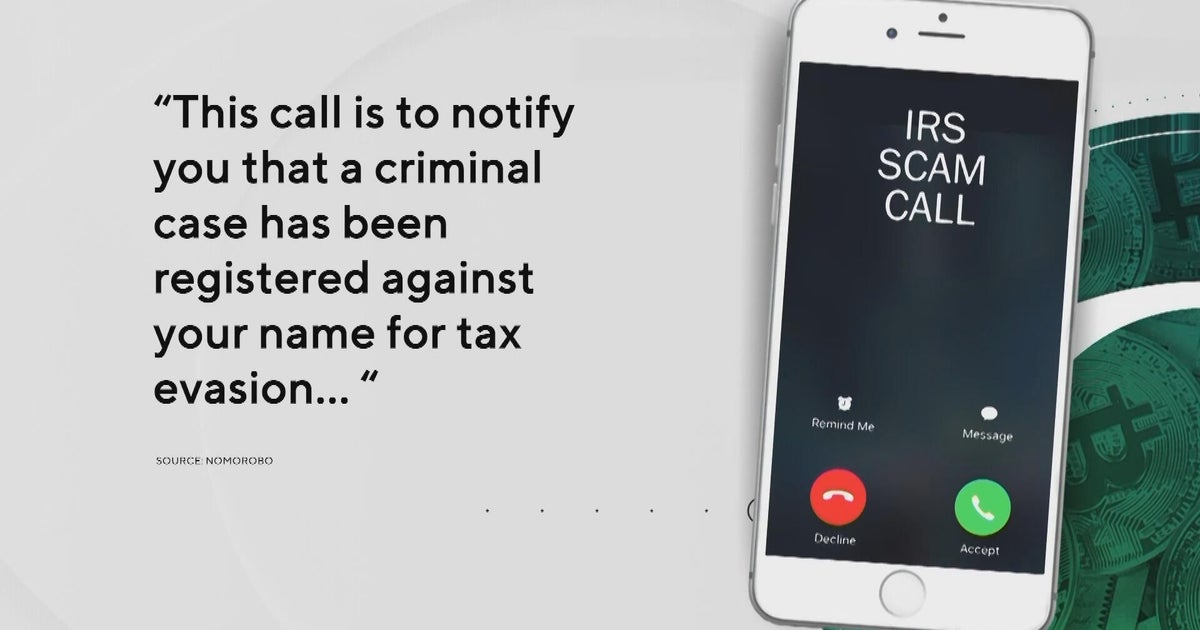
Scammers pretend to be from the Internal Revenue Service or Social Security Administration.
They claim you owe taxes or your benefits will stop unless you pay immediately.
They often demand gift cards, wire transfers, or cryptocurrency.
Real government agencies do not demand immediate payment by gift card. That is your first red flag.
2. Medicare Scams
Criminals pretend to represent Medicare. They ask for your Medicare number to “verify” coverage.
Later, they use that information for fraudulent billing.
Never give your Medicare number to anyone who contacts you unexpectedly.
3. Romance Scams



4
Romance scams often begin on social media or dating websites. A scammer builds emotional trust, then asks for money due to an emergency.
This is one of the fastest-growing scams affecting seniors.
If someone you have never met in person asks for money, pause immediately.
4. Investment Scams
Fake investment opportunities promise guaranteed high returns.
They may involve cryptocurrency, gold, real estate, or “secret” insider deals.
Remember: No legitimate investment guarantees high returns without risk.
5. Tech Support Scams
You receive a pop-up saying your computer has a virus. The message urges you to call a number immediately.
Fake technicians then ask for remote access and payment.
Legitimate companies do not randomly contact you about computer problems.
Warning Signs of a Financial Scam
When learning how to avoid financial scams targeting seniors, spotting warning signs is critical.
Watch for:
- Pressure to act immediately
- Requests for secrecy
- Payment via gift cards or wire transfers
- Threats of arrest or benefit cancellation
- Poor grammar in emails
- Unusual payment methods
If someone creates panic, step back.
Scammers rush you because they do not want you to think.
How to Avoid Financial Scams Targeting Seniors
This section is the heart of your protection plan.
1. Slow Down Every Financial Decision
Never send money quickly.
Even if the caller claims it is urgent, hang up. Then contact the official organization directly using a verified phone number.
2. Verify Before Trusting
If someone claims to represent the Federal Trade Commission or your bank, look up the official website and call the published number.
Never use the callback number they provide.
3. Protect Personal Information
Never share:
- Social Security number
- Bank account details
- Medicare ID
- Online banking passwords
Even small details can help scammers.
4. Use Strong Passwords
Create long, unique passwords for each account.
Consider a password manager.
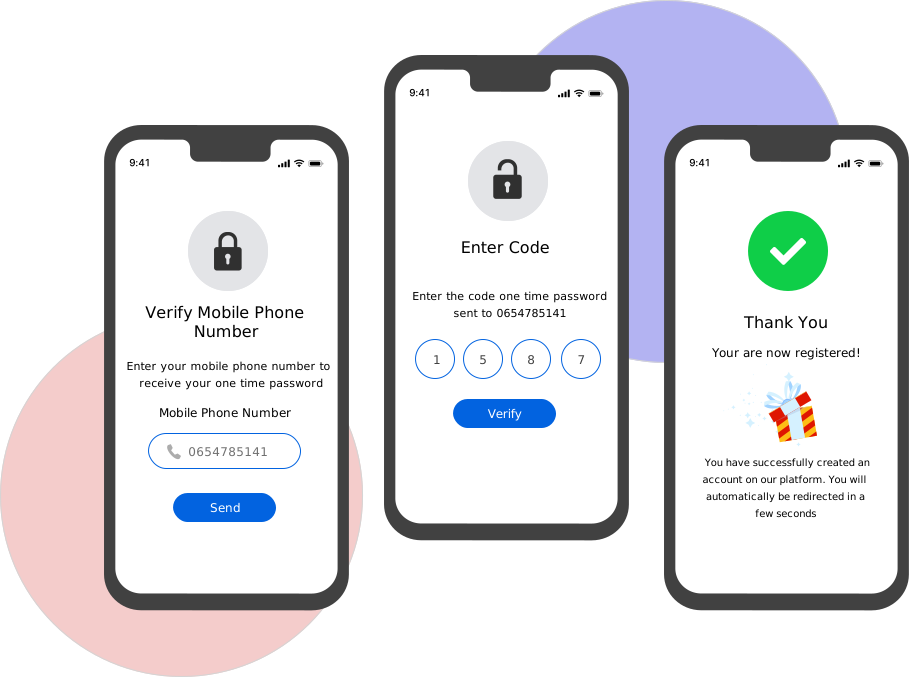
Also, enable two-factor authentication whenever possible.
5. Monitor Financial Accounts Regularly
Check bank and credit card statements weekly.
Look for small unknown charges. Scammers often test accounts with small amounts before larger theft.
6. Freeze Your Credit
You can request a free credit freeze from:
A credit freeze prevents criminals from opening accounts in your name.
Online Safety for Seniors


4
The internet connects us. However, it also creates risk.
Follow these rules:
- Avoid clicking unknown email links
- Do not download attachments from strangers
- Install antivirus software
- Keep your computer updated
- Avoid public Wi-Fi for banking
If unsure, ask a trusted family member.
Phone and Mail Scam Protection
Robocalls continue to rise.
Let unknown calls go to voicemail.
Additionally, register your number on the National Do Not Call Registry.
For mail scams:
- Shred financial documents
- Do not respond to fake lottery winnings
- Verify charities before donating
Investment and Retirement Account Scams
Your retirement savings deserve extra protection.
Scammers often promise:
- “Guaranteed” 20% returns
- Insider stock tips
- Risk-free crypto profits
Before investing, check with the U.S. Securities and Exchange Commission.
You can also review company records with Financial Industry Regulatory Authority.
Romance and Emotional Manipulation Scams
Emotional scams are especially painful.
Scammers may say:
- They are overseas military
- They need surgery money
- They want to visit but lack travel funds
Never send money to someone you have not met.
Talk to family before sending funds.
Government Benefit Scams
Scammers pretend to suspend your Social Security.
The Social Security Administration does not threaten arrest over the phone.
If you are unsure, visit the official website directly.
What To Do If You’ve Been Scammed
Act fast.
- Call your bank immediately
- Report to the Federal Trade Commission
- Contact your local police
- Place a fraud alert on your credit
- Inform family members
Quick action can limit damage.
Common Mistakes Seniors Make
Even smart people fall for scams.
Common mistakes include:
- Trusting caller ID
- Feeling embarrassed and staying silent
- Waiting too long to report fraud
- Believing guaranteed returns
There is no shame in being targeted.
Scammers are professionals.
Expert Tips to Stay Protected
Financial advisors recommend:
- Discuss major financial decisions with a trusted person
- Create a “no same-day decisions” rule
- Set up transaction alerts
- Limit cash withdrawals
- Keep a scam checklist near your phone
Moreover, education is ongoing. Stay informed through trusted agencies.
You can also read our guide on retirement income safety here: [Internal Link Placeholder – Protecting Retirement Savings]
For official updates, review resources from the Federal Trade Commission and U.S. Securities and Exchange Commission.
Conclusion
Knowing how to avoid financial scams targeting seniors gives you power.
You cannot stop every scammer. However, you can control your response.
Slow down. Verify. Protect your information. Monitor your accounts.
Most importantly, talk openly about scams. Silence helps criminals. Awareness stops them.
Your retirement years should be peaceful and secure. With smart habits and ongoing awareness, you can protect your savings and your confidence.
Frequently Asked Questions
FAQ Section (Schema-Friendly)
1. What are the most common financial scams targeting seniors in 2026?
The most common scams include government impersonation calls, Medicare fraud, romance scams, investment fraud, and tech support scams. Criminals often use fear or urgency to pressure seniors into quick decisions. They may claim you owe taxes or your benefits will stop. However, real agencies rarely contact you unexpectedly demanding payment. Staying calm, verifying information independently, and refusing unusual payment methods are key steps in preventing fraud.
2. How can seniors avoid phone scams effectively?
To avoid phone scams, never answer unknown numbers directly. Let calls go to voicemail first. Additionally, never give personal details during unsolicited calls. If someone claims to represent a bank or government agency, hang up and call the official number from their website. Registering your number on the Do Not Call Registry also reduces telemarketing calls. Most importantly, remember that legitimate organizations do not demand gift card payments.
3. What should I do if I gave my Social Security number to a scammer?
Act immediately. Contact your bank and place fraud alerts with the three major credit bureaus. You should also report the incident to the Federal Trade Commission. Monitor your credit reports regularly for new accounts. In some cases, placing a credit freeze offers extra protection. Quick action limits long-term damage and reduces identity theft risk.
4. Are online banking apps safe for seniors?
Yes, online banking apps are generally safe when used properly. Choose strong passwords and enable two-factor authentication. Avoid public Wi-Fi for financial transactions. Keep your devices updated with security patches. Additionally, monitor transactions regularly. When used carefully, digital banking can be safer than paper statements because you can track activity in real time.
5. How do romance scams usually target older adults?
Romance scammers create fake profiles on dating websites or social media. They build emotional trust over weeks or months. Eventually, they claim an emergency and ask for money. Often, they promise to repay you later. However, once you send money, they disappear. Never send funds to someone you have not met in person. Discuss concerns with family members.
6. How can retirees protect retirement accounts from scams?
Work only with licensed financial advisors. Verify credentials through regulatory agencies. Avoid investments promising guaranteed returns. Review account statements monthly. Additionally, enable account alerts for withdrawals. Diversification and caution are critical. Before moving large amounts of money, take at least 24 hours to think.
7. What are red flags of investment fraud targeting seniors?
Red flags include guaranteed high returns, limited-time offers, secret insider tips, and pressure to act immediately. Fraudsters often discourage you from consulting others. If someone insists you keep the opportunity confidential, that is suspicious. Legitimate investments allow time for review and independent research.
8. Can family members help prevent financial scams?
Yes. Open communication significantly reduces risk. Seniors should discuss major financial decisions with trusted relatives. Family members can help monitor unusual transactions and review suspicious messages. Shared awareness creates stronger protection against fraud.
9. Is it possible to recover money lost in a scam?
Sometimes recovery is possible, especially if you report the fraud immediately. Banks may reverse unauthorized transactions. However, wire transfers and cryptocurrency payments are harder to recover. That is why prevention is critical. The sooner you report, the better your chances.
10. Where can seniors report financial scams in the United States?
You can report scams to the Federal Trade Commission, local police departments, and your state attorney general’s office. Reporting helps authorities track patterns and warn others. Even if recovery is unlikely, your report may protect someone else from losing money.
Also Read