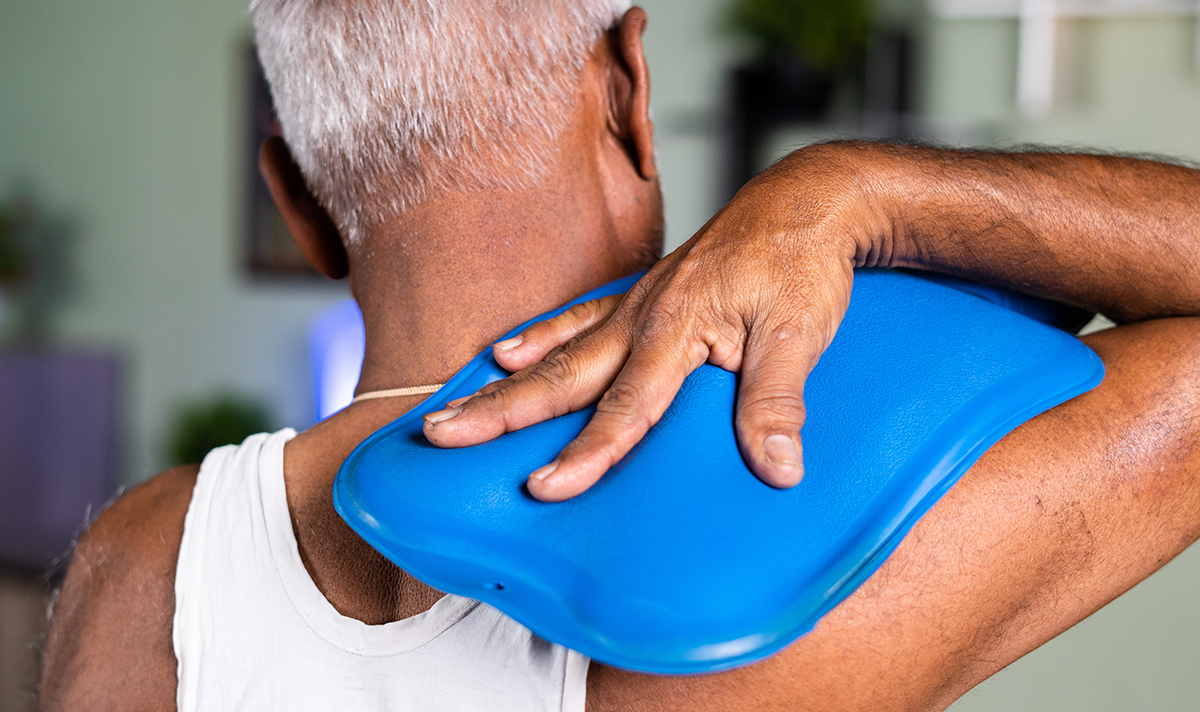
cold therapy benefits for recovery in seniors. Learn how ice baths, cold showers, and cryotherapy can reduce pain, inflammation, and speed healing.
Cold Therapy Benefits for Recovery
If you’re over 50, chances are your body doesn’t bounce back the way it used to. A simple walk might leave your knees sore. Gardening could cause stiffness in your back. Even light workouts can take longer to recover from.
This is where cold therapy for recovery comes in.
Cold therapy—also called cryotherapy—is not new. Athletes have used it for decades. But today, more seniors and retirees are discovering how simple cold treatments can ease pain, reduce inflammation, and improve overall recovery.
The best part? You don’t need expensive equipment. A bag of ice, a cold shower, or even cool water can make a big difference.
In this guide, you’ll learn:
- What cold therapy is and how it works
- Proven cold therapy benefits for recovery
- Safe ways to use it after age 50
- Practical tips you can start today
Let’s explore how this simple method can help your body feel younger and recover faster.
What Is Cold Therapy?
Cold therapy is the use of cold temperatures to treat pain, swelling, and muscle soreness.
It works by:
- Reducing blood flow to a specific area
- Slowing inflammation
- Numbing nerve signals (which reduces pain)
Common Types of Cold Therapy
Here are the most common methods:
1. Ice Packs
The simplest and most accessible option. Used for joint pain, injuries, and swelling.
2. Cold Showers
Standing under cold water for a few minutes can refresh the whole body.
3. Ice Baths
Immersing the body in cold water (usually 50–60°F) for short periods.
4. Cryotherapy Chambers
Professional treatment using extremely cold air for a few minutes.
For seniors, most benefits can be achieved with simple methods like ice packs and cool showers.
How Cold Therapy Works in the Body
Understanding how cold therapy works helps you use it more effectively.
When cold is applied:
- Blood vessels tighten (vasoconstriction)
- Swelling reduces
- Pain signals slow down
- After warming up, blood flow increases again
This process helps flush out waste products and brings fresh oxygen to tissues.
Why This Matters for Seniors
As we age:
- Circulation slows
- Healing takes longer
- Inflammation increases
Cold therapy supports the body by improving these processes naturally.
Top Cold Therapy Benefits for Recovery
Let’s break down the most important benefits, especially for adults over 50.
1. Reduces Inflammation and Swelling
Inflammation is one of the biggest causes of pain in older adults.
Cold therapy helps by:
- Narrowing blood vessels
- Limiting fluid buildup
- Reducing swelling in joints and muscles
This is especially helpful for:
- Arthritis
- Knee pain
- Shoulder injuries
Real-life example:
Many seniors use ice packs after walking or exercising to prevent joint swelling later in the day.
2. Relieves Pain Naturally
Cold therapy acts as a natural pain reliever.
It works by numbing the area and slowing nerve signals.
This makes it useful for:
- Back pain
- Neck stiffness
- Joint discomfort
Unlike pain medications, cold therapy has no side effects when used properly.
3. Speeds Up Muscle Recovery
After physical activity, muscles can feel sore and tight.
Cold therapy helps:
- Reduce muscle damage
- Limit soreness
- Improve recovery time
This means you can stay active without long recovery periods.
4. Supports Joint Health
Joint stiffness is common after 50.
Cold therapy can:
- Reduce joint swelling
- Improve movement
- Ease stiffness
It’s especially useful for people with:
- Osteoarthritis
- Joint inflammation
- Post-surgery recovery
5. Helps Prevent Injuries
Applying cold therapy after activity can prevent small injuries from getting worse.
It helps:
- Control inflammation early
- Reduce strain on tissues
- Protect joints
6. Improves Circulation Over Time
While cold reduces blood flow temporarily, it improves circulation overall.
After cold exposure:
- Blood flow returns stronger
- Oxygen delivery improves
- Healing speeds up
7. Boosts Energy and Mental Alertness
Cold showers can wake up your body and mind.
Benefits include:
- Increased alertness
- Better mood
- Reduced fatigue
Many seniors report feeling more refreshed after cold exposure.
8. May Improve Sleep Quality
Cold therapy can help relax the body after inflammation reduces.
Better recovery often leads to:
- Less nighttime pain
- Improved sleep
- Deeper rest
Cold Therapy vs Heat Therapy: What’s Better?
Both cold and heat therapy have benefits.
Use Cold Therapy When:
- There is swelling
- You feel sharp pain
- After exercise or injury
Use Heat Therapy When:
- Muscles feel stiff
- There is no swelling
- You need relaxation
Simple rule:
Cold for inflammation, heat for stiffness.
Safe Ways to Use Cold Therapy After 50
Safety is important, especially for seniors.
General Guidelines
- Apply cold for 10–15 minutes
- Use a cloth between ice and skin
- Do not apply directly for too long
- Rest between sessions
Step-by-Step: Using an Ice Pack
- Wrap ice in a towel
- Place on the affected area
- Leave for 10–15 minutes
- Remove and rest for 20–30 minutes
Repeat 2–3 times if needed.
Cold Shower Routine for Beginners
- Start with warm water
- Switch to cool water for 30 seconds
- Slowly increase to 1–2 minutes
- Breathe slowly and relax
Best Times to Use Cold Therapy
Timing matters for better results.
Use Cold Therapy:
- After exercise
- After long walks
- When joints feel swollen
- After minor injuries
Who Should Avoid Cold Therapy?
Cold therapy is safe for most people, but some should be careful.
Avoid or consult a doctor if you have:
- Poor circulation
- Diabetes (nerve damage)
- Heart conditions
- Cold sensitivity
Practical Daily Routine for Seniors
Here’s a simple routine you can follow:
Morning
- 30–60 seconds of cool water at the end of your shower
Afternoon
- Ice pack for sore joints after activity
Evening
- Light stretching + optional cold therapy if needed
Real-Life Example
John, age 67, enjoys daily walks.
He noticed knee pain after walking. Instead of stopping, he started using cold therapy:
- Ice pack on knees for 15 minutes after walking
- Short cold shower twice a week
After a few weeks:
- Pain reduced
- Walking distance increased
- Recovery improved
Common Mistakes to Avoid
Even simple methods can go wrong if not used properly.
1. Applying Ice Directly to Skin
This can cause skin damage. Always use a cloth.
2. Using Cold for Too Long
More is not better. Stick to 10–15 minutes.
3. Ignoring Underlying Problems
Cold therapy helps symptoms, not root causes.
4. Using Cold on Stiff Muscles
Cold is not ideal for stiffness without swelling.
5. Skipping Consistency
Benefits come with regular use.
Expert Tips for Better Results
1. Combine with Gentle Exercise
Movement improves circulation and recovery.
2. Stay Hydrated
Water supports healing and reduces inflammation.
3. Use After Activity
This is when cold therapy works best.
4. Listen to Your Body
Stop if you feel discomfort or numbness.
5. Keep It Simple
You don’t need expensive treatments.
Cold Therapy and Chronic Conditions
Cold therapy can support management of:
- Arthritis
- Chronic pain
- Muscle soreness
- Joint inflammation
It’s not a cure, but it helps reduce daily discomfort.
Conclusion
Cold therapy is one of the simplest and most effective ways to support recovery—especially after 50.
It helps:
- Reduce pain
- Control inflammation
- Improve recovery time
- Support an active lifestyle
The best part is that it’s easy, affordable, and safe when used correctly.
Start small. Try an ice pack or a short cold shower. Over time, you may notice less pain, better movement, and faster recovery.
Your body may not be 20 anymore—but with the right habits, it can still feel strong and capable.
FAQs
1. What are the main cold therapy benefits for recovery in seniors?
Cold therapy helps reduce inflammation, relieve pain, and speed up muscle recovery. For seniors, it is especially useful for joint pain and arthritis. It also improves circulation after use, which supports healing. Many older adults find that regular use reduces stiffness and allows them to stay active. It is a simple and natural way to manage everyday aches without relying on medication.
2. How often should seniors use cold therapy for recovery?
Most seniors can safely use cold therapy 1–3 times per day, depending on their needs. Each session should last about 10–15 minutes. It is important to allow the skin to return to normal temperature between sessions. Consistency matters more than frequency. Using it after exercise or when pain appears is usually the most effective approach.
3. Is cold therapy safe for people over 60?
Yes, cold therapy is generally safe for people over 60 when used properly. However, those with conditions like poor circulation, diabetes, or heart disease should consult a doctor first. Always avoid direct contact with ice and limit sessions to recommended times. Listening to your body is key to staying safe.
4. Can cold therapy help with arthritis pain?
Yes, cold therapy is very effective for arthritis pain, especially when there is swelling. It reduces inflammation and numbs the affected area, providing relief. Many seniors use ice packs on knees, hands, or shoulders to manage flare-ups. Regular use can improve comfort and mobility over time.
5. What is better for recovery: cold therapy or heat therapy?
Cold therapy is better for reducing inflammation and swelling, while heat therapy is better for relaxing stiff muscles. For recovery after activity or injury, cold therapy is usually the best choice. Many people use both methods at different times depending on their symptoms.
6. How long should I apply cold therapy for muscle recovery?
The ideal time is 10–15 minutes per session. Applying cold for longer periods can damage the skin or reduce effectiveness. Always use a cloth barrier and take breaks between sessions. Short, consistent use is more effective than long exposure.
7. Can cold showers really help with recovery?
Yes, cold showers can help improve circulation, reduce muscle soreness, and boost energy levels. They are a simple way to apply cold therapy to the whole body. Start slowly with short durations and increase gradually. Many seniors find them refreshing and beneficial over time.
8. Are ice baths safe for older adults?
Ice baths can be safe if done carefully, but they may not be suitable for everyone. Seniors should avoid very cold temperatures and limit time to a few minutes. It is best to start with milder methods like cool showers or ice packs before trying full immersion.
9. Does cold therapy help with back pain?
Yes, cold therapy can help reduce back pain, especially if it is caused by inflammation or strain. Applying an ice pack to the lower back for 10–15 minutes can provide relief. It is a simple and effective method for managing everyday discomfort.
10. When is the best time to use cold therapy for recovery?
The best time is right after physical activity or when you notice swelling or pain. Using cold therapy early helps prevent inflammation from getting worse. It can also be used in the evening to reduce discomfort before sleep.
Also Read –
Hydrogen Water Benefits and Risks