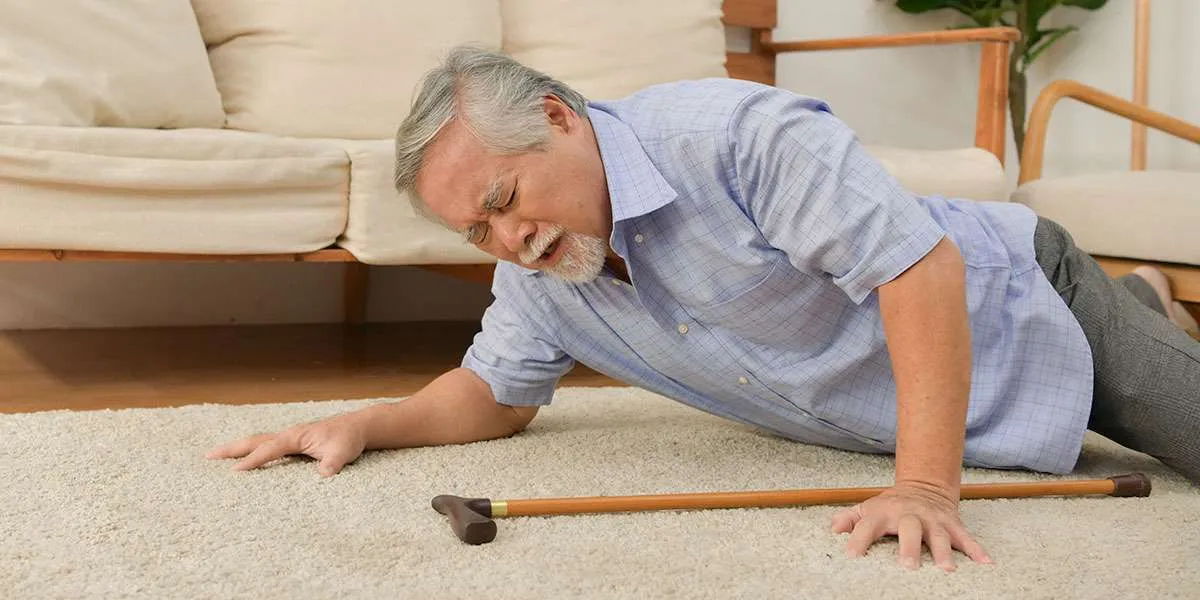
Living alone can be a rewarding experience for many older adults. It offers independence, privacy, and the freedom to maintain personal routines. Across the United States, millions of seniors over the age of 50 live independently in their own homes. While this lifestyle brings comfort and familiarity, it also comes with certain safety challenges.
As people age, everyday activities such as walking on stairs, reaching high shelves, or cooking meals can become slightly more risky. Falls, home accidents, and security concerns are among the most common issues faced by seniors living alone. However, with the right precautions, most of these risks can be reduced significantly.
Home safety for seniors is not about limiting independence. Instead, it is about creating an environment that supports safe living while allowing older adults to enjoy their daily life confidently.
In this comprehensive guide, we will explore practical home safety tips for seniors living alone. These tips are simple, effective, and designed specifically for adults aged 50 and above. From preventing falls to improving home security, each strategy can help make daily life safer and more comfortable.
Why Home Safety Is Important for Seniors
Many people underestimate how quickly small household hazards can turn into serious problems. According to health reports in the United States, falls are one of the leading causes of injury among adults over 65. But accidents do not only involve falls. Fires, medication mistakes, and home security risks can also affect seniors who live alone.
The good news is that most accidents are preventable.
Making small changes at home can dramatically reduce risks. For example:
- Installing grab bars in bathrooms
- Improving home lighting
- Removing loose rugs
- Using smart home safety devices
These improvements allow seniors to continue living independently while minimizing the chance of injury.
Fall Prevention: The Most Important Home Safety Tip
Why Falls Are a Serious Risk
Falls are the number one safety concern for seniors living alone. Even a minor fall can lead to broken bones, hospital visits, or long recovery periods.
Many falls happen because of simple hazards such as slippery floors, poor lighting, or cluttered walkways.
Preventing falls should be the first priority when improving home safety.
Practical Ways to Prevent Falls at Home
Here are some effective fall prevention tips seniors can implement immediately.
Remove Tripping Hazards
Look around the home and remove items that may cause someone to trip.
Common hazards include:
- Loose rugs
- Electrical cords
- Clutter on the floor
- Uneven flooring
Keeping walking paths clear makes the home safer.
Improve Home Lighting
Poor lighting makes it harder to see obstacles.
Important lighting upgrades include:
- Bright hallway lights
- Motion sensor lights in bathrooms
- Night lights in bedrooms
- Well-lit stairways
Good lighting helps seniors move safely during the day and night.
Install Grab Bars and Handrails
Bathrooms are one of the most dangerous areas in the home for seniors.
Helpful safety additions include:
- Grab bars near toilets
- Grab bars inside showers
- Non-slip bath mats
- Handrails on both sides of staircases
These simple installations provide stability and reduce fall risks.
Kitchen Safety Tips for Seniors Living Alone
The kitchen is another area where accidents can happen easily. Burns, cuts, and fires are common risks.
Fortunately, most kitchen accidents can be prevented with better organization and awareness.
Keep Frequently Used Items Within Reach
Reaching high cabinets can be dangerous.
To stay safe:
- Store daily items on lower shelves
- Avoid using unstable stools
- Keep heavy cookware in easy-to-reach cabinets
This reduces the chance of losing balance while reaching.
Use Safer Cooking Appliances
Modern kitchen technology can help seniors cook more safely.
Consider using:
- Automatic shut-off kettles
- Electric induction cooktops
- Slow cookers
- Air fryers with timers
These appliances reduce fire risks and make cooking easier.
Avoid Loose Clothing While Cooking
Loose sleeves can accidentally catch fire near gas burners.
When cooking:
- Wear fitted clothing
- Tie back long sleeves
- Keep flammable items away from the stove
These small habits improve kitchen safety significantly.
Bathroom Safety for Seniors
Bathrooms are responsible for many senior injuries because of slippery surfaces and limited space.
Making bathroom modifications can drastically improve safety.
Install Non-Slip Surfaces
Water on tile floors can quickly become dangerous.
Safety solutions include:
- Non-slip bath mats
- Textured shower floors
- Non-slip adhesive strips
These additions provide better grip while walking.
Use Shower Chairs
Standing in the shower can sometimes lead to dizziness or fatigue.
Shower chairs allow seniors to:
- Sit comfortably while bathing
- Maintain balance
- Reduce fall risk
This simple device can make bathing much safer.
Adjust Water Temperature
Hot water burns can occur quickly.
Setting the water heater to around 120°F (49°C) prevents accidental scalding.
This temperature is considered safe for seniors.
Bedroom Safety Tips for Seniors
The bedroom should be a safe and comfortable place for rest.
However, many nighttime accidents happen when seniors wake up to use the bathroom.
Use Night Lights
Night lights help seniors see clearly during the night.
Place them in:
- Hallways
- Bathrooms
- Bedrooms
- Staircases
Motion sensor lights are especially useful.
Keep Emergency Items Nearby
Every senior living alone should keep important items within reach of the bed.
These include:
- A phone
- Emergency contact numbers
- A flashlight
- Medical alert device
These items provide peace of mind during emergencies.
Home Security Tips for Seniors Living Alone
Safety is not only about preventing accidents. Personal security is equally important.
Older adults can sometimes be targets for scams or home break-ins.
Improving home security can make seniors feel safer and more confident.
Install a Home Security System
Modern home security systems are easier to use than ever.
They may include:
- Door sensors
- Window alarms
- Motion detectors
- Video doorbells
These systems help monitor the home and alert authorities if needed.
Use Smart Doorbells
Video doorbells allow seniors to see who is at the door before opening it.
This is especially useful for avoiding scams or unknown visitors.
Never Open the Door to Strangers
Scammers sometimes pretend to be service workers.
Seniors should remember:
- Ask for identification
- Do not feel pressured to open the door
- Contact the company to verify visits
This simple rule prevents many scams.
Fire Safety Tips for Seniors
Fire safety is another essential part of home safety for seniors.
Cooking accidents and electrical problems are common causes of home fires.
Install Smoke Detectors
Smoke detectors should be placed in:
- Bedrooms
- Hallways
- Kitchens
Test them monthly and replace batteries regularly.
Keep Fire Extinguishers Accessible
Every home should have at least one fire extinguisher in the kitchen.
Make sure it is easy to reach and seniors know how to use it.
Avoid Overloading Electrical Outlets
Too many plugged devices can cause electrical fires.
To stay safe:
- Avoid using multiple power strips
- Unplug unused appliances
- Check cords for damage
Medication Safety for Seniors Living Alone
Many seniors take daily medications.
Without proper organization, it is easy to forget doses or accidentally take too much.
Use Pill Organizers
Weekly pill organizers help seniors manage medications easily.
They allow users to see whether they have taken their medicine for the day.
Set Medication Reminders
Technology can help seniors remember medications.
Options include:
- Phone alarms
- Medication reminder apps
- Smart pill dispensers
These tools help maintain healthy routines.
Technology That Improves Home Safety
Modern technology offers many tools designed specifically for senior safety.
Medical Alert Systems
Medical alert systems allow seniors to call for help with the press of a button.
Some devices include fall detection.
These systems can notify family members or emergency services immediately.
Smart Home Assistants
Voice assistants can help seniors with daily tasks.
They can:
- Set reminders
- Control lights
- Call family members
- Provide weather updates
These tools make independent living easier.
Staying Connected With Family and Neighbors
Social connection is another important part of safety.
Seniors living alone should maintain regular communication with trusted people.
Create a Daily Check-In Routine
Family members can check in through:
- Phone calls
- Video calls
- Messaging apps
Even a quick daily conversation can ensure everything is okay.
Build a Supportive Neighborhood Network
Neighbors can be valuable allies.
Seniors can:
- Share emergency contacts
- Ask neighbors to collect mail when traveling
- Request occasional check-ins
Community connections improve safety and comfort.
Common Home Safety Mistakes Seniors Make
Even with good intentions, some mistakes can create safety risks.
Here are a few common ones.
Ignoring Small Home Repairs
Loose railings, broken steps, or leaking pipes should be fixed immediately.
Small problems can quickly become dangerous.
Keeping Clutter
Clutter increases the chance of trips and falls.
Keeping the home organized helps maintain safe pathways.
Not Asking for Help
Some seniors hesitate to ask family members for help with home improvements.
However, assistance can prevent serious accidents.
Independence does not mean doing everything alone.
Expert Tips for Making Homes Safer for Seniors
Home safety experts often recommend a proactive approach.
Here are several professional recommendations.
Schedule Annual Home Safety Checks
Family members can inspect the home for potential hazards once a year.
This helps identify risks early.
Consider Aging-In-Place Modifications
Many seniors prefer to stay in their homes long term.
Aging-in-place upgrades include:
- Walk-in showers
- Stair lifts
- Wider doorways
- Smart lighting systems
These improvements allow seniors to remain independent longer.
Take Advantage of Local Senior Programs
Many communities in the United States offer safety resources for older adults.
These may include:
- Free home safety inspections
- Fall prevention programs
- Senior wellness workshops
Local community centers often provide these services.
Conclusion
Living alone does not have to mean living at risk. With thoughtful planning and simple home improvements, seniors can maintain their independence while staying safe and secure.
From preventing falls to improving home security, the strategies discussed in this guide provide practical ways to protect health and well-being. Small changes like better lighting, grab bars, organized medications, and smart technology can make a significant difference.
Home safety is not about restricting freedom. It is about empowering seniors to enjoy their homes confidently and comfortably.
By taking proactive steps today, older adults can create a safer living environment that supports independence for many years to come.
Frequently Asked Questions (FAQs)
1. What are the most important home safety tips for seniors living alone?
The most important safety tips include preventing falls, improving lighting, installing grab bars in bathrooms, and keeping walking paths clear of clutter. Seniors should also install smoke detectors and consider medical alert systems. Maintaining regular communication with family or neighbors adds another layer of safety. These steps reduce common risks such as falls, fires, and delayed emergency responses. By addressing these areas, seniors living alone can maintain independence while significantly improving their safety at home.
2. How can seniors prevent falls at home?
Fall prevention starts with removing tripping hazards such as loose rugs, electrical cords, and cluttered walkways. Installing grab bars in bathrooms and handrails on staircases provides additional support. Good lighting throughout the home helps seniors see obstacles clearly. Wearing supportive shoes indoors can also improve stability. Regular exercise to maintain balance and strength may further reduce fall risk. Making these adjustments creates a safer environment and lowers the chance of serious injury.
3. What safety devices are helpful for seniors living alone?
Several devices can improve safety for seniors. Medical alert systems allow users to call for help instantly during emergencies. Motion sensor lights improve visibility at night. Smart doorbells help identify visitors before opening the door. Smoke detectors and carbon monoxide alarms protect against fires and gas leaks. Smart pill dispensers help manage medication schedules. These technologies provide added protection while allowing seniors to live independently.
4. How can seniors make their bathrooms safer?
Bathrooms can be safer with simple modifications. Installing grab bars near the toilet and inside the shower provides stability. Non-slip mats reduce the risk of slipping on wet surfaces. Shower chairs allow seniors to sit comfortably while bathing. Good lighting also helps prevent accidents. Setting the water heater to a safe temperature can prevent burns. These changes make the bathroom one of the safest rooms in the home.
5. Why is lighting important for senior home safety?
Good lighting helps seniors see potential hazards clearly. Poor lighting increases the risk of tripping or falling, especially at night. Installing bright lights in hallways, staircases, and entryways improves visibility. Night lights in bedrooms and bathrooms help seniors move safely during nighttime trips. Motion sensor lights are especially useful because they turn on automatically. Proper lighting creates a safer and more comfortable living environment.
6. How can seniors improve home security while living alone?
Seniors can improve home security by installing door locks, window locks, and security systems. Video doorbells allow them to see visitors before opening the door. Keeping doors locked at all times and avoiding sharing personal information with strangers also helps prevent scams. Outdoor lighting can deter burglars. Seniors should also verify identification before allowing service workers into their homes.
7. What should seniors do in case of an emergency at home?
Seniors should always keep a phone within reach to call emergency services. Medical alert devices provide quick access to help if a fall or health emergency occurs. Important contact numbers should be easily available. It is also helpful to share emergency plans with family members and neighbors. Preparing in advance ensures a faster response during emergencies.
8. How can technology help seniors stay safe at home?
Technology offers many helpful tools for seniors. Smart home assistants can set medication reminders, control lights, and place phone calls. Medical alert devices provide emergency assistance. Smart security cameras help monitor the home. Remote monitoring systems allow family members to check in if needed. These technologies support independence while improving safety.
9. What common mistakes reduce home safety for seniors?
Common mistakes include ignoring small home repairs, keeping cluttered walkways, and using unstable stools to reach high shelves. Some seniors also forget to replace batteries in smoke detectors or fail to install adequate lighting. These oversights can increase the risk of accidents. Addressing small safety issues early can prevent serious injuries later.
10. Can seniors safely live alone as they age?
Yes, many seniors can live alone safely with the right precautions. Making home modifications, using safety devices, and maintaining regular communication with family members can significantly reduce risks. Staying physically active and managing health conditions also play an important role. With thoughtful planning, seniors can maintain independence and enjoy living in their own homes for many years.
Also Read