How much protein do seniors really need after 50? Learn the right daily amount, best sources, and expert tips to stay strong, healthy, and independent.
If you are over 50, you have probably heard this advice before: “Make sure you’re getting enough protein.” But how much protein do seniors really need?
Is it the same amount you needed in your 30s? Should you eat more? Can you eat too much?
These are common questions among adults in their 50s, 60s, 70s, and beyond. In the United States, many seniors do not eat enough protein. At the same time, some worry about kidney health, weight gain, or cholesterol.
The truth is simple. Protein becomes even more important as we age.
It helps protect muscle, maintain strength, support immunity, and improve recovery after illness. If you want to stay active, independent, and energetic, protein must be part of your daily plan.
In this detailed guide, we will break down:
- How much protein seniors really need
- Why protein needs increase with age
- Best protein sources for older adults
- How to spread protein throughout the day
- Common mistakes to avoid
- Expert tips for healthy aging
Let’s start with the basics.
Why Protein Matters More After 50
As we age, our bodies naturally lose muscle. This condition is called age-related muscle loss. It can begin as early as your 40s and speeds up after 60.
Muscle loss affects:
- Strength
- Balance
- Metabolism
- Bone health
- Ability to perform daily tasks
Without enough protein, muscle loss happens faster.
Protein Supports Muscle and Strength
Protein provides amino acids. These are the building blocks of muscle. When you eat protein, your body uses it to repair and build muscle tissue.
After 50, your body becomes less efficient at using protein. This means you need slightly more protein than younger adults to get the same benefits.
Protein Helps Prevent Falls
Weak muscles increase fall risk. Falls are one of the leading causes of injury among older adults in the U.S.
Stronger leg and core muscles improve:
- Balance
- Walking stability
- Confidence
Protein, combined with light strength training, helps protect independence.
Protein Supports Immune Health
As we age, the immune system weakens. Protein helps create antibodies and immune cells that fight infection.
Seniors recovering from surgery, illness, or hospital stays need even more protein to heal properly.
So, How Much Protein Do Seniors Really Need?
This is the key question.
The general recommendation for adults is:
0.8 grams of protein per kilogram of body weight per day.
But for seniors, experts often recommend more.
Updated Protein Recommendations for Seniors
Many nutrition experts suggest:
1.0 to 1.2 grams of protein per kilogram of body weight daily for healthy older adults.
For seniors who are:
- Physically active
- Recovering from illness
- Managing chronic disease
- Trying to prevent muscle loss
The need may increase to:
1.2 to 1.5 grams per kilogram per day
Simple Example (Easy Math)
Let’s say you weigh 170 pounds.
First, convert pounds to kilograms:
170 ÷ 2.2 = about 77 kg
Now multiply:
- 77 × 1.0 = 77 grams per day
- 77 × 1.2 = 92 grams per day
So a 170-pound senior may need 77 to 92 grams of protein daily.
This is higher than what many seniors currently eat.
How Much Protein Do Seniors Really Need Per Meal?
Here is something many people do wrong.
They eat very little protein at breakfast and lunch, then a large portion at dinner.
Your body cannot store protein like it stores fat. It uses protein best when spread evenly throughout the day.
Ideal Target Per Meal
Experts suggest:
25 to 35 grams of protein per meal
This supports muscle repair and growth throughout the day.
Example Daily Breakdown (90 grams target)
- Breakfast: 30 grams
- Lunch: 30 grams
- Dinner: 30 grams
This is much better than:
- Breakfast: 8 grams
- Lunch: 12 grams
- Dinner: 70 grams
Spreading protein helps maximize muscle support.
Signs You May Not Be Getting Enough Protein
Many seniors do not realize they are protein deficient.
Here are warning signs:
- Feeling weak or tired
- Losing muscle tone
- Slow healing after cuts or surgery
- Frequent infections
- Hair thinning
- Brittle nails
If you notice these signs, review your daily protein intake.
Best Protein Sources for Seniors
Now let’s talk about quality.
Not all protein is equal.
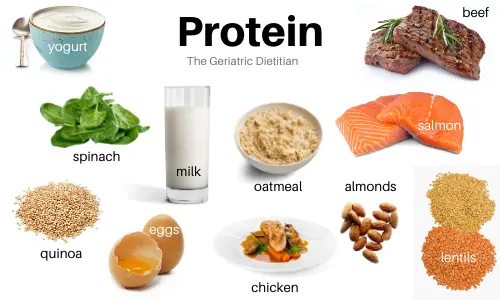
Animal-Based Protein (Complete Protein)
These contain all essential amino acids:
- Eggs
- Chicken breast
- Turkey
- Fish (salmon, tuna, cod)
- Lean beef
- Greek yogurt
- Cottage cheese
- Milk
These are highly absorbable and excellent for muscle health.
Plant-Based Protein Options
Plant proteins are healthy but sometimes incomplete. Combining sources helps.
Good choices include:
- Lentils
- Black beans
- Chickpeas
- Tofu
- Tempeh
- Edamame
- Quinoa
- Nuts and seeds
For vegetarian seniors, variety is important.
Easy High-Protein Meal Ideas
Breakfast:
- Greek yogurt with berries and nuts
- Eggs with whole grain toast
- Protein smoothie with milk and peanut butter
Lunch:
- Turkey sandwich on whole grain bread
- Lentil soup with side salad
- Tuna salad with olive oil
Dinner:
- Grilled salmon with vegetables
- Chicken stir-fry
- Tofu and vegetable bowl
Protein and Weight Management After 50
Many seniors worry about weight gain.
Here is good news.
Protein actually helps control weight.
How Protein Supports Healthy Weight
- Keeps you full longer
- Reduces cravings
- Maintains muscle (which burns calories)
- Prevents age-related metabolism slowdown
Higher protein diets often improve body composition in older adults.
Is Too Much Protein Bad for Seniors?
This is a common fear.
What About Kidney Health?
If you have healthy kidneys, moderate higher protein intake is generally safe.
However, if you have:
- Chronic kidney disease
- Diabetes with kidney complications
You should talk to your doctor before increasing protein intake.
For healthy seniors, protein in recommended ranges is safe and beneficial.
Protein Needs for Active Seniors
If you:
- Walk daily
- Do strength training
- Play golf or tennis
- Practice yoga
- Swim
You need more protein than sedentary adults.
Exercise breaks down muscle fibers. Protein rebuilds them stronger.
A physically active 70-year-old may need similar protein levels as a younger athlete, adjusted for body weight.
Protein and Bone Health
Most people think calcium builds bones.
But protein also plays a key role.
Protein:
- Supports bone structure
- Improves calcium absorption
- Reduces fracture risk
Studies show seniors who consume adequate protein have stronger bones and fewer hip fractures.
Common Mistakes Seniors Make with Protein
1. Skipping Breakfast Protein
Coffee and toast are not enough.
Add eggs, yogurt, or protein-rich foods in the morning.
2. Relying Only on Carbs
Meals heavy in pasta, rice, or bread without protein accelerate muscle loss.
3. Not Eating Enough After Illness
After surgery or hospitalization, protein needs increase significantly.
4. Fear of Meat
Some seniors avoid meat completely without replacing it with plant protein alternatives.
5. Ignoring Portion Size
Three ounces of chicken contains about 21 grams of protein. Many seniors underestimate portions.
Expert Tips to Increase Protein Intake Easily
Here are practical strategies:
- Add powdered milk to oatmeal
- Use Greek yogurt instead of regular yogurt
- Snack on nuts instead of chips
- Add beans to soups and salads
- Keep hard-boiled eggs ready
- Use protein smoothies when appetite is low
If chewing is difficult:
- Choose soft protein like scrambled eggs
- Use cottage cheese
- Try blended soups with lentils
Real-Life Example
Mary, age 68, felt weaker over time. She struggled to lift grocery bags.
Her daily diet looked like this:
- Breakfast: Toast and coffee
- Lunch: Salad with little protein
- Dinner: Small chicken portion
She was only eating about 45 grams of protein daily.
After increasing her intake to 85 grams and starting light strength exercises, she reported:
- Better energy
- Improved balance
- Easier stair climbing
Small changes made a big difference.
How to Calculate Your Personal Protein Goal
Follow this step-by-step guide:
- Weigh yourself in pounds
- Divide by 2.2 to get kilograms
- Multiply by 1.0 to 1.2
That gives your daily protein target in grams.
If you are recovering from illness, talk to your doctor about higher targets.
Should Seniors Use Protein Supplements?
Whole foods are best.
But supplements can help if:
- Appetite is low
- You struggle to chew
- You are recovering from surgery
- You cannot meet needs through food
Choose:
- Whey protein
- Plant-based protein powder
- Ready-to-drink protein shakes
Look for low-sugar options.
Always consult your healthcare provider before starting supplements.
Protein Timing Matters
Muscle repair slows with age.
Eating protein within one hour after exercise improves recovery.
Also, consuming 25–30 grams before bedtime may support overnight muscle repair.
This does not mean eating a heavy meal at night. A small yogurt or protein shake works well.
Final Thoughts: How Much Protein Do Seniors Really Need?
So, how much protein do seniors really need?
For most healthy adults over 50:
- 1.0 to 1.2 grams per kilogram of body weight daily
- Spread evenly across meals
- From high-quality sources
Protein is not just for bodybuilders.
It is for:
- Staying independent
- Preventing falls
- Supporting immunity
- Maintaining energy
- Protecting bones
If you want to age strong, protein must be a priority.
Small daily improvements can create long-term strength and vitality.
Frequently Asked Questions
1. How much protein should a 70-year-old eat daily?
A healthy 70-year-old typically needs 1.0 to 1.2 grams of protein per kilogram of body weight daily. For example, if someone weighs 160 pounds (about 73 kilograms), they may need between 73 and 88 grams of protein per day. Active seniors or those recovering from illness may require even more. It is important to spread protein intake evenly across meals rather than consuming most of it at dinner.
2. Is 100 grams of protein too much for seniors?
For many seniors, 100 grams of protein is not excessive, especially if they weigh more than 180 pounds or are physically active. For example, a 190-pound adult may require around 86 to 104 grams daily. However, individuals with kidney disease should consult their doctor before increasing protein intake. For healthy older adults, 100 grams can fall within recommended ranges.
3. Can seniors build muscle after 60 with more protein?
Yes, seniors can build muscle after 60. Protein combined with resistance training supports muscle growth at any age. While muscle gain may occur more slowly than in younger adults, studies show that older adults respond well to strength exercises and adequate protein intake. Consuming 25–30 grams of protein per meal enhances muscle repair and growth.
4. What is the best protein for elderly people?
High-quality protein sources are best. These include eggs, fish, lean poultry, Greek yogurt, and dairy products. These foods contain all essential amino acids. Plant-based options like lentils, tofu, and beans are also beneficial when combined properly. Whey protein supplements may be useful for seniors with low appetite or difficulty chewing.
5. Do seniors need more protein than younger adults?
Yes. Aging muscles become less responsive to protein. This means seniors need slightly more protein per kilogram of body weight compared to younger adults. While younger adults may maintain muscle at 0.8 grams per kilogram, seniors often need 1.0 to 1.2 grams per kilogram to prevent muscle loss and maintain strength.
6. Can too little protein cause weakness in older adults?
Yes. Low protein intake contributes to muscle loss, weakness, slower walking speed, and increased fall risk. It may also delay recovery from illness or surgery. Over time, chronic low protein intake can lead to frailty. Ensuring consistent daily protein intake helps preserve independence and mobility.
7. How can seniors increase protein without eating large meals?
Seniors can increase protein by adding small high-protein snacks. Examples include Greek yogurt, nuts, cottage cheese, protein smoothies, or hard-boiled eggs. Adding beans to soups or powdered milk to oatmeal also boosts protein. Eating smaller meals more often may help those with reduced appetite.
8. Is protein powder safe for seniors?
Protein powder is generally safe for healthy seniors when used appropriately. It can help meet daily protein needs, especially for those with poor appetite or recovery needs. However, individuals with kidney problems or chronic conditions should consult a healthcare provider first. Choose products low in added sugar and artificial ingredients.
9. Should seniors eat protein before bed?
Eating a small amount of protein before bed may support overnight muscle repair. A serving of Greek yogurt, cottage cheese, or a light protein shake can be helpful. Avoid heavy meals late at night. This strategy may be especially useful for active seniors or those trying to prevent muscle loss.
10. Does higher protein help seniors lose weight?
Yes, higher protein diets can support weight loss in seniors by increasing fullness and preserving muscle mass. Maintaining muscle is important because it keeps metabolism higher. When seniors lose weight without enough protein, they may lose muscle instead of fat. A balanced diet with adequate protein helps protect lean body mass.