Discover the best exercises for men over 50 to stay strong, build muscle, improve balance, and protect heart health with this complete fitness guide.
Staying active after 50 is not about chasing six-pack abs or lifting the heaviest weight in the gym. It is about staying independent, protecting your health, and enjoying life without pain or limits.
Many men in their 50s, 60s, and beyond notice changes. Muscles shrink. Joints feel stiff. Energy dips. Belly fat creeps in. But here is the good news: your body can still grow stronger at any age.
The best exercises for men over 50 to stay strong are not extreme workouts. They are smart, safe, and consistent movements that build muscle, improve balance, and protect your heart.
If you live in the USA and want to lower your risk of heart disease, diabetes, joint problems, and falls, this guide is for you.
Let’s break it down step by step.
Why Strength Training After 50 Matters
After age 30, men lose muscle every decade. After 50, that muscle loss speeds up. This is called age-related muscle loss. If ignored, it can lead to weakness, poor balance, and injury.
But regular strength training can:
- Slow muscle loss
- Increase bone density
- Improve metabolism
- Reduce belly fat
- Lower blood pressure
- Improve blood sugar control
- Boost confidence
For many American men, medical costs increase with age. Investing time in exercise is one of the smartest health decisions you can make. It can lower long-term healthcare expenses and improve quality of life.
How Often Should Men Over 50 Exercise?
A simple weekly goal:
- Strength training: 2–3 days per week
- Cardio: 3–5 days per week
- Balance work: 2–3 days per week
- Stretching: Daily or after workouts
You do not need to work out every day. Rest and recovery are just as important.
The Best Exercises for Men Over 50 to Stay Strong
Let’s look at the most effective exercises. These focus on real-world strength — the kind that helps you carry groceries, climb stairs, and play with grandkids.
1. Squats – The King of Lower Body Strength


4
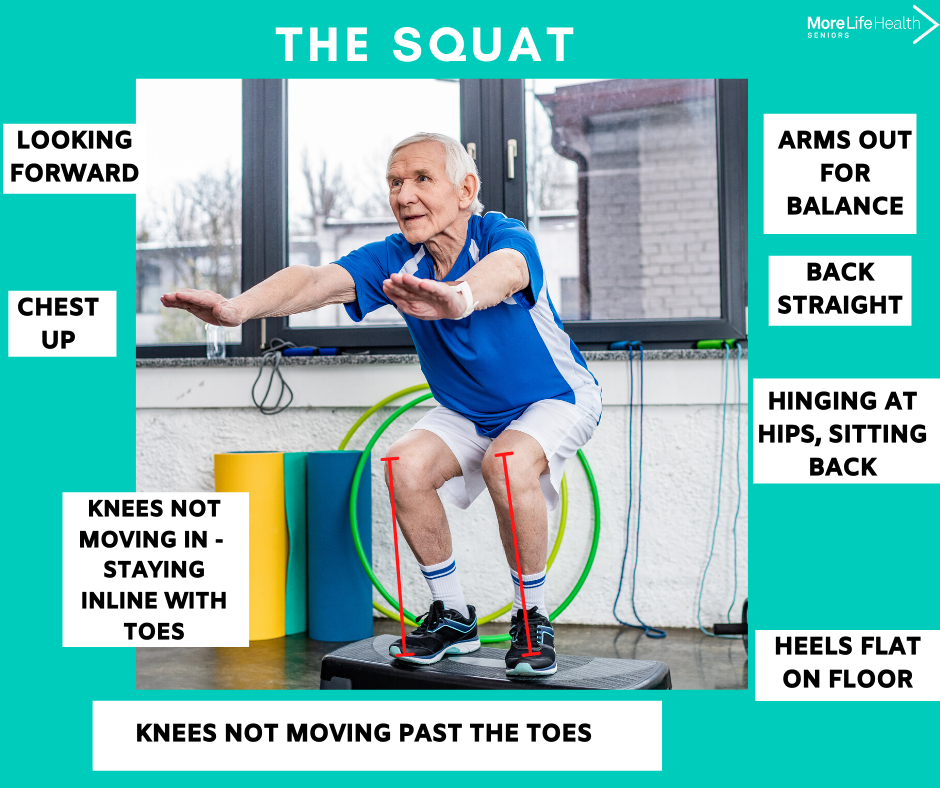
Squats train your legs, hips, and core. They help you stand up from a chair and climb stairs easily.
Why Squats Matter After 50
- Build strong thighs and glutes
- Improve balance
- Protect knees when done correctly
- Support hip health
How to Do a Safe Squat
- Stand with feet shoulder-width apart.
- Push hips back like sitting in a chair.
- Keep chest up.
- Lower slowly.
- Stand back up through your heels.
If regular squats feel hard, start with chair squats. Sit down and stand up slowly without using your hands.
Do 2–3 sets of 8–12 reps.
2. Push-Ups – Upper Body Strength Builder



4
Push-ups strengthen your chest, shoulders, and arms.
Benefits for Men Over 50
- Improve arm strength
- Support shoulder stability
- Increase core engagement
- Help with daily tasks like pushing doors or lifting items
Easier Versions
- Wall push-ups
- Knee push-ups
- Incline push-ups on a table
Start with 5–10 reps. Focus on slow, controlled movement.
3. Walking – The Most Underrated Exercise


4
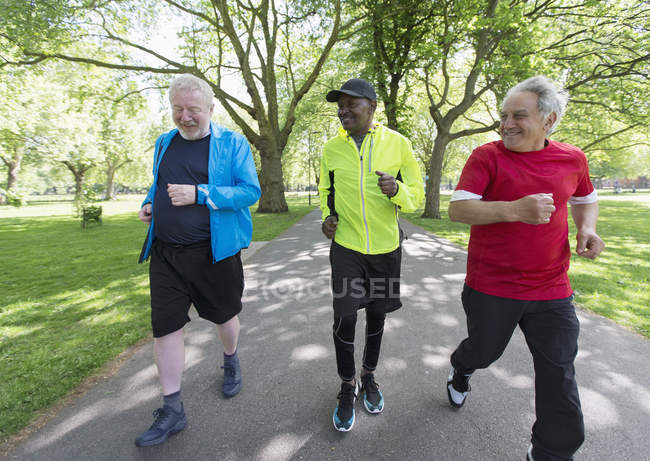
Brisk walking is one of the best exercises for men over 50 to stay strong and healthy.
Why Walking Works
- Improves heart health
- Burns fat
- Reduces stress
- Supports joint mobility
- Helps manage blood pressure
Aim for 30 minutes most days of the week.
If you cannot do 30 minutes at once, split it into 10-minute sessions.
4. Planks – Core Stability for Back Protection


4
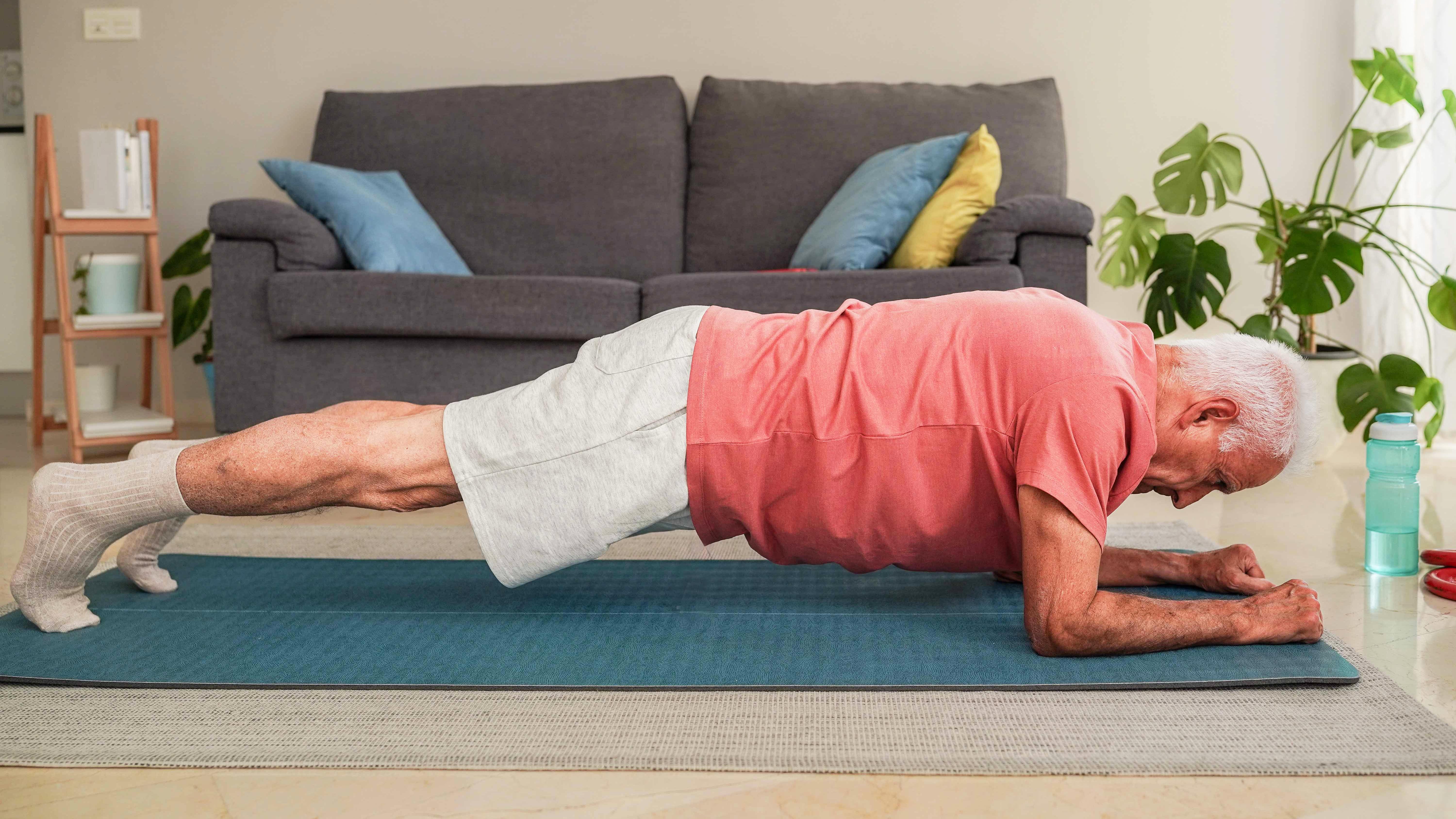
A strong core protects your lower back.
Benefits
- Reduces back pain
- Improves posture
- Enhances balance
How to Do It
- Get into a forearm position.
- Keep body straight.
- Hold 10–30 seconds.
If full planks are hard, do them on your knees.
5. Resistance Band Rows – Back Strength Without Heavy Weights


4
Resistance bands are affordable and safe.
Why Rows Are Important
Many men develop rounded shoulders from sitting. Rows fix that.
They:
- Strengthen upper back
- Improve posture
- Reduce shoulder pain
Do 2–3 sets of 10–15 reps.
6. Deadlifts (Lightweight Version)



Deadlifts train the entire backside of your body.
Benefits
- Strengthen hips and lower back
- Improve lifting mechanics
- Prevent injury during daily tasks
Start with light dumbbells. Keep back straight.
7. Step-Ups – Real-Life Strength


4
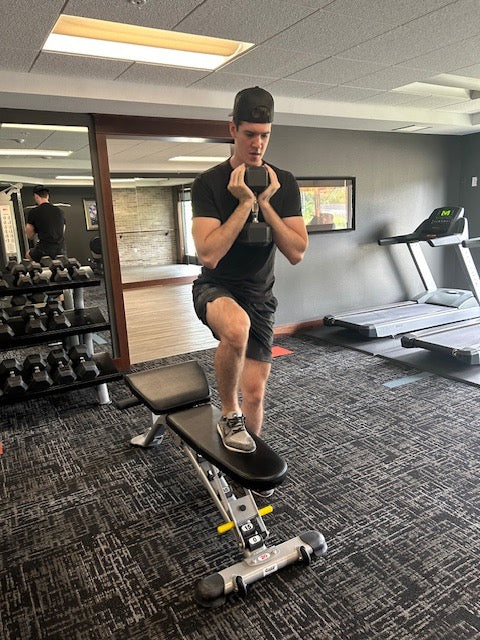
Step-ups mimic climbing stairs.
They improve:
- Leg strength
- Balance
- Hip stability
Use a low step at first.
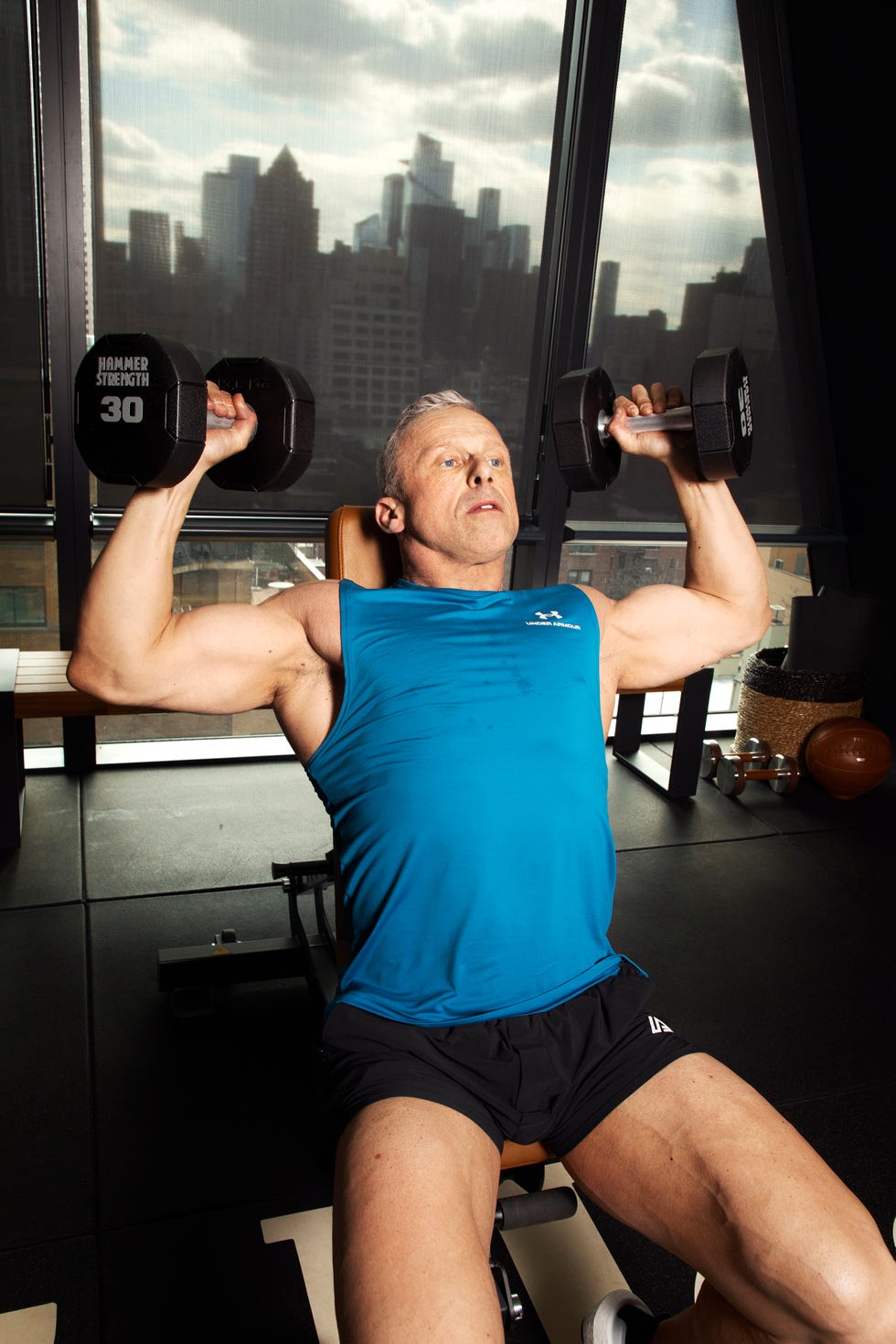
8. Shoulder Press – Maintain Arm Power


4
Strong shoulders help you lift objects safely.
Use light weights and controlled motion.
9. Balance Exercises – Fall Prevention



4
Falls are a serious risk after 60.
Simple balance drills:
- Stand on one leg
- Heel-to-toe walking
- Tai chi movements
Practice near a wall for safety.
Sample Weekly Workout Plan for Men Over 50
Monday – Strength (Upper Body)
- Push-ups
- Resistance band rows
- Shoulder press
- Plank
Tuesday – Cardio
- 30-minute brisk walk
Wednesday – Strength (Lower Body)
- Squats
- Step-ups
- Deadlifts
Thursday – Light Cardio + Stretching
Friday – Full Body Strength
Weekend – Active Rest
- Gardening
- Light hiking
- Playing with grandkids
Common Mistakes Men Over 50 Make
- Lifting too heavy too soon
- Skipping warm-ups
- Ignoring pain signals
- Not resting enough
- Doing only cardio and no strength work
Expert Tips for Staying Strong After 50
- Warm up for 5–10 minutes
- Focus on form, not ego
- Eat enough protein
- Stay hydrated
- Get 7–8 hours of sleep
- Be consistent, not extreme
Many physical therapists recommend slow, controlled movements over fast repetitions.
Real-Life Example
John, 62, from Texas, struggled with knee pain and fatigue. He started with chair squats and daily walking.
After 6 months:
- Lost 15 pounds
- Reduced blood pressure
- Felt stronger climbing stairs
He did not join an expensive gym. He just stayed consistent.
Nutrition Tips to Support Strength
To build muscle after 50:
- Eat lean protein (chicken, fish, beans)
- Include healthy fats
- Drink enough water
- Limit processed sugar
Protein is especially important. Many older adults do not eat enough.
When to Talk to a Doctor
Consult your healthcare provider if you:
- Have heart disease
- Experience chest pain
- Have severe joint pain
- Have uncontrolled high blood pressure
Safety comes first.
Conclusion
The best exercises for men over 50 to stay strong are simple, practical, and sustainable.
You do not need fancy equipment. You need consistency.
Strength training protects your independence. Walking protects your heart. Balance training protects your future.
It is never too late to start.
Your 50s, 60s, and 70s can be strong years — if you move your body.
Start small. Stay steady. Stay strong.
Frequently Asked Questions
1. What is the best exercise routine for men over 50 to build muscle safely?
The best routine combines strength training two to three times per week with walking or light cardio on other days. Focus on compound movements like squats, push-ups, rows, and light deadlifts. Use moderate weights and proper form. Rest at least one day between strength sessions. Start slowly and increase intensity gradually. Consistency matters more than heavy lifting.
2. Can men over 50 still gain muscle mass?
Yes, men over 50 can build muscle. While muscle growth may be slower than in younger years, strength training stimulates muscle fibers at any age. Eating enough protein and resting properly supports recovery. Many studies show men in their 60s and 70s can increase strength significantly with regular resistance training.
3. How often should a 55-year-old man lift weights?
Two to three sessions per week are ideal. This gives muscles time to recover. Each session should include full-body movements. Avoid training the same muscle group intensely on back-to-back days. Recovery becomes more important with age.
4. Are bodyweight exercises effective after 50?
Yes. Bodyweight exercises like squats, push-ups, and planks build strength without stressing joints excessively. They are safe and convenient. As strength improves, resistance bands or light dumbbells can be added for progression.
5. What exercises should men over 50 avoid?
Avoid high-impact activities if you have joint problems. Heavy lifting with poor form increases injury risk. Deep squats with knee pain, explosive jumps, or fast twisting motions may not be ideal for beginners. Modify movements to fit your ability.
6. Is walking enough exercise for men over 50?
Walking is excellent for heart health and weight control. However, walking alone does not prevent muscle loss. Combine walking with strength training to stay strong and maintain bone density.
7. How long does it take to see results after starting exercise at 50?
Many men notice improved energy within 2–4 weeks. Strength gains often appear after 4–8 weeks. Visible muscle tone may take 2–3 months. Results depend on consistency, diet, and sleep.
8. Can strength training reduce belly fat after 50?
Strength training increases muscle, which boosts metabolism. Combined with a balanced diet and walking, it helps reduce belly fat. Spot reduction is not possible, but overall fat loss improves waist size.
9. Should men over 50 stretch before or after workouts?
Light dynamic stretching before exercise warms up muscles. Static stretching works best after workouts when muscles are warm. Regular stretching improves flexibility and reduces stiffness.
10. What is the safest way for beginners over 50 to start exercising?
Start with walking and basic bodyweight movements. Use light resistance bands. Focus on proper form. Increase intensity slowly. If you have medical conditions, consult your doctor first. Patience prevents injury.