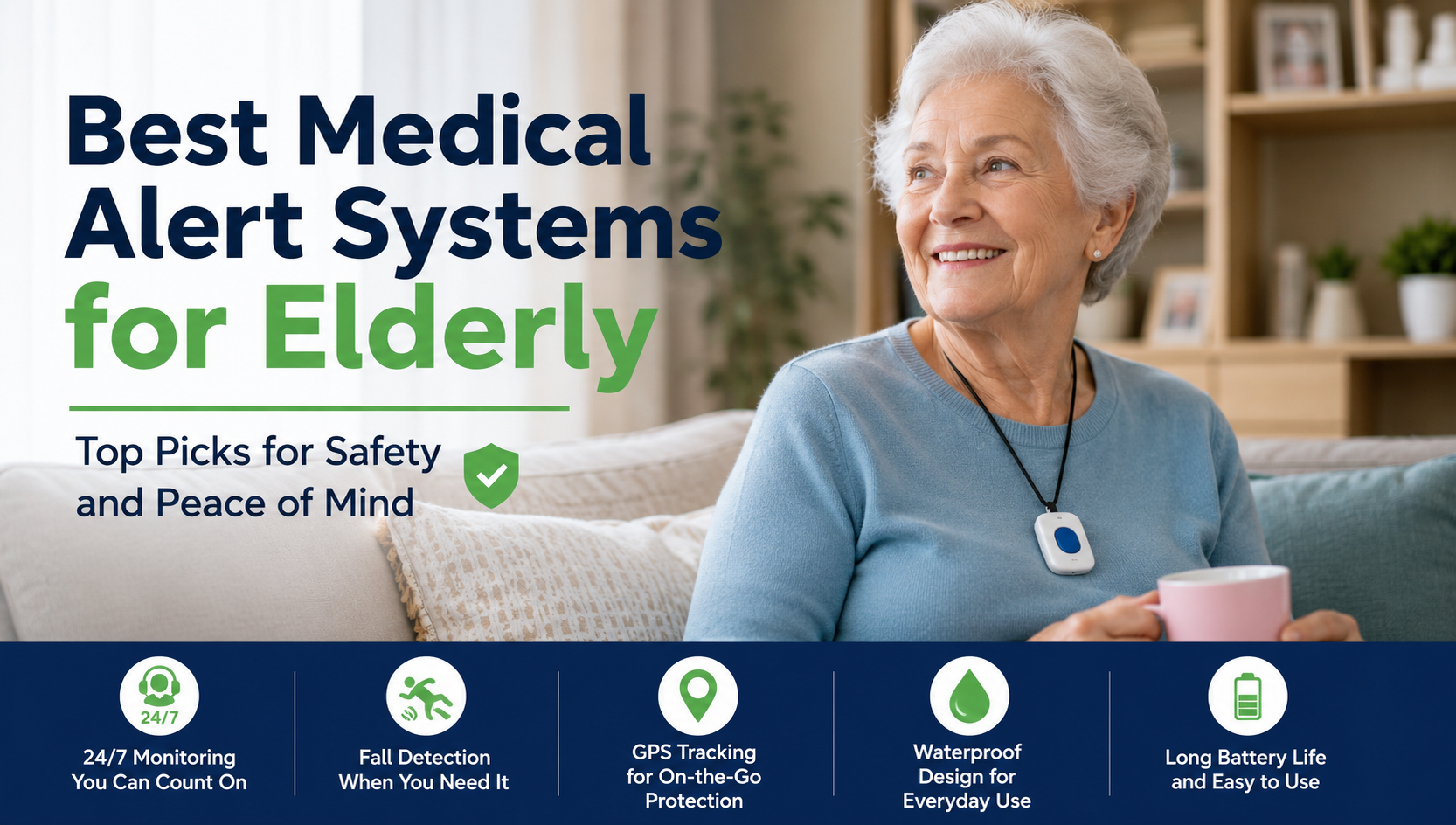
As more seniors choose to live independently, families are looking for reliable ways to stay connected and safe. That’s why the demand for the best medical alert systems for elderly adults has grown rapidly across the United States.
A medical alert system can provide quick access to help during emergencies like falls, dizziness, chest pain, or sudden illness. For many families, it offers something equally valuable: peace of mind.
Whether you are shopping for yourself, a parent, or an aging loved one, this guide explains how medical alert systems work, what features matter most, and which systems stand out in 2026.
Why Medical Alert Systems Matter for Seniors
Growing older often brings mobility challenges, balance issues, slower reaction time, and medical conditions that increase the risk of emergencies.
According to the Centers for Disease Control and Prevention (CDC), millions of older adults experience falls every year in the United States. Falls are one of the leading causes of injury among seniors.
For older adults living alone, even a small accident can become dangerous if help is delayed.
That is where the best medical alert systems for elderly users become important. These devices allow seniors to contact emergency responders, caregivers, or family members with the press of a button.
Many modern systems now include:
- Automatic fall detection
- GPS tracking
- Mobile apps for caregivers
- Two-way communication
- Waterproof emergency buttons
- 24/7 monitoring centers
For adult children caring for aging parents, these features can reduce stress and improve confidence in daily safety.
How Do Medical Alert Systems Work?
Most medical alert systems are simple to use.
A senior wears a small pendant, wristband, or smartwatch-style device. If an emergency happens, they press the help button to contact a monitoring center.
The monitoring agent can:
- Speak directly through the device
- Contact family members
- Call neighbors or caregivers
- Dispatch emergency medical services if needed
Some advanced systems also detect falls automatically, even if the user cannot press the button.
In-Home Medical Alert Systems
These systems work best for seniors who spend most of their time at home.
Features usually include:
- Base station connected to cellular or landline service
- Wearable emergency button
- Home coverage range
- Lower monthly costs
Mobile Medical Alert Systems
Mobile systems use GPS and cellular networks, allowing seniors to get help outside the home.
These are ideal for active older adults who:
- Walk regularly
- Drive independently
- Travel
- Shop alone
- Exercise outdoors
Best Medical Alert Systems for Elderly in 2026
Below are some of the most trusted and highly rated options available in the United States.
1. Medical Guardian
Best Overall Medical Alert System


6
Medical Guardian remains one of the most popular choices for seniors because it combines reliability, excellent customer support, and modern technology.
Key Features
- 24/7 professional monitoring
- GPS location tracking
- Optional fall detection
- Mobile and in-home systems
- Smartwatch options available
- Fast response times
Pros
- Easy setup
- Strong nationwide coverage
- Good caregiver tools
- Stylish wearable options
Cons
- Fall detection costs extra
- Some devices are expensive upfront
This is one of the best medical alert systems for elderly people living alone because of its dependable emergency response service.
2. Bay Alarm Medical
Best Budget-Friendly Option


6
Bay Alarm Medical offers affordable pricing without sacrificing important safety features.
Key Features
- Affordable monthly plans
- GPS mobile devices
- Optional caregiver tracking app
- Fall detection available
- Lightweight wearable buttons
Pros
- Budget-friendly
- Good customer reviews
- Simple equipment
- Easy for seniors to learn
Cons
- Fewer advanced smartwatch features
- Mobile battery may require frequent charging
Families looking for affordable medical alert systems for seniors often choose this company because of its low monthly cost.
3. Life Alert
Best Known Brand


7
Life Alert is one of the oldest and most recognized names in the industry.
Many Americans remember its famous commercials about getting help after a fall.
Key Features
- Long history in the industry
- Home emergency coverage
- Waterproof emergency buttons
- 24/7 monitoring
Pros
- Trusted reputation
- Reliable emergency response
- Strong customer recognition
Cons
- Expensive contracts
- Limited modern features
- Less flexible pricing
Although newer companies offer more technology, many seniors still feel comfortable choosing a familiar brand.
4. MobileHelp
Best for Active Seniors


8
MobileHelp works well for seniors who spend time outside the house.
Key Features
- GPS location tracking
- Cellular coverage
- Mobile app for caregivers
- Optional smartwatch devices
- Automatic fall detection
Pros
- Excellent for travel
- No landline required
- Wide coverage area
Cons
- Mobile devices need charging
- Monthly pricing can increase with add-ons
This is one of the best GPS medical alert systems for elderly adults who maintain an active lifestyle.
5. ADT Health
Best for Home Protection Integration


7
ADT is widely known for home security systems, and its medical alert services are designed with home safety in mind.
Key Features
- Strong monitoring network
- Optional fall detection
- Home and mobile plans
- GPS support
- Waterproof wearables
Pros
- Trusted security company
- Reliable monitoring
- Good customer support
Cons
- Higher monthly pricing
- Equipment upgrades may cost extra
Medical Alert System Comparison Table
| Company | Best For | Fall Detection | GPS Tracking | Starting Price |
|---|---|---|---|---|
| Medical Guardian | Overall reliability | Yes | Yes | Moderate |
| Bay Alarm Medical | Budget shoppers | Yes | Yes | Affordable |
| Life Alert | Traditional users | Limited | Limited | Expensive |
| MobileHelp | Active seniors | Yes | Yes | Moderate |
| ADT Health | Home safety integration | Yes | Yes | Moderate to high |
What Features Should Seniors Look For?
Choosing the best medical alert systems for elderly adults depends on personal needs and lifestyle.
Here are the most important features to consider.
1. Automatic Fall Detection
Falls are one of the biggest reasons families purchase medical alert systems.
Automatic fall detection uses sensors to detect sudden movement and contact emergency services even if the senior cannot press the button.
This feature can be especially important for seniors with:
- Balance issues
- Parkinson’s disease
- Arthritis
- Stroke history
- Mobility limitations
2. GPS Tracking
GPS tracking helps emergency responders locate the user quickly.
This feature is especially helpful for seniors with:
- Dementia
- Alzheimer’s disease
- Memory problems
- Wandering behavior
3. Waterproof Design
Many falls happen in the bathroom or shower.
Waterproof devices allow seniors to wear their emergency buttons safely while bathing.
4. Long Battery Life
Battery life matters more than many people realize.
Some mobile systems require charging every day, while others last several days between charges.
A longer battery life reduces the risk of the device being unavailable during an emergency.
5. Easy-to-Use Buttons
Complicated devices can frustrate older adults.
The best systems use:
- Large buttons
- Clear speakers
- Loud audio
- Simple instructions
Are Medical Alert Systems Worth the Money?
For many families, the answer is yes.
A medical alert system may help reduce emergency response times during serious situations.
The monthly cost often ranges between $20 and $60 depending on features.
While that may seem expensive at first, many families view it as an investment in:
- Safety
- Independence
- Faster emergency assistance
- Caregiver peace of mind
Compared to the cost of hospital visits or assisted living facilities, many seniors find these systems affordable.
Best Medical Alert Systems for Different Needs
Best Medical Alert System for Seniors Living Alone
Medical Guardian is one of the strongest options because of its fast monitoring response and reliable equipment.
Best Cheap Medical Alert System for Elderly Adults
Bay Alarm Medical offers affordable pricing and solid emergency support.
Best Medical Alert System With GPS
MobileHelp performs well for seniors who travel or leave home often.
Best Traditional Medical Alert Company
Life Alert remains popular among older adults who prefer familiar brands.
Practical Tips Before Buying a Medical Alert System
Test the Device Regularly
Families should test the system monthly to ensure everything works properly.
Compare Monitoring Contracts
Some companies require long-term contracts while others allow monthly billing.
Read the agreement carefully before signing.
Ask About Hidden Fees
Potential extra costs may include:
- Equipment fees
- Activation charges
- Shipping costs
- Fall detection add-ons
Check Cellular Coverage
Poor cellular coverage can affect mobile system reliability in rural areas.
Include the Senior in the Decision
Many seniors resist technology that feels confusing or uncomfortable.
Allowing them to test devices and choose preferred styles can improve long-term use.
Common Mistakes to Avoid
Choosing Based Only on Price
The cheapest option is not always the safest option.
Monitoring quality matters just as much as cost.
Ignoring Fall Detection
Some families skip fall detection to save money.
However, automatic fall detection can be extremely valuable for high-risk seniors.
Buying a Device That Is Too Complicated
If the senior cannot use the system confidently, it may not help during emergencies.
Simple designs are often best.
Forgetting About Battery Maintenance
Mobile systems need regular charging.
Families should create reminders if the user tends to forget.
Who Should Be Careful When Choosing a Medical Alert System?
Not every system works for every senior.
Certain users may need extra attention when selecting a device.
Seniors With Hearing Loss
Look for systems with:
- Loud speakers
- Adjustable volume
- Visual alerts
Seniors With Dementia
GPS tracking and caregiver apps can be extremely important for users with memory issues.
Seniors in Rural Areas
Check cellular network coverage before purchasing a mobile device.
Seniors With Arthritis
Small buttons may be difficult to press.
Choose wearables with larger controls and lightweight designs.
Scientific and Practical Explanation Behind Medical Alert Systems
Medical alert systems combine several technologies to improve emergency response.
These include:
- Cellular communication
- GPS satellites
- Motion sensors
- Two-way voice systems
- Wireless transmitters
Fall detection works by analyzing movement patterns and sudden impact changes. While no system guarantees perfect detection, many devices can recognize common fall motions.
According to National Institute on Aging, quick medical attention after a fall may help reduce complications in older adults.
That is why wearable emergency technology has become increasingly common among aging Americans.
Frequently Asked Questions About the Best Medical Alert Systems for Elderly
What is the best medical alert system for elderly adults?
Many experts consider Medical Guardian one of the best all-around options because of its reliability, GPS features, and strong monitoring service.
Do medical alert systems work without Wi-Fi?
Yes. Most systems use cellular networks or landline connections instead of home Wi-Fi.
Is fall detection always accurate?
No system is perfect. Some falls may not trigger detection, while some sudden movements may trigger false alarms.
However, modern systems continue improving each year.
Can Medicare pay for medical alert systems?
Original Medicare usually does not cover most medical alert systems.
However, some Medicare Advantage plans may offer partial benefits or discounts.
Seniors should check directly with their insurance provider.
Are medical alert systems difficult to install?
Most modern systems are very easy to set up.
Many devices are designed for plug-and-play installation without professional help.
What is the average monthly cost?
Most systems cost between $20 and $60 per month depending on features like GPS and fall detection.
Can seniors wear medical alert devices in the shower?
Many wearable buttons are waterproof and designed for shower use.
Always confirm waterproof ratings before purchase.
Final Thoughts
Finding the best medical alert systems for elderly adults is about more than technology. It is about independence, confidence, and safety.
For seniors who live alone, these systems can provide faster emergency assistance during difficult situations. For families, they can ease the constant worry that comes with caregiving from a distance.
The right system depends on lifestyle, mobility, health conditions, and budget. Some seniors need simple home coverage, while others benefit from GPS tracking and mobile protection.
Before choosing a system:
- Compare pricing carefully
- Test ease of use
- Review contract terms
- Consider future health needs
- Prioritize reliability over flashy features
A dependable medical alert system may not prevent emergencies, but it can help seniors get assistance faster when every minute matters.
Disclaimer
This article is for informational purposes only and should not replace professional medical advice, diagnosis, or treatment. Families should consult healthcare professionals when making decisions about senior safety and medical care.
Also Read –