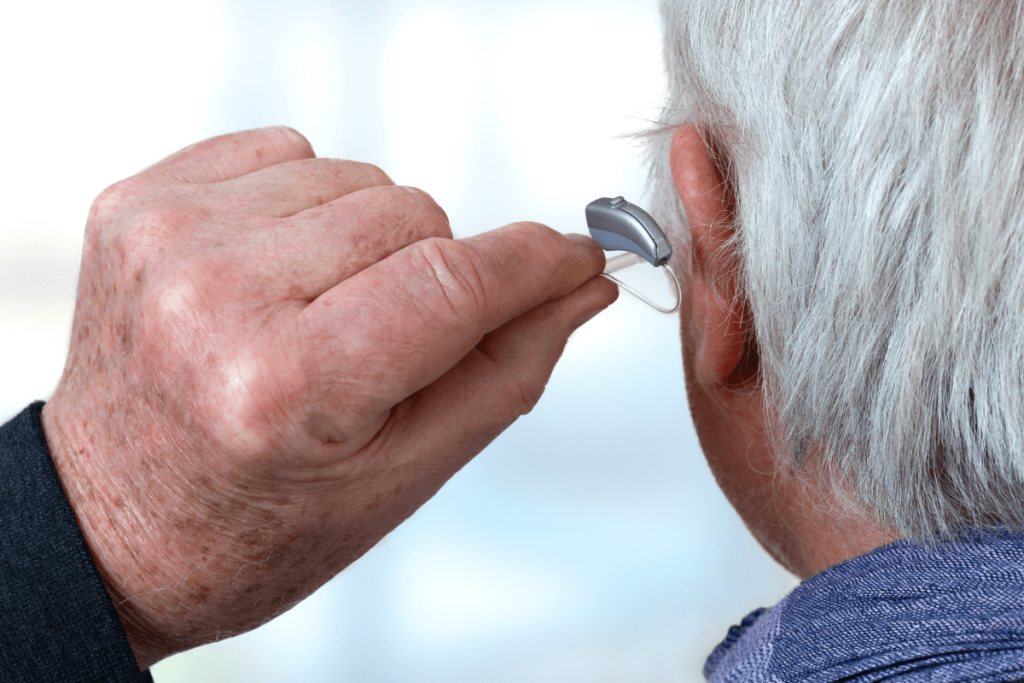
Hearing loss is one of the most common health issues among older adults in the United States. Many seniors struggle to follow conversations, hear the television clearly, or enjoy social gatherings the way they once did. The good news is that affordable hearing technology has improved a lot in recent years.
Today, cheap hearing aids for elderly people are more accessible than ever. Seniors no longer need to spend thousands of dollars just to hear better. There are now budget-friendly hearing aids with useful features like noise reduction, rechargeable batteries, Bluetooth connectivity, and easy volume controls.
For many families, finding a low-cost hearing aid can feel overwhelming. Prices vary widely, advertisements can be confusing, and some products make unrealistic promises. This guide breaks everything down in simple language so older adults and caregivers can make informed decisions.
Why Cheap Hearing Aids for Elderly People Matter
Hearing loss affects much more than the ears. It can impact relationships, confidence, mental health, and daily safety.
Many seniors begin avoiding conversations because they cannot hear clearly. Others stop attending church, community events, or family gatherings because communication becomes frustrating. Over time, this isolation can lead to loneliness and emotional stress.
Affordable hearing aids help seniors stay connected to loved ones and maintain independence. Even a simple, low-cost device can make everyday life easier.
Some important benefits include:
- Better communication with family
- Improved TV and phone listening
- Reduced social isolation
- Increased confidence in public places
- Better awareness of alarms and warnings
- Easier participation in conversations
For seniors on a fixed income, affordability matters. Many Medicare plans do not fully cover hearing aids, so finding cheap hearing aids for elderly people becomes essential.
Common Signs of Hearing Loss in Seniors
Hearing loss often happens slowly. Many older adults do not realize how much hearing they have lost until family members point it out.
Here are some common warning signs:
Frequently Asking People to Repeat Themselves
If conversations constantly sound muffled, hearing loss may be developing.
Turning Up the TV Volume
One of the most common signs is keeping the television volume much louder than others prefer.
Difficulty Hearing in Crowded Places
Restaurants and family gatherings can become difficult because background noise interferes with speech.
Trouble Hearing High-Pitched Sounds
Birds chirping, phone notifications, or women’s voices may become harder to hear.
Feeling Tired After Conversations
Straining to hear all day can be mentally exhausting.
If these symptoms continue, a hearing evaluation is recommended.
How Hearing Aids Actually Work
Many people assume hearing aids simply make everything louder. Modern devices are much smarter than that.
A hearing aid usually contains:
| Component | Purpose |
|---|---|
| Microphone | Picks up sound |
| Amplifier | Makes sound stronger |
| Speaker | Sends sound into the ear |
| Processor | Adjusts sound quality |
| Battery | Powers the device |
Modern hearing aids can reduce background noise and improve speech clarity. Some models automatically adjust based on the environment.
For example, a senior sitting in a quiet living room may need different sound settings than someone eating in a noisy restaurant.
Types of Cheap Hearing Aids for Elderly People
Understanding the different styles can help seniors choose the best option for comfort and budget.
Behind-the-Ear (BTE) Hearing Aids
These sit behind the ear and connect to a small earpiece.
Benefits
- Easier to handle
- Good battery life
- Strong amplification
- Often more affordable
Drawbacks
- Slightly more visible
BTE models are often recommended for seniors with arthritis because the controls are easier to use.
In-the-Ear (ITE) Hearing Aids
These fit inside the outer ear.
Benefits
- Smaller size
- Comfortable fit
- Easier phone use
Drawbacks
- Smaller batteries
- May be harder to clean
Completely-in-Canal (CIC) Hearing Aids
These fit deep inside the ear canal.
Benefits
- Nearly invisible
- Lightweight
Drawbacks
- Tiny controls
- Difficult for some seniors to handle
Rechargeable Hearing Aids
Rechargeable options are becoming very popular among older adults.
Benefits
- No tiny batteries to replace
- Easier daily use
- Better for seniors with limited dexterity
Drawbacks
- Slightly higher upfront cost
Still, rechargeable cheap hearing aids for elderly people often save money over time.
Best Features to Look For in Cheap Hearing Aids for Elderly People
Low-cost hearing aids can still include useful technology. Seniors should focus on value rather than flashy marketing.
Noise Reduction
This helps reduce background sounds in busy places.
Rechargeable Batteries
A great option for seniors who struggle with small batteries.
Bluetooth Connectivity
Allows users to connect hearing aids to phones or televisions.
Adjustable Volume Controls
Simple controls make everyday use easier.
Telecoil Technology
Helpful for churches, theaters, and public venues with assisted listening systems.
Comfortable Fit
Comfort matters because hearing aids are often worn for many hours daily.
Cheap Hearing Aids vs Expensive Hearing Aids
Many seniors wonder whether expensive hearing aids are truly worth the extra money.
The answer depends on individual needs.
| Cheap Hearing Aids | Expensive Hearing Aids |
|---|---|
| Lower cost | Premium pricing |
| Basic sound enhancement | Advanced sound processing |
| Simple controls | More customization |
| Good for mild hearing loss | Better for severe hearing loss |
| Fewer premium features | Advanced AI features |
For many seniors with mild to moderate hearing loss, affordable hearing aids work surprisingly well.
Paying more does not always mean dramatically better hearing.
Are Over-the-Counter Hearing Aids Worth It?
Over-the-counter (OTC) hearing aids have become increasingly popular in the United States.
These devices can be purchased without a prescription and are designed for adults with mild to moderate hearing loss.
Advantages of OTC Hearing Aids
- Lower prices
- Easier access
- No clinic appointment needed
- Convenient online shopping
Potential Downsides
- Not suitable for severe hearing loss
- Limited professional support
- Fit may not be perfect
For many seniors, OTC devices are a practical starting point.
The U.S. Food and Drug Administration provides guidance about OTC hearing aids here:
FDA Hearing Aid Information
Best Budget-Friendly Hearing Aid Brands
Several companies now focus on affordable hearing solutions for seniors.
MDHearing
Known for budget-friendly models designed specifically for older adults.
Popular Features
- Rechargeable options
- Simple controls
- Affordable pricing
Audien Hearing
A popular online brand offering inexpensive hearing devices.
Best For
- Seniors wanting very low-cost options
- Mild hearing loss
Jabra
Offers OTC hearing aids with smartphone connectivity.
Benefits
- Modern technology
- Good app support
- Clear sound quality
Lexie Hearing
Known for affordable monthly payment options.
Helpful Features
- Remote support
- Bluetooth features
- Senior-friendly setup
Eargo
Offers discreet hearing aids designed for comfort.
Good For
- Active seniors
- People wanting nearly invisible devices
How Seniors Can Save Money on Hearing Aids
Hearing aids can still be expensive, even when shopping carefully. Here are practical ways seniors can reduce costs.
Compare Online Prices
Online retailers often offer lower prices than traditional hearing clinics.
Look for Seasonal Sales
Major discounts frequently appear during:
- Black Friday
- Memorial Day
- Holiday promotions
Check Veteran Benefits
Some veterans may qualify for hearing aid assistance through the U.S. Department of Veterans Affairs.
Use Flexible Spending Accounts
Hearing aids may qualify for:
- HSA accounts
- FSA accounts
This can reduce out-of-pocket costs.
Ask About Trial Periods
Many companies offer:
- Risk-free trials
- Return policies
- Payment plans
Practical Tips for Using Hearing Aids
Buying hearing aids is only the first step. Proper use matters too.
Start Slowly
Wear hearing aids for a few hours daily at first. Gradually increase usage.
Keep Devices Clean
Earwax and dust can affect sound quality.
Store Them Safely
Keep hearing aids away from moisture and pets.
Practice Conversations
Listening with hearing aids may feel different at first. Practice helps the brain adjust.
Schedule Hearing Checkups
Hearing needs can change over time.
Foods and Lifestyle Habits That Support Hearing Health
Hearing aids help, but healthy habits also matter.
Foods That May Support Ear Health
Leafy Greens
Rich in nutrients that support circulation.
Fish
Contains omega-3 fatty acids.
Nuts and Seeds
Provide minerals linked to nerve health.
Fruits
Antioxidants may help protect cells from damage.
Healthy Lifestyle Habits
Exercise Regularly
Good circulation supports overall ear health.
Avoid Excessive Noise
Loud music and machinery can worsen hearing damage.
Manage Diabetes and Blood Pressure
Certain medical conditions may affect hearing.
Stop Smoking
Smoking has been linked to increased hearing problems.
The National Institute on Deafness and Other Communication Disorders offers useful information about hearing health:
NIDCD Hearing Loss Resource
Common Mistakes to Avoid When Buying Cheap Hearing Aids for Elderly People
Many seniors accidentally waste money because they rush into buying decisions.
Buying Without Understanding Hearing Loss Severity
A device meant for mild hearing loss may not help severe hearing problems.
Falling for Unrealistic Claims
Be cautious of ads promising “perfect hearing overnight.”
Ignoring Return Policies
Always review trial periods and refund options.
Choosing Tiny Devices That Are Hard to Handle
Small hearing aids can frustrate seniors with arthritis or vision issues.
Forgetting Ongoing Costs
Some hearing aids require:
- Replacement batteries
- Ear tips
- Maintenance supplies
Who Should Be Careful Before Buying Cheap Hearing Aids
Affordable hearing aids work well for many people, but some situations require professional medical attention.
Seniors should consult a healthcare provider if they experience:
- Sudden hearing loss
- Ear pain
- Dizziness
- Ringing in one ear only
- Ear drainage
- Severe hearing difficulty
These symptoms may indicate underlying medical conditions that require evaluation.
This article is for educational purposes only and does not replace professional medical advice.
Frequently Asked Questions About Cheap Hearing Aids for Elderly People
What is the average cost of cheap hearing aids for elderly people?
Affordable hearing aids can range from about $100 to $1,500 depending on features and technology.
Are cheap hearing aids actually effective?
Yes, many low-cost hearing aids work well for mild to moderate hearing loss. Effectiveness depends on the user’s needs and the product quality.
Does Medicare pay for hearing aids?
Original Medicare generally does not cover hearing aids, although some Medicare Advantage plans may offer partial coverage.
Can seniors buy hearing aids without a prescription?
Yes. Many OTC hearing aids are now available in the United States for adults with mild to moderate hearing loss.
Which hearing aid style is easiest for seniors?
Behind-the-ear models are often easiest because they have larger controls and better battery life.
How long do hearing aids last?
Most hearing aids last between 3 to 7 years with proper care.
Are rechargeable hearing aids worth it?
Many seniors find rechargeable hearing aids easier and more convenient because they eliminate tiny battery replacements.
Final Thoughts
Finding cheap hearing aids for elderly people does not have to be stressful. Affordable technology has improved dramatically, giving seniors more choices than ever before.
The best hearing aid is not always the most expensive one. For many older adults, a reasonably priced device with clear sound, comfortable fit, and simple controls is more than enough to improve daily life.
Taking time to compare features, read reviews, and understand hearing needs can help seniors make smarter decisions. Even small hearing improvements can make conversations easier, reduce isolation, and restore confidence.
Hearing health is closely connected to quality of life. Better hearing often means stronger relationships, more independence, and greater enjoyment of everyday moments.
Also Read –
Best Medicare Supplements for Seniors: Trusted Plans for Better Coverage
Affordable Dental Insurance for Seniors in USA: Smart Ways to Save in 2026