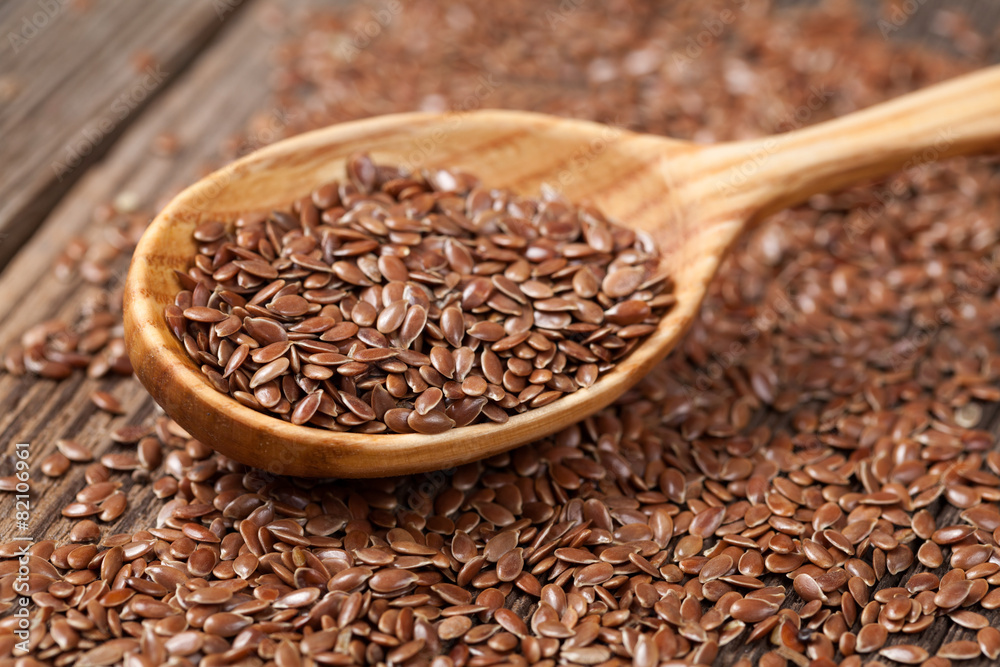
If you’ve been trying to eat healthier, improve digestion, or manage cholesterol, chances are you’ve heard about flax seeds. These tiny seeds have been gaining popularity in the United States, especially among adults over 50 who are looking for natural ways to support their health.
But here’s the truth: flax seeds are powerful—but they’re not perfect.
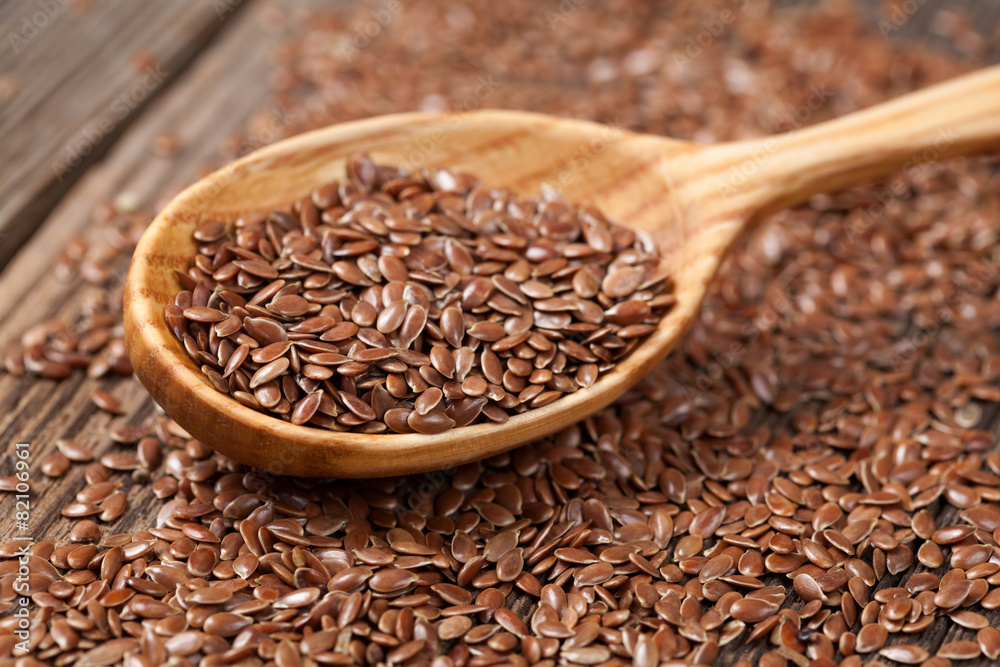
While they offer impressive benefits like heart support, better digestion, and even blood sugar control, they also come with some risks that many people overlook.
If you’re a senior or approaching retirement, it’s important to understand both sides. Your body changes with age, and what works for a 30-year-old might not be ideal for someone in their 50s, 60s, or beyond.
In this guide, you’ll learn:
- 12 science-backed benefits of flax seeds
- 7 possible side effects you should not ignore
- How to use flax seeds safely
- Real-life examples and expert tips
Let’s start with the good news.
What Are Flax Seeds?
Flax seeds are small brown or golden seeds that come from the flax plant. They have been used for thousands of years and are now considered a “superfood” because of their rich nutrient profile.
They are packed with:
- Omega-3 fatty acids (good fats for heart health)
- Fiber (great for digestion)
- Lignans (plant compounds with antioxidant properties)
- Protein and essential nutrients
For seniors, these nutrients can play a big role in maintaining energy, preventing disease, and improving overall quality of life.
12 Benefits of Flax Seeds
1. Supports Heart Health
Heart disease is one of the leading health concerns for adults over 50 in the U.S.
Flax seeds are rich in omega-3 fatty acids, especially ALA (alpha-linolenic acid), which helps:
- Reduce inflammation
- Lower bad cholesterol (LDL)
- Improve blood circulation
Real-life example:
Many retirees who add 1–2 tablespoons of ground flax seeds to their daily diet report improved cholesterol levels within a few months.
2. Helps Lower Cholesterol Naturally
Flax seeds contain soluble fiber, which binds to cholesterol in your digestive system and removes it from your body.
This can help:
- Lower total cholesterol
- Reduce risk of heart attacks
- Improve artery health
For seniors who want to reduce dependence on medication, flax seeds can be a helpful addition (with doctor approval).
3. Improves Digestive Health
Constipation is a common issue after age 50.
Flax seeds are rich in fiber, which helps:
- Promote regular bowel movements
- Improve gut health
- Prevent bloating
Tip: Always drink plenty of water when consuming flax seeds to avoid discomfort.
4. Supports Blood Sugar Control
Flax seeds can help regulate blood sugar levels, which is especially important for seniors managing prediabetes or type 2 diabetes.
They slow down digestion, preventing sudden spikes in blood sugar.
5. Aids in Weight Management
Maintaining a healthy weight becomes harder with age.
Flax seeds help by:
- Keeping you full longer
- Reducing hunger cravings
- Supporting metabolism
Even a small daily portion can make a difference over time.
6. May Reduce Risk of Cancer
Flax seeds are rich in lignans, which have antioxidant properties.
Studies suggest they may help reduce the risk of:
- Breast cancer
- Prostate cancer
- Colon cancer
While not a cure, they can be part of a preventive lifestyle.
7. Improves Skin Health
Dry skin is common in older adults.
Flax seeds help:
- Hydrate skin from within
- Reduce inflammation
- Improve skin texture
Some people even notice fewer wrinkles over time.
8. Supports Joint Health
Joint pain and stiffness can limit mobility.
Flax seeds’ anti-inflammatory properties may help:
- Reduce joint pain
- Improve flexibility
- Support arthritis management
9. Boosts Brain Health
Omega-3 fatty acids are essential for brain function.
Flax seeds may help:
- Improve memory
- Reduce risk of cognitive decline
- Support mental clarity
10. Supports Hormonal Balance
Flax seeds contain phytoestrogens, which can help balance hormones.
This is especially helpful for:
- Postmenopausal women
- Hormonal imbalances
11. Strengthens Immune System
A strong immune system is crucial as we age.
Flax seeds help:
- Reduce inflammation
- Provide essential nutrients
- Support overall immunity
12. Promotes Better Sleep
Many seniors struggle with sleep.
Flax seeds contain compounds that support:
- Relaxation
- Better sleep cycles
Adding them to your evening meal may help improve sleep quality.
7 Dangerous Side Effects of Flax Seeds
While flax seeds are beneficial, they are not risk-free.
1. Digestive Issues (Bloating and Gas)
Too much flax seeds can cause:
- Bloating
- Gas
- Stomach discomfort
Why it happens: High fiber content.
2. Risk of Intestinal Blockage
Eating flax seeds without enough water can cause blockage in the digestive tract.
This is especially risky for seniors with digestive issues.
3. May Interfere with Medications
Flax seeds can interact with:
- Blood thinners
- Diabetes medications
- Hormone-related drugs
Always consult your doctor before regular use.
4. Allergic Reactions
Though rare, some people may experience:
- Skin rash
- Itching
- Breathing issues
Stop use immediately if symptoms appear.
5. May Lower Blood Pressure Too Much
If you already have low blood pressure, flax seeds may reduce it further, causing dizziness.
6. Hormonal Effects
Flax seeds affect estrogen levels, which may not be suitable for everyone.
People with hormone-sensitive conditions should be cautious.
7. Risk During Certain Medical Conditions
Avoid or limit flax seeds if you have:
- Bowel obstruction
- Certain digestive disorders
- Upcoming surgery
How to Use Flax Seeds Safely
Best Ways to Consume
- Ground flax seeds (easier to digest)
- Add to oatmeal, yogurt, smoothies
- Sprinkle on salads
Recommended Amount
- 1–2 tablespoons per day
Important Tips
- Always drink water
- Start with small amounts
- Store in airtight containers
Common Mistakes to Avoid
- Eating whole seeds instead of ground
- Taking too much too quickly
- Not drinking enough water
- Ignoring medication interactions
- Assuming “more is better”
Expert Tips for Seniors
- Start slow: Begin with 1 teaspoon
- Monitor your body’s response
- Combine with a balanced diet
- Consult your doctor if you have health conditions
- Use freshly ground seeds for best results
Conclusion
Flax seeds can be a powerful addition to your daily routine, especially if you’re over 50 and looking for natural ways to improve your health.
They support heart health, digestion, brain function, and more. But like any superfood, they must be used wisely.
The key is balance.
Start small, stay consistent, and listen to your body. With the right approach, flax seeds can become a simple yet effective tool for better health and a more active life.
FAQs
1. How much flax seed should seniors eat daily?
Most experts recommend 1 to 2 tablespoons of ground flax seeds per day for seniors. Starting with a smaller amount, like 1 teaspoon, is a good idea, especially if you are new to high-fiber foods. Gradually increase your intake to avoid digestive discomfort. Always drink plenty of water to help your body process the fiber properly. If you have any medical conditions or take medications, consult your doctor before adding flax seeds to your daily routine.
2. Can flax seeds help lower cholesterol in older adults?
Yes, flax seeds can help reduce cholesterol levels due to their high soluble fiber content. This fiber binds with cholesterol in the digestive system and helps remove it from the body. Many older adults have seen improvements in their LDL (bad cholesterol) levels after regular use. However, flax seeds should be used as part of a balanced diet and not as a replacement for prescribed medications unless advised by a healthcare provider.
3. Are flax seeds safe for people with diabetes?
Flax seeds can be beneficial for people with diabetes because they help regulate blood sugar levels. Their fiber content slows down digestion and prevents sudden spikes in blood sugar. However, if you are taking diabetes medication, flax seeds may enhance its effects, potentially lowering blood sugar too much. It is important to monitor your levels closely and consult your doctor before making changes to your diet.
4. Should flax seeds be eaten whole or ground?
Ground flax seeds are better than whole seeds because they are easier to digest and absorb. Whole flax seeds may pass through your digestive system without being fully broken down, which means you miss out on many nutrients. Grinding them at home or buying pre-ground flaxseed (also called flax meal) is the best option for maximum health benefits.
5. Can flax seeds cause constipation or relieve it?
Flax seeds can do both, depending on how they are used. When consumed with enough water, they help relieve constipation by adding bulk to stool and promoting regular bowel movements. However, if you eat flax seeds without drinking enough fluids, they can cause constipation or even intestinal blockage. Always pair flax seeds with plenty of water to avoid problems.
6. Are flax seeds good for heart health in seniors?
Yes, flax seeds are excellent for heart health. They contain omega-3 fatty acids, fiber, and antioxidants that help reduce inflammation, lower cholesterol, and improve blood vessel function. Regular consumption can support overall cardiovascular health, which is especially important for seniors at higher risk of heart disease.
7. Can flax seeds interact with medications?
Yes, flax seeds can interact with certain medications, including blood thinners, diabetes drugs, and hormone-related treatments. They may enhance or interfere with the effects of these medications. If you are taking prescription drugs, it is important to talk to your doctor before adding flax seeds to your diet regularly.
8. Do flax seeds help with weight loss after 50?
Flax seeds can support weight management by helping you feel full for longer periods. Their fiber content reduces hunger and helps control calorie intake. While they are not a magic solution for weight loss, they can be a helpful addition to a healthy diet and active lifestyle, especially for older adults.
9. Can flax seeds improve skin health in older adults?
Yes, flax seeds can benefit skin health due to their omega-3 fatty acids and antioxidants. These nutrients help reduce inflammation, improve hydration, and support skin elasticity. Over time, regular consumption may lead to smoother, healthier-looking skin, which is especially helpful for aging individuals.
10. Are there any people who should avoid flax seeds completely?
Certain individuals should avoid flax seeds or use them with caution. This includes people with bowel obstruction, severe digestive issues, hormone-sensitive conditions, or those scheduled for surgery. Pregnant women and individuals on specific medications should also consult a healthcare provider before use. When in doubt, always seek professional advice.
Also Read –
Why Americans Are Always Tired After 50