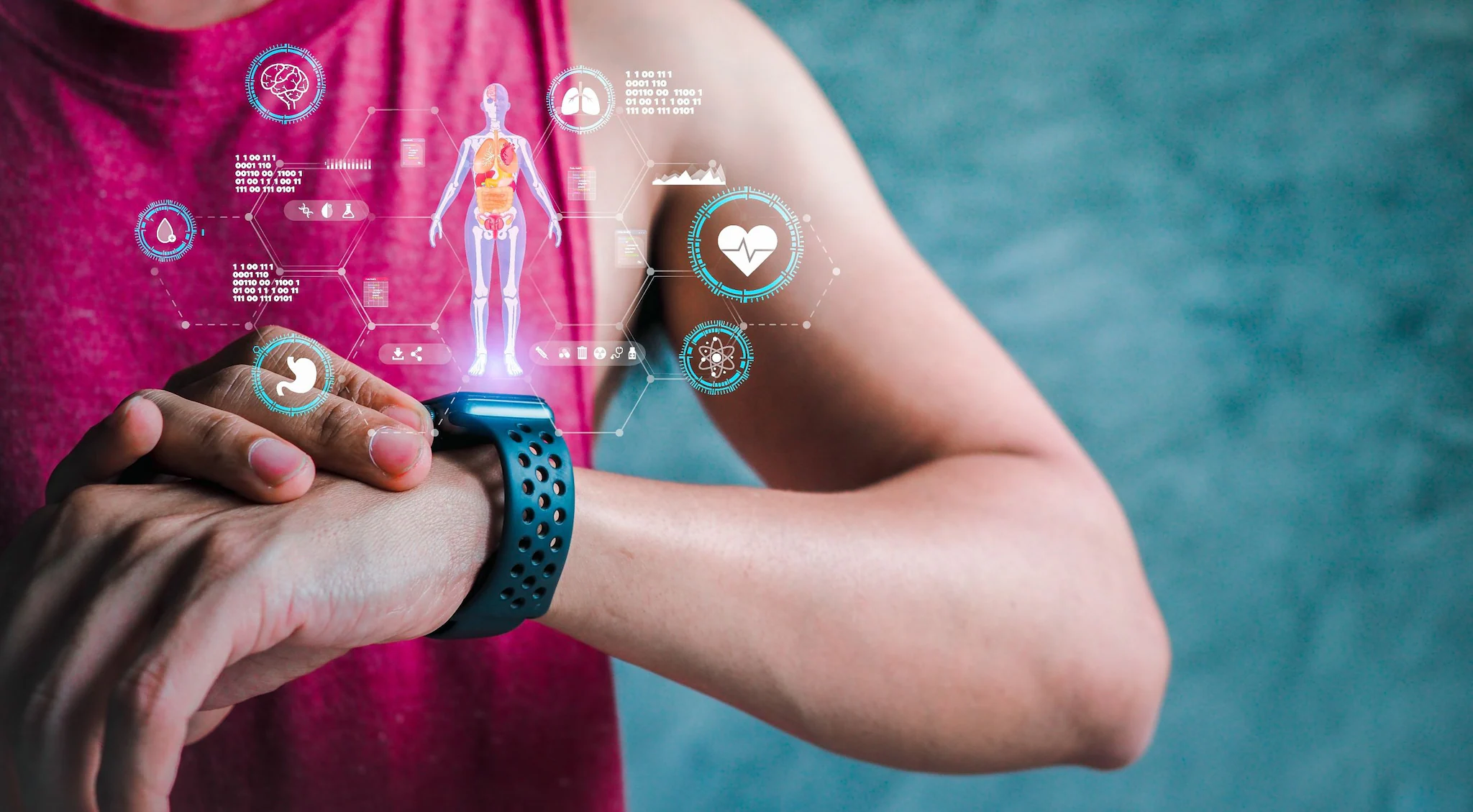
how wearable devices are transforming health monitoring for adults 50+, helping you track fitness, heart health, sleep, and more with ease.
If you had asked someone 20 years ago how they monitor their health, the answer would have been simple: regular doctor visits, occasional tests, and maybe a home blood pressure machine. Fast forward to today, and things look very different.
Now, you can track your heart rate, sleep quality, daily steps, and even detect early signs of health issues—right from your wrist.
This is where wearable devices come in.
For adults aged 50 and above, wearable technology is not just a trend. It’s becoming a powerful tool to stay healthy, independent, and informed. Whether you’re managing a chronic condition, trying to stay active, or simply want peace of mind, these devices are changing the way health is monitored.
In this guide, we’ll explore how wearable devices are changing health monitoring, why they matter for seniors, and how you can use them to improve your daily life.
What Are Wearable Devices?
Wearable devices are small electronic gadgets you can wear on your body. Most commonly, they are worn on the wrist like a watch.
These devices collect health data in real-time and show it on a screen or smartphone app.
Common Types of Wearable Devices
- Fitness trackers
- Smartwatches
- Heart rate monitors
- Sleep trackers
- Medical alert wearables
What Do They Track?
Modern wearable devices can monitor:
- Heart rate
- Steps and physical activity
- Sleep patterns
- Blood oxygen levels
- Calories burned
- Stress levels
Some advanced devices can even detect irregular heart rhythms or falls.
Why Wearable Devices Matter for Adults 50+
As we age, keeping track of our health becomes more important. Small changes in the body can turn into bigger issues if not noticed early.
Wearable devices help solve this problem.
1. Early Detection of Health Issues
Many wearables can alert you if something unusual happens.
For example:
- A sudden spike in heart rate
- Irregular heartbeat patterns
- Low oxygen levels
This early warning can help you seek medical help before things get serious.
2. Encouragement to Stay Active
Staying active is one of the best ways to maintain health after 50.
Wearables remind you to:
- Walk more
- Stand up regularly
- Meet daily step goals
Even simple reminders can make a big difference over time.
3. Better Management of Chronic Conditions
If you have conditions like:
- High blood pressure
- Diabetes
- Heart disease
Wearables can help track daily health patterns and share useful data with your doctor.
4. Peace of Mind
Many devices offer emergency features like:
- Fall detection
- SOS alerts
This is especially helpful for seniors living alone.
Key Ways Wearable Devices Are Changing Health Monitoring
Let’s dive deeper into how wearable devices are transforming healthcare.
H2: Real-Time Health Tracking
One of the biggest advantages is real-time data.
You no longer have to wait for a doctor’s appointment to understand your health.
What This Means for You
- Instant feedback on your body
- Better awareness of daily habits
- Quick response to warning signs
Example
Imagine going for a walk and suddenly feeling dizzy. Your wearable shows a drop in heart rate or oxygen levels. You can act immediately instead of ignoring the symptom.
H2: Personalized Health Insights
Wearables don’t just collect data—they analyze it.
They provide insights like:
- “You slept less than usual last night.”
- “Your activity level is lower this week.”
Why This Matters
Everyone’s body is different. Personalized insights help you:
- Understand your unique health patterns
- Make smarter lifestyle choices
H2: Improved Sleep Monitoring
Sleep is often overlooked but is critical for good health, especially after 50.
Wearable devices track:
- Sleep duration
- Deep sleep vs light sleep
- Sleep interruptions
Benefits
- Identify poor sleep habits
- Improve bedtime routines
- Reduce fatigue and stress
Real-Life Example
A retired teacher noticed she was waking up tired every day. Her wearable showed frequent sleep interruptions. After adjusting her bedtime routine, her sleep improved significantly.
H2: Heart Health Monitoring
Heart health is a major concern for older adults.
Wearables now offer advanced heart monitoring features.
What They Can Detect
- Resting heart rate
- Irregular heart rhythms
- Heart rate variability
Some devices even offer ECG (electrocardiogram) readings.
Why It’s Important
Early detection of heart issues can prevent serious complications.
H2: Fall Detection and Emergency Alerts
Falls are one of the leading causes of injury among seniors.
Wearable devices can automatically detect a fall and send alerts.
How It Works
- Sensors detect sudden movement
- Device asks if you’re okay
- If no response, it alerts emergency contacts
Benefits
- Faster help in emergencies
- Increased independence
- Peace of mind for family members
H2: Motivation and Behavior Change
Wearables are excellent motivators.
They use simple techniques like:
- Step goals
- Activity reminders
- Progress tracking
Why This Works
Small goals lead to big results over time.
Example
A retiree who walked 2,000 steps daily increased to 6,000 steps within a few months just by following daily reminders.
Popular Features Seniors Should Look For
Not all wearable devices are the same. Some features are especially useful for adults over 50.
Must-Have Features
- Large, easy-to-read display
- Simple interface
- Long battery life
- Accurate heart rate tracking
- Emergency SOS feature
Nice-to-Have Features
- GPS tracking
- Voice commands
- Medication reminders
- Water resistance
Practical Tips for Using Wearable Devices
Getting a wearable device is just the first step. Using it correctly is what makes the difference.
1. Start Simple
Don’t try to use every feature at once.
Focus on:
- Steps
- Heart rate
- Sleep
2. Set Realistic Goals
Avoid setting high targets immediately.
Start small and increase gradually.
3. Check Data Regularly
Look at your data daily or weekly.
This helps you spot trends.
4. Share Data with Your Doctor
Many devices allow you to export data.
This can help your doctor make better decisions.
5. Stay Consistent
Wear your device regularly to get accurate insights.
Common Mistakes to Avoid
Even though wearable devices are helpful, many people don’t use them effectively.
1. Ignoring the Data
Some users wear the device but never check the data.
This defeats the purpose.
2. Over-Relying on the Device
Wearables are helpful but not a replacement for medical advice.
Always consult your doctor for serious concerns.
3. Setting Unrealistic Goals
Trying to walk 10,000 steps on day one can lead to frustration.
4. Not Charging the Device
A dead device means no data.
Keep it charged regularly.
5. Wearing It Incorrectly
Loose or improper placement can affect accuracy.
Expert Tips for Maximizing Benefits
1. Combine with Healthy Habits
Wearables work best when combined with:
- Balanced diet
- Regular exercise
- Good sleep
2. Use Alerts Wisely
Enable only important notifications to avoid overload.
3. Keep Software Updated
Updates improve accuracy and add new features.
4. Choose the Right Device
Pick a device that suits your lifestyle and comfort level.
5. Focus on Trends, Not Daily Numbers
One bad day doesn’t matter. Look at long-term patterns.
Real-Life Impact of Wearable Devices
Let’s look at how these devices are making a difference.
Case 1: Early Heart Issue Detection
A 62-year-old man noticed irregular heart alerts on his wearable. He consulted his doctor and was diagnosed early with a heart condition, preventing a serious event.
Case 2: Improved Fitness
A retired couple started using fitness trackers. Within six months, they improved their daily activity and lost weight.
Case 3: Better Sleep
A senior improved sleep quality by adjusting habits based on wearable insights.
The Future of Wearable Health Technology
Wearable devices are evolving rapidly.
What’s Coming Next?
- Continuous blood sugar monitoring without needles
- Advanced AI health insights
- Better integration with doctors and hospitals
- Mental health tracking
What This Means for You
Healthcare is becoming more proactive rather than reactive.
Instead of treating illness, wearable devices help prevent it.
Conclusion
Wearable devices are no longer just fancy gadgets. They are powerful tools that are changing health monitoring in real and meaningful ways.
For adults aged 50 and above, they offer:
- Better awareness of health
- Early detection of problems
- Motivation to stay active
- Increased independence
The key is to use them wisely.
Start simple, stay consistent, and focus on improving your daily habits. Over time, small changes can lead to big improvements in your health and quality of life.
Frequently Asked Questions (FAQs)
1. Are wearable devices accurate for health monitoring?
Wearable devices are generally accurate for tracking trends like heart rate, steps, and sleep. However, they are not medical-grade devices. Their strength lies in showing patterns over time rather than exact measurements. For example, if your heart rate is consistently higher than usual, it’s a useful signal to consult a doctor. Always use wearables as a supportive tool, not a replacement for professional medical advice.
2. What is the best wearable device for seniors?
The best wearable device depends on individual needs. Seniors should look for devices with large displays, simple navigation, and essential features like heart rate monitoring and fall detection. Comfort and battery life are also important. A device that is easy to use daily is better than one with many complicated features that go unused.
3. Can wearable devices detect serious health problems?
Some wearable devices can detect warning signs such as irregular heart rhythms or sudden drops in oxygen levels. While they cannot diagnose conditions, they can alert users to potential issues early. This early detection can encourage timely medical attention, which can prevent serious complications.
4. Are wearable devices safe to use all day?
Yes, wearable devices are generally safe for all-day use. They are designed to be worn continuously and use low-energy sensors that do not harm the body. However, it’s a good idea to remove them occasionally to clean both the device and your skin to avoid irritation.
5. Do I need a smartphone to use a wearable device?
Most wearable devices work best when paired with a smartphone. The phone allows you to view detailed reports and insights. However, some devices can function independently and display basic information like steps and heart rate directly on the screen.
6. How do wearable devices help with sleep improvement?
Wearables track sleep duration, interruptions, and sleep stages. This information helps users understand their sleep habits. For example, if you notice frequent awakenings, you can adjust your bedtime routine. Over time, these small changes can improve overall sleep quality.
7. Can wearable devices help manage chronic diseases?
Yes, wearable devices can support chronic disease management by tracking daily health data. For example, heart rate monitoring can help individuals with heart conditions. Activity tracking can help manage diabetes and weight. Sharing this data with healthcare providers can lead to better treatment decisions.
8. What features should seniors avoid in wearable devices?
Seniors should avoid overly complex devices with too many unnecessary features. Complicated menus and small screens can make devices difficult to use. Instead, focus on simplicity, readability, and essential health tracking features.
9. How often should I check my wearable data?
It’s best to check your data once or twice a day. Daily checks help you stay aware of your habits, while weekly reviews help you see trends. Avoid checking too frequently, as it can become overwhelming and unnecessary.
10. Are wearable devices worth the investment for seniors?
Yes, wearable devices are worth the investment if used properly. They provide valuable insights into daily health and encourage healthier habits. For many seniors, the benefits of early detection, increased activity, and peace of mind make them a valuable addition to daily life.
Also Read –
Why Stress Is the Hidden Health Killer in America