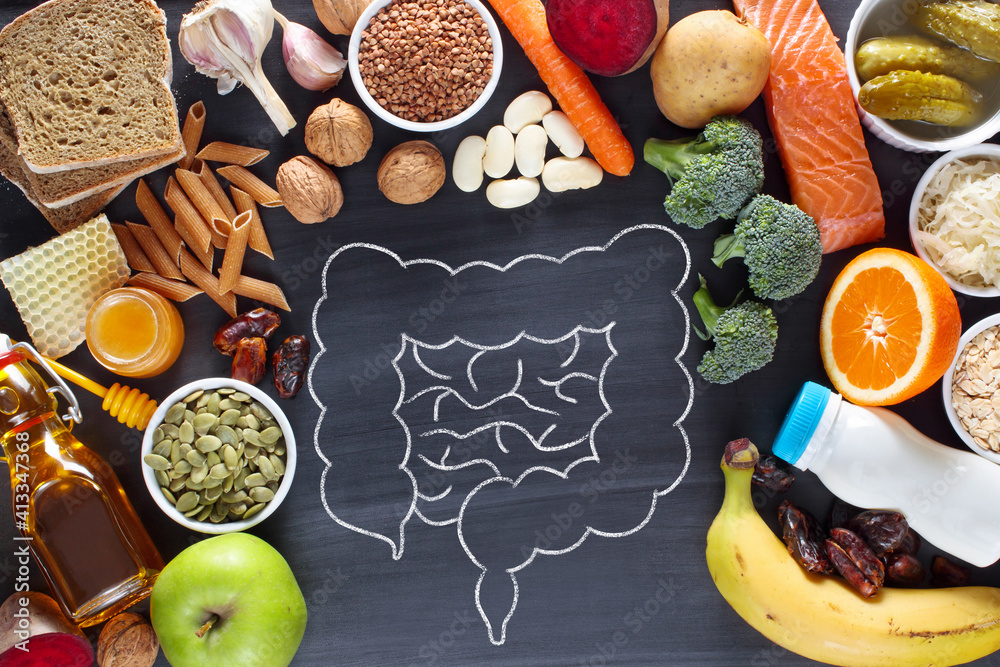
the best foods for gut microbiome in 2026 for adults over 50. Improve digestion, boost immunity, and feel more energetic with simple diet changes.
If you’re over 50, you’ve probably noticed that your digestion isn’t what it used to be. Maybe you feel bloated more often. Maybe your energy dips in the afternoon. Or perhaps certain foods just don’t sit right anymore.
The truth is, a lot of this comes down to your gut microbiome.
Your gut microbiome is a community of trillions of bacteria living inside your digestive system. These bacteria play a huge role in your overall health—especially as you age. They affect digestion, immunity, mood, and even brain function.
In 2026, more research than ever shows that what you eat can directly improve your gut health. The good news? You don’t need fancy supplements or expensive treatments. Simple, everyday foods can make a big difference.
This guide will walk you through the best foods for gut microbiome in 2026, especially for adults aged 50 and above. Everything is practical, easy to follow, and based on real-life habits.
Why Gut Health Matters More After 50
As we age, our gut naturally changes. The diversity of good bacteria decreases, and harmful bacteria can start to grow.
This can lead to:
- Slower digestion
- Constipation or irregular bowel movements
- Weaker immune system
- Increased inflammation
- Lower energy levels
For example, many retirees notice they feel tired even after a full night’s sleep. Often, poor gut health is part of the problem.
Improving your gut microbiome can help you:
- Digest food better
- Absorb nutrients more efficiently
- Reduce inflammation
- Strengthen your immune system
- Feel more energetic
What Makes a Food “Gut-Friendly”?
Before we jump into the list, let’s understand what makes a food good for your gut.
There are three main types:
1. Probiotic Foods
These contain live beneficial bacteria.
2. Prebiotic Foods
These feed the good bacteria already in your gut.
3. Fiber-Rich Foods
Fiber helps keep digestion smooth and supports healthy bacteria.
The best diet includes all three.
Top 15 Best Foods for Gut Microbiome in 2026
1. Yogurt (With Live Cultures)
Yogurt is one of the easiest ways to improve your gut health.
Look for labels that say “live and active cultures.” These contain good bacteria that support digestion.
Tip:
Choose plain, unsweetened yogurt and add fresh fruit for flavor.
2. Kefir
Kefir is like drinkable yogurt but even more powerful.
It contains more strains of beneficial bacteria than regular yogurt.
Real-life example:
Many seniors report fewer digestive issues after replacing milk with kefir in their morning routine.
3. Sauerkraut
This fermented cabbage is rich in probiotics and easy to add to meals.
How to eat it:
- Add to sandwiches
- Mix into salads
- Serve as a side dish
Make sure it’s unpasteurized to get the benefits.
4. Kimchi
Kimchi is a spicy fermented vegetable dish.
It’s packed with probiotics and antioxidants.
If you don’t like spicy food, start with small amounts.
5. Oats
Oats are rich in soluble fiber, which feeds good gut bacteria.
They also help control blood sugar and cholesterol.
Best way to eat:
- Overnight oats
- Warm oatmeal with nuts and berries
6. Bananas
Bananas are gentle on the stomach and rich in prebiotics.
They help feed beneficial bacteria and improve digestion.
Perfect for a quick breakfast or snack.
7. Garlic
Garlic acts as a natural prebiotic.
It supports the growth of healthy bacteria and may reduce harmful ones.
Tip:
Use raw garlic in small amounts for maximum benefits.
8. Onions
Onions are another powerful prebiotic food.
They help improve gut diversity and digestion.
Cooked or raw, both forms are beneficial.
9. Leafy Greens (Spinach, Kale)
Leafy greens contain fiber and nutrients that support gut health.
They also help reduce inflammation.
Easy idea:
Add spinach to smoothies or soups.
10. Apples
Apples are rich in pectin, a type of fiber that supports gut bacteria.
They also help regulate bowel movements.
“An apple a day” still holds true.
11. Beans and Lentils
These are high in fiber and protein.
They promote the growth of beneficial gut bacteria.
Tip:
Start slowly if you’re not used to them to avoid gas.
12. Chia Seeds
Chia seeds are small but powerful.
They support digestion and help maintain a healthy gut lining.
Add them to:
- Yogurt
- Smoothies
- Oatmeal
13. Whole Grains
Whole grains like brown rice and quinoa are excellent for gut health.
They provide fiber and essential nutrients.
Avoid refined grains when possible.
14. Berries
Blueberries, strawberries, and raspberries are rich in antioxidants and fiber.
They help reduce inflammation and support good bacteria.
15. Green Tea
Green tea contains compounds that promote good bacteria growth.
It also supports metabolism and overall health.
How to Build a Gut-Healthy Meal Plan
You don’t need to overhaul your entire diet overnight.
Start simple.
Sample Daily Plan
Breakfast:
- Oatmeal with berries and chia seeds
Lunch:
- Salad with leafy greens, beans, and olive oil
Snack:
- Yogurt with banana
Dinner:
- Grilled vegetables with brown rice
Drink:
- Green tea
Small changes like these can make a big difference over time.
Common Mistakes That Harm Gut Health
Even healthy people make these mistakes.
1. Eating Too Much Processed Food
Processed foods can harm good bacteria.
2. Not Drinking Enough Water
Water helps fiber do its job.
3. Overusing Antibiotics
They kill both good and bad bacteria.
4. Ignoring Fiber Intake
Low fiber leads to poor digestion.
5. Eating Too Fast
This can cause bloating and discomfort.
Expert Tips for Better Gut Health in 2026
1. Eat Slowly
Chew your food well to improve digestion.
2. Stay Active
Even light walking helps your gut.
3. Manage Stress
Stress affects your gut more than you think.
4. Sleep Well
Poor sleep can disrupt gut bacteria.
5. Rotate Foods
Eating a variety of foods improves gut diversity.
Real-Life Example
John, a 65-year-old retiree, struggled with bloating and low energy.
He made small changes:
- Switched to oatmeal for breakfast
- Added yogurt daily
- Reduced processed foods
Within a few weeks, he noticed:
- Better digestion
- More energy
- Improved mood
This shows that simple changes can lead to real results.
Conclusion
Improving your gut microbiome in 2026 doesn’t require complicated diets or expensive supplements.
The key is consistency.
Focus on:
- Eating more whole, natural foods
- Adding probiotics and prebiotics
- Staying active and hydrated
If you start small and stay consistent, you’ll notice real improvements in your digestion, energy, and overall health.
Your gut health is one of the most powerful tools you have for healthy aging.
FAQs
1. What are the best foods for gut microbiome for seniors?
The best foods include yogurt, kefir, oats, bananas, leafy greens, and fermented foods like sauerkraut. These foods provide probiotics, prebiotics, and fiber. For seniors, it’s important to choose foods that are easy to digest and gentle on the stomach. Adding a mix of these foods daily can improve digestion, boost immunity, and increase energy levels. Start slowly and build a balanced routine.
2. How long does it take to improve gut health?
Most people start noticing improvements within 2 to 4 weeks of consistent healthy eating. However, long-term changes in the gut microbiome can take a few months. The key is consistency. Eating gut-friendly foods regularly, staying hydrated, and avoiding processed foods can speed up the process. Everyone’s body is different, so results may vary.
3. Are probiotics supplements necessary after 50?
Not always. Many people can get enough probiotics from foods like yogurt, kefir, and fermented vegetables. Supplements may help in certain cases, such as after antibiotic use. However, whole foods are usually the best option because they also provide fiber and nutrients. Always consult a healthcare provider before starting supplements.
4. Can gut health affect energy levels in older adults?
Yes, gut health plays a major role in energy levels. A healthy gut helps absorb nutrients better and reduces inflammation. Poor gut health can lead to fatigue, bloating, and discomfort. By improving your gut microbiome, you may feel more energetic and active throughout the day.
5. What foods should be avoided for better gut health?
Avoid processed foods, sugary snacks, artificial sweeteners, and excessive alcohol. These can harm beneficial bacteria and disrupt digestion. Fried foods and refined carbs should also be limited. Instead, focus on whole, natural foods that support gut health.
6. Is fiber important for gut microbiome?
Yes, fiber is essential. It feeds good bacteria and helps maintain regular bowel movements. Foods like oats, fruits, vegetables, and whole grains are excellent sources. Increasing fiber slowly can help prevent discomfort like gas or bloating.
7. Can gut health improve immune function?
Yes, a strong gut microbiome supports the immune system. Around 70% of the immune system is linked to the gut. Healthy bacteria help fight harmful pathogens and reduce inflammation. This is especially important for older adults.
8. Are fermented foods safe for seniors?
Yes, fermented foods are generally safe and beneficial. However, start with small amounts to see how your body reacts. Choose high-quality, unpasteurized options for maximum benefits. If you have specific health conditions, consult your doctor.
9. How does hydration affect gut health?
Water helps fiber move through the digestive system smoothly. Without enough hydration, you may experience constipation. Drinking enough water daily supports overall digestion and gut function. Aim for steady intake throughout the day.
10. Can stress affect gut microbiome?
Yes, stress can negatively impact gut bacteria. It may lead to digestive issues like bloating and discomfort. Managing stress through relaxation, exercise, or hobbies can improve gut health. A calm mind supports a healthy gut.
Also read-
Meditation Benefits for Adults Over 50