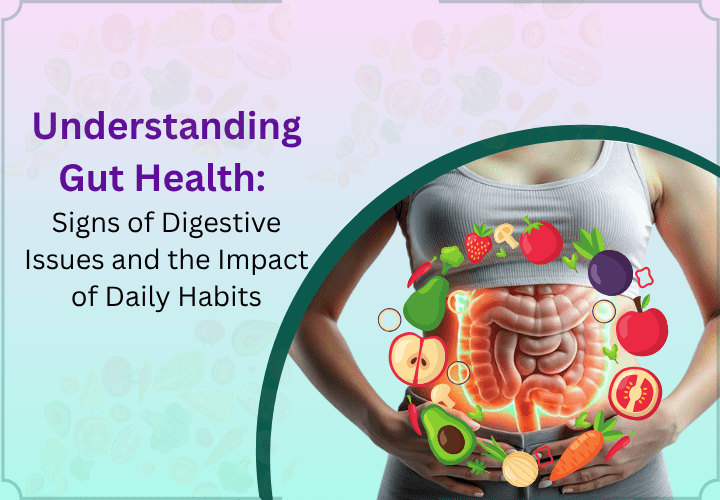
Feeling tired all the time? Discover 10 warning signs your gut health is destroying your energy and learn simple ways to fix it naturally.
Do you wake up tired even after a full night’s sleep?
Do you feel low on energy, even when you’re not doing much?
If you’re over 50, you might think this is just a normal part of aging. But what if it’s not?
One of the most overlooked causes of low energy is poor gut health.
Your gut does more than digest food. It affects your immune system, mood, brain function, and most importantly—your energy levels.
When your gut is out of balance, your body struggles to absorb nutrients. That means less fuel for your cells, muscles, and brain.
In this guide, you’ll discover 10 clear signs your gut health is destroying your energy—and what you can do about it.
Why Gut Health Matters for Energy
Your gut is home to trillions of bacteria, known as your gut microbiome.
These bacteria help:
- Break down food
- Absorb vitamins like B12 and magnesium
- Support your immune system
- Produce energy for your body
When this system is out of balance, it can lead to:
- Fatigue
- Weakness
- Brain fog
- Poor sleep
For adults over 50, this becomes even more important because digestion naturally slows down with age.
10 Signs Your Gut Health Is Destroying Your Energy
1. Constant Fatigue (Even After Rest)
If you feel tired all day, your gut might not be absorbing nutrients properly.
Your body needs:
- Iron
- Vitamin B12
- Magnesium
Without these, your energy drops quickly.
Example:
A retired man may sleep 8 hours but still feel exhausted. The real issue? His gut isn’t absorbing nutrients from his food.
2. Frequent Bloating and Gas
Bloating isn’t just uncomfortable—it’s a warning sign.
It often means:
- Poor digestion
- Imbalance of gut bacteria
- Food not breaking down properly
When your digestion is weak, your body spends more energy trying to process food.
That leaves you feeling drained.
3. Brain Fog and Poor Focus
Do you forget things more often?
Do you struggle to focus?
Your gut and brain are closely connected. This is called the gut-brain connection.
An unhealthy gut can lead to:
- Slow thinking
- Memory problems
- Mental fatigue
4. Unexplained Weight Gain or Loss
If your weight changes without reason, your gut may be involved.
A poor gut can:
- Slow metabolism
- Increase fat storage
- Affect hunger hormones
This imbalance drains your energy and affects your overall health.
5. Poor Sleep Quality
If you wake up often at night, your gut might be the reason.
Your gut helps produce serotonin, which affects sleep.
A damaged gut can lead to:
- Insomnia
- Light sleep
- Frequent waking
And poor sleep means low energy the next day.
6. Sugar Cravings
Do you crave sweets often?
Bad gut bacteria feed on sugar. The more they grow, the more sugar you crave.
This creates a cycle:
- Eat sugar → bad bacteria grow → more cravings → energy crash
7. Frequent Illness
If you get sick often, your gut health may be weak.
About 70% of your immune system lives in your gut.
A weak gut leads to:
- Frequent colds
- Slow recovery
- Low energy
8. Food Intolerances
If certain foods upset your stomach, your gut lining may be damaged.
Common triggers include:
- Dairy
- Gluten
- Fried foods
When your body struggles to digest food, it uses more energy—leaving you tired.
9. Mood Swings or Low Mood
Your gut produces many chemicals that affect mood.
Poor gut health can cause:
- Irritability
- Anxiety
- Low motivation
When your mood drops, your energy follows.
10. Skin Problems
Your skin reflects your gut health.
Issues like:
- Dry skin
- Rashes
- Acne
These may indicate internal imbalance.
When your body is fighting inflammation, your energy is reduced.
How to Improve Gut Health and Boost Energy
1. Eat More Fiber-Rich Foods
Fiber feeds good gut bacteria.
Add foods like:
- Oats
- Apples
- Beans
- Vegetables
2. Include Probiotic Foods
Probiotics add good bacteria to your gut.
Try:
- Yogurt
- Kefir
- Fermented foods
3. Stay Hydrated
Water helps digestion and nutrient absorption.
Aim for 6–8 glasses daily.
4. Reduce Sugar Intake
Too much sugar feeds harmful bacteria.
Cut back on:
- Sweets
- Sugary drinks
- Processed foods
5. Move Your Body Daily
Light exercise improves digestion.
Try:
- Walking
- Stretching
- Yoga
Even 20 minutes daily helps.
6. Manage Stress
Stress affects your gut directly.
Simple methods:
- Deep breathing
- Meditation
- Spending time outdoors
7. Get Enough Sleep
Your gut repairs itself during sleep.
Aim for 7–8 hours each night.
Common Mistakes That Damage Gut Health
Avoid these common habits:
- Eating too much processed food
- Skipping meals
- Overusing antibiotics
- Not drinking enough water
- Ignoring digestive issues
Many people ignore small symptoms until they become serious.
Expert Tips for Better Gut Health After 50
- Eat slowly and chew properly
- Avoid overeating
- Add variety to your diet
- Limit alcohol and smoking
- Take digestive-friendly meals in the evening
Pro Tip: Start your day with warm water and a light breakfast. It helps kickstart digestion.
Real-Life Example
A 62-year-old retiree felt tired daily. He blamed age.
After improving his diet—adding fiber, reducing sugar, and walking daily—his energy improved within weeks.
The problem wasn’t age. It was gut health.
Conclusion
Low energy is not always a normal part of aging.
If you’re over 50 and feeling constantly tired, your gut health could be the hidden cause.
By recognizing these 10 signs your gut health is destroying your energy, you can take simple steps to fix the problem.
Small changes in diet and lifestyle can lead to big improvements in how you feel every day.
Start today. Your body will thank you.
FAQs
1. What are the main signs of poor gut health in older adults?
Poor gut health often shows up as fatigue, bloating, gas, and irregular digestion. Many older adults also experience brain fog, poor sleep, and frequent illness. These signs are often ignored because they seem normal with aging. However, they usually indicate that the gut is not absorbing nutrients properly. Over time, this leads to low energy and weakness. Paying attention to these early signs can help prevent bigger health problems later.
2. Can gut health really affect energy levels?
Yes, gut health plays a major role in energy production. Your body depends on the gut to absorb nutrients like iron, B12, and magnesium. These nutrients are essential for producing energy. If your gut is not working properly, your body cannot get the fuel it needs. This results in constant tiredness. Even with enough sleep, you may feel exhausted because your cells are not getting proper nutrition.
3. How long does it take to improve gut health?
Improving gut health takes time, but small changes can show results within a few weeks. For example, adding fiber and probiotics to your diet can improve digestion in 2–4 weeks. However, full recovery of gut balance may take a few months. Consistency is key. Following a healthy routine daily will bring steady improvements in energy and overall health.
4. What foods are best for gut health after 50?
Foods rich in fiber and probiotics are best for gut health. These include fruits, vegetables, whole grains, yogurt, and fermented foods. Fiber feeds good bacteria, while probiotics add beneficial bacteria to your gut. Avoid processed and sugary foods, as they harm gut balance. A balanced diet with natural foods helps improve digestion and energy levels over time.
5. Are probiotics necessary for seniors?
Probiotics can be very helpful for seniors, especially if they have digestive issues. They support healthy bacteria in the gut, which improves digestion and nutrient absorption. While probiotic foods are a good start, supplements may also help in some cases. It’s always best to consult a healthcare provider before starting supplements, especially if you have existing health conditions.
6. Can stress damage gut health?
Yes, stress has a strong impact on gut health. It can disrupt digestion and reduce the balance of good bacteria. This leads to symptoms like bloating, discomfort, and low energy. Chronic stress can make gut problems worse over time. Managing stress through relaxation techniques, exercise, and proper sleep can help restore gut health.
7. Why do I feel tired after eating?
Feeling tired after eating may be a sign of poor digestion. When your gut struggles to process food, your body uses more energy for digestion. This leaves you feeling sluggish. Eating large meals, processed foods, or sugary items can make this worse. Eating smaller, balanced meals and chewing food properly can help reduce this problem.
8. Can poor gut health cause sleep problems?
Yes, gut health is linked to sleep. Your gut helps produce serotonin, a chemical that affects sleep quality. When your gut is unhealthy, serotonin production may be affected. This can lead to poor sleep, frequent waking, or insomnia. Improving gut health can help improve sleep patterns over time.
9. Is bloating a serious issue?
Occasional bloating is normal, but frequent bloating is a sign of poor digestion. It may indicate an imbalance in gut bacteria or food intolerance. If ignored, it can lead to bigger problems like nutrient deficiency and low energy. Paying attention to your diet and avoiding trigger foods can help reduce bloating.
10. What is the easiest way to start improving gut health?
The easiest way to start is by making small daily changes. Begin by drinking more water, eating more fiber, and reducing sugar intake. Add probiotic foods like yogurt to your diet. Also, try to walk daily and manage stress. These simple steps can gradually improve gut health and increase energy levels.
Also Read –
10 Essential Vitamins and Supplements for Elderly People
How to Stay Mentally Active After Retirement? 19 Proven Ways