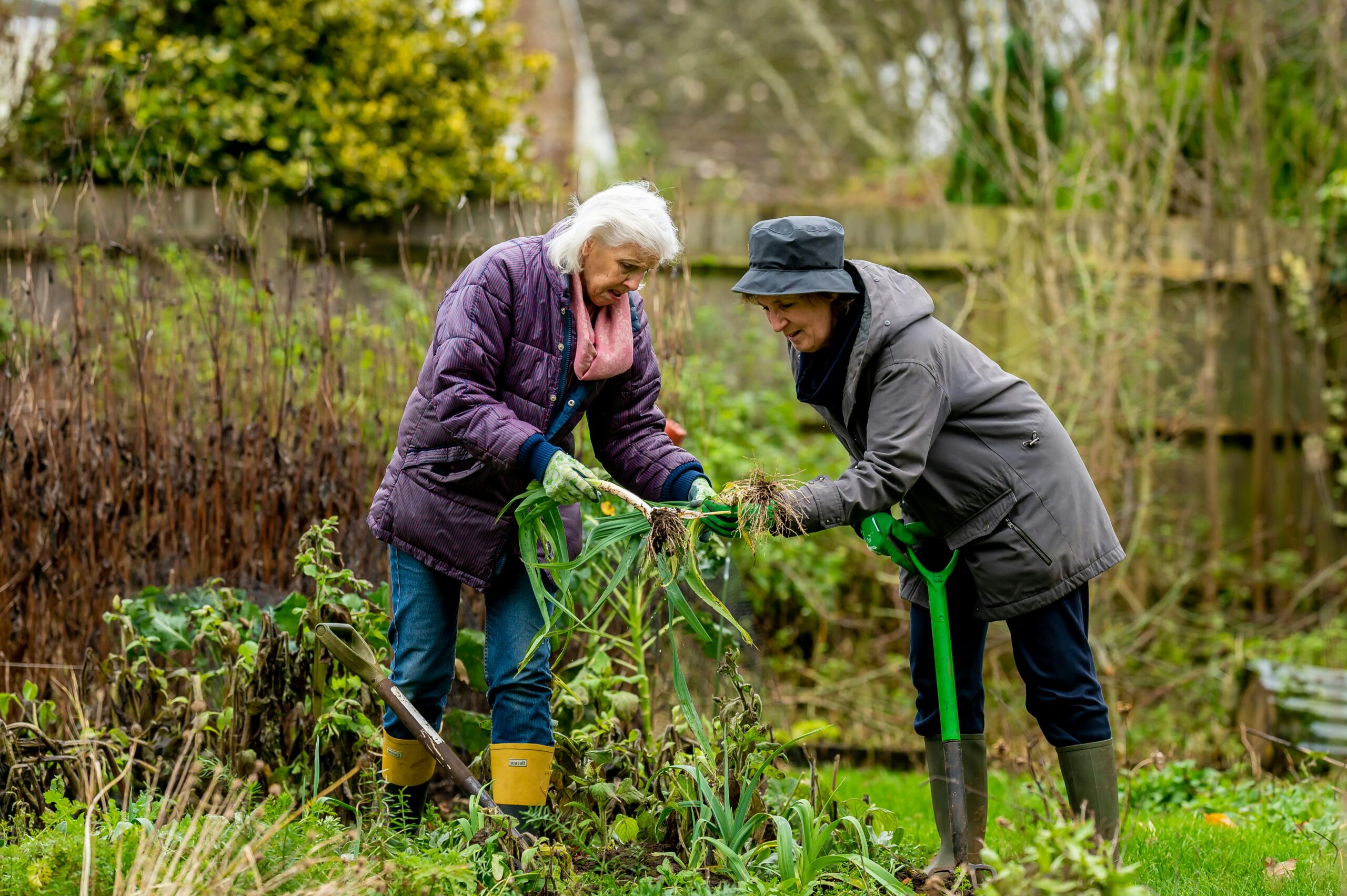
the benefits of gardening for seniors, including better physical health, mental wellness, social connection, and purpose after retirement.
Retirement often brings more free time than people expect. For many adults over 50, the question becomes: What should I do with all this time? While some people travel or spend more time with family, others look for hobbies that keep them active and engaged.
One activity that continues to grow in popularity among older adults is gardening. The benefits of gardening for seniors go far beyond simply growing flowers or vegetables. Gardening supports physical health, improves mental well-being, reduces stress, and helps seniors stay socially connected.
In the United States, millions of adults over 50 now enjoy gardening as part of their daily routine. Whether it’s tending to a backyard vegetable patch, planting flowers on a patio, or caring for a few herbs indoors, gardening provides meaningful rewards.
Even small gardening activities can bring a sense of accomplishment and purpose. Watching something grow under your care can be deeply satisfying. For seniors who want to stay active, independent, and mentally sharp, gardening offers a simple yet powerful solution.
In this guide, we will explore the many benefits of gardening for seniors, practical tips to get started, common mistakes to avoid, and expert advice for creating a safe and enjoyable gardening routine.
Why Gardening Is Perfect for Seniors
Gardening is not just a hobby. It is a lifestyle activity that supports healthy aging.
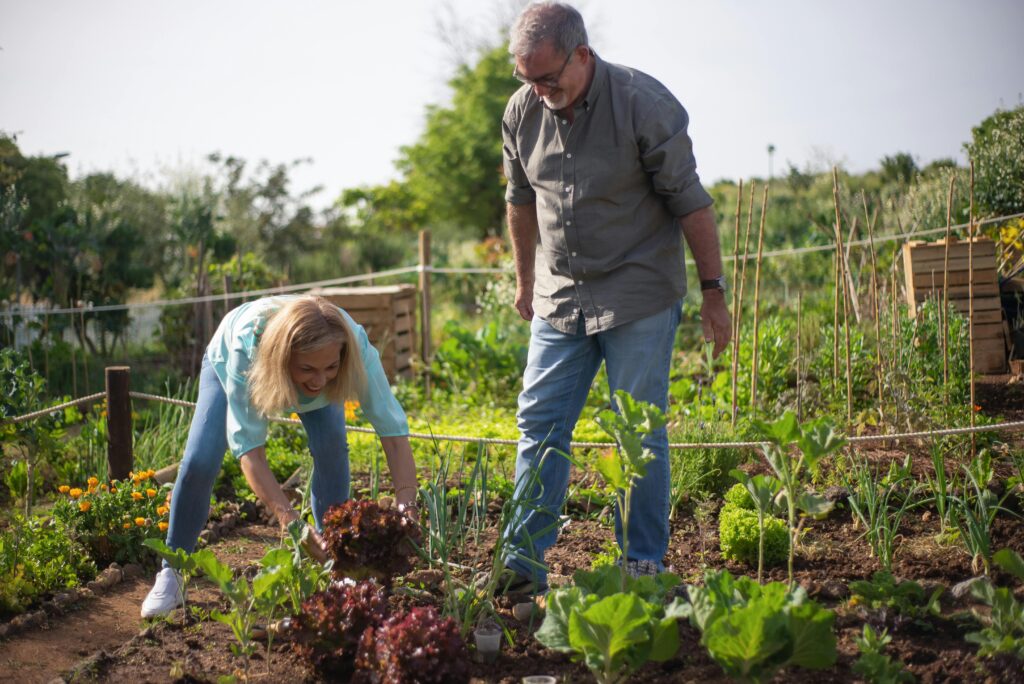
Unlike intense workouts or complicated hobbies, gardening is flexible. Seniors can garden at their own pace and adjust activities based on their physical ability.
Many older adults appreciate gardening because it offers:
- Light physical activity
- Fresh air and sunlight
- A calming environment
- A creative outlet
- A connection to nature
Gardening also fits easily into a daily routine. Some people spend 10 minutes watering plants, while others enjoy hours of tending their garden beds.
The beauty of gardening is that it can be as simple or as detailed as you want it to be.
Physical Health Benefits of Gardening for Seniors
1. Gentle Exercise for the Body
One of the biggest benefits of gardening for seniors is that it provides low-impact physical activity.
Gardening involves movements such as:
- Bending
- Stretching
- Digging
- Walking
- Carrying light tools
- Kneeling
These simple movements help keep joints flexible and muscles active.
Unlike high-intensity workouts, gardening allows seniors to stay active without putting excessive stress on the body.
Even 30 minutes of gardening a few times per week can help improve mobility and endurance.
2. Improved Heart Health
Regular gardening activities can support cardiovascular health.
Tasks such as:
- Raking leaves
- Watering plants
- Pushing a wheelbarrow
- Planting vegetables
can raise the heart rate slightly, similar to light exercise.
For older adults, moderate physical activity like gardening may help:
- Improve circulation
- Lower blood pressure
- Support heart health
- Reduce risk of chronic illness
Many seniors find gardening easier to maintain than structured exercise programs.
3. Better Strength and Balance
As people age, maintaining muscle strength and balance becomes important for preventing falls.
Gardening helps strengthen:
- Arms
- Legs
- Core muscles
- Hands and grip strength
Simple tasks like digging or pulling weeds engage multiple muscle groups.
Improved balance can also develop naturally through regular movement in the garden.
4. Increased Vitamin D from Sunlight
Sunlight exposure helps the body produce Vitamin D, which supports bone health and immune function.
Seniors often have lower Vitamin D levels, especially if they spend most of their time indoors.
Gardening encourages time outside, allowing seniors to safely enjoy sunlight and fresh air.
However, it’s important to wear sunscreen, a hat, and stay hydrated while gardening.
Mental Health Benefits of Gardening for Seniors
1. Reduces Stress and Anxiety
One of the most powerful benefits of gardening for seniors is its calming effect.
Spending time in nature can reduce stress hormones in the body. The simple act of caring for plants can feel meditative.
Many gardeners describe the experience as peaceful and grounding.
Activities like watering plants, pruning flowers, or harvesting vegetables help shift focus away from worries.
Even a few minutes in the garden can improve mood.
2. Supports Brain Health
Gardening stimulates the brain in several ways.
It involves planning, problem-solving, and learning new skills.
For example, gardeners must think about:
- Which plants grow best together
- When to water plants
- How much sunlight plants need
- How to control pests naturally
This type of mental engagement helps keep the brain active and sharp.
Some studies suggest gardening may help slow age-related cognitive decline.
3. Creates a Sense of Purpose
After retirement, some people struggle with losing their daily routine or sense of purpose.
Gardening helps fill that gap.
Plants depend on regular care. Watering, pruning, and monitoring growth give seniors something meaningful to focus on.
Watching plants grow over time also creates a sense of achievement.
Even small successes—like growing tomatoes or flowers—can boost confidence and satisfaction.
Emotional Benefits of Gardening for Seniors
1. Improves Mood
Many seniors report feeling happier after spending time in the garden.
Gardening encourages relaxation and helps release mood-boosting chemicals in the brain.
Seeing bright flowers, green leaves, and fresh vegetables can naturally lift spirits.
Nature has a powerful emotional impact, especially for people who spend a lot of time indoors.
2. Reduces Feelings of Loneliness
Loneliness is a common challenge for older adults, especially after retirement or when children move away.
Gardening can help reduce isolation in several ways.
For example:
- Joining a local gardening club
- Sharing produce with neighbors
- Visiting community gardens
- Talking with other gardeners
Gardening creates opportunities for social interaction and meaningful conversations.
Social Benefits of Gardening for Seniors
Community Connections
Community gardening programs are growing across the United States.
These shared spaces allow people to work together to grow plants and vegetables.
For seniors, community gardens offer:
- Social interaction
- Shared knowledge
- New friendships
- A sense of belonging
Working together in a garden creates natural conversations and collaboration.
Family Bonding
Gardening also brings families together.
Grandparents often enjoy teaching grandchildren how to plant seeds or harvest vegetables.
These shared experiences create lasting memories.
Simple activities like planting flowers or watering plants can become meaningful family traditions.
Financial Benefits of Gardening
Many seniors live on fixed retirement income. Gardening can help reduce grocery expenses.
Growing fruits, vegetables, and herbs at home can save money over time.
Common vegetables that are easy and affordable to grow include:
- Tomatoes
- Lettuce
- Peppers
- Cucumbers
- Green beans
Fresh herbs like basil, mint, and rosemary are also easy to grow in small containers.
Homegrown produce is often fresher and more flavorful than store-bought options.
Best Types of Gardening for Seniors
Container Gardening
Container gardening is perfect for seniors with limited space or mobility.
Plants grow in pots or raised containers instead of garden beds.
Benefits include:
- Less bending
- Easy access
- Flexible placement
- Ideal for patios or balconies
Raised Bed Gardening
Raised garden beds bring plants closer to waist level.
This reduces strain on the back and knees.
Raised beds also improve drainage and make soil easier to manage.
Many seniors find raised beds much more comfortable than traditional ground gardening.
Indoor Gardening
For seniors who prefer staying indoors, indoor gardening is a great option.
Popular indoor plants include:
- Herbs
- Succulents
- Spider plants
- Pothos plants
Indoor plants improve air quality and brighten living spaces.
Actionable Tips for Seniors Starting a Garden
Starting a garden does not need to be complicated.
Here are practical tips to help seniors begin safely.
Start Small
Begin with a few plants instead of a large garden.
This allows beginners to learn gradually without feeling overwhelmed.
Choose Easy Plants
Some plants are easier to grow than others.
Beginner-friendly plants include:
- Tomatoes
- Lettuce
- Herbs
- Marigolds
- Zinnias
These plants require minimal maintenance.
Use Lightweight Tools
Gardening tools designed for seniors can reduce strain.
Look for tools with:
- Ergonomic handles
- Lightweight materials
- Long handles for less bending
Garden During Cooler Hours
Morning and evening are the best times to garden.
Avoid gardening during hot midday sun, especially in summer.
Stay Hydrated
Always keep water nearby while gardening.
Dehydration can happen quickly when spending time outdoors.
Common Gardening Mistakes Seniors Should Avoid
Even experienced gardeners make mistakes.
Here are common ones to watch out for.
Overwatering Plants
Too much water can damage plant roots.
Most plants prefer soil that is moist but not soaked.
Planting Too Many Crops
Beginners sometimes plant too much at once.
Large gardens require significant maintenance.
Start small and expand gradually.
Ignoring Sunlight Needs
Different plants require different levels of sunlight.
Some plants need full sun, while others grow better in shade.
Always check plant labels before planting.
Using Heavy Equipment
Large gardening tools or heavy soil bags can strain the body.
Choose lightweight alternatives whenever possible.
Expert Tips for Safe Gardening After 50
Gardening should be enjoyable, not painful. Experts recommend several safety strategies.
Warm Up Before Gardening
Stretching before gardening can help prevent muscle strain.
Focus on stretching arms, back, and legs.
Use Raised Kneeling Pads
Kneeling pads reduce pressure on knees and joints.
They make weeding and planting much more comfortable.
Take Regular Breaks
Work in short sessions instead of long periods.
Rest every 20–30 minutes if needed.
Wear Protective Gear
Helpful items include:
- Gardening gloves
- Sun hats
- Sunglasses
- Supportive shoes
These simple tools help prevent injuries.
Real-Life Example: Gardening After Retirement
Consider the example of David, a 67-year-old retiree in Ohio.
After retiring from his office job, David struggled with boredom and inactivity.
His daughter suggested he try gardening.
At first, David planted just a few tomato plants in containers.
Within months, gardening became part of his daily routine. He expanded his garden to include peppers, lettuce, and herbs.
David says gardening helped him:
- Stay physically active
- Reduce stress
- Meet neighbors
- Enjoy fresh food
Today, gardening is one of the most rewarding parts of his retirement.
Conclusion
The benefits of gardening for seniors extend far beyond growing plants.
Gardening supports physical health, mental wellness, emotional balance, and social connection. It offers a simple yet meaningful way to stay active after retirement.
Whether tending a small herb pot or managing a backyard vegetable garden, gardening allows seniors to reconnect with nature and maintain a sense of purpose.
The key is to start small, stay consistent, and enjoy the process.
For many older adults, gardening becomes more than a hobby—it becomes a daily source of joy, relaxation, and fulfillment.
FAQs About Gardening for Seniors
1. Why is gardening good for seniors?
Gardening is good for seniors because it combines light physical activity with mental stimulation and emotional relaxation. It encourages movement such as bending, stretching, and walking, which supports mobility and strength. Gardening also reduces stress by allowing seniors to spend time outdoors in nature. Caring for plants provides a sense of purpose and accomplishment. In addition, gardening can improve mood and reduce feelings of loneliness. Many seniors find gardening to be a peaceful activity that supports healthy aging and overall well-being.
2. Is gardening safe for people over 60?
Yes, gardening can be very safe for people over 60 when done carefully. Seniors should choose lightweight tools, wear gloves, and avoid lifting heavy objects. Raised garden beds and container gardening can reduce strain on the back and knees. It is also important to take regular breaks, stay hydrated, and avoid gardening during the hottest hours of the day. By following simple safety precautions, gardening becomes a comfortable and enjoyable activity for older adults.
3. What are the best plants for seniors to grow?
The best plants for seniors are those that require minimal maintenance and grow easily. Good beginner options include tomatoes, lettuce, green beans, peppers, and herbs like basil and mint. Flowers such as marigolds, sunflowers, and zinnias are also easy to grow and brighten up garden spaces. These plants grow quickly and provide visible results, which keeps gardeners motivated. Starting with simple plants helps seniors gain confidence before trying more advanced gardening projects.
4. Can gardening improve mental health in older adults?
Yes, gardening can significantly improve mental health in older adults. Spending time in nature reduces stress hormones and promotes relaxation. Gardening also gives seniors a routine and a sense of responsibility, which can help combat feelings of boredom or isolation after retirement. Watching plants grow and bloom creates a sense of achievement and joy. Many seniors find that gardening improves their mood, reduces anxiety, and helps them feel more connected to the world around them.
5. How much time should seniors spend gardening?
Seniors do not need to spend hours gardening to enjoy its benefits. Even 15 to 30 minutes a day can provide physical activity and relaxation. Some people prefer short daily sessions, while others enjoy longer gardening sessions a few times per week. The key is to listen to your body and avoid overexertion. Gardening should feel enjoyable and refreshing, not exhausting. Starting with small time commitments helps build a comfortable routine.
6. What gardening tools are best for seniors?
Gardening tools designed for seniors usually have ergonomic handles and lightweight materials. Tools such as long-handled weeders, lightweight shovels, and easy-grip pruners reduce strain on hands and joints. Raised garden beds, rolling garden stools, and kneeling pads also help seniors work comfortably. Choosing the right tools can make gardening much easier and prevent injuries. Many gardening supply stores now offer tools specifically designed for older adults.
7. Can gardening help seniors stay physically active?
Yes, gardening is a great way for seniors to stay physically active. It involves movements such as bending, reaching, digging, and walking, which help maintain flexibility and muscle strength. These gentle activities support mobility and balance, which are important for preventing falls. Gardening also encourages spending time outdoors, which improves overall energy levels. Because gardening feels enjoyable rather than like exercise, many seniors stay active without feeling pressured.
8. What type of garden is easiest for seniors to maintain?
Container gardens and raised bed gardens are usually the easiest for seniors to maintain. Container gardens allow plants to grow in pots on patios or balconies, which reduces bending. Raised beds bring plants to waist level, making them easier to reach. Both options require less physical effort compared to traditional ground gardens. These gardening styles also provide better control over soil quality and drainage, which helps plants grow successfully.
9. Does gardening help reduce loneliness for retirees?
Gardening can help reduce loneliness by encouraging social interaction and outdoor activity. Many seniors join community gardens or gardening clubs where they meet others with similar interests. Sharing gardening tips, exchanging plants, and discussing harvests naturally create conversations and friendships. Gardening can also connect seniors with neighbors and family members. For retirees who spend a lot of time alone, gardening offers a meaningful way to stay socially engaged.
10. How can seniors start gardening with no experience?
Seniors with no gardening experience can start by growing a few easy plants in containers. Herbs like basil, mint, and parsley are great beginner options. Reading simple gardening guides or watching tutorials can also help beginners learn basic techniques. Local gardening centers often provide helpful advice about soil, sunlight, and watering. The most important step is to start small and learn through experience. Gardening becomes easier and more enjoyable over time.
Also Read-
Best Hobbies to Start After 60 for a Fulfilling Life